
Pests and Diseases
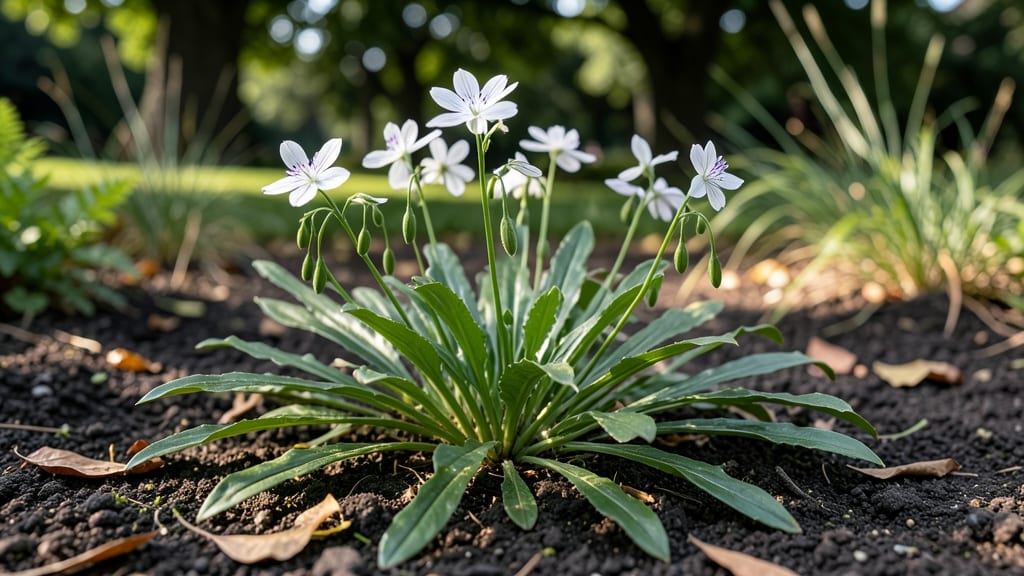
Growing narrow leaf bittercress might sound intimidating, but this fast-growing edible green thrives where other plants struggle. 🌱 I've grown it in shady corners and between stepping stones—it's the ultimate low-maintenance green that pops up like clockwork, even when I forget to water it.
This plant loves moist, well-draining soil and partial shade, making it perfect for under trees or along fences. It spreads quickly from seed, so you'll have a lush carpet of peppery greens in just a few weeks.
The key is keeping it contained if you're in a region where it can become invasive—simple hoeing or mulch barriers work wonders. Once established, bittercress stays productive all season, giving you fresh greens for salads or garnishes.
The peppery flavor makes it a great substitute for arugula, and it handles light frosts like a champ. Just be ready for its aggressive growth habit—it's not shy about taking over. For responsible gardening, harvest regularly to control spread and avoid letting it self-seed in unwanted areas.
Perfect for edible landscaping, container growing, or filling gaps in your garden beds. Let's get growing!
📚 In This Guide
- What you need
- Instructions
- Tips and common mistakes
- Wrapping up and next steps
What you need
- ● Seeds: 1 packet of Cardamine cordifolia (narrow leaf bittercress) seeds (500–1,000 seeds, depending on coverage goals).
- ● Growing medium: Potting soil (2–3 bags, 18–24 lbs each) for containers.
- ● Well-draining garden soil (amended with compost, 1–2 cubic yards for in-ground planting).
- ○ Containers (optional for early growth): Seed trays or small pots (4–6 inches deep) with drainage holes.
- ● Watering can or hose: With a gentle spray nozzle for seedling care.
- ○ Fertilizer (optional but helpful): Balanced organic fertilizer (e.g., 10-10-10, 1–2 lbs for in-ground planting).
- ● Fish emulsion or compost tea (for a nutrient boost).
- ● Mulch: Straw or shredded leaves (1–2 inches thick) to retain moisture.
- ● Grow lights (for indoor seed starting, if needed).
- ● Hand trowel or transplanting tool (for delicate seedling moves).
- ● Weed barrier fabric (to suppress weeds in edible landscapes).
- ● Pruning shears (for harvesting or shaping plants).
- ● Pest control: Neem oil or insecticidal soap (preemptive strike against aphids or flea beetles!).
Step-by-Step guide to growing narrow leaf bittercress for edible landscaping
Ready to turn your yard into a fast-growing, edible green machine? Here's how to grow narrow leaf bittercress like a pro.
🌱 Step 1: Choose the Perfect Planting Location
Narrow leaf bittercress thrives in partial shade to full sun but grows fastest with 4-6 hours of morning sunlight. I always pick spots near patios or walkways where the soil stays slightly moist but drains well—this plant hates soggy roots. Test your soil by squeezing a handful: if water beads up on the surface, it's too dense and needs amending with compost.
This plant spreads aggressively, so contain it in a 12-inch wide bed or between stepping stones where its delicate white flowers and peppery greens won't take over. I like to outline the edges with landscape fabric to prevent it from creeping into lawn areas. The reason? It's not invasive in small doses, but left unchecked, it'll carpet your entire yard in weeks.
💧 Step 2: Prepare the Soil and Plant Seeds
Loosen the top 4 inches of soil with a garden fork until it crumbles easily between your fingers. Narrow leaf bittercress doesn't need rich soil—just moderately fertile, well-draining earth. Mix in 1 inch of compost if your soil is heavy clay or pure sand. The goal is soil that holds moisture without becoming waterlogged.
Scatter seeds ¼ inch deep—they're tiny, so I use a pinch between my fingers and sprinkle them like confetti. Space seeds ½ inch apart in rows 12 inches apart for easy harvesting. Water gently with a fine mist until the soil surface looks damp but not wet. You'll see sprouts in 7-10 days—watch for the first tiny leaves to appear, signaling successful germination.
☀️ Step 3: Maintain Moisture and Watch for Growth
Keep the soil consistently moist but never soggy—this is bittercress's biggest growth trigger. Water every 2-3 days in hot weather, checking the top inch of soil with your finger. If it feels dry, water deeply until moisture reaches 2 inches down. The plant's rapid growth means it'll need 1-2 inches of water weekly during peak summer.
Once seedlings reach 2 inches tall, thin them to 4 inches apart by snipping unwanted plants at the base with clean scissors. Don't pull—the roots break easily, and you'll disturb the remaining plants. Use the thinnings in salads or pesto! You'll notice new growth within 3-5 days after thinning, proving the remaining plants are happy and healthy.
✂️ Step 4: Harvest and Encourage Continuous Growth
Harvest the outer leaves when plants reach 4-6 inches tall—this encourages bushier growth. Pinch back flowering stems immediately to redirect energy into leaf production. I harvest every 2-3 weeks during active growth, always leaving at least 2 inches of stem so the plant can regenerate. The younger leaves are milder and more tender, so prioritize those first.
Fertilize lightly once a month with a balanced organic fertilizer (like 5-5-5) during the growing season. Too much nitrogen makes leaves bitter, so follow package rates exactly. In fall, let a few plants bolt and flower—their delicate white blooms attract pollinators and add beauty to your edible landscape.
🌿 Step 5: Overwinter and Plan for Next Season
Narrow leaf bittercress is a cool-season annual that self-seeds prolifically. In fall, let some plants go to seed to ensure next year's crop. The seeds ripen quickly—watch for pods to turn brown and split open. Collect seeds by placing a paper bag under the plant and gently shaking stems when pods are dry.
In winter, mulch the bed with 2 inches of straw to protect emerging seedlings from frost. The plant often reappears in early spring, ready to grow again. I've had bittercress reseed itself for three consecutive years in the same spot with minimal care—proof that this fast-growing green is the ultimate low-maintenance edible.
Tips & tricks for perfect narrow leaf bittercress growth
Want to grow this peppery green like a seasoned edible landscaper? Here's what I've learned after watching my bittercress thrive year after year.
Morning Sunlight Secret: That 4-6 hours of morning sunlight in Step 1 is non-negotiable for speedy growth. I've found that plants receiving afternoon shade grow more slowly but still produce edible leaves. The key is morning sun—it kickstarts photosynthesis early, giving your bittercress a head start each day. If your yard gets intense afternoon sun, consider partial shade during those hours to prevent wilting.
Soil Prep Hack: When amending heavy clay soil with 1 inch of compost as suggested in Step 2, I like to add a handful of perlite to improve drainage. This prevents the soil from becoming compacted, which bittercress absolutely hates. The goal is soil that feels like a damp sponge—firm enough to hold shape but light enough to let air reach those tiny roots. You'll know you've nailed it when water beads up on the surface but drains within a few minutes.
Watering Wisdom: The consistent moisture requirement in Step 3 is where most people go wrong. I've learned to check soil moisture at the same time each morning—right after sunrise. This gives you a baseline for how quickly your soil dries out. In my experience, bittercress actually tolerates slightly drier conditions than most greens, but never let it get completely bone-dry. The 2-inch deep watering is crucial—shallow watering only encourages shallow roots that break easily during harvesting.
Harvesting Technique: When harvesting those outer leaves at 4-6 inches tall as mentioned in Step 4, I use clean kitchen scissors instead of pulling by hand. This prevents damaging the plant's delicate stems and ensures a cleaner cut. Always harvest in the morning after dew has dried—this gives you the freshest leaves with maximum flavor. I've noticed that plants harvested in the afternoon tend to wilt more quickly, even when stored properly.
Pro Tips for Narrow Leaf Bittercress
- Want to grow this peppery green like a seasoned edible landscaper?
- Morning Sunlight Secret: That 4-6 hours of morning sunlight in Step 1 is non-negotiable for speedy growth.
- Soil Prep Hack: When amending heavy clay soil with 1 inch of compost as suggested in Step 2, I like to add a handful of perlite to improve drainage.
Frequently asked questions
Got questions about narrow leaf bittercress?
You’re not alone—this fast-growing green can be tricky to manage! Here are answers to the most common concerns, from identification to control and beyond.
What does narrow leaf bittercress look like, and how can I tell it apart from other weeds?
Narrow leaf bittercress (Cardamine hirsuta) has slender, toothed leaves (resembling tiny mustard greens) and delicate white flowers with four petals. Unlike dandelions, it lacks a rosette and grows in a more sprawling pattern. Its seed pods resemble tiny heart shapes when mature—key for ID!
Is narrow leaf bittercress toxic to pets or humans?
While edible in small amounts (it’s a mild, peppery green), narrow leaf bittercress contains glucosinolates, which can cause mild stomach upset if consumed in large quantities. Pets may avoid it, but if ingested, watch for vomiting or diarrhea. Never feed it to pets in excess.
How long does it take to grow, and when is the best time to remove it?
This weed germinates year-round in mild climates but thrives in spring and fall. It reaches maturity in 3–4 weeks, producing seeds quickly. Pull it before flowering (when leaves are young) to prevent spread. Hand-pulling works best in moist soil—just be patient!
What’s the most effective way to get rid of narrow leaf bittercress permanently?
Combine manual removal (dig deep to avoid regrowth) with mulching (3+ inches of organic mulch blocks sunlight). For stubborn patches, use a vinegar-based herbicide (20% acetic acid) or pre-emergent in early spring. Repeat treatments may be needed—it’s persistent!
Can I use narrow leaf bittercress as a cover crop or compost?
Yes! Its fast growth makes it a great green manure—till it into soil before flowering to enrich nitrogen. For compost, chop finely and mix with carbon-rich materials (like leaves) to avoid matting. Avoid composting seed pods—they’ll sprout new weeds!
Pro Tip:
Spot narrow leaf bittercress early by checking for tiny rosettes in garden beds or cracks in pavement. Water-stress the area first (withhold water for 2–3 days) to make weeds easier to pull!
Wrapping up and next steps
Narrow leaf bittercress may seem like a pesky invader, but with the right knowledge, you can manage it effectively while still enjoying the benefits of a lush, green landscape.
Remember, prevention is key—stay vigilant, act quickly, and use organic or targeted solutions to keep it in check without harming your garden’s ecosystem. 🌱
Ready to take control? Start by inspecting your garden weekly and addressing any early signs of bittercress. Share your success stories or tips with fellow gardeners—every small step makes a big difference! 💪