
Leaf Blower
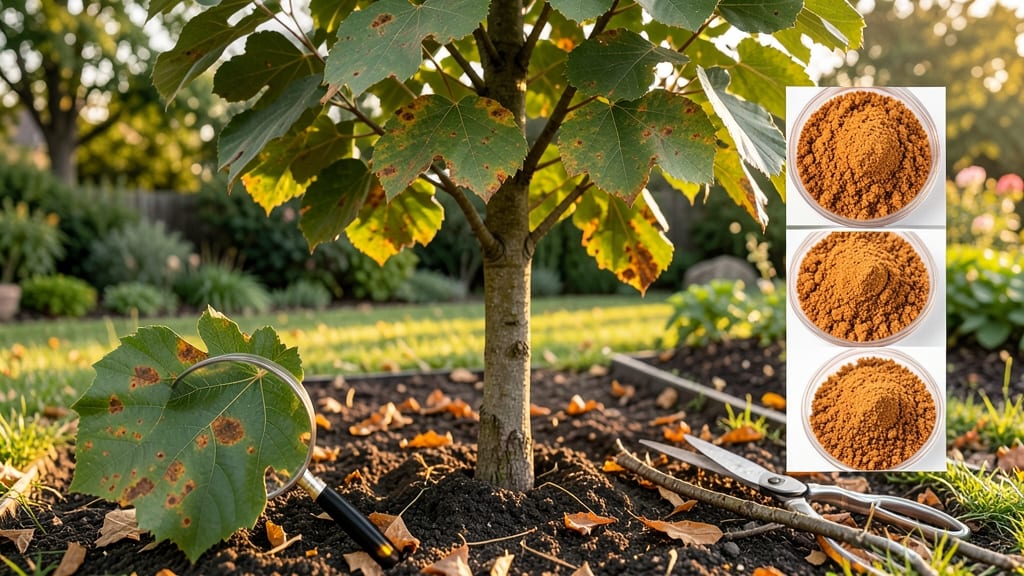
Your mulberry tree’s leaves are turning yellow and rusty—this is mulberry leaf rust, and copper fungicide can bring them back to life. 🌿 I’ve battled this stubborn fungal disease myself, and the key is acting fast with targeted treatments before it spreads to every branch.
The rust spores thrive in damp, crowded conditions, so proper spacing and airflow are your first line of defense. Once you spot those telltale orange spots, isolate the worst branches and apply a copper fungicide spray directly to the infected areas—no need for full-tree drenching.
Repeat every 10-14 days until new growth appears. Within 2-3 weeks, you’ll see fresh, healthy leaves pushing through, and the tree will bounce back stronger. The copper treatment stops the rust in its tracks while giving your mulberry a chance to recover its vibrant green canopy.
Prevention is easier than cleanup: prune for airflow, remove fallen leaves, and plant resistant varieties like ‘Illinois Everbearing’ if rust keeps returning. Your tree can make a full comeback—here’s how.
Root Causes of Fungal Foliage Fade
Mulberry leaf rust isn’t just a random nuisance—it’s a fungal infection triggered by specific environmental and biological factors. Understanding these causes helps you prevent outbreaks or act quickly if you spot the first signs. Below, we break down the key culprits behind this unsightly (and harmful) leaf condition.
Fungal spores thrive in wet conditions, and mulberry leaf rust is no exception. Here’s why moisture sets the stage:
- Prolonged leaf wetness: Rust fungi (Puccinia spp.) need at least 6–12 hours of leaf moisture to germinate and infect. Heavy dew, rain, or overhead irrigation extends this window, giving spores the perfect opportunity to latch onto leaves.
- Poor air circulation: Dense mulberry foliage or crowded plantings trap humidity near leaves, creating a microclimate that accelerates spore growth. Think of it like a sauna for fungi.
- Morning dew + warm nights: Dew forms overnight, and if temperatures rise above 60°F (15°C) by morning, the moisture lingers long enough for spores to activate.
Actionable fix: Prune for airflow, water at the base (not overhead), and avoid planting mulberries in shady, damp spots.
A healthy mulberry tree resists rust, but stress opens the door for infection. Common stressors include:
| Stressor | How It Helps Rust Spread |
|---|---|
| Nutrient deficiencies (e.g., nitrogen, iron) | Weak leaves can’t produce cutin, a waxy barrier that repels spores. Rust spots appear faster on yellowing or stunted foliage. |
| Physical damage (pruning cuts, hail, pests) | Open wounds create entry points for spores. Even tiny tears in the leaf surface let fungi invade. |
| Drought or overwatering | Both extremes disrupt root health, weakening the tree’s immune response to pathogens. |
| Competition from weeds | Weeds steal nutrients, leaving mulberries nutritionally compromised and more susceptible to rust. |
Actionable fix: Test soil pH (ideal: 6.0–7.0), fertilize with balanced NPK (e.g., 10-10-10), and mulch to retain moisture without suffocating roots.
Rust fungi are obligate parasites, meaning they must infect living tissue to survive. Their life cycle depends on:
- Primary spores (urediniospores): These orange-yellow pustules erupt on infected leaves and launch into the air via wind or splashing water. A single infected tree can release millions of spores per season.
- Alternate hosts: Some rust fungi (like Puccinia mori) require two host plants to complete their cycle. If nearby barberry bushes or other Moraceae family plants (e.g., figs) are present, they can replenish spore populations year-round.
- Overwintering spores: Fungal spores survive on fallen leaves, bark, or plant debris during winter. When spring arrives, they reawaken and reinfect.
Actionable fix:
- 🔥 Remove and destroy infected leaves/debris before spores mature (fall cleanup is critical!).
- 🌿 Isolate new mulberry plants from existing ones for 2–3 weeks to monitor for rust.
- 🌍 Eliminate alternate hosts (e.g., remove barberry bushes within 1 mile of mulberries).
Rust fungi are temperature-sensitive. They flourish when conditions align with their optimal growth range:
- 60–75°F (15–24°C): The sweet spot for spore germination and infection. Cooler nights (50°F/10°C) followed by warm days accelerate rust development.
- Spring & early summer: Peak rust season occurs when new leaves emerge (young tissue is more vulnerable) and moisture is abundant.
- Humid climates: Regions with high summer humidity (e.g., Southeast U.S., East Asia) see severe outbreaks due to prolonged leaf wetness.
Actionable fix:
- 📊 Monitor weather forecasts and apply copper fungicide proactively before rain if temps hit 65°F+ (18°C+).
- ✨ Use shade cloth in hot/humid zones to reduce leaf surface temps and slow spore activity.
Fixing Fungal Foliage Fails
Mulberry leaf rust doesn’t have to mean the end of your lush green canopy—with the right approach, you can revive your tree’s health and prevent further damage. Below are practical, step-by-step solutions tailored to the root causes of rust infections, from immediate fixes to long-term prevention.
Let’s get your mulberry leaves back to their vibrant best!
---
Cause: Rust spores spread like wildfire—once leaves turn orange-brown or develop pustules, they’re already spreading the fungus.
Fix: 1. 🍂 Snip and Toss: Use clean, sharp pruners to remove all infected leaves (don’t compost them—bag and trash them). 2. 🌬️ Sterilize Tools: Wipe pruners with 70% rubbing alcohol or a 10% bleach solution (1 part bleach to 9 parts water) to kill lingering spores. 3. 🌳 Thin the Canopy (If Needed): If rust is severe, prune 10-20% of the tree to improve airflow—this reduces humidity, a fungus’s favorite breeding ground.
💡 Pro Tip: Focus on young, new leaves first—they’re often the first to show symptoms and spread spores faster.
---
Cause: Mulberry trees are particularly susceptible to rust because their leaves provide a perfect moist, shaded environment for spores to thrive.
Fix: 1. 🛡️ Choose the Right Fungicide: - Copper-based sprays (like copper sulfate or copper hydroxide) are organic, effective, and safe for mulberries. - Synthetic options: If organic isn’t enough, propiconazole or myclobutanil (follow label instructions). 2. 👨🍳 Apply Correctly: - Best time: Early morning or late evening (avoid direct sunlight—it can burn leaves). - Coverage: Spray both sides of leaves and stem junctions where spores hide. - Frequency: Apply every 7-14 days during wet seasons (spring/fall) or after heavy rain. 3. 🌧️ Reapply After Rain: Copper washes off—plan treatments 24-48 hours before rain to maximize effectiveness.
⚠️ Warning: Never exceed copper application rates—too much can damage roots and soil microbes. Stick to label guidelines.
---
Cause: Rust loves high humidity, poor airflow, and wet foliage—common in dense mulberry canopies or shaded areas.
Fix: 1. 🌬️ Improve Air Circulation: - Prune strategically to open up the tree’s center (aim for a vase-like shape). - Space mulberry trees 15-20 feet apart if planting new ones. 2. ☀️ Increase Sunlight: - If your tree is in deep shade, consider thinning nearby trees or relocating if possible. 3. 💧 Water Wisely: - Water at the base (avoid overhead sprinkling, which keeps leaves wet). - Morning watering (not evening) gives leaves time to dry before nightfall.
🎯 Prevention Bonus: Mulch 3-4 inches deep around the base (but keep it 6 inches away from the trunk) to reduce soil splashes that carry spores.
---
Cause: Weak trees with nutrient deficiencies or compromised roots are easier targets for rust.
Fix: 1. 🌱 Feed Your Tree: - Fertilize in early spring with a balanced 10-10-10 or organic compost (avoid high-nitrogen fertilizers—they promote soft, rust-prone growth). - Add micronutrients: Rust thrives when trees lack zinc, manganese, or iron—use a chelated micronutrient spray if needed. 2. 🍄 Boost Beneficial Microbes: - Mycorrhizal fungi (available as powders or granules) strengthen roots and improve disease resistance. - Compost tea (homemade or store-bought) enhances soil immunity. 3. 🐞 Encourage Natural Predators: - Ladybugs and lacewings (sold at garden centers) feed on rust spores—release them during outbreaks.
✨ Extra Defense: Neem oil (1 tsp per gallon of water + mild soap) can be sprayed as a preventive (reapply every 2 weeks) to disrupt spore germination.
---
Once you’ve treated the current outbreak, stay one step ahead with this seasonal checklist:
| Season | Action | When to Do It | |-------------|----------------------------------------------------------------------------|----------------------------------| | Early Spring | Apply copper fungicide as a preventive spray after new leaves emerge. | Before buds open (dormant season). | | Late Spring | Prune out infected growth and thin the canopy for airflow. | After flowering (avoid summer pruning). | | Summer | Monitor for new pustules and reapply fungicide after rain. | Every 3-4 weeks if wet. | | Fall | Rake and remove fallen leaves (burn or trash them). | Before first frost. | | Winter | Inspect bark for overwintering spores and clean tools. | During dormant pruning (if needed). |
--- Final Thought: Mulberry leaf rust is manageable—but the key is consistency. Combine removal, copper treatments, airflow fixes, and soil care, and you’ll see a noticeable revival in just a few months. 🌿💪
Frequently asked questions
What do mulberry leaf rust spots actually look like?
Mulberry leaf rust appears as bright orange-yellow pustules on the underside of leaves, often surrounded by yellow halos. In advanced cases, the upper leaf surface turns brown and papery. These pustules release spores that spread via wind or water splashes.
Can I still harvest fruit from a mulberry tree with leaf rust?
Yes, but only from healthy branches—never harvest from heavily infected areas. The rust primarily affects leaves, not fruit directly, though severe infections may reduce overall yield. Remove infected branches first to protect remaining fruit production.
How often should I apply copper fungicide for prevention?
Apply copper fungicide every 10-14 days during peak rust season (spring/early summer) or after heavy rains. For prevention, two applications—one at bud break and another after flowering—can significantly reduce spore spread before it starts.
Will mulberry leaf rust kill my tree?
No, mulberry leaf rust rarely kills mature trees, but it can weaken them over time if untreated. Chronic infections reduce photosynthesis, leading to stunted growth. Act quickly with copper treatments and pruning to restore health before the tree becomes stressed.
Can I use baking soda spray instead of copper for mulberry leaf rust?
Baking soda sprays (1 tsp baking soda + 1 tsp oil + 1 tsp soap per gallon of water) can help prevent rust, but they’re not as effective as copper for active infections. Use baking soda as a supplemental preventive during dry periods, but rely on copper for serious outbreaks.