
Pests and Diseases
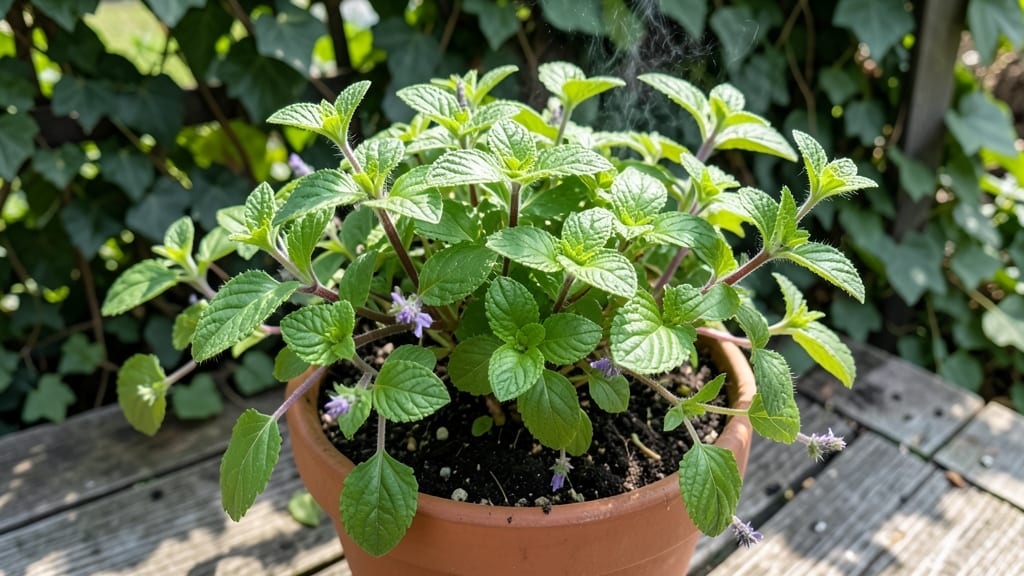
Understanding mint leaf and scent leaf reveals key differences in their botanical families, fragrance profiles, and practical applications: mint leaf comes from plants like peppermint or spearmint, known for their bold aroma and cooling properties, while scent leaf (such as Coleus aromaticus) delivers subtle herbal notes and thrives as an ornamental garden plant.
These two plants might look similar at first glance, but their botanical families and chemical compositions set them apart. 🌿 Mint leaf belongs to the Lamiaceae family and contains menthol compounds that give it that signature crisp, cooling scent.
Scent leaf, on the other hand, comes from the Lamiaceae family as well but lacks menthol—its milder, more earthy aroma comes from compounds like eugenol, which is also found in cloves.
This difference explains why mint is a staple in cocktails and desserts, while scent leaf is prized for its ornamental value and subtle herbal notes in teas or garnishes.
In gardens, mint leaf spreads aggressively and needs containment, while scent leaf grows more compactly, making it ideal for borders or containers. The fragrance difference also plays out in pest control—mint's strong scent repels insects, while scent leaf's gentler aroma attracts beneficial pollinators.
For culinary uses, mint leaf shines in savory dishes and drinks, whereas scent leaf adds depth to herbal blends without overpowering.
💡 In This Article
- Botanical and Chemical Differences Between Mint and Scent Leaf
- Best Uses for Mint Leaf vs Scent Leaf in Gardens and Kitchens
Botanical and chemical differences between mint and scent leaf
The most striking difference between mint leaf and scent leaf lies in their chemical compositions. Mint leaf—specifically from species like peppermint (Mentha × piperita) or spearmint (Mentha spicata)—contains high concentrations of menthol, a compound that triggers the cooling sensation on your tongue and skin.
This menthol content can reach up to 40-50% of the plant's essential oils, which is why mint leaves deliver that signature crisp, refreshing aroma. 🌿 In contrast, scent leaf (Coleus aromaticus, also known as Mexican mint or Mexican oregano) lacks menthol entirely and instead produces compounds like eugenol, which gives it a warm, slightly spicy herbal note similar to cloves or cinnamon.
These chemical differences directly impact their fragrance profiles. When crushed, mint leaves release a sharp, icy scent that can clear a room, while scent leaf emits a softer, earthier aroma that lingers subtly.
The menthol in mint also makes it more volatile—its scent dissipates quickly in heat, which is why fresh mint leaves are often used in cold dishes or beverages.
Scent leaf, however, retains its fragrance longer due to its eugenol content, making it ideal for slow-cooked dishes or dried herb blends where you want a gradual, persistent flavor infusion.
The growth habits of these plants reflect their chemical natures too. Mint leaf spreads aggressively through underground rhizomes, which is why gardeners often plant it in containers to prevent it from taking over flower beds.
Its rapid growth and high essential oil production make it a powerhouse for culinary and medicinal uses. Scent leaf, however, grows more compactly with a bushier, upright habit, reaching 12-24 inches tall and thriving in well-drained soil with partial shade.
This makes it far more manageable for ornamental gardening or as a border plant.
Another key distinction is their leaf structure. Mint leaves are typically 1-3 inches long, oval-shaped with serrated edges, and grow in opposite pairs along square stems.
Scent leaf leaves, on the other hand, are broader (2-4 inches wide) with rounded edges and a velvety texture, giving them a more decorative appearance.
These physical differences make scent leaf a favorite for landscaping, while mint's vibrant green and compact growth make it perfect for kitchen gardens or hanging pots near outdoor dining areas.
Understanding these botanical and chemical differences helps explain why they serve such distinct purposes. For example, the high menthol content in mint makes it a natural decongestant and breath freshener, while scent leaf's eugenol gives it mild antimicrobial properties—useful in traditional remedies for digestive issues.
The choice between the two often comes down to whether you need bold, cooling intensity (mint) or subtle, earthy depth (scent leaf).
Consider this when selecting plants for your garden or kitchen: if you're after a plant that doubles as both a pest repellent and a culinary staple, mint leaf is your go-to.
But if you're looking for a low-maintenance, fragrant addition that enhances the aesthetic of your outdoor space, scent leaf delivers on both fronts without the invasive spread. 🌱