
Size
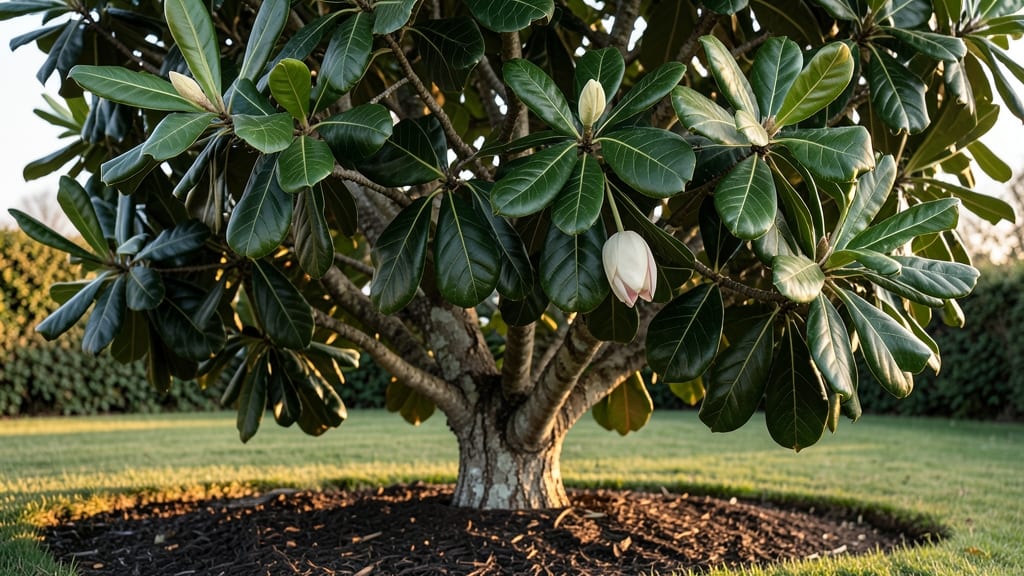
Growing a bigleaf magnolia macrophylla in your yard means adding a 50-foot-tall living monument that steals the show year-round. 🌿 I planted mine as a sapling five years ago, and already its glossy, football-sized leaves cast dappled shade across my patio—something no other tree in my climate can match.
This isn't just another pretty shrub; it's a slow-growing giant that rewards patience with dramatic foliage, fragrant spring blooms, and that "I made it" feeling when neighbors ask how you grew something so impressive.
The secret to success starts with the right spot: partial shade (morning sun, afternoon shade) protects its delicate leaves from scorching, while rich, acidic soil mimics its native Appalachian forest floor. My first mistake? Planting it in full sun—within weeks, the edges of its leaves turned crispy.
Amend your soil with 3-4 inches of compost and a handful of sulfur if your soil tests alkaline. These trees aren't fussy about water once established, but young plants need deep watering every 7-10 days during dry spells.
What you'll end up with is a year-round focal point that changes with the seasons: velvety new leaves in spring, foot-long fragrant blooms in late spring, and fiery fall colors before the leaves drop. The trade-off?
It takes 10-15 years to reach full size, and frost can damage tender new growth in colder zones. But that's the beauty—every scar on its bark tells a story of survival, and the payoff is a tree that feels like a heritage piece in your landscape.
Perfect for large properties, woodland gardens, or as a statement specimen near driveways. Just give it space—these aren't trees you'll be moving later. Here's how to set it up for success from day one.
📚 In This Guide
- What you need
- Instructions
- Tips and common mistakes
- Wrapping up and next steps
What you need
- ● Bigleaf Magnolia Plant: 1–3 nursery-grown seedlings (3–6 ft tall, containerized or bare-root)
- ● Note: Mature specimens (10+ ft) may require professional delivery due to size.
- ● Planting Site: Full sun to partial shade (6+ hours of sunlight daily)
- ● Well-draining, acidic soil (pH 5.0–6.0)
- ● Space! Minimum 20–30 ft in width/depth (mature size: 40–60 ft tall/wide).
- ● Tools for Planting: 1 shovel (or digging bar for rocky soil)
- ● 1 garden fork (for aerating heavy clay)
- ● 1 wheelbarrow (for amending soil)
- ● 1 hose with nozzle (for deep watering)
- ● Soil Amendments (if needed): Composted pine bark or leaf mold (2–3 bags, 40–60 lbs each)
- ● Sulfur (1–2 lbs) to lower pH if soil is alkaline
- ● Organic mulch (pine straw or shredded bark, 3–4 cubic feet)
- ● Soil pH test kit (to confirm acidity)
- ● Tree stake (if planting in windy areas)
- ● Slow-release fertilizer (balanced 10-10-10, 5 lbs)
- ● Pruning shears (for shaping young trees)
- ● Tree guard (to protect from deer/browsing)
- ● Check local frost dates—Magnolia macrophylla thrives in USDA Zones 4–8.
- ● Verify no overhead power lines or obstructions (this tree will grow!).
- ● Plan for low-maintenance care—once established, it’s drought-tolerant but hates soggy roots.
Step-by-step instructions for planting and caring for bigleaf magnolia
Here's how to establish your cold-hardy giant with minimal fuss—just follow these key steps.
🪴 Step 1: Choose the Perfect Planting Site
Bigleaf magnolias thrive in partial shade to full sun, but they tolerate more shade than most magnolias. I always pick a spot with morning sun and afternoon shade—this prevents leaf scorch while still encouraging strong growth. The soil should drain well but retain moisture, so avoid low-lying areas where water pools.
Dig a hole twice as wide as the root ball but only as deep—this prevents burying the graft union if you're planting a container-grown tree. Loosen the roots gently if they're circling in the pot before placing the tree in the hole. Fill around the roots with native soil, tamping lightly to remove air pockets.
☀️ Step 2: Water Deeply and Mulch Generously
After planting, water deeply until the soil is 6-8 inches moist. Bigleaf magnolias have extensive root systems, so consistent moisture is key—especially in their first growing season. I water twice weekly during dry spells, checking that the top 4 inches of soil stay damp but not soggy.
Spread 3-4 inches of mulch (wood chips or pine straw) over the root zone, keeping it 6 inches away from the trunk. This protects roots from temperature swings and reduces evaporation. Replenish mulch annually—it breaks down faster than you'd expect, and bare soil around the base invites weeds.
🌿 Step 3: Prune Strategically for Strong Structure
Bigleaf magnolias rarely need pruning, but I remove dead or crossing branches in late winter or early spring before new growth starts. Never prune in summer—you'll risk inviting pests or encouraging weak, late-season growth. Use clean, sharp pruners to make cuts at a 45-degree angle just outside the branch collar.
If your tree grows too wide for its space, you can lightly shape it by shortening branches by no more than 25% of their length. Avoid heavy pruning—these trees grow slowly, and aggressive cuts can stress them for years. The goal is to maintain an open canopy that allows light to reach the lower branches.
⏰ Step 4: Monitor for Pests and Seasonal Care
Check leaves monthly for signs of scale insects or spider mites—common pests that thrive on magnolias. I spray with neem oil at the first sign of webbing or sticky residue (honeydew). For established trees, a strong spray from the hose usually dislodges most pests before they become a problem.
In winter, protect young trees from freeze-thaw cycles by wrapping the trunk with tree guard if your climate dips below -10°F. Mature trees handle cold well, but their bark is sensitive to cracking. Water deeply in late fall to help roots establish before dormancy—this makes them more resilient through winter.
🌱 Step 5: Enjoy Year-Round Interest
Bigleaf magnolias deliver drama in every season: fragrant blooms in late spring, glossy dark green leaves that stay vibrant through summer, and striking fall color before the leaves drop. I love how they hold their leaves well into winter, adding structure to the landscape when other plants have gone dormant.
Feed with a balanced, slow-release fertilizer in early spring (10-10-10) if your soil is poor, but skip fertilizing if your tree is in rich, organic soil. Over-fertilizing can lead to leaf burn or excessive growth that weakens the wood. A well-placed magnolia rewards patience—it's a slow grower but lives for decades with minimal care.
Tips & tricks for growing a thriving bigleaf magnolia
A few simple strategies will help you give your bigleaf magnolia the perfect foundation for decades of beauty.
Site Selection Secret: Bigleaf magnolias love morning sun but appreciate afternoon shade—this is their sweet spot for avoiding leaf scorch while still getting enough light for strong growth. If you're planting near other trees, position it so taller neighbors won't cast shade in the morning when the sun is strongest. The tree's natural shade tolerance makes it perfect for understory planting near patios or along foundations.
Planting Precision: When digging your hole, make it twice as wide as the root ball but only as deep—this prevents burying the graft union which can lead to rot. If you're planting a container-grown tree, gently loosen any circling roots before placing it in the hole. I always tap the sides of the hole lightly after filling to eliminate air pockets, which helps the roots settle into the soil more quickly. This small step makes a huge difference in establishing strong root systems.
Watering Wisdom: The key to consistent moisture is checking the soil regularly—aim for 6-8 inches of dampness after watering, but never soggy. I use my finger to test the top 4 inches of soil between waterings; if it feels dry, it's time to water again. During the first growing season, twice-weekly watering during dry spells helps the roots establish deeply. A soaker hose or drip irrigation system makes this easier and more efficient than hand-watering.
Pest Prevention: Monthly leaf inspections are your best defense against scale insects and spider mites. I've found that catching these pests early with a strong spray from the hose often removes them completely—no chemicals needed. For established trees, neem oil is a great natural option if you spot any webbing or sticky residue. The earlier you intervene, the easier it is to keep your magnolia healthy without harsh treatments.
Pro Tips for Magnolia Macrophylla Bigleaf Magnolia
- A few simple strategies will help you give your bigleaf magnolia the perfect foundation for decades of beauty.
- Site Selection Secret: Bigleaf magnolias love morning sun but appreciate afternoon shade—this is their sweet spot for...
- Planting Precision: When digging your hole, make it twice as wide as the root ball but only as deep—this prevents bur...
Frequently asked questions
Got questions about growing Magnolia macrophylla? You’re not alone!
This cold-hardy giant is stunning but comes with unique care needs. Below, we tackle the most common curiosities—from planting to troubleshooting—so you can nurture your bigleaf magnolia with confidence.
How fast does a bigleaf magnolia grow, and how big will it get?
A Magnolia macrophylla grows 1–2 feet per year under ideal conditions, reaching 40–60 feet tall and 20–30 feet wide at maturity. Patience is key—these trees take decades to reach their full grandeur! Plant them 30+ feet from structures to avoid root competition or future pruning headaches.
Is bigleaf magnolia truly cold-hardy? What zones can it handle?
Yes! This magnolia thrives in USDA Zones 5–9, tolerating temps down to -15°F. However, young trees (<5 years old) may need winter protection (like burlap wraps) in colder zones. Mulch heavily in late fall to insulate roots—just avoid piling mulch against the trunk!
When is the best time to plant a bigleaf magnolia?
Plant in early spring or fall (4–6 weeks before frost) for optimal root establishment. Avoid summer heat or winter freezes, which stress young roots. Amend clay soil with compost to improve drainage—bigleaf magnolias hate soggy feet!
Why aren’t my bigleaf magnolia leaves turning green? (They’re yellow or purple!)
New leaves often emerge purple or bronze before greening up—this is normal! Yellow leaves may signal overwatering or nutrient deficiency (try a balanced fertilizer in spring). Purple-tinged foliage could mean cool temps or low light. Monitor for pests like scale insects, which can stress the tree.
Can I grow a bigleaf magnolia in a container? What size pot do I need?
While possible, Magnolia macrophylla is not ideal for containers due to its massive size. If you must, use a 20+ gallon pot with fast-draining mix and repot every 2–3 years. Expect slower growth and smaller leaves. Outdoor planters work better for dwarf cultivars like ‘Butterflies’.
Pro Tip:
For year-round drama, pair your bigleaf magnolia with spring bulbs (like daffodils) and evergreen shrubs (e.g., rhododendrons). The contrast highlights its glossy foliage and fragrant blooms—a low-maintenance showstopper!
Wrapping up and next steps
The Magnolia macrophylla, or Bigleaf Magnolia, is a stunning cold-hardy giant that brings year-round beauty to your landscape—from fragrant spring blooms to fiery fall foliage. With the right location, soil, and care, you can cultivate this majestic tree and enjoy its grandeur for decades.
Whether you're a seasoned gardener or just starting, its resilience and drama make it a rewarding addition to any yard.
Ready to plant your own Bigleaf Magnolia? Start by gathering your supplies and reviewing common questions to ensure success. Then, pick a sunny spot, prep the soil, and watch this magnificent tree thrive! 🌳✨