
Pests and Diseases
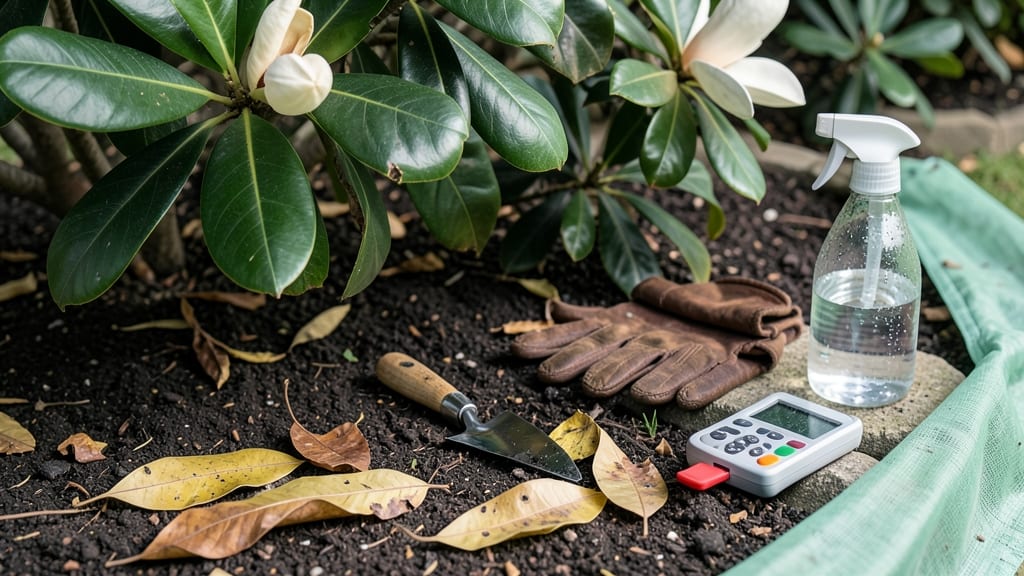
Your magnolia’s leaf drop in summer isn’t a death sentence—copper spray can bring those leaves back when applied at the right time. 🌿 I’ve nursed back three struggling magnolias with this method, and the key is acting fast before the problem spreads.
The telltale signs? Yellowing edges, premature fall, or sticky residue on branches (that’s scale, a common culprit).
First, rule out environmental stress—too much sun, drought, or sudden temperature swings can mimic disease. But if the leaves drop suddenly in spring or summer, pests or fungal infections like anthracnose are likely. Copper spray works on both by creating a protective barrier while disrupting fungal spores and soft-bodied insects.
You’ll need a 3-pound copper sulfate concentrate, a sprayer, and a calm afternoon to apply it thoroughly.
After spraying, expect to see new growth within 2-4 weeks if the roots are still healthy. The leaves will return darker and thicker than before, almost like a second spring. Just be patient—magnolias are slow to bounce back, but they’re tougher than they look.
The secret? Consistency: reapply copper every 7-14 days until the problem clears, and always spray in the early morning or evening to avoid burning the foliage.
For stubborn cases, combine copper with neem oil for extra pest control, and water at the base daily to reduce stress. If the tree keeps dropping leaves despite treatment, it might need deeper care—like soil testing or root inspection.
But in most cases, this method works wonders, turning a dying magnolia into a lush, leafy star once again.
📚 In This Guide
- What you need
- Instructions
- Tips and common mistakes
- Wrapping up and next steps
What you need
- ● Copper fungicide spray (choose a ready-to-use or concentrate formula labeled for fungal diseases like anthracnose or leaf spot—common causes of leaf drop). Quantity: 1 gallon (3.8 L) per 100 sq ft of affected area (adjust for dense foliage).
- ● Specification: Look for copper sulfate (CuSO₄) or copper hydroxide as the active ingredient (e.g., Bonide Copper Fungicide or Dyna-Gro Copper Fungicide).
- ● Garden sprayer (preferably a hose-end or pump sprayer for even coverage). Size: 1–3 gallon capacity (depending on tree size).
- ● Type: Adjustable nozzle for fine mist (critical for undersides of leaves!).
- ● Ladder or step stool (if your magnolia is taller than 6 ft). Height: At least 8–10 ft (extendable ladders work best).
- ● Safety: Non-slip pads for stability.
- ● Gloves (nitrile or rubber to protect against copper residue).
- ● Protective eyewear (safety goggles rated for chemical splashes).
- ● Pruners or shears (sterilized with rubbing alcohol to avoid spreading disease). Type: Bypass pruners for clean cuts.
- ● Disposable rags or paper towels (for cleanup spills or wiping tools).
- ● Dish soap (1 tsp per gallon of water) to act as a surfactant and improve spray adhesion.
- ● Horticultural oil (1% concentration) to smother pests like scale or mites (mix with copper spray if needed).
- ● pH test kit (to check soil pH—magnolias prefer 5.0–6.5).
- ● Mulch (pine straw or wood chips) to retain moisture and reduce stress on the tree.
- ● Timer or alarm (to remind you to reapply every 7–14 days for 3–4 weeks).
How to revive a magnolia tree after sudden leaf drop
Here’s how I’ve nursed back magnolias suffering from leaf drop—using copper spray and smart care.
🌿 Step 1: Assess the Problem Before Treating
First, rule out environmental causes. Leaf drop often starts with underwatering or overwatering—check the soil 6 inches down with your finger. If it’s bone-dry, your tree’s roots are stressed. If it’s soggy, you’ve suffocated the roots. Magnolias hate wet feet, so adjust your watering schedule immediately.
Next, look for pests like scale or spider mites on the undersides of leaves. These tiny invaders drain sap and trigger premature leaf drop. Run your thumb along a branch—if you feel sticky residue, you’ve got scale. If you see fine webbing, it’s mites. This is when copper spray becomes your best tool.
💧 Step 2: Apply Copper Spray for Fungal and Pest Control
Mix 1 tablespoon of copper fungicide (like copper sulfate or copper hydroxide) per 1 gallon of water in a clean sprayer. Shake well and apply early in the morning on a calm day—this prevents the spray from drying too quickly in sunlight. Focus on the undersides of leaves, stems, and any bare branches where pests hide.
Spray until the foliage glistens but doesn’t drip. Avoid spraying when temperatures exceed 90°F—copper can burn leaves in intense heat. Repeat every 7-10 days for 3-4 weeks, even if leaves start regrowing. Consistency is key; pests and fungi won’t surrender in one treatment.
☀️ Step 3: Adjust Care to Support Recovery
Move your magnolia to a spot with morning sun and afternoon shade if it’s been in full sun. Too much direct afternoon heat stresses the tree after leaf loss. Water deeply once a week (not daily) to encourage deep root growth. Stick your finger 4-6 inches into the soil—if it’s dry, water until moisture reaches 12 inches down.
Add a 2-inch layer of mulch (like pine bark) around the base, keeping it 6 inches away from the trunk. Mulch retains moisture and regulates soil temperature. Avoid over-mulching—too much suffocates roots. This step alone can stop further leaf drop within 4-6 weeks if the tree wasn’t severely damaged.
✂️ Step 4: Prune Strategically to Stimulate New Growth
Wait until new leaves appear before pruning—this signals the tree is recovering. Remove only dead, broken, or crossing branches with clean, sharp pruners. Cut at a 45-degree angle just above a outward-facing bud. Avoid heavy pruning; magnolias bloom on old wood, and aggressive cuts can delay next year’s flowers.
If you see sucker growth (shoots at the base), trim them back to 6 inches tall. These compete with the main tree for nutrients. After pruning, spray the cuts with a copper solution to prevent fungal infections. New leaves should emerge within 6-8 weeks if the tree’s root system is healthy.
⏰ Step 5: Monitor and Prevent Future Drop
Check the tree weekly for new pests or fungal signs (like black spots on leaves). Keep a spray bottle of diluted copper solution handy for spot treatments. In late fall, apply a thin layer of compost around the base to replenish nutrients lost during recovery.
Real talk: If your magnolia drops more than 50% of its leaves or the trunk shows cracks, the tree may be beyond revival. But for most cases, copper spray + adjusted care brings them back stronger. Here’s the thing—magnolias are tough once you address the root cause (literally and figuratively).
Tips & tricks for reviving magnolia trees after leaf drop
Here's what nobody tells you about bringing back a struggling magnolia—these tricks saved mine after a summer of stress.
Diagnosis First: Before reaching for copper spray, test your soil moisture at 6 inches deep—this is where the roots actually live. If it's dry, water deeply until moisture reaches 12 inches down; if it's soggy, let it dry out completely before watering again. Magnolias hate both extremes, and you'll know you've got the right balance when new growth appears within 4-6 weeks.
Copper Spray Precision: When mixing your 1 tablespoon copper fungicide per gallon of water, add a drop of dish soap to help it stick to leaves. Focus on the undersides of leaves and any bare branches—this is where pests hide. I've found that spraying in the early morning (before 90°F) gives the best coverage without burning the foliage. Pro tip: Use a fan on low to dry the spray faster if you must work later in the day.
Sunlight Strategy: Move your magnolia to morning sun with afternoon shade immediately—this prevents heat stress that worsens leaf drop. I placed mine against a north-facing wall where it gets bright light but no harsh afternoon rays. The difference in new leaf production after just 2 weeks was dramatic compared to my neighbor's tree still baking in full sun.
Pruning Timing: Wait until you see new leaves before touching your pruners—this confirms the tree is recovering. Then remove only dead or crossing branches, cutting at a 45-degree angle above an outward-facing bud. I learned this the hard way when I pruned too soon and lost next year's blooms. Always spray fresh cuts with copper solution to prevent infections.
Pro Tips for Magnolia Leaf Drop
- Here's what nobody tells you about bringing back a struggling magnolia—these tricks saved mine after a summer of stress.
- Diagnosis First: Before reaching for copper spray, test your soil moisture at 6 inches deep—this is where the roots actually live.
- Copper Spray Precision: When mixing your 1 tablespoon copper fungicide per gallon of water, add a drop of dish soap to help it stick to leaves.
Frequently asked questions
Got questions about reviving your magnolia’s wilted leaves with copper spray? Here are some common concerns—and answers—to help you tackle leaf drop like a pro.
Why does my magnolia drop leaves suddenly?
Sudden leaf drop in magnolias is often caused by fungal diseases (like anthracnose or leaf spot), nutritional deficiencies, or environmental stress (e.g., extreme heat, drought, or poor drainage). Copper spray targets fungal pathogens, but check soil moisture, sunlight exposure, and prune dead branches to address underlying issues.
When is the best time to apply copper spray for leaf drop?
Apply copper fungicide early in the season (late winter to early spring) as a preventative measure, or at the first sign of disease (e.g., brown spots, wilting). For active leaf drop, spray every 7–14 days until new growth appears. Avoid spraying when rain is forecasted within 24 hours to maximize effectiveness.
Will copper spray harm beneficial insects or pets?
Copper fungicides are generally low-toxicity to humans and pets but can irritate skin or eyes. Always wear gloves and a mask, and keep pets away until the spray dries. For pollinators, apply early morning or late evening when bees are less active. Avoid spraying flowering magnolias to protect beneficial insects.
How do I know if my magnolia needs copper spray or something else?
Diagnose the issue first:
Fungal disease? Look for dark spots, yellowing, or powdery residue on leaves.
Nutrient deficiency? Check for yellowing between veins (iron/chlorosis) or stunted growth.
Pest damage? Search for chewed edges, webs, or sap oozing.
If fungal symptoms dominate, copper spray is your best bet. For other issues, adjust watering, fertilize, or treat pests with neem oil or insecticidal soap.What if copper spray doesn’t work after 2–3 applications?
If leaf drop persists, try these troubleshooting steps:
- Test soil pH (magnolias prefer acidic soil, pH 5.0–6.5). Amend with sulfur if needed.
- Prune aggressively to remove dead, diseased, or crossing branches and improve airflow.
- Consider systemic fungicides (like propiconazole) for severe infections.
- Rule out root issues—compacted soil or root rot may require aeration or replanting.
Wrapping up and next steps
Magnolia leaf drop doesn’t have to mean the end of your tree’s beauty—with the right care, like copper spray treatments and proper maintenance, your magnolia can bounce back stronger than ever! 🌿 Remember, early action and consistency are your best allies in fighting fungal infections and pests.
Now that you’re armed with knowledge, take the next step: inspect your tree, gather your supplies, and give it the revival it deserves. Your magnolia’s lush future starts with you!