
Trees
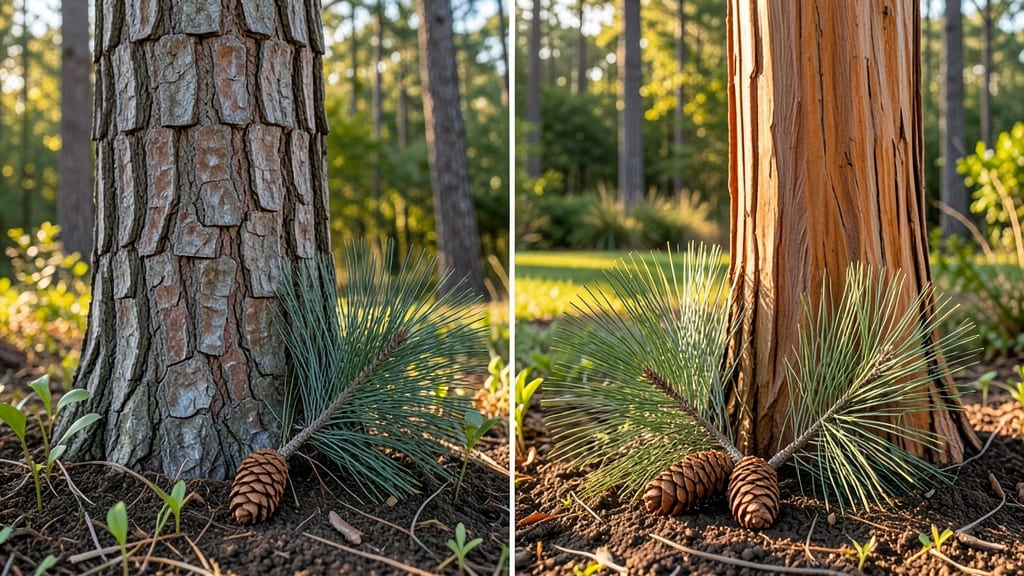
Choosing between loblolly pine and longleaf pine comes down to growth speed and landscape goals. 🌲 The loblolly grows 3-4 feet per year—fast enough to provide shade in a decade—while longleaf takes its time, maturing slowly but with legendary hardiness.
Both thrive in warm climates, but one excels in sandy soils while the other adapts to heavier loam.
Loblolly pines dominate the Southeast with their bold, upright form and bright green needles, making them ideal for windbreaks or quick privacy screens. Longleaf pines, with their long, flexible needles and fire-resistant bark, are the old-growth survivors—perfect for wildlife habitats or fire-prone landscapes.
The trade-off? Loblolly’s rapid growth means earlier maintenance needs, while longleaf’s slow start rewards patience with decades of low-maintenance beauty.
For fast results, loblolly wins—but if you’re planting for the next generation, longleaf’s drought tolerance and pest resistance make it the smarter long-term choice. Both handle pruning well, though loblolly’s dense branches need occasional thinning to prevent disease.
The right pick depends on whether you want instant impact or timeless resilience in your yard.
Regional gardeners should note: loblolly thrives from Texas to Virginia, while longleaf prefers coastal plains and sandy soils—though both adapt surprisingly well with proper care. Plant them where their strengths shine, and you’ll have a tree that outlasts trends.
The first product explained
If you're looking for a fast-growing, versatile pine tree that thrives in a variety of landscapes, the Loblolly Pine (Pinus taeda) is a standout choice! 🌲 Known for its adaptability and resilience, this tree is a favorite among homeowners, farmers, and forestry professionals alike.
Here’s what makes it a top pick:
Key Specs & Features
- Height: Typically grows 60–90 feet tall, with some reaching up to 115 feet.
- Spread: Spreads 30–50 feet wide, creating a broad canopy.
- Growth Rate: One of the fastest-growing pines in the Southeast, averaging 1–2 feet per year.
- Lifespan: Lifespan of 60–100 years, though many thrive well beyond that.
- Needles: Soft, flexible, and 7–10 inches long, arranged in bundles of three.
- Bark: Scaly and reddish-brown, adding rustic charm to any landscape.
- Climate Adaptability: Thrives in warm, humid climates (USDA Zones 7–10) and tolerates a range of soil types, including sandy, loamy, and clay.
Target Users
The Loblolly Pine is a versatile tree that appeals to a wide range of users:
- Homeowners: Perfect for privacy screens, windbreaks, or adding shade to large properties.
- Farmers & Landowners: Ideal for reforestation projects due to its rapid growth and strong wood.
- Wildlife Enthusiasts: Provides habitat for birds, squirrels, and insects, boosting biodiversity.
- Landscape Professionals: A go-to choice for large-scale planting projects in the Southeast.
Price Point & Availability
Pricing for Loblolly Pine saplings varies based on size and supplier, but you can generally expect:
- Small Saplings (1–3 feet): $15–$40 each
- Medium Saplings (3–6 feet): $40–$100 each
- Large Saplings (6+ feet):** $100–$250+ each
Bulk discounts are often available for larger orders, making it a cost-effective choice for landowners and forestry projects. Many online nurseries and local tree farms carry Loblolly Pine saplings, so be sure to compare options before purchasing!
The second product explained
If you're looking for a hardy, fast-growing pine with a classic Southern charm, the Longleaf Pine (Pinus palustris) is your perfect match! 🌲 Known for its iconic bottlebrush-like needles and towering stature, this native Southeastern tree is a standout in both wild landscapes and managed forests.
Let’s break down what makes it a top choice for landowners, conservationists, and eco-conscious landscapers.
🌿 Key Specs & Features
The Longleaf Pine is a powerhouse of resilience with these standout traits:
- Height: Matures to 80–100 feet (with some reaching 130+ feet!)
- Spread: Broad canopy (50–70 feet wide), creating ample shade.
- Growth Rate: Moderate to fast—expect 1–2 feet per year under ideal conditions.
- Lifespan: 300–500 years (some historic specimens live over 600 years!)
- Needles: 8–18 inches long, soft, and arranged in bundles of 3.
- Bark: Thick, scaly, and fire-resistant, earning it the nickname "the tree that shaped the South."
- Wildlife Value: Critical habitat for red-cockaded woodpeckers (a federally endangered species) and countless other wildlife.
🎯 Who Should Plant Longleaf Pine?
This tree is a versatile superstar for:
- Landowners & Farmers: Ideal for timber production (high-quality lumber) and erosion control on sandy soils.
- Conservationists: Restores native ecosystems and supports biodiversity.
- Landscape Designers: Adds dramatic height and texture to large properties (best in open, sunny spaces).
- Fire-Adapted Landscapes: Thrives in prescribed burns, reducing wildfire risks.
💰 Price Point & Availability
Longleaf Pines are widely available from nurseries and forestry suppliers, with pricing varying by size and region:
| Size | Price Range (USD) | Best For |
|---|---|---|
| 1–3 ft (container-grown) | $25–$75 | Small landowners, reforestation projects |
| 4–6 ft (whips or field-grown) | $50–$150 | Landscaping, larger properties |
| Bulk orders (100+ trees) | $10–$40 per tree | Forestry, conservation initiatives |
Pro Tip: 🌱 Check local conservation programs—many offer free or discounted Longleaf seedlings to promote restoration!
Ready to add a legacy tree to your landscape? The Longleaf Pine delivers beauty, durability, and ecological benefits that last for centuries. Just pair it with the right growing conditions (well-drained, sandy soil and full sun), and you’ll have a low-maintenance giant that outshines the competition!
Head-to-head comparison
Curious about how loblolly pine and longleaf pine stack up against each other? Whether you're a landscaper, forester, or just a nature enthusiast, understanding their differences can help you make the best choice for your needs.
Below, we break down their key attributes in a side-by-side comparison to make your decision easier. 🌲✨
🌱 Growth Habits and Rate
One of the biggest differences between these two pines lies in how fast and how they grow.
| Attribute | Loblolly Pine | Longleaf Pine |
|---|---|---|
| Growth Rate | Moderate to fast-growing; can reach 60-80 feet in height within 20-30 years. | Slower-growing but incredibly long-lived; may take 30-50 years to reach 60-100 feet in height. |
| Canopy Shape | Open and irregular; branches spread outward, creating a broad, uneven crown. | Narrow and conical when young; matures into a tall, straight trunk with a sparse, open canopy. |
| Lifespan | Typically lives 150-200 years under ideal conditions. | Can live 300-500+ years, making it one of the longest-lived pine species. |
💡 Pro Tip: If you're looking for quick shade or windbreaks, loblolly pine is your go-to. But if you're planning for centuries of timber or wildlife habitat, longleaf pine wins.
🌳 Landscape and Ecosystem Impact
These pines don’t just grow—they shape their surroundings in unique ways.
- Soil Improvement:
- Loblolly Pine: Improves soil moderately; its litter layer decomposes relatively quickly, enriching the soil with organic matter.
- Longleaf Pine: Superior soil builder—its slow decomposition creates a thick, nutrient-rich duff layer that supports diverse understory plants.
- Wildlife Habitat:
- Loblolly Pine: Attracts birds and small mammals but lacks the biodiversity hotspot reputation of longleaf.
- Longleaf Pine: A keystone species—its fire-adapted ecosystem supports endangered species like red-cockaded woodpeckers and gopher tortoises.
- Fire Resistance:
- Loblolly Pine: Moderately fire-resistant; thick bark helps but isn’t as adapted to wildfires as longleaf.
- Longleaf Pine: Fire-dependent—its thick, spongy bark and serotinous cones thrive after controlled burns, promoting new growth.
🔥 Fun Fact: Longleaf pine forests are sometimes called the "climax community" of the Southeast because they create such a stable, long-term ecosystem!
💰 Cost and Availability
Budget matters, and these pines differ significantly in terms of pricing and sourcing.
| Factor | Loblolly Pine | Longleaf Pine |
|---|---|---|
| Seedling Cost | $1.50–$4 per seedling (widely available, easy to source). | $3–$8 per seedling (less common, often requires specialty nurseries). |
| Timber Value | Moderate; used for plywood, lumber, and paper. Prices fluctuate with demand. | High-value timber—prized for furniture, flooring, and musical instruments. Command premium prices. |
| Maintenance Costs | Lower; tolerates a range of soils and conditions with minimal care. | Higher; requires controlled burns or mechanical thinning to mimic natural conditions. |
💡 Pro Tip: If you're planting for long-term timber investment, longleaf pine’s higher value may justify the upfront cost. For quick, budget-friendly projects, loblolly pine is the practical choice.
🛡️ Durability and Disease Resistance
How well these trees hold up over time—and how prone they are to pests—can make or break your project.
- Disease Resistance:
- Loblolly Pine: Susceptible to fusiform rust and pine wilt nematode, especially in wet climates.
- Longleaf Pine: More resistant to diseases but can suffer from brown spot needle blight if stressed.
- Pest Resistance:
- Loblolly Pine: Attracts pine beetles and sawflies, particularly in drought conditions.
- Longleaf Pine: Naturally resistant to many pests due to its chemical defenses and thick bark.
- Wood Durability:
- Loblolly Pine: Moderately durable; prone to warping or splitting if not properly dried.
- Longleaf Pine: Exceptionally durable—resistant to decay and insects, making it ideal for outdoor projects.
⚠️ Warning: If you're planting loblolly pine in humid areas, be prepared for potential pest issues. Longleaf pine, while tougher, may need active management to prevent disease.
🌿 Best Uses and Suitability
Not all pines are created equal—and these two serve different purposes in landscaping, forestry, and conservation.
| Use Case | Loblolly Pine | Longleaf Pine | ||||||||
|---|---|---|---|---|---|---|---|---|---|---|
| Landscaping | Great for quick shade, windbreaks, and privacy screens. | Ideal for wildlife gardens, native plantings, and low-maintenance landscapes. | ||||||||
| Timber Production | <
| Pick Loblolly If... | Pick Longleaf If... |
|---|---|
| You need fast timber growth. | You want ecological benefits and fire resistance. |
| Your soil is poor or acidic. | Your site is dry or sandy. |
| You’re in cooler or wetter climates (e.g., Piedmont). | You’re in warmer, drier regions (e.g., Coastal Plain). |
| You want year-round greenery (evergreen). | You’re okay with slower initial growth for long-term rewards. |
Bonus idea: 🌱 For diverse plantings, mix both species! Loblolly provides quick shade, while longleaf adds ecological depth over time.