
Leaf Blower
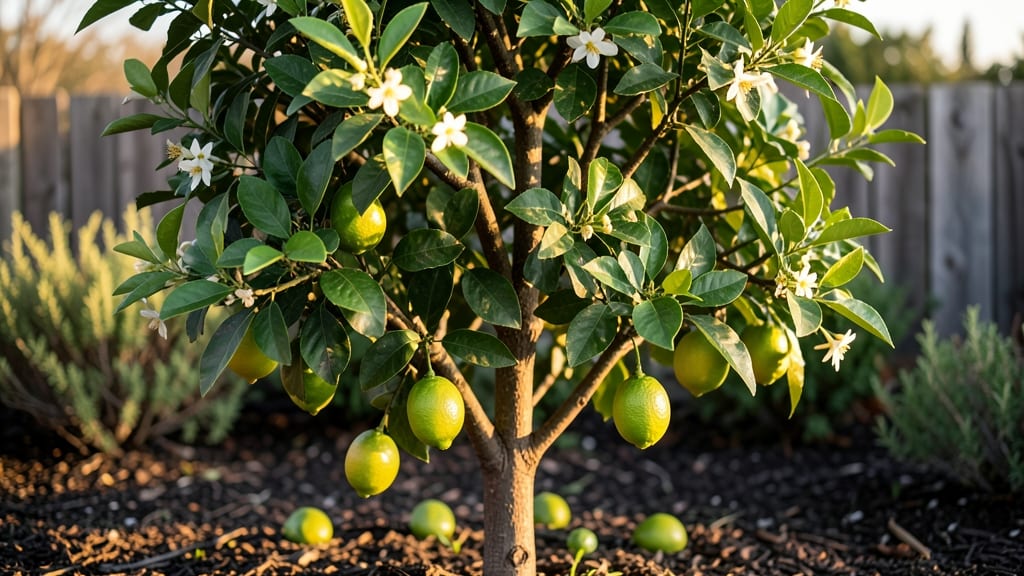
Lemon leaf margin damage with crispy edges usually stems from underwatering, excessive sun exposure, or fungal infections like citrus greasy spot. Trim affected areas, adjust your watering routine, and consider fungicide treatment to revive your plant's health.
Those brown, crispy edges on your lemon tree leaves are often a cry for help from your plant. 🌿 Underwatering causes the cells to dry out and die, while too much direct sunlight can scorch the delicate leaf margins.
Even fungal infections like citrus greasy spot create those unsightly brown spots that look like crispy edges. I've found that checking the soil moisture with your finger—about an inch deep—helps prevent underwatering, while providing afternoon shade can protect against sunburn.
The key is acting quickly: once the damage spreads, recovery becomes much harder.
Don't forget to check your watering habits—overwatering can also stress the plant by preventing proper oxygen flow to the roots. 💧 If you suspect a fungal issue, a simple homemade fungicide mix of 1 part baking soda to 10 parts water with a drop of dish soap can work wonders.
Always water at the base rather than overhead to minimize fungal spores spreading through the leaves.
💡 In This Article
- Why Lemon Tree Leaves Develop Crispy Edges
- Step-by-Step Fixes for Reviving Lemon Leaf Margins
Why lemon tree leaves develop crispy edges
The crispy edges on lemon leaves are often a clear sign of cellular dehydration, where the leaf margins lose moisture faster than the center. This happens because the edges contain fewer protective wax coatings compared to the leaf's core.
When your lemon tree isn't getting enough water—typically less than 1 inch per week—the root system struggles to supply moisture to these vulnerable areas, causing the margins to dry out and turn brown.
You'll notice this most commonly in hot, dry climates or during summer months when evaporation rates spike.
Over-exposure to direct sunlight, especially intense afternoon rays, can also scorch the delicate leaf margins. The high temperatures cause the leaf cells to overheat, triggering a protective response where the plant sacrifices the edges to preserve the core.
This is particularly common with young leaves or varieties like Meyer lemons that have thinner foliage. 🔥 Another culprit is windburn, where strong winds dry out the leaf surfaces faster than the plant can compensate, creating those telltale crispy edges that often appear on the windward side of the tree.
Nutrient deficiencies play a surprising role too—specifically potassium and magnesium. Potassium helps regulate water movement in plant cells, while magnesium is crucial for chlorophyll production. When these nutrients are lacking, the leaf margins become more susceptible to damage.
You can test for this by looking for yellowing between leaf veins (a classic magnesium deficiency sign) or brown spots that spread inward from the edges. Soil tests can confirm these deficiencies, but a quick fix is applying a balanced citrus fertilizer with micronutrients.
Fungal infections like citrus greasy spot also mimic crispy edges, but with a sticky, oily sheen on the leaves. This fungal pathogen thrives in warm, humid conditions and creates dark brown spots that eventually turn crispy.
The key difference is that fungal damage often appears on both leaf surfaces and may have a slightly raised texture. 🌟 If you suspect a fungal issue, check the undersides of leaves for tiny black fungal bodies, which confirm the diagnosis.
Unlike water stress or sunburn, fungal damage spreads progressively if left untreated.
Salt buildup from tap water or fertilizers can also contribute to crispy margins, particularly in container-grown lemon trees. Excess salts in the soil draw moisture out of the root zone, creating a similar dehydration effect.
This is why it's important to flush container soil with water every few months to prevent salt accumulation. You'll often see this issue in plants growing near coastal areas where salt spray can accumulate on leaves and soil surfaces.
Finally, consider your lemon tree's overall health.
Stressed plants—whether from transplant shock, root damage, or pest infestations—are more prone to developing crispy leaf margins as they prioritize survival over aesthetic perfection. 💫 A thorough inspection of the tree's roots, bark, and overall structure can reveal whether underlying stress factors are contributing to the problem.