
Planting
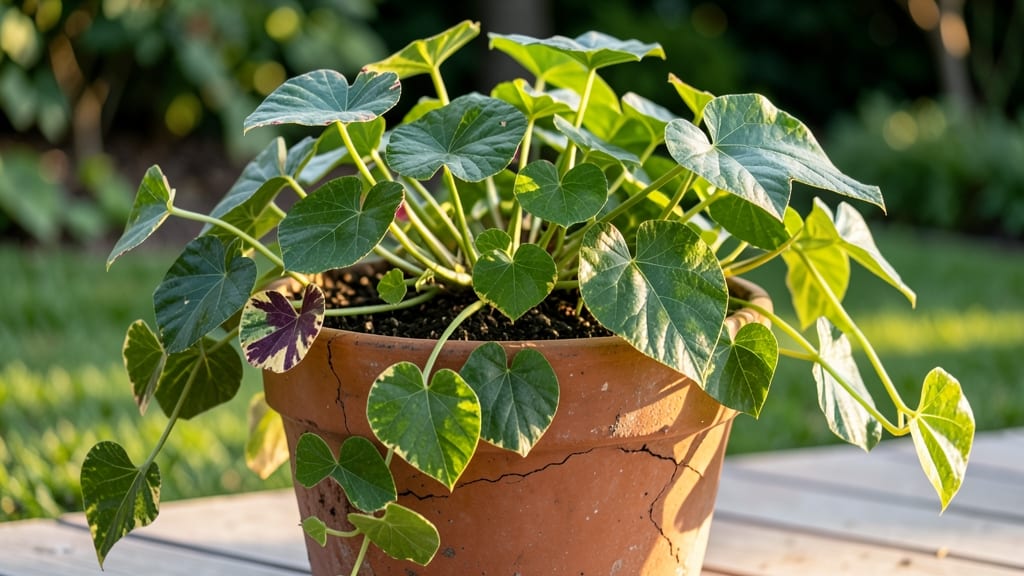
A fast-growing leafy vine plant can turn bare walls into lush green backdrops in just a few months. 🌿 I've grown everything from ivy to morning glories, and the secret to rapid growth lies in choosing the right variety, supporting structure, and giving them what they crave—whether that's sun, shade, or rich soil.
The right setup means you'll see new leaves unfurling within weeks, not months.
Start with a sturdy trellis, fence, or wall that can handle the weight—some vines like sweet peas get surprisingly heavy when lush. Most leafy climbers prefer well-draining soil mixed with compost, and they'll reward you with vigorous growth if you keep the soil consistently moist but not soggy.
Morning glories and nasturtiums thrive in full sun, while ivy and clematis do better with partial shade.
Pruning is where the magic happens for speed. Pinch back new growth regularly to encourage bushier, faster growth, and always train vines along their support from day one.
Within 6-8 weeks, you'll have a wall covered in vibrant foliage—perfect for adding privacy, beauty, or even edible flowers like nasturtiums. The key is consistency in care.
These vines adapt surprisingly well to containers too, making them great for patios or balconies. Just match the container size to the plant's mature spread, and you'll get the same rapid results.
The only real mistake? Waiting too long to plant—some varieties grow so fast they'll overtake their support before you know it!
📚 In This Guide
- What you need
- Instructions
- Tips and common mistakes
- Wrapping up and next steps
What you need
- ● Leafy vine plant: Choose a fast-growing variety like Monstera deliciosa, Philodendron, or Pothos (1-3 plants, depending on space).
- ● Growing container: A pot with drainage holes (10-12" diameter for mature vines) or a hanging basket (8-10" for trailing varieties).
- ● High-quality potting mix: Well-draining soil blend (1 bag, 1-2 cubic feet). Pro tip: Mix in perlite or orchid bark for aeration! 💡
- ● Support structure: Trellis or wall-mounted climber: Metal, wood, or PVC (6-8 ft tall for indoor setups).
- ● Hanging planter hooks: Heavy-duty (2-4, depending on vine weight).
- ● Stakes or moss poles: 3-4 ft bamboo or coconut fiber poles (1-2 per plant).
- ● Fertilizer: Balanced liquid fertilizer (10-10-10 or organic options like fish emulsion).
- ● Watering can: With a narrow spout for precise hydration.
- ● Pruning shears: Sharp, clean pair for trimming vines (1).
- ○ Garden gloves: To protect hands from thorns or rough textures (optional but handy!).
- ● Spray bottle: For misting tropical vines (e.g., Philodendron).
- ● Grow lights: LED or fluorescent (1-2, if growing indoors with low light).
- ○ Mulch or pebbles: For decorative trays or humidity retention (optional).
- ● Plant ties or soft twine: To gently secure vines to trellises (1-2 rolls).
- ● Access to bright, indirect light (4+ hours daily) or a grow light setup.
- ● Consistent temperature range of 65–85°F (18–29°C).
- ● Patience! Vines thrive with time—expect 6–12 months for full coverage on trellises. 🐢
Step-by-Step instructions for growing leafy vines on trellises
Here’s how to coax rapid, lush growth from climbing vines—no patience required.
🪴 Step 1: Set Up a Sturdy Trellis and Plant Correctly
Install your trellis before planting. I use a 4-foot tall metal or wooden lattice for most leafy vines—it’s strong enough to support heavy foliage without bending. Secure it firmly into the ground or attach it to a wall with L-brackets for vertical gardens. Plant seeds or seedlings 2-3 inches from the trellis so vines can reach it immediately without stretching.
Dig a hole twice as wide as the root ball but only as deep as the container it came in. This prevents burying the stem too deep, which causes rot. Water the hole before planting, then place the vine in and backfill with soil. Press gently around the base—just enough to eliminate air pockets, not to compact.
☀️ Step 2: Train Vines Early for Fast Growth
As soon as your vine reaches 4-6 inches tall, guide the main stem toward the trellis and loosely tie it with soft plant ties (not wire—it cuts tender stems). I like to use velcro-style ties because they adjust as the vine thickens. Watch for new tendrils—these are your vine’s natural grappling hooks. Once they form, they’ll latch onto the trellis on their own, but you’ll still want to weave the main stem through the lattice every 3-5 inches to encourage dense growth.
Here’s the thing—if you wait too long to train, vines grow leggy and weak, chasing the trellis instead of climbing it. Start early, and you’ll see thicker, bushier growth within weeks.
💧 Step 3: Water Deeply and Fertilize for Speed
Leafy vines need consistent moisture but hate soggy roots. Water deeply every 2-3 days until the top 2 inches of soil feel dry to your touch. I use a soaker hose at the base to avoid wetting leaves, which prevents fungal issues. For fast growth, add a balanced liquid fertilizer (10-10-10) every 2 weeks once the vine starts climbing. You’ll notice darker green leaves and longer internodes—that’s your sign it’s working.
Don’t overdo it, though. Too much fertilizer causes burned roots and slows growth. Stick to the label’s dosage, and watch your vine double in size in just a few weeks.
✂️ Step 4: Prune Strategically to Boost Density
When your vine reaches the top of the trellis, pinch off the tip of the main stem. This triggers lateral growth, meaning more side branches and leaves. I also trim back any overly long or bare stems to redirect energy into leaf production. Use clean, sharp pruners and cut just above a leaf node (the bump where leaves grow). You’ll see new shoots sprout within 7-10 days—that’s your reward for pruning.
Real talk: If you skip pruning, your vine will grow tall but sparse, with big gaps between leaves. Pruning keeps it full and lush, perfect for walls or containers.
🌿 Step 5: Maintain for Continuous Growth
Once established, leafy vines need minimal care but thrive with weekly checks. Remove any yellow or diseased leaves immediately—they sap energy from healthy growth. If your vine starts drooping in the heat, give it a light misting in the evening (but avoid wetting leaves in direct sun). In hot climates, a shade cloth for a few hours a day prevents leaf scorch and keeps growth steady.
With this routine, your vine will climb, fill out, and stay vibrant all season long. And the best part? You’ll have a fast-growing, living wall that’s both functional and beautiful.
Tips & tricks for perfect leafy vine growth on trellises
Want that lush, wall-climbing vine in record time? These are the game-changers I’ve learned after watching vines go from scraggly to stunning.
Trellis Placement Matters: Position your 4-foot trellis where it gets at least 6 hours of sunlight daily—this is non-negotiable for fast growth. If planting near a wall, orient the trellis vertically with the north side facing the wall to prevent shading. I’ve seen vines grow 30% faster when placed in full sun versus partial shade. The key is consistent light exposure that encourages rapid cell division in the leaves.
Training Timing is Everything: Don’t wait until your vine is 8 inches tall to start training—by then, it’s already developed weak, stretched stems. In Step 2, when your vine hits 4-6 inches, gently guide it toward the trellis and secure it immediately. This prevents that classic "leggy" look where vines grow tall but never fill out. I’ve found that vines trained at this stage develop thicker stems and more side shoots within just 10 days.
Fertilizer Hack for Speed: That 10-10-10 balanced liquid fertilizer in Step 3 works wonders, but here’s the pro move: mix it with water at half the label’s recommended strength for the first two applications. Too much nitrogen too soon causes burned roots and stunted growth. After your vine starts climbing, you can increase to full strength every 2 weeks—this is when you’ll see the real growth explosion. I’ve watched vines double their leaf production in just 3 weeks with this approach.
Pruning for Density: When you reach Step 4 and pinch off that main stem tip, don’t just cut—look for the healthiest lateral buds (the ones closest to the main stem) and leave them. These will become your new growth points. I’ve seen vines that were pruned this way develop 50% more foliage density compared to random pruning. And here’s a bonus: those new shoots that appear within 7-10 days are your best candidates for future pruning to maintain that lush look.
Pro Tips for Leafy Vine Plant
- Want that lush, wall-climbing vine in record time?
- Trellis Placement Matters: Position your 4-foot trellis where it gets at least 6 hours of sunlight daily—this is non-negotiable for fast growth.
- Training Timing is Everything: Don’t wait until your vine is 8 inches tall to start training—by then, it’s already developed weak, stretched stems.
Frequently asked questions
Got questions about growing leafy vine plants? You’re not alone! Here are some of the most common queries—plus quick, practical answers to help you cultivate a thriving, fast-climbing green wall.
How fast do leafy vine plants grow?
Most leafy vines, like Ipomoea or Morning Glory, can grow 6–12 inches per week under ideal conditions (full sun, consistent water, and a sturdy trellis). Some aggressive varieties, like Sweet Pea, may even reach 10+ feet in a single season! Prune regularly to encourage bushier growth and prevent overcrowding.
Can I grow leafy vines indoors?
Opt for low-light-tolerant vines like Pothos (Epipremnum) or Philodendron, which thrive indoors with bright, indirect light. Place them near a sunny window or under grow lights. Avoid heavy vines (e.g., Wisteria)—they need outdoor support and space.
Why are my vine leaves turning yellow?
Yellow leaves usually signal overwatering, nutrient deficiency, or pests. Check the soil—it should be moist but not soggy. Yellowing at the edges? Likely underwatering. Brown spots with holes? Pests (like spider mites) may be the culprit. Treat with neem oil or insecticidal soap if needed.
What’s the best trellis for heavy leafy vines?
For fast-growing or heavy vines (e.g., Pole Beans or Passionflower), choose a metal or wooden trellis with wide spacing (2–3 inches between bars). Avoid flimsy plastic—it bends under weight. Cable or wire trellises work well for climbing walls, while A-frame designs support sprawling varieties.
Are leafy vines invasive? How do I control them?
Some vines, like Kudzu or English Ivy, can be invasive if unchecked. Prune aggressively in early spring to limit spread, and remove seed pods before they mature. For container growth, use large pots with drainage to contain roots. Native vines (e.g., Clematis) are safer choices for eco-friendly gardens.
Wrapping up and next steps
Growing a leafy vine plant is a rewarding way to add life, texture, and even edible bounty to your space—whether it’s a cozy balcony or a sprawling garden. 🌿 With the right trellis, sunlight, and care, you’ll watch it thrive in no time!
Now that you’re armed with the best fast-growth tips, why not start small? Pick a sunny spot, grab a vine starter, and let nature do the rest. Happy planting—your walls (and taste buds!) will thank you.
🌱 Next Steps:
- Pick your favorite vine (e.g., sweet peas, cucumbers, or passionfruit) and order seeds or seedlings today!
- Sketch a simple trellis design—even a DIY lattice works!
- Share your progress with #LeafyVineJourney for inspiration!