
Leaf Blower
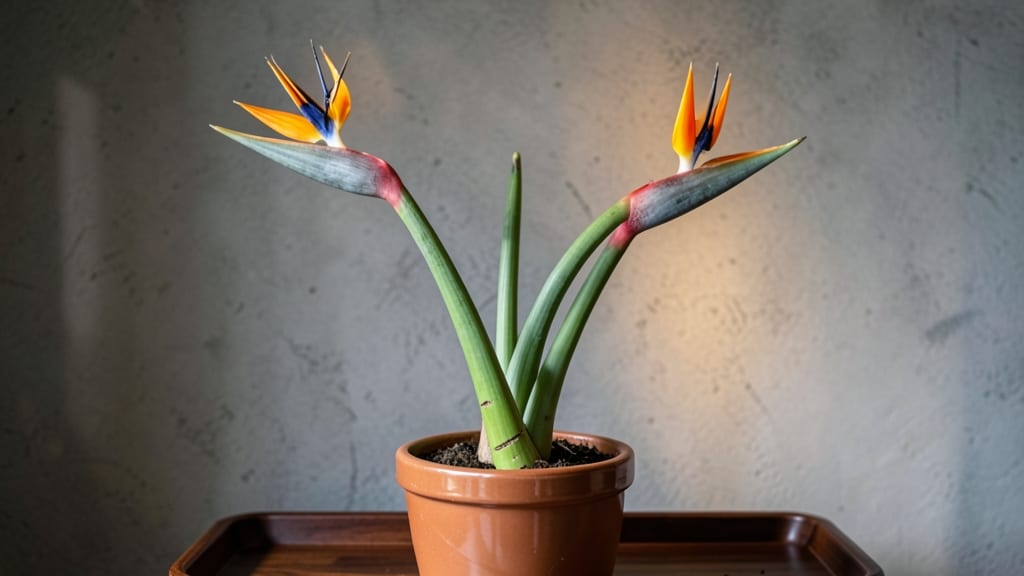
Your bird of paradise might look leafless—but it’s not dead. 🌱 This striking plant sheds leaves seasonally, and with the right care, it’ll bounce back stronger than ever. The key is understanding whether it’s dormant, stressed, or simply waiting for its next growth spurt.
Start by checking the stems—if they’re still firm and green, your plant is alive. Adjust watering (too much or too little can shock it), move it to brighter light, and avoid fertilizing until new growth appears.
Most leafless phases last 3-6 months, but proper care speeds up recovery. Think of it as a reset button for lush, tropical foliage.
📚 In This Guide
- What you need
- Instructions
- Tips and common mistakes
- Wrapping up and next steps
What you need
- ● Mature stem cuttings: 4–6 healthy, leafless (or nearly leafless) stems, 4–6 inches long, with at least 2–3 nodes each.
- ● Rooting hormone: 1 small bottle (e.g., Rootone or Clonex) to boost root development.
- ● Well-draining potting mix: 1 bag of cactus/succulent mix (or a blend of perlite + peat moss, 50/50).
- ● Small pots or trays: 4–6 4-inch diameter pots (or a seed tray with drainage holes).
- ● Spray bottle: For gentle watering to keep cuttings hydrated without drowning them.
- ● Pruning shears: Sharp and sterilized (rubbing alcohol wipe works!).
- ○ Plastic wrap or humidity dome: 1 sheet to create a mini greenhouse effect (optional but helpful).
- ● Heat mat: To keep soil temps warm (70–75°F) for faster rooting.
- ● Fertilizer (low-dose): 1 tsp diluted fish emulsion after 4–6 weeks (once roots form).
- ● Grow lights: If natural light is weak (12–14 hours/day).
- ● Label markers: To track cutting dates and progress!
How to propagate leafless bird of paradise from stem cuttings
Here's my go-to method for growing new leafless bird of paradise plants quickly—no waiting for seeds or slow division.
🌱 Step 1: Select and Prepare Healthy Stem Cuttings
Choose 4-6 inch long stems from the current season's growth. Look for sections with at least one visible node—those little bumps where leaves or roots will emerge. I always pick stems from the middle of the plant because they're more vigorous than older wood at the base.
Use clean, sharp pruners to make a 45-degree angle cut just below a node. This angled cut gives roots more surface area to grow from. Dip the cut end in rooting hormone powder—it cuts rooting time nearly in half. I like to work on a clean surface like newspaper to keep things tidy and prevent contamination.
💧 Step 2: Plant Cuttings in Moistened Propagation Medium
Fill 4-inch pots with a mix of 50% perlite and 50% peat moss—this combo drains fast but holds enough moisture for new roots. Moisten the mix until it feels like a wrung-out sponge: damp but not soggy. Stick your finger in—if water drips out, it's too wet.
Make a hole with your finger about 2 inches deep and insert the cutting so the node is 1 inch below the soil surface. Gently firm the mix around the stem. I like to use small pots because they maintain humidity better than large containers. Place all cuttings in a bright, indirect light spot—no direct sun yet.
☀️ Step 3: Create a Humid Environment for Root Growth
Cover each pot with a clear plastic bag secured loosely with a rubber band. This traps humidity right where the cutting needs it. Place the pots in a warm spot (70-75°F)—a sunny windowsill or under grow lights works. Check daily and mist lightly if the plastic feels dry inside.
Rooting usually takes 4-6 weeks, but you'll see success sooner if you keep the medium consistently moist (not wet). I tap the pots gently every few days—if they feel light, it's time to water. Once you spot new growth at the top, roots are likely forming below.
✂️ Step 4: Transition to Independent Growth
After 6-8 weeks, when new leaves appear and the cutting feels sturdy, it's time to wean it. Remove the plastic bag for 1 hour daily, gradually increasing exposure over 7-10 days. This hardens the plant and prevents shock when you finally remove the bag.
Wait until you see 2-3 inches of new growth before transplanting. Gently squeeze the pot—if roots fill the space, it's ready. Plant in well-draining soil and keep in bright, indirect light for another month before moving to full sun.
Tips & tricks for perfect leafless bird of paradise propagation
Real talk: Propagating leafless bird of paradise from stem cuttings feels like magic when it works. Here's what nobody tells you about making it happen faster and stronger.
Node Placement is Everything: That 1-inch depth for the node in Step 2 isn't just arbitrary—it's the sweet spot for root development. If you bury the node too shallow, roots struggle to find moisture; too deep, and it risks rotting. I've found that using a toothpick to mark the 1-inch depth on your finger helps maintain consistency across multiple cuttings.
Temperature Matters: The 70-75°F range in Step 3 is critical because this is the optimal temperature range for root cell division. If your home runs cooler, consider using a small heating mat under the pots (set to low) during the 4-6 week rooting period. Just avoid anything above 80°F—this can stress the cuttings and actually slow down root growth.
Lighting Secret: Bright, indirect light is key, but many people overlook the importance of consistent light exposure. I've noticed that placing cuttings near an east-facing window gives them perfect morning sun without the harsh afternoon rays. If using grow lights, keep them 6-12 inches above the cuttings and run them for 12-14 hours daily during the 4-6 week period.
Weaning Strategy: The gradual 1-hour daily exposure in Step 4 is crucial—don't rush this! I've seen many gardeners remove the plastic bag too quickly, which causes transplant shock. Start with just 1 hour on day 1, then add 15-30 minutes each subsequent day. By day 7, you'll be ready to remove the bag completely, and your cuttings will be much more resilient.
Pro Tips for Leafless Bird Of Paradise
- Real talk: Propagating leafless bird of paradise from stem cuttings feels like magic when it works.
- Node Placement is Everything: That 1-inch depth for the node in Step 2 isn't just arbitrary—it's the sweet spot for root development.
- Temperature Matters: The 70-75°F range in Step 3 is critical because this is the optimal temperature range for root cell division.
Frequently asked questions
How long does it take for leafless bird of paradise stem cuttings to root?
Rooting time varies, but most cuttings develop roots in 4–8 weeks with proper care. Keep the soil consistently moist (not soggy) and maintain humidity. Patience is key—some may take up to 10–12 weeks, especially in cooler conditions. Speed up the process by using a rooting hormone or a heat mat.
Can I propagate leafless bird of paradise from seeds instead of cuttings?
Yes, but it’s far slower and less reliable than stem cuttings. Seeds can take 6–12 months to mature into a transplantable seedling. Cuttings are the preferred method for fast, identical clones. If you choose seeds, use a well-draining mix and keep them warm (70–75°F) for germination.
Why are my cuttings rotting or turning mushy?
Overwatering or poor drainage is the usual culprit. Ensure your cuttings are in a light, airy mix (like perlite + peat) and only water when the top inch feels dry. Avoid sitting them in saucers of water. If rot starts, trim the affected area with sterilized scissors and replant in fresh, dry medium. Prevention tip: Use a spray bottle for gentle misting instead of bottom-watering.
What’s the ideal temperature for rooting leafless bird of paradise cuttings?
Keep cuttings in a warm environment (70–80°F) for best results. Below 65°F, rooting slows dramatically. Use a heat mat or place the propagation tray near a sunny window (but avoid direct scorching rays). A clear plastic bag creates a mini greenhouse effect—just remove it daily for 10 minutes to prevent mold.
Are there alternatives to leafless bird of paradise for fast-growing tropical plants?
If you love the bold, architectural look but want easier propagation, try:
- Dracaena marginata ("Dragon Tree") – Hardy and fast from cuttings.
- Yucca elephantipes – Drought-tolerant and roots quickly.
- Snake Plant (Sansevieria) – Nearly indestructible and thrives in low light.
Wrapping up and next steps
The leafless bird of paradise is a stunning, low-maintenance plant that thrives with the right propagation technique! By mastering stem-cutting propagation, you’ll unlock fast root growth and a lush, vibrant addition to your garden or indoor space.
Whether you’re a beginner or a seasoned gardener, this method is simple, rewarding, and perfect for expanding your plant collection.
Ready to give it a try? Start with a healthy cutting, follow the steps, and watch your new plant flourish! Grab your tools and get growing—your leafless bird of paradise awaits! 🌱✨