
Neem Oil
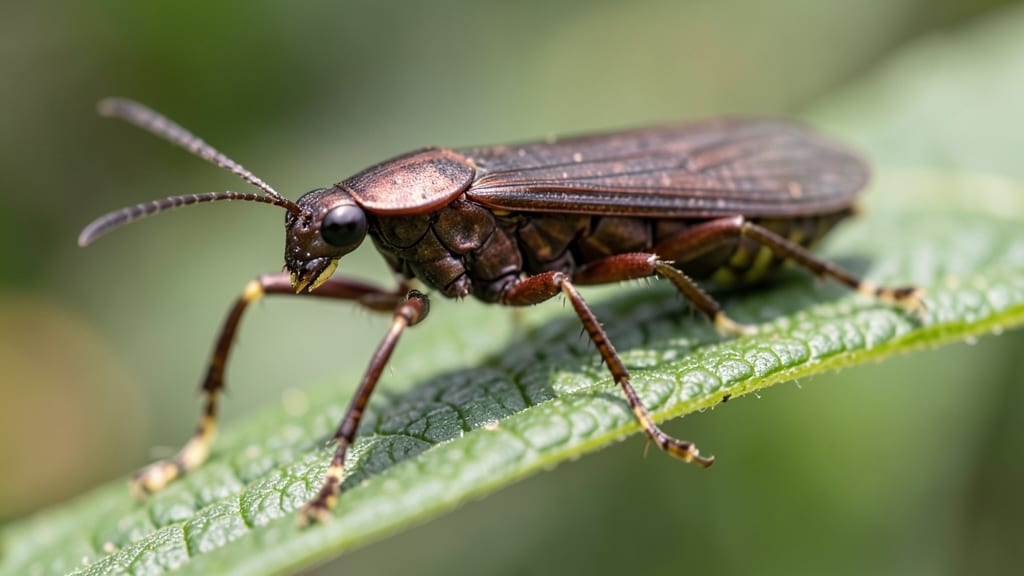
Those tiny, striped assassin bug nymphs hunting leafhoppers in your garden are your secret weapon. 🌱 I used to spray at the first sign of pests—until I learned these predators devour aphids, whiteflies, and leafhoppers by the dozens. The key is recognizing them before assuming they're harmful invaders.
Assassin bug nymphs look like tiny alligators with long legs and a pointed abdomen. They're harmless to plants but voracious hunters—one nymph can eat hundreds of leafhoppers in its lifetime.
The mistake? Squishing them when they look like pests themselves. Their slow movement makes them easy to miss until you spot their prey disappearing.
Encouraging them is simple: plant diverse flowers near your vegetables, avoid broad-spectrum pesticides, and provide hiding spots like mulch or dense foliage. Within weeks, you'll see fewer pests and more beneficial insects patrolling your plants. The best part? No chemicals, no residue—just nature's pest control on patrol.
They won't bother you unless provoked, and their bite is too weak to penetrate human skin. Think of them as your garden's tiny, striped security guards. Once you spot them, you'll never want to spray again—your plants will thank you with healthier growth and fewer pest battles.
Natural Predators Go Hunting
When you spot a leafhopper assassin bug nymph in your garden, it’s not just a random visitor—it’s a tiny, highly efficient predator on a mission. These nymphs thrive in environments where their prey is abundant, and their hunting behavior is driven by a mix of biological, environmental, and ecological factors.
Understanding why they show up (and why they’re so effective) helps you harness their pest-control superpowers. Let’s break down the key reasons behind their presence—and their relentless appetite.
The primary reason leafhopper assassin bug nymphs target specific plants isn’t random—it’s strategic. These nymphs are obligate predators, meaning their survival depends entirely on hunting other insects. Their menu? Mostly soft-bodied pests like:
- Leafhoppers (their namesake prey)
- Whiteflies
- Aphids
- Small caterpillars
- Thrips
When these pests explode in population—often due to warm weather, overwatered soil, or weak plant defenses—the nymphs follow.
Think of them as nature’s response team: they don’t just appear out of nowhere; they’re drawn by the smell and vibrations of distressed plants and the chemical cues of their prey’s feeding activity.
💡 Pro Tip: If your garden is suddenly overrun by aphids or whiteflies, the nymphs aren’t the problem—they’re the solution. Encourage their presence by avoiding broad-spectrum pesticides that kill both pests and their predators.
Assassin bug nymphs aren’t picky about which plants they hunt on—they’re drawn to how those plants are faring. Here’s why:
- Stressed plants emit volatile organic compounds (VOCs). When plants are under attack (e.g., from sap-sucking insects), they release chemical distress signals that attract predators like assassin bugs. It’s like a SOS flare in the insect world.
- Lush, diverse gardens = more hiding spots. Nymphs prefer plants with dense foliage (think basil, beans, or citrus) because these provide ambush points to stalk prey without being seen.
- Water-stressed plants weaken defenses. Overwatered or drought-stressed plants can’t mount as strong a defense against pests, making them easier targets—and thus, more appealing to hungry nymphs.
So, if your garden is thriving but suddenly overrun, it might mean the nymphs are finally noticing the pest party—and they’re crashing it.
Assassin bug nymphs are cold-sensitive but heat-loving, and their activity peaks during:
- Warm, dry seasons (spring to early fall). Temperatures between 70–90°F (21–32°C) are ideal for their hunting. Cooler weather slows them down, while extreme heat can stress them.
- After rain or high humidity. Moisture helps soften plant tissues, making prey easier to pierce and consume. Plus, humidity slows down prey escape responses (like leafhoppers jumping away).
- Early morning or late afternoon. Nymphs are most active during lower light conditions, when prey is sluggish and easier to catch.
❄️ Winter shutdown: If you’re not seeing them in colder months, don’t worry—they’re likely hibernating as eggs or adults, waiting for warmer weather to restart the hunt.
Sometimes, we accidentally invite assassin bug nymphs into our gardens—or push them away. Here’s how:
| ✅ Attracts Them | ❌ Repels Them |
|---|---|
|
|
If you’ve recently switched to organic pest control (like neem oil or insecticidal soap), you might notice more nymphs—because their prey is suddenly vulnerable, and they’re capitalizing on the opportunity.
In short, leafhopper assassin bug nymphs don’t just appear out of nowhere—they’re drawn by biology, ecology, and even our gardening habits. By understanding their triggers, you can encourage their presence and turn your garden into a self-sustaining pest-control system—without a single chemical in sight.
Natural Ways to Outsmart Tiny Garden Invaders
If you’ve spotted leafhopper assassin bug nymphs wreaking havoc in your garden, don’t reach for harsh chemicals just yet! These natural predators can be managed effectively with targeted, eco-friendly strategies.
Below, we’ll break down the most practical solutions—cause by cause—so you can reclaim your plants without harming the ecosystem.
Cause: Assassin bug nymphs thrive when leafhoppers (their prey) are abundant, leading to an explosion in their population. Fix: Disrupt their food source while preserving their role as natural pest controllers.
- 🔥 Introduce Beneficial Predators Encourage birds, lacewings, and parasitic wasps—all of which prey on leafhoppers but won’t harm assassin bugs. Install birdhouses or bat boxes near your garden to attract these allies.
- 🍳 Use Neem Oil as a Deterrent A 1% neem oil solution (mixed with water and a drop of dish soap) can repel leafhoppers without killing assassin bugs. Spray early in the morning on affected plants to avoid harming beneficial insects.
- 👨🍳 Prune Strategically Remove heavily infested leaves or branches (especially from roses, grapes, or citrus) to starve out leafhopper populations. Drop these in a sealed bin—do not compost—to prevent reinfestation.
Cause: Assassin bug nymphs may occasionally damage plants while hunting, leaving small holes or sap trails. Fix: Shield vulnerable plants while keeping the bugs around for long-term control.
- ✨ Use Row Covers for Sensitive Plants Lightweight floating row covers (made of fine mesh) can block leafhoppers while allowing assassin bugs to patrol below. Secure edges tightly to prevent pests from sneaking in.
- 🎯 Apply Kaolin Clay as a Barrier A kaolin clay spray (like Surround WP) creates a protective film on leaves that repels leafhoppers but doesn’t harm assassin bugs. Reapply every 7–10 days or after rain.
- 💡 Handpick Severe Cases (Last Resort) If nymphs are overwhelming a small plant, gently dislodge them with a stream of water or a soft brush. Release them near other infested areas to maintain balance.
Cause: Assassin bug nymphs return year after year if their prey (leafhoppers) isn’t managed. Fix: Create an environment where natural predators stay in check without taking over.
- 🌱 Plant Diversity = Fewer Pests Interplant herbs like basil, dill, or mint—these deter leafhoppers while attracting pollinators that keep assassin bug populations in balance.
- 🔪 Maintain Healthy Soil for Strong Plants Compost-rich soil and regular mulching help plants recover faster from minor damage. Stronger plants resist pests better than stressed ones.
- ⏰ Monitor & Act Early Check plants weekly for early signs of leafhopper activity (sticky residue, curled leaves). Catching infestations early prevents assassin bug nymphs from overpopulating.
Pro Tip: 🌿 Never use broad-spectrum insecticides—they’ll wipe out assassin bugs and their prey, leaving your garden vulnerable to worse pests later. Stick to targeted, natural methods for the best long-term results!
Frequently asked questions
Are leafhopper assassin bug nymphs harmful to humans or pets?
No, these tiny predators pose no threat to humans or pets! Their mouthparts are too weak to pierce skin, and they avoid contact unless directly handled. If accidentally disturbed, they may release a mild odor (like almonds) as a defense mechanism, but it's harmless. Just avoid squishing them—they're your garden's pest control allies!
How can I tell if assassin bug nymphs are helping or hurting my plants?
Look for signs of their prey first! If you see fewer aphids, whiteflies, or leafhoppers while noticing small holes in leaves (their hunting marks), they're helping. The key difference: assassin bugs leave clean punctures, while pests like caterpillars create ragged edges. Their presence means your garden's natural balance is working!
Will assassin bug nymphs stay in my garden long-term?
Yes, but their population depends on food availability. If leafhoppers persist, they'll remain active. To encourage them to stay, plant diverse flowers (like dill or marigolds) and avoid pesticides. They'll naturally migrate if prey becomes scarce, but they'll return when their favorite snacks (aphids, thrips) appear again.
What should I do if I see assassin bug nymphs indoors?
Relax—they're accidental visitors! Gently guide them outside with a soft brush or paper. Avoid vacuuming (it can harm them) or spraying anything. They won't reproduce indoors, so they'll leave within 24 hours. This is actually a good sign your garden's pests are nearby, and these nymphs are patrolling for them!
Can I buy assassin bug nymphs to release in my garden?
While some suppliers sell assassin bugs, nymphs are rarely available separately. The better approach is to create an inviting environment (diverse plants, mulch, water sources) and wait for them to arrive naturally. They'll find your garden if it has their preferred prey—no need to import them when nature does the work for free!