
Companion Plants
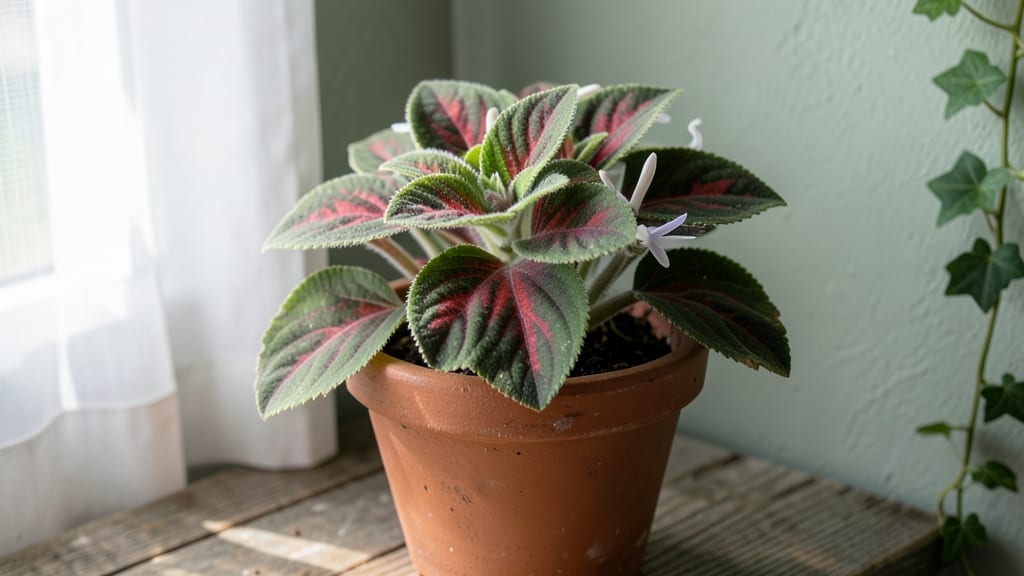
A leaf plant with red and green leaves turns any garden into a living work of art. 🌿 These bold beauties—like Coleus, Caladium, or Heuchera—bring drama without flowers, their colors shifting with light and seasons.
I’ve used them to transform dull corners into vibrant focal points, and the results are shocking. They thrive in partial shade, where many plants struggle, and their care is simpler than you’d think. A well-draining soil mix, consistent moisture, and occasional pruning keep them lush.
The real magic happens when you pair them with silver foliage or deep purple blooms—the contrast makes everything pop. Imagine a container bursting with deep red Coleus leaves framed by trailing ivy, or a border where Caladium’s arrowhead-shaped leaves glow like stained glass.
These plants deliver year-round interest, even when nothing else is blooming. Works in containers, garden beds, or hanging baskets—perfect for adding texture and color to any space. Let’s make your garden unforgettable!
📚 In This Guide
- What you need
- Instructions
- Tips and common mistakes
- Wrapping up and next steps
What you need
- ● Leaf plant with red/green foliage: 1–3 mature plants (e.g., Coleus, Caladium, or Begonia—check local nurseries or online plant shops).
- ● OR seeds (if starting from scratch; germination kits available for varieties like Coleus).
- ● Growing medium: 1–2 bags (5–10 quarts) of well-draining potting mix (e.g., Miracle-Gro Moisture Control or Black Gold Natural & Organic).
- ○ Optional: Perlite or vermiculite (1 cup) for aeration.
- ● Containers: 1–2 pots (6–12 inches wide) with drainage holes (terracotta or ceramic preferred).
- ● OR garden beds (if planting outdoors; ensure partial shade and moist soil).
- ● Basic gardening tools: Trowel or small shovel (for transplanting).
- ● Pruning shears (sterilized with rubbing alcohol).
- ● Spray bottle (for misting seedlings).
- ○ Optional (but helpful!): Grow lights (LED, 12–16 hours/day for seedlings).
- ● Peat pellets or seed-starting trays (if sowing seeds).
- ● Decorative mulch (e.g., pine bark) to retain moisture.
- ● Prerequisites: Access to bright, indirect light (4–6 hours daily).
- ● Consistent watering schedule (keep soil evenly moist, not soggy!).
- ● Patience! Some varieties (like Caladium) take 8–12 weeks to show vibrant colors.
Step-by-Step guide to growing a striking red-and-green leaf plant
Here’s how to bring home that vibrant red-and-green foliage you’ve been admiring—and keep it thriving for months.
🌿 Step 1: Pick the Right Plant for Bold Color
Not all red-and-green leaf plants are created equal. The most dramatic options include Coleus (with its fiery patterns), Caladium (for lush, heart-shaped leaves), or Peperomia varieties like ‘Watermelon’ or ‘Hope.’ Check the light requirements—some need bright, indirect light to maintain their vibrant hues, while others tolerate lower light but may fade slightly.
I always opt for a 6-inch potted plant from a nursery, as it’s already established and ready to show off its colors. Avoid seeds unless you’re patient—most of these plants are grown from cuttings for their specific leaf patterns. If you’re buying online, confirm the plant is healthy (no yellowing leaves or brown edges) before shipping.
☀️ Step 2: Set Up the Perfect Lighting for Vibrant Foliage
Light is the #1 factor in keeping those red tones poppin’. Most red-and-green leaf plants thrive in bright, indirect light—think east or west-facing windows, or a few feet from a south window. Direct midday sun can scorch delicate leaves, while too little light dulls the colors over time.
If your space is low-light, a grow light on a timer (12-14 hours daily) works wonders. I use a simple LED bulb on a shelf above my plants, keeping it 12-18 inches away to avoid leaf burn. Rotate the pot quarter-turn weekly so the plant grows evenly—you’ll notice one side leaning toward the light if you skip this.
💧 Step 3: Master the Watering Balance for Lush Growth
Overwatering is the silent killer of red-and-green leaf plants. Stick your finger 1 inch into the soil—if it feels dry, it’s time to water. Most of these plants prefer the soil to dry out slightly between waterings, especially in cooler months. Use room-temperature water to avoid shocking the roots, and water until it drains freely from the bottom.
I always use a pot with drainage holes to prevent root rot, and I empty the saucer 10 minutes after watering. If the leaves start curling or dropping, you’re likely overwatering. On the flip side, crispy edges mean it’s thirsty—adjust your schedule based on the season (plants dry out faster in summer heat).
🪴 Step 4: Feed and Prune for Long-Term Color Impact
Fertilizer keeps those red-and-green leaves looking their best. During spring and summer, I feed my plants every 4-6 weeks with a balanced liquid fertilizer (10-10-10 or 20-20-20), diluted to half-strength. In fall and winter, I cut back to once every 8-10 weeks—they’re dormant and don’t need as much fuel.
Pruning isn’t just for looks—it encourages bushier growth. Snip off any leggy stems or yellowing leaves with clean scissors, cutting just above a leaf node. You can also propagate those cuttings in water to grow new plants! If your plant outgrows its pot (usually after 6-12 months), repot into a container just 1-2 inches larger to avoid shocking the roots.
✂️ Step 5: Troubleshoot and Revive Faded or Stressed Plants
If your plant’s colors start fading, it’s usually a light issue. Move it closer to a brighter window or add a grow light. Yellow leaves? Check for overwatering or poor drainage. Brown tips? The air is too dry—group plants together or use a pebble tray with water to increase humidity.
Real talk: Even the hardiest plants can get stressed. If you notice wilting or mushy stems, trim away the damaged parts and let the soil dry out completely before watering again. A little TLC goes a long way—with the right care, your red-and-green leaf plant will stay bold and beautiful for years.
Tips & tricks for perfect red-and-green leaf plant care
These simple strategies will help you keep your bold foliage looking vibrant and healthy for years to come.
Lighting Location: In Step 2, when positioning your plant, pay special attention to the direction of your windows. East-facing windows provide gentle morning light that's perfect for maintaining those rich red tones, while west-facing windows offer afternoon warmth without the harsh midday sun. If you notice your plant leaning toward one side, it's definitely time for that quarter-turn rotation you read about—this keeps growth even and prevents lopsided development.
Seasonal Watering Adjustments: The 1-inch soil check in Step 3 is your best friend, but remember that seasonal changes affect moisture needs. During winter months, when indoor air gets dry from heating systems, you might need to water slightly more often than the soil test suggests. Conversely, in summer's heat, the soil may dry faster—check it twice daily if you're unsure. Always use room-temperature water to avoid shocking the roots.
Fertilizer Timing: When it comes to feeding in Step 4, consistency matters more than strict timing. While the 4-6 week schedule works well, I've found that plants often show signs when they need food—look for pale leaves or slower growth. If you notice these, it's a cue to fertilize even if it's not quite time. Just remember to cut back to every 8-10 weeks in fall and winter when growth naturally slows down.
Propagation Hack: That pruning step in Step 4 isn't just about maintenance—it's a great way to get free plants! When you snip off leggy stems, place them in a jar of water with just the bottom inch submerged. Change the water every 3-4 days, and in about 2-3 weeks, you'll see roots forming. This is perfect for sharing with friends or expanding your collection without spending a dime.
Pro Tips for Leaf Plant With Red And Green Leaves
- These simple strategies will help you keep your bold foliage looking vibrant and healthy for years to come.
- Lighting Location: In Step 2, when positioning your plant, pay special attention to the direction of your windows.
- Seasonal Watering Adjustments: The 1-inch soil check in Step 3 is your best friend, but remember that seasonal changes affect moisture needs.
Frequently asked questions
Got questions about keeping your leaf plant with red and green leaves thriving? You’re not alone! Here are answers to the most common queries—from care tips to troubleshooting—so you can enjoy that vibrant foliage all year long.
How much sunlight does a red-and-green leaf plant need?
Most striking varieties like Coleus or Caladium thrive in bright, indirect light. Too much direct sun can scorch leaves, while low light dulls their colors. A 3–4 foot distance from an east or north-facing window is ideal. If indoors, supplement with a grow light for 6–8 hours daily.
Can I keep this plant outdoors in winter?
It depends! Tropical varieties (e.g., Caladium) are not frost-tolerant—bring them inside before temps drop below 50°F (10°C). Hardy options like Heuchera (coral bells) can survive mild winters but may need mulch. Always check your plant’s specific hardiness zone for best results.
Why are the red leaves turning brown or yellow?
Brown edges usually mean underwatering or low humidity, while yellowing suggests overwatering or poor drainage. Check the soil—it should stay lightly moist but never soggy. Increase humidity with a pebble tray or misting (for tropical types), and ensure pots have drainage holes. Pro tip: Tap leaves gently—if they feel crispy, it’s time to adjust care!
What are some low-maintenance alternatives with similar color?
If you want bold foliage with less fuss, try:
- Snake Plant (Sansevieria) – Tough, drought-resistant, and has variegated green/yellow stripes.
- Zebra Plant (Aphelandra squarrosa) – Deep red and green leaves; loves indirect light.
- Purple Heart (Tradescantia pallida) – Trailing purple-black and green leaves, thrives in shade.
How often should I fertilize my red-and-green leaf plant?
Feed every 4–6 weeks during spring/summer with a balanced liquid fertilizer (10-10-10) diluted to half-strength. Skip fertilizing in winter when growth slows. Overfeeding causes salt buildup—flush the soil with water every few months to prevent damage. Bonus: Use a slow-release pellet for hassle-free nutrition!
Wrapping up and next steps
Adding a leaf plant with red and green leaves to your garden or home is a fantastic way to inject vibrant color and texture into any space—no matter the season!
These striking plants bring drama, low-maintenance beauty, and even air-purifying benefits, making them a win for both beginners and seasoned gardeners.
Whether you’re drawn to the fiery hues of Coleus, the lush elegance of Heuchera, or the bold contrast of Crotons, your next step is simple: pick your favorite and let nature’s artistry shine! 🌿✨
Ready to transform your space? Start with one plant today—your green thumb (or just your love for color!) will thank you.