
Pests
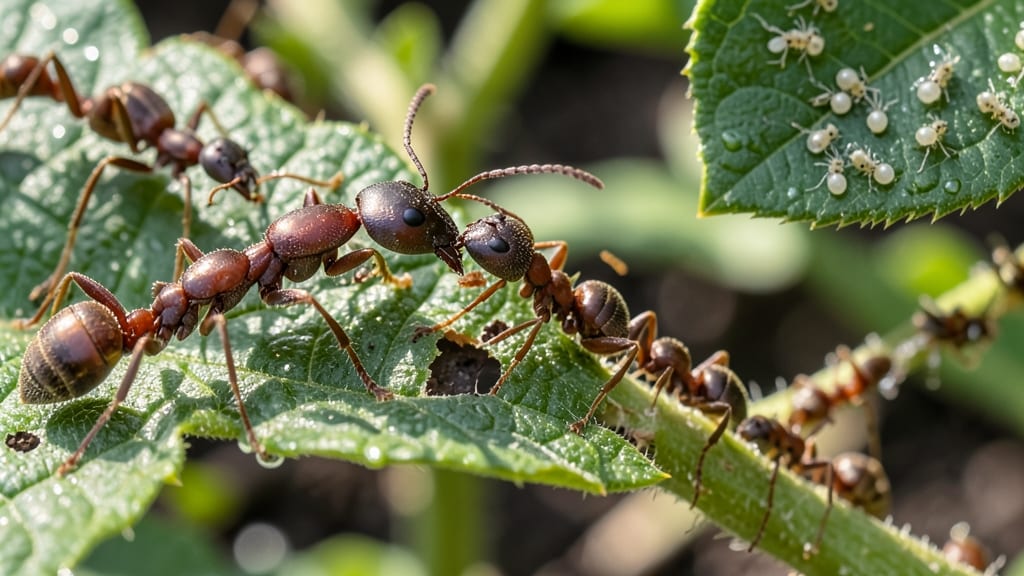
Leaf-eating ants march through gardens like tiny, relentless plunderers, turning your prized plants into their personal buffet. 🐜 I’ve watched them strip entire basil plants bare in a single afternoon, and I’m here to share the barriers that finally stopped them in their tracks—no chemicals required.
The key is understanding their behavior: they farm fungus, not eat leaves directly. They cut foliage to feed their underground colonies, so blocking their trails and disrupting their routes is the real game-changer.
A simple barrier of diatomaceous earth or crushed eggshells around plant bases confuses their scent trails and slows their advance. Once you’ve cut off their access, focus on repellent plants like mint, lemon balm, or citrus—ants despise these scents.
Combine that with regular pruning of infested areas, and you’ll break their cycle before they can establish a permanent colony. This isn’t just a quick fix; it’s a long-term strategy that protects your garden’s health while keeping ants from turning your yard into their salad bar.
The hidden drivers behind fungal farming
Leaf-cutting ants—those tiny but mighty garden invaders—don’t just nibble leaves for fun. Their behavior is driven by a sophisticated, almost agricultural relationship with fungi. Understanding why these ants strip foliage isn’t just fascinating; it’s the key to outsmarting them. Here’s a breakdown of the science behind their leaf-munching obsession.
Leaf-cutting ants (primarily from the genus Atta and Acromyrmex) don’t eat leaves directly—they farm fungi. Their colonies cultivate Leucoagaricus gongylophorus, a specialized fungus that thrives on chopped plant material.
The ants chew leaves, mix them with saliva (which acts as an antibiotic), and use them to fertilize fungal gardens deep within their nests. This mutualistic relationship is so tight that the ants depend on the fungus for 90% of their diet—yet the fungus can’t survive without their care.
💡 Pro Tip: Disrupting this cycle is your best defense. Without access to fresh leaves, the fungus starves, and the colony collapses. That’s why removing infested plants or using barriers can starve out entire nests.
Ants don’t act alone—they follow pheromone trails laid by scout ants. When a worker discovers a promising leaf source, she releases pheromones that create a scent highway, summoning hundreds of foragers.
These trails are so precise that ants can navigate even in the dark. Disrupting pheromone signals can scatter colonies faster than any spray.
🔥 Actionable Insight: Essential oils like lemon eucalyptus or neem mask pheromones, confusing ants and breaking their recruitment system. A few drops around entry points can send them packing.
Leaf-cutting ants can’t digest cellulose or lignin—the tough fibers in leaves. Instead, their fungal partners break these compounds down into simpler sugars and proteins. The ants then feed on the fungus, which has already processed the nutrients. Without leaves, the fungus can’t grow, and the colony starves.
📊 Key Fact: A single queen ant can lay up to 20,000 eggs, but the entire colony’s survival hinges on a steady leaf supply. Even a small barrier (like diatomaceous earth or copper tape) can cut off their food source and trigger mass exodus.
Leaf-cutting ants construct elaborate underground chambers to cultivate their fungus. These nests can span 25 feet wide and house millions of ants.
The deeper layers are humid and dark—perfect for fungal growth—while upper tunnels serve as highways for foraging. Block their access to leaves, and they’ll abandon the nest within weeks.
✨ Smart Strategy: Target their entry points with physical barriers (like sand or gravel) or repellents (like cinnamon or vinegar). Since they can’t dig through these, they’ll relocate—leaving your garden pest-free.
Temperature and humidity play a huge role in their activity. Leaf-cutting ants are most aggressive during warm, wet seasons when fungi grow fastest. Drought or cold slows their foraging, but they’ll still raid if conditions improve. Monitor weather patterns—peak activity often follows heavy rain.
🎯 Preventative Tip: During dry spells, ants may seek water sources (like AC units or leaky pipes). Fixing these can redirect their focus away from your plants.
Simple Ways to Stop Ant Infestations
Dealing with leaf-eating ants can feel like a never-ending battle, but the good news is that most solutions are natural, cost-effective, and easy to implement. The key is to tackle the problem at its source—whether that’s removing their food supply, blocking their entry points, or disrupting their colonies.
Below, we break down practical fixes for each common cause, so you can reclaim your garden (or kitchen!) without harsh chemicals.
Fix: Cut off their access to snacks and clean up spills.
Leaf-eating ants (often crazy ants or fire ants) are attracted to sugary substances like fruit, honeydew, or spilled soda. If you’ve spotted trails near trash cans or picnic areas, start with these steps:
- 🔥 Remove food sources immediately
- Pick up fallen fruit, overripe bananas, or sticky residues (like soda spills) within hours—ants scout fast!
- Store pet food and birdseed in airtight metal containers (glass isn’t always ant-proof).
- Wipe down tables and grills after meals with vinegar or soapy water (ants hate the smell).
- 🍳 Use baits that kill the colony - Borax + sugar bait: Mix 1 part borax with 3 parts powdered sugar and water to form a paste. Place small amounts near trails.
Worker ants carry it back to the queen, eliminating the nest in 24–48 hours. - Commercial protein baits (like Terro Liquid Ant Baits) work well for meat-loving species.
- 🌡️ Prevent future scouting
- Keep trash cans sealed with bungee cords and empty them daily.
- Citrus peels or coffee grounds scattered near entry points repel ants naturally.
Fix: Seal entry points and disrupt their tunnels.
If you’re seeing ants inside your home or mounding soil in your lawn, they’ve likely established a nest. Here’s how to evict them:
- 👨🍳 Block their highways - Caulkin gaps in windows, doors, and foundation cracks with silicon caulk or steel wool (ants can’t chew through it). - Diatomaceous earth (DE): Sprinkle food-grade DE along baseboards, under sinks, and near outdoor nests.
It dries out ants in 48 hours. (Avoid inhaling it!)
- 🔪 Target outdoor nests
- Vinegar spray: Mix equal parts white vinegar and water, spray directly into mounds, and repeat daily for a week to kill larvae.
- Boiling water: For small nests, pour boiling water into the entrance—it kills ants on contact without chemicals.
- Orange oil: A few drops of orange oil (d-limonene) in water sprayed into tunnels disrupts their exoskeletons.
- ⏰ Monitor and repeat
- Check for new mounds weekly—ants may relocate after treatment.
- Mulch alternatives: Replace wood chips near your home with gravel or rubber mulch, which ants avoid.
Fix: Disrupt their fungus gardens and remove leaf trails.
If you’re dealing with leafcutter ants (common in tropical climates), they don’t eat leaves—they cultivate fungus with them. To stop them:
- 🍎 Remove leaf trails
- Pick up cut leaves along their paths and burn or compost them far from your home (never leave them in piles).
- Crush trails with a broom to disrupt pheromone signals.
- 💡 Destroy their fungus farms - Salt or cinnamon: Sprinkle fine salt or cinnamon into their tunnels—it dehydrates the fungus they rely on. - Benzoic acid: A natural fungicide found in cinnamon or cloves, it kills their crop.
Mix 1 tsp cinnamon + 1 cup water and spray into nests.
- 🎯 Relocate their nest (last resort)
- If the nest is in a non-critical area, use a shop vac with a long hose to suck out ants and larvae, then seal the hole with concrete.
Once you’ve kicked them out, stop them from returning with these habits:
- 💡 Maintain a clean perimeter
- Prune branches touching your roof or walls (ants use them as bridges).
- Keep gutters clear—standing water attracts ants and other pests.
- 🌿 Use natural repellents
- Peppermint oil: Soak cotton balls in peppermint oil + water (1:1 ratio) and place them near entry points.
- Chalk or baby powder: Draw a line around your garden—ants won’t cross it.
- 📊 Regular inspections
- Check for new trails or mounds every 2 weeks, especially after rain (ants get active when it’s damp).
Pro Tip: 🌟 Team up with nature—ants have predators! Encourage birds, lizards, and centipedes in your yard by planting native flowers and avoiding pesticides. A balanced ecosystem keeps ant populations in check without human intervention.
Frequently asked questions
Why do leaf-eating ants cut leaves instead of eating them?
They don't eat leaves directly—they're farming fungus! These ants cultivate specialized fungus gardens underground, using chopped leaves as fertilizer. The fungus breaks down the leaves into nutrients the ants then consume. Without leaves, their fungal crop starves, and the entire colony collapses.
What's the fastest way to stop an ant trail in my garden?
Crush the trail with a broom to break their pheromone signals, then sprinkle diatomaceous earth or crushed eggshells along the path. For immediate results, mix 1 part vinegar with 1 part water and spray directly on the trail. Worker ants will avoid these barriers and abandon the route.
Can I use coffee grounds to repel leafcutter ants?
Yes! Fresh coffee grounds create a natural barrier ants avoid due to their strong scent. Sprinkle a thick layer around plant bases or garden edges. For even better results, mix with cinnamon or cayenne pepper—these spices disrupt their scent trails and deter foraging. Refresh every few days after rain.
How do I know if I have leafcutter ants vs regular ants?
Leafcutter ants carry large pieces of leaves (often 2-3x their body size) while regular ants carry small fragments. Look for soil mounds with multiple entrance holes (leafcutters build elaborate tunnel systems). Also check for fungus gardens—if you see white, cottony growth in their tunnels, it confirms leafcutter activity.
Will orange oil kill leafcutter ant colonies?
Yes, but it requires direct application. Mix 10 drops of orange oil with 1 cup water and spray into their tunnels or on trails. The d-limonene in orange oil disrupts their exoskeletons and kills ants on contact. For nests, apply daily for 3-5 days to ensure complete colony elimination.