
Propagation
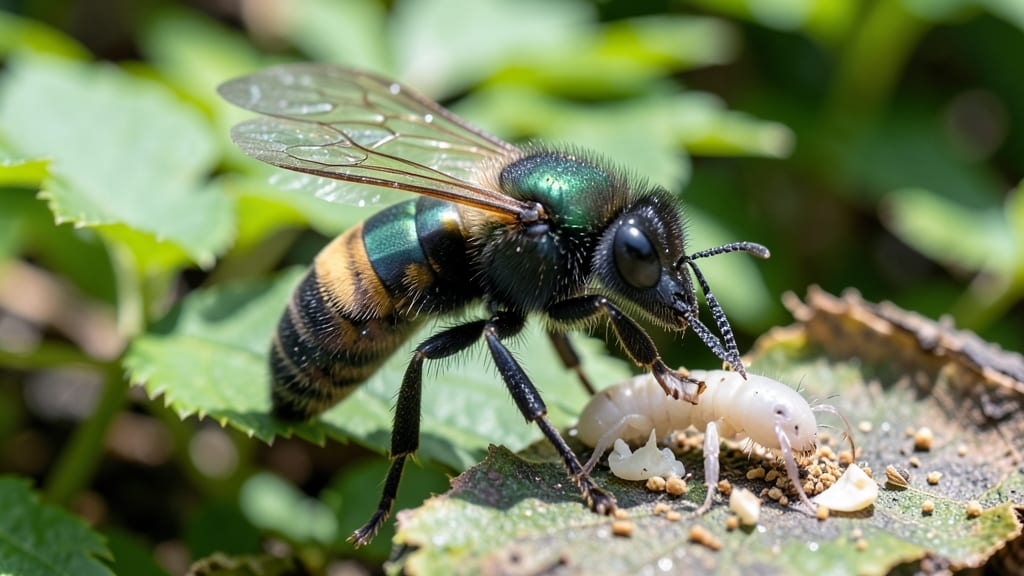
When leaf-cutting insects turn your prized plants into Swiss cheese, panic isn’t the answer—precision is. 🌿 These tiny architects (bees, ants, or caterpillars) don’t just nibble; they slice leaves into perfect geometric shapes, leaving your garden looking like a crime scene.
The good news? You can outsmart them with targeted strategies that protect your foliage and your sanity.
Most damage comes from leafcutter bees (harmless pollinators) or armyworms (voracious caterpillars), but ants often transport the cuttings to their nests. The key? Spot the patterns: bees leave clean, parallel cuts; caterpillars chew jagged edges; ants trail like tiny construction crews.
Once you ID the culprit, you’ll know whether to attract predators, prune strategically, or deploy barriers—no harsh chemicals needed.
With the right mix of companion plants (like marigolds or basil), early pruning (removing damaged leaves before nests form), and natural allies (ladybugs or parasitic wasps), you’ll reclaim your garden in weeks.
Imagine lush, undisturbed foliage all season—no more frantic repairs or mysterious "holes" appearing overnight. The secret? Act fast, but think long-term.
This works for container gardens, raised beds, and in-ground plots, whether you’re growing herbs, hostas, or roses. The same principles apply whether your pests are bees, ants, or caterpillars—because the goal isn’t just survival, it’s thriving foliage that looks intentional, not attacked.
Let’s get your plants back to their best.
The Hidden Drivers Behind Leaf Cutting
Leaf-cutting insects—like the infamous Atta and Acromyrmex ants or the leaf-cutting beetles—don’t just nibble randomly. Their behavior is a finely tuned survival strategy, shaped by biology, ecology, and even plant chemistry.
Understanding why these insects cut leaves (rather than eat them whole) reveals a world of precision farming in nature. Here’s what’s really going on.
Leaf-cutting insects don’t eat the leaves they collect—they farm fungi. These tiny gardeners chop leaves into precise sizes to feed a symbiotic fungus they cultivate in underground chambers. The fungus breaks down the plant material into nutrients the insects can digest, creating a mutualistic relationship where both species thrive.
- How it works: The insects carry leaf fragments back to their nests, where they chew them into a pulp. This pulp is used to inoculate and nourish the fungus gardens, which the colony then consumes as a primary food source.
- Why precision matters: Smaller, uniform cuts maximize surface area for fungal growth, ensuring efficient decomposition. Larger pieces would rot too slowly, while tiny fragments might not provide enough nutrients.
- Plant chemistry factor: Some plants produce toxins (like tannins or alkaloids) that deter herbivores. Leaf-cutting insects have evolved to select leaves with lower toxin levels, often targeting young, tender growth where defenses are weaker.
Pro tip: 💡 If you notice specific plants in your garden being targeted—like hibiscus, roses, or citrus—it’s because these species are rich in nutrients but lack the bitter compounds that repel other pests.
Leaf-cutting ants, for example, don’t just feed—they engineer. Their nests can span acres underground, with chambers dedicated to fungus cultivation, waste disposal, and brood rearing. The leaves they cut serve dual purposes: food and construction material.
- Structural role: Finely chopped leaves are mixed with saliva and fungal spores to create a compost-like substrate. This material is used to line nest walls, insulate chambers, and even cap entrances to regulate humidity and temperature.
- Resource efficiency: By cutting leaves into optimal sizes, the colony minimizes waste. Larger pieces would take too long to decompose, while oversized cuts could collapse nest structures or attract predators.
- Seasonal adaptation: During dry seasons, some species cut leaves to increase moisture retention in their nests, creating a self-sustaining microclimate for their fungal gardens.
Key insight: 🌡️ If you find leaf-cutting activity spiking during warm, humid periods, it’s likely because the insects are expanding their fungus gardens—not just feeding. Their "harvest" is a sign of nest growth.
Not all leaves are created equal—and leaf-cutting insects know it. These pests have evolved behavioral and physiological adaptations to avoid plants that would poison them or their fungal crops.
| Plant Defense | Insect Counterstrategy | Example Plants Targeted/Avoided |
|---|---|---|
| Tannins (bitter compounds) | Select young leaves with lower tannin levels; use antimicrobial saliva to neutralize some toxins. | ✅ Targeted: Citrus, roses ❌ Avoided: Oak, black walnut |
| Alkaloids (neurotoxins) | Prefer non-flowering parts of plants (e.g., stems over leaves) where alkaloids are less concentrated. | ✅ Targeted: Tomato stems, banana plants ❌ Avoided: Belladonna, coffee leaves |
| Silica deposits (physical barrier) | Cut leaves into smaller pieces to bypass silica-rich areas; avoid grasses with high silica content. | ✅ Targeted: Soft herbs (basil, mint) ❌ Avoided: Bamboo, rice plants |
Actionable takeaway: ✨ If your prized plants (like hibiscus) are being decimated while neighboring lavender is untouched, it’s because the insects are actively choosing based on chemical cues. Planting repellent species (e.g., lemongrass, marigolds) nearby can create a "buffer zone" that confuses their foraging patterns.
Leaf-cutting isn’t just about food—it’s about outcompeting rivals. In ecosystems where multiple species rely on the same resources, these insects have developed specialized strategies to dominate.
- Monoculture avoidance: While humans often plant gardens in neat rows, nature favors diversity. Leaf-cutting insects thrive in monocultures (like agricultural fields or ornamental plantings) because they can strip an area clean without facing competition from other herbivores.
- Chemical warfare: Some species mark their territory by depositing pheromones on cut leaves, deterring other insects from raiding the same plants. This explains why you might see clusters of cut leaves rather than scattered damage.
- Climate-driven shifts: Rising temperatures and altered rainfall patterns can expand their range. Warmer winters allow colonies to survive in new regions, while droughts may push them toward water-rich plants (like succulents or citrus).
Why it matters for gardeners: 🎯 If you’re seeing leaf-cutting activity in unusual plants (e.g., aloe vera in a desert climate), it’s a sign the insects are adapting to changing conditions. Proactive measures—like mulching with repellent plants or disrupting nest sites—can help you stay ahead.
Stopping Foliage Thieves Fast
Discovering your prized plants with ragged edges or missing leaves can be frustrating, but don’t panic—leaf-cutting insects (like sawflies, beetles, or caterpillars) are beatable with the right strategies.
Below, we break down cause-specific fixes and prevention tips to protect your plants year-round. Act fast, and your garden will bounce back stronger than ever!
If your plants look like they’ve been attacked by tiny lawnmowers, the culprits are likely sawfly larvae, beetles, or caterpillars. These pests strip leaves for their nests or food, leaving behind telltale jagged cuts.
🔪 Immediate Action Steps
- Handpick the pests 👨🍳
- Inspect the undersides of leaves and soil at the plant’s base for larvae, eggs, or adult insects.
- Drop them into soapy water to kill them instantly. (Pro tip: Do this in the early morning when pests are sluggish!)
- Prune damaged foliage ✂️
- Trim severely chewed leaves to remove food sources and improve airflow (which deters future infestations).
- Apply neem oil or insecticidal soap 🌿
- Mix 1 tsp neem oil + 1 tsp mild dish soap + 1 quart water and spray directly on affected areas (including leaf undersides).
- Reapply every 5–7 days until the pests are gone.
- Set up sticky traps 🕸️
- Place yellow or blue sticky traps near infested plants to catch adult flies or beetles before they lay eggs.
💡 Prevention for Next Time
- Encourage natural predators: Ladybugs, lacewings, and parasitic wasps love leaf-cutting pests. Plant dill, fennel, or marigolds nearby to attract them.
- Use row covers: For high-risk plants (like raspberries or roses), cover young growth with fine mesh netting to block adult pests.
- Rotate planting locations: Avoid replanting susceptible species (e.g., hibiscus, citrus) in the same spot yearly—pests remember!
If you spot tiny white eggs on leaf stems or silky cocoons, you’re dealing with sawfly larvae—they’ll hatch into voracious leaf strippers in days.
⏰ Early Intervention Tactics
- Scrape off eggs 🥘
- Use a soft brush or cotton swab dipped in rubbing alcohol to remove clusters of eggs from stems and leaf veins.
- Introduce beneficial nematodes 🐛
- Soil-dwelling Steinernema carpocapsae nematodes target sawfly larvae in the soil. Apply them in the early evening for best results.
- Apply kaolin clay 🏋️
- Sprinkle Surround WP (kaolin clay) on leaves to create a barrier that confuses and repels adult flies from laying eggs.
🎯 Long-Term Defense
- Plant trap crops: Sacrifice a few zinnia or cosmos plants to lure pests away from your prized foliage.
- Avoid over-fertilizing: Soft, new growth is a buffet for leaf-cutters. Use a balanced fertilizer (10-10-10) sparingly.
- Mulch strategically: A 2-inch layer of wood chips or straw disrupts larval pupation sites in the soil.
If pests keep returning despite your efforts, it’s time for broad-spectrum (but targeted) solutions.
🔥 Last-Resort Fixes
- Bacillus thuringiensis (Bt) 🦠
- A biological pesticide that targets caterpillars and sawfly larvae. Mix 1 tsp Bt per gallon of water and spray at dusk.
- Diatomaceous earth (DE) 🏖️
- Sprinkle food-grade DE around the base of plants and on leaf surfaces. It dehydrates soft-bodied insects but is safe for pets once settled.
- Horticultural oil sprays 🛡️
- Use dormant oil (applied in late fall or early spring) to smother overwintering eggs and pupae.
🌱 Garden Reset Tips
- Quarantine new plants: Inspect every addition to your garden for 1–2 weeks before introducing them to your main collection.
- Rotate pesticides: If using chemicals, alternate between neem, Bt, and insecticidal soap to prevent resistance.
- Monitor with a magnifying glass 🔍: Check plants twice weekly during peak pest seasons (spring and summer).
Remember: The key to winning against leaf-cutting pests is speed and consistency. Act at the first sign of trouble, and your plants will stay lush and thriving—no tiny garden thieves allowed! 🚫🌿
Frequently asked questions
What’s the difference between leaf-cutting ants and leaf-cutting beetles?
Leaf-cutting ants (like Atta species) are social insects that carry leaf pieces back to underground nests to grow fungus. They cut leaves into precise shapes and create visible trails. Beetles, however, cut leaves for their larvae to eat directly—no fungus farming involved. Look for chewed edges (beetles) vs. clean, parallel cuts (ants).
How do I know if my plants are being attacked by sawfly larvae?
Sawfly larvae leave jagged, window-pane-like cuts along leaf edges, unlike ants’ clean slices. Check the undersides of leaves for tiny white eggs or silky cocoons. These pests target young, tender growth, often on roses, raspberries, or fruit trees. Act fast—they multiply quickly!
Are leaf-cutting bees harmful to my garden?
No! Leaf-cutting bees (Megachile species) are beneficial pollinators that cut small, circular pieces from leaves to build nests. While they may chew holes in plants like roses or fruit trees, they don’t damage the plant’s health. Their activity actually helps your garden thrive by boosting pollination.
Why do leaf-cutting insects target certain plants more than others?
These pests prefer plants with soft, toxin-free leaves like hibiscus, citrus, or basil. They avoid tough or bitter foliage (e.g., oak or black walnut). The insects also seek out young, tender growth where defenses are weaker. Planting marigolds or lemongrass nearby can confuse their foraging patterns.
Can I use chemical pesticides safely around leaf-cutting insects?
Chemicals like pyrethrin or carbaryl can kill leaf-cutters but may harm beneficial insects too. For safer results, try neem oil or insecticidal soap first. Always apply in the early evening to protect bees and other pollinators. If using chemicals, follow label instructions carefully.