
Pests
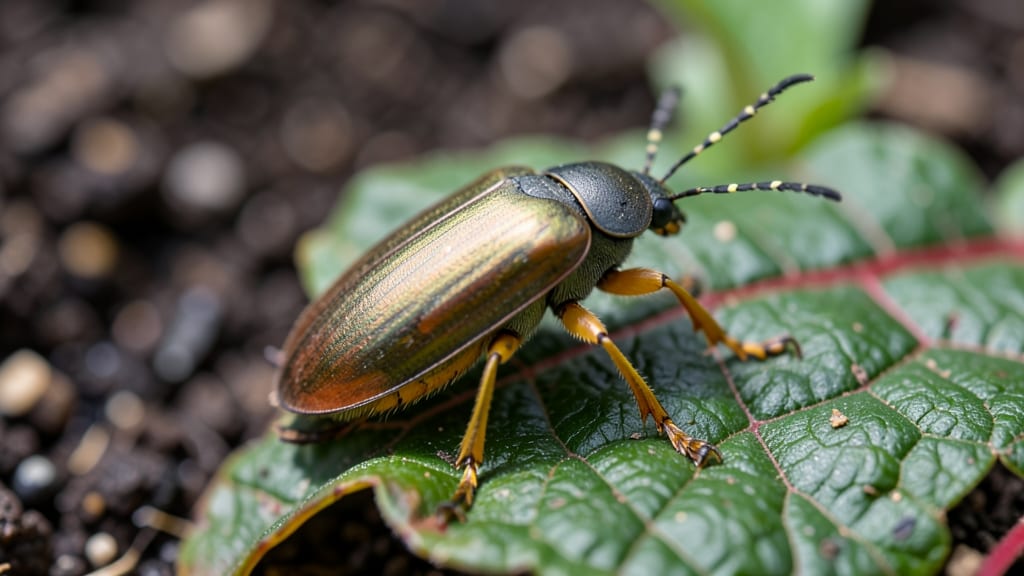
Those skeletonized leaves? That's leaf beetle control—the battle you can win without chemicals. 🌿 I've battled them for years—until I discovered these organic barriers that actually work without chemicals. The key is stopping them before they start.
You'll need row covers, sticky traps, and a sharp eye for early signs. Handpicking works surprisingly well (just crush them in soapy water). Neem oil and insecticidal soap are my go-to sprays—they disrupt beetle life cycles without harming your plants or pollinators.
By mid-summer, your plants will look thriving instead of skeletonized. The secret is consistency: check plants daily, remove eggs, and keep your garden clean. No more helplessly watching beetles devour your harvest. Works for Colorado potato beetles, flea beetles, and other leaf chewers.
Here's how to make them regret invading your garden!
📚 In This Guide
- What you need
- Instructions
- Tips and common mistakes
- Wrapping up and next steps
What you need
- ● Fine mesh netting: 1–2 rolls (12–18 ft long, 3–4 ft wide; mesh size: 0.5mm or smaller to block beetles). Tip: Look for agricultural-grade netting for durability.
- ○ Sturdy garden twine or zip ties: 1 small spool (for securing netting; optional: use reusable clothespins for a no-waste approach).
- ○ Cardboard or thick paper: 2–3 sheets (cut to fit plant bases; optional: use newspaper or brown paper bags for a free DIY option).
- ● Diatomaceous earth (DE): 1 lb (food-grade, not pool-grade; apply sparingly to soil or plant surfaces).
- ○ Neem oil (optional but effective): 16 oz bottle (mix 1 tbsp neem oil + 1 tsp mild soap + 1 quart water for spraying).
- ● Spray bottle: 1 (8–16 oz; for neem oil mix or water sprays).
- ● Scissors or box cutter: 1 (for cutting netting/cardboard).
- ● Measuring tape: 1 (to ensure proper netting coverage).
- ● Gloves: 1 pair (nitrile or cotton; DE can be drying!).
- ○ Stake or dowels: 4–6 (optional; to weigh down netting edges).
- ○ Plant clips or bent wire: 2–4 (optional; for securing netting to stakes or trellises).
How to create organic barriers against leaf beetles
These simple, chemical-free methods block beetles before they reach your plants.
🪴 Step 1: Select Physical Barriers for Young Plants
Start with row covers made from lightweight fabric (like floating row cover) or fine mesh netting with holes smaller than 1/8 inch. These create a physical shield that leaf beetles can't penetrate. I always cut the fabric to fit snugly over plants—loose edges let beetles crawl underneath.
For individual plants, wrap sturdy cardboard collars around stems at soil level. The beetles won't climb the rough surface to reach leaves. Secure with twist ties or plastic clips to prevent gaps. This works best for seedlings or small plants that beetles haven't discovered yet.
🌱 Step 2: Apply Kaolin Clay as a Deterrent
Mix kaolin clay (like Surround WP) with water according to package instructions—usually 1-2 pounds per gallon. Stir until it forms a smooth, milky suspension. Apply this mixture to plant leaves early in the morning when humidity is high, using a hose-end sprayer for even coverage.
The clay creates a protective film that beetles dislike. Reapply every 7-10 days or after rain. I've found this works best on broccoli, cabbage, and kale, which are beetle magnets. The clay also reflects sunlight, reducing stress on plants during hot weather.
💧 Step 3: Use Diatomaceous Earth Around Plant Bases
Sprinkle a thin layer of food-grade diatomaceous earth (DE) around the base of plants, focusing on the soil surface and lower stems. The sharp edges of the fossilized algae cut beetles' exoskeletons, dehydrating them. For 4 plants, use about 1/4 cup per plant—don't overapply, or it loses effectiveness.
Reapply after rain or watering, as moisture reduces its potency. I always wear a dust mask when applying DE, as it's fine and irritating to inhale. This method works best as a preventative barrier, not a cure for existing infestations.
✂️ Step 4: Install Copper Tape as a Climbing Barrier
Wrap copper tape around plant stems or the edges of raised beds. The electrical charge from the copper repels beetles, which have sensitive bodies. For 4 plants, use 12-18 inches of tape per plant, overlapping edges to create a continuous barrier. The tape should be 1-2 inches wide to deter beetles from jumping over it.
This works particularly well for tomatoes, peppers, and eggplants, which beetles often climb to reach leaves. Replace the tape every 6-8 weeks or when it starts to degrade in sunlight. The copper tape also deters other pests like slugs and snails.
🌿 Step 5: Rotate Barriers to Prevent Adaptation
Leaf beetles adapt quickly to single defenses, so rotate methods every 2-3 weeks. For example, use kaolin clay for 10 days, then switch to diatomaceous earth for another week. Combine physical barriers (like row covers) with chemical deterrents (like DE) for the strongest protection.
Monitor plants daily for signs of beetle activity—skeletonized leaves or chewed edges mean it's time to switch tactics. I keep a small notebook near my garden to track which barriers work best for each plant type. This rotation keeps beetles guessing and reduces their numbers over time.
Tips & tricks for effective leaf beetle barriers
Don't let these persistent pests ruin your garden—these pro strategies make organic defenses work even better.
Precision Matters with Physical Barriers: When using row covers in Step 1, secure them tightly at the edges with clips or weights—even a tiny gap can become an entry point for beetles. For cardboard collars, reinforce the bottom edge with a 1-inch strip of aluminum foil to prevent beetles from chewing through. I've found that adding a second layer of mesh over the top of row covers creates an extra defense layer against determined beetles.
Timing is Everything with Kaolin Clay: The instructions mention applying kaolin clay early in the morning, but here's the real secret: do it right after watering. The damp leaves help the clay adhere better, creating a more effective barrier. I also recommend applying it just before sunset—the clay dries slower overnight, giving you maximum protection during the beetles' most active feeding times. Reapply immediately after rain to maintain coverage.
Diatomaceous Earth Application Technique: In Step 3, the instructions specify a thin layer, but here's what I've learned: use a fine-mesh strainer or sieve to distribute the DE evenly. This prevents clumping and ensures even coverage around plant bases. For container plants, sprinkle DE along the inner edges of pots—beetles often climb up the sides to reach leaves. Always apply on a dry day—moisture will render DE ineffective within hours.
Copper Tape Installation Pro Tip: When wrapping copper tape around stems in Step 4, create a double layer—overlap the edges by at least 1/2 inch to eliminate any potential gaps. For plants with multiple stems (like basil or thyme), use small binder clips to connect separate tape strips, creating a continuous barrier. I've noticed that wrapping the tape spiral-style (rather than straight up) makes it harder for beetles to climb over the edges.
Pro Tips for Leaf Beetle Control
- Don't let these persistent pests ruin your garden—these pro strategies make organic defenses work even better.
- Precision Matters with Physical Barriers: When using row covers in Step 1, secure them tightly at the edges with clips or weights—even a tiny gap can become an entry point for beetles.
- Timing is Everything with Kaolin Clay: The instructions mention applying kaolin clay early in the morning, but here's the real secret: do it right after watering.
Frequently asked questions
Got questions about keeping leaf beetles at bay? You’re not alone—these pesky critters can wreak havoc on gardens and plants. Here are some of the most common questions (and answers!) to help you tackle leaf beetle control like a pro.
What’s the best time of year to apply organic barriers for leaf beetle control?
Apply organic barriers like diatomaceous earth or neem oil early in the season—ideally in late spring or early summer—before beetles lay eggs. Reapply after rain or every 4–6 weeks for continuous protection. Timing is key to stopping them before they multiply!
Will organic barriers harm my plants or beneficial insects like bees?
Most organic barriers (e.g., kaolin clay, horticultural oils) are plant-safe when used correctly. However, avoid spraying directly on flowers when bees are active. Opt for early morning or evening applications to minimize risks. Always test a small area first!
What should I do if leaf beetles return after treatment?
If beetles persist, reapply your barrier and check for hidden eggs or larvae on the undersides of leaves. Consider rotating methods—like combining neem oil with physical barriers (e.g., row covers). Persistent infestations may also signal underlying stress in plants (e.g., drought), so address that too!
Are there any DIY organic barriers I can make at home?
Mix 1 part neem oil + 1 part water + a drop of dish soap as a spray, or create a garlic-chili spray (blend garlic, chili peppers, and water) for a natural deterrent. For physical barriers, crushed eggshells or coffee grounds around plant bases can deter beetles too.
How do I know if leaf beetles are damaging my plants—or just other pests?
Leaf beetles leave irregular holes, skeletonized leaves, or black frass (feces). Compare with other pests: Japanese beetles chew larger patches, while aphids cause sticky residue. Check the beetles’ size (1/4–1/2 inch) and color (often metallic green, blue, or black) for confirmation.
Wrapping up and next steps
Controlling leaf beetles organically doesn’t have to be a losing battle—with the right barriers and persistence, you can protect your plants naturally and effectively! 🌿 Whether you’re using kaolin clay, diatomaceous earth, or homemade sprays, these methods are safe for your garden and the environment. Start small, monitor progress, and adjust as needed.
Ready to take action? Pick one barrier method today and give it a try—your plants (and future harvests) will thank you! For extra support, check out local gardening groups or extension services for tailored advice.