
Pests and Diseases
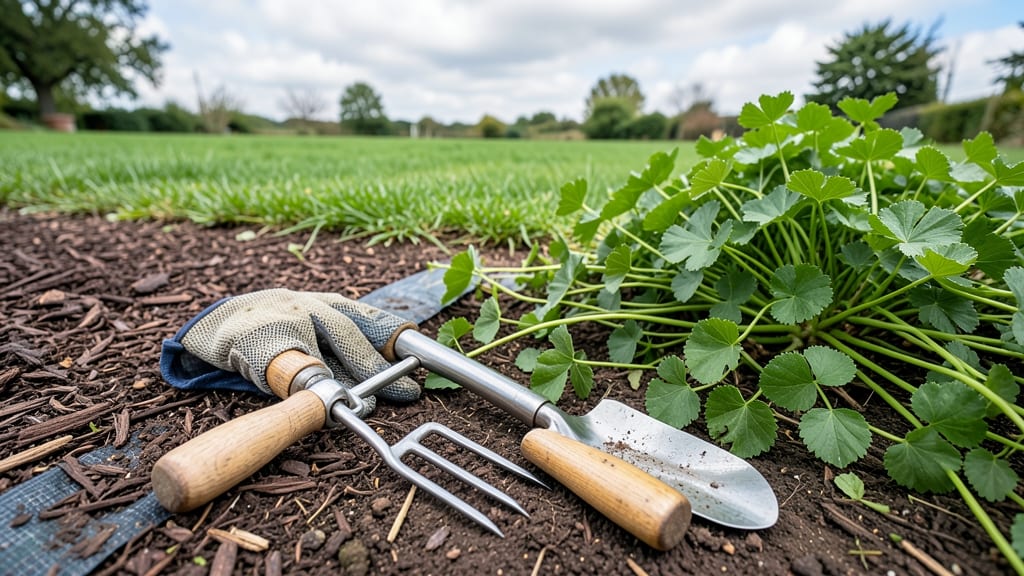
Targeting those stubborn large-leaf weeds in your UK garden starts with knowing your enemy. 🌿 Dock leaves with their jagged edges, ground elder’s heart-shaped foliage, or bindweed’s arrowhead shapes—each demands a different approach to keep your borders weed-free without harming plants.
I’ve battled these tenacious invaders in my own garden, and the key is persistence combined with the right techniques.
The good news is you don’t need harsh chemicals. A sharp spade, some vinegar (for spot treatment), or a dedicated weed burner can make all the difference. UK’s damp climate means weeds thrive, so regular checks—especially after rain—are your best defense.
I’ve found that pulling docks when young and using cardboard mulch for ground elder works wonders over time.
By the end of this, your garden will look neater, with fewer weeds creeping into flower beds. The secret? Consistency—tackle them before they seed, and you’ll save hours of backbreaking work later. Even stubborn bindweed can be managed with the right strategy.
Works for any UK garden, from cottage-style plots to modern urban spaces. Let’s get those weeds under control for good—without sacrificing your garden’s health.
📚 In This Guide
- What you need
- Instructions
- Tips and common mistakes
- Wrapping up and next steps
What you need
- ● Garden gloves (1 pair) – Opt for heavy-duty, waterproof gloves (e.g., nitrile-coated for durability).
- ● Hand weeder or dandelion digger (1-2) – Look for stainless steel or carbon steel tools with a serrated edge for precision.
- ● Garden fork (1) – A heavy-duty, 4-tine fork (e.g., 18-24 inches long) for deep-rooted weeds like bindweed or ground elder.
- ● Weed killer (organic or synthetic) – Choose glyphosate-free options (e.g., vinegar-based or acetic acid 20-30%) for selective control. Label instructions are critical!
- ● Spray bottle or pump sprayer (1) – A 1-liter capacity with a fine mist nozzle for targeted application.
- ● Wheelbarrow or bucket (1) – For collecting debris (e.g., 10-15 gallon capacity).
- ● Sharp secateurs (1 pair) – Bypass pruners (e.g., 20-24 cm blades) for cutting stubborn stems.
- ● Mulch (straw, cardboard, or wood chips) – 2-3 inches thick to suppress regrowth.
- ● Boiling water or salt solution – For spot treatment (1 part salt to 10 parts water).
- ● Kneeling pad – To protect your knees during long sessions.
- ● Garden twine or string – For marking areas post-treatment.
- ● Compost bin – To dispose of weed debris properly (avoid spreading seeds!).
- ● Check local regulations – Some areas restrict glyphosate-based herbicides; opt for UK-approved organic alternatives if needed.
- ● Wear protective eyewear – Especially when using sprayers or digging near eyes.
- ● Work on a calm day – Avoid windy conditions to prevent drift (if using sprays).
- ● Identify your weeds – Use a UK weed ID app (e.g., PlantNet) to confirm before treating.
Step-by-step instructions for targeted weed removal in UK gardens
Here's how I tackle large-leaf weeds like docks and nettles without damaging surrounding plants.
🌱 Step 1: Identify and Prepare the Work Area
First, examine the weeds carefully—large leaves often belong to docks, nettles, or ground elder. These aggressive plants spread through roots, so focus on the entire plant, not just the leaves. Clear any debris from the area and wear long sleeves and gloves (nettles sting!). I like to work on a dry day when soil is firm but not hard—this prevents disturbing nearby plants.
Use a sharp garden knife or hori-hori to score the soil around the weed's base. This helps sever hidden roots without tearing your garden bed. Mark the area with a stick if needed—you'll want to return to it after rain when roots are easier to extract.
✂️ Step 2: Remove the Entire Plant Systematically
Grasp the weed at its base, just below the soil line, and pull upward with steady pressure. For stubborn weeds, wiggle slightly while pulling—this loosens roots without breaking them off. If you hear a pop, you've likely snapped the root, and regrowth will occur. I always check for remaining root fragments afterward; even a small piece can sprout new plants.
For deeply rooted weeds like ground elder, use a trowel to dig around the base in a circular motion. Work slowly to avoid damaging nearby plants. Once removed, dispose of the entire plant—don't compost it, as seeds or root fragments will survive and regrow.
💧 Step 3: Treat the Soil to Prevent Regrowth
After removal, water the area thoroughly to settle the soil. Then, apply a 2-3 inch layer of cardboard or thick newspaper over the spot, weighted down with mulch or stones. This blocks light and prevents new weeds from germinating. I've found that organic mulch like straw or wood chips works best—it suppresses weeds while improving soil health.
For persistent weeds, spot-treat with a vinegar-based weed killer (mix 1 gallon white vinegar, 1 cup salt, and 1 tablespoon dish soap). Apply only to the bare soil where the weed was—this avoids harming desirable plants. Reapply after rain to maintain effectiveness.
☀️ Step 4: Monitor and Maintain the Area
Check the treated spot weekly for new growth. Weeds like docks and nettles grow quickly, so early intervention is key. If you see any sprouts, remove them immediately before they establish roots. I keep a small hand trowel nearby for quick fixes—it's easier to pull a tiny weed than wait for it to mature.
After 4-6 weeks, replace the cardboard with a fresh layer of mulch. This keeps the soil covered and weed-free while enriching it for your garden plants. Over time, the mulch breaks down, adding organic matter without inviting new weeds.
Tips & tricks for targeted weed eradication in UK gardens
Let me save you the trial-and-error of fighting back stubborn weeds the hard way.
Timing is Everything: The best time to tackle weeds is after a good rain when soil is soft but not muddy. I've found that early morning works best—soil is damp from overnight dew, and weeds are still pliable. Avoid working during peak sun hours when soil can dry out quickly, making roots harder to extract completely. For deeply rooted weeds like ground elder, wait until soil is thoroughly moistened, which often means checking after a downpour rather than relying on morning dew alone.
Tool Selection Matters: Don't underestimate the power of the right tools. A hori-hori knife is my go-to for scoring soil around weed bases because its sharp, pointed tip lets me cut cleanly without disturbing nearby plants. For stubborn weeds, I keep a small hand fork nearby—it helps loosen compacted soil around roots without tearing them. And always have a pair of sturdy gloves; nettles will sting through thin garden gloves, and dock leaves can leave irritating sap on your skin.
Root Removal Rescue Strategy: If you hear that satisfying pop while pulling, you've likely snapped the root. Here's my rescue plan: Immediately dig around the area with your trowel to find the broken root fragment. Even a tiny piece can regrow into a full plant. I've learned to check the soil surface for any white root strands—these are often the culprits. For ground elder, which spreads aggressively, I'll sometimes pull a 6-inch radius of soil around the broken root to ensure complete removal.
Mulch Layering Technique: When applying that 2-3 inch layer of cardboard or newspaper, overlap the edges by at least 2 inches to prevent light from sneaking through. I've had weeds pop up right at the edges when the cardboard wasn't properly sealed. For extra insurance, add a second layer of mulch—straw works beautifully—right after placing the cardboard. This creates a light-blocking barrier that's more effective than either material alone. Remember to weigh down the edges with stones, especially in windy areas where even light breezes can shift your protective layers.
Pro Tips for Large Leaf Weeds Uk
- Let me save you the trial-and-error of fighting back stubborn weeds the hard way.
- Timing is Everything: The best time to tackle weeds is after a good rain when soil is soft but not muddy.
- Tool Selection Matters: Don't underestimate the power of the right tools.
Frequently asked questions
Got questions about tackling large leaf weeds in the UK?
You’re not alone—these stubborn invaders can be tricky! Here are the most common concerns gardeners face, along with straightforward solutions to keep your garden thriving.
What are the most common large leaf weeds in UK gardens?
Large leaf weeds like ground elder, bindweed, and Japanese knotweed are the usual culprits. Ground elder spreads rapidly with heart-shaped leaves, while bindweed twines aggressively. Japanese knotweed, a more invasive species, can damage structures over time. Identifying them early is key to prevention!
How long does it take to fully eradicate large leaf weeds?
Eradication timelines vary—ground elder and bindweed may take 1–3 years with consistent effort, while Japanese knotweed can require 5+ years due to its deep roots. Persistence is critical! Combine manual removal, herbicides (where safe), and soil barriers for the best results.
Are there chemical-free ways to remove large leaf weeds?
Try these non-toxic methods:
- Manual removal: Dig out roots (wear gloves—some, like ground elder, regrow from fragments).
- Smothering: Cover weeds with cardboard or thick mulch for 6+ months to block sunlight.
- Boiling water: Effective for small patches (avoid delicate plants!).
- Vinegar spray: Mix 1 part vinegar + 1 part water + dish soap for a natural herbicide.
Why do large leaf weeds keep coming back after treatment?
Weeds often return because roots or fragments remain in the soil. Ground elder and bindweed, for example, can regrow from tiny root pieces. Always inspect soil post-removal and consider soil sterilization (like solarization) for stubborn patches. Repeat treatments in spring and autumn for best success.
Will removing large leaf weeds harm my lawn or garden plants?
Not if done carefully! Use selective herbicides (like glyphosate for spot treatment) or manual methods to avoid damaging nearby plants. For lawns, hand-pull weeds after rain when soil is soft. Always water healthy plants post-treatment to help them recover faster.
Still stumped? Drop your specific weed type or garden setup in the comments—we’re happy to help!
Wrapping up and next steps
Dealing with large leaf weeds in the UK doesn’t have to be a battle—just a strategic cleanup! By using the right tools, eco-friendly methods, and a bit of patience, you can reclaim your garden without harming the environment or your plants. Remember, consistency is key!
Ready to take action? Start by identifying the weeds in your garden today and pick the method that fits your approach—whether it’s manual removal, natural sprays, or mulching. Your garden will thank you! 🌱