
Propagation
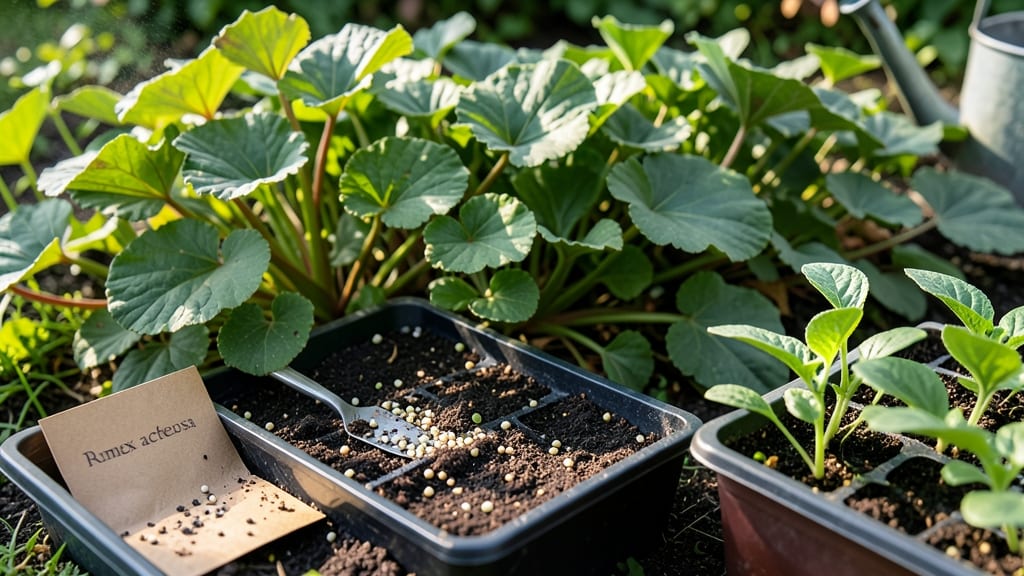
Large leaf sorrel seeds sprout in just 3-5 days—the fastest perennial I’ve ever grown. 🌱 That speed makes it perfect for filling gaps, edging beds, or adding a bold, tangy green to your garden (and kitchen).
The key is getting them started right, because once they pop, they spread fast and stay productive for years.
You’ll need a sunny spot with well-draining soil—sorrel tolerates partial shade but grows most aggressively in 4-6 hours of sun daily. A light mulch keeps moisture steady, and the plants handle drought surprisingly well once established.
The real magic happens when you see those first bright green leaves, which are packed with flavor and nutrients.
Harvest leaves anytime after they reach 2-3 inches, and the plants keep producing through frost. Watch for slugs in damp weather—they love young seedlings—but a simple beer trap solves the problem. The tangy, lemony taste makes it a standout in salads, soups, or as a cooked green.
Perfect for gardeners who want fast results, low maintenance, and dual-purpose plants that feed both you and pollinators. Start with just a handful of seeds—you’ll wish you’d planted more by summer’s end.
📚 In This Guide
- What you need
- Instructions
- Tips and common mistakes
- Wrapping up and next steps
What you need
- ● Large leaf sorrel seeds: 1–2 grams (enough for ~50–100 plants, depending on spacing). Opt for organic, non-GMO seeds for best results.
- ● Seed-starting mix: 1–2 gallons of sterile, well-draining potting soil (look for a blend labeled for vegetables or herbs).
- ● Containers: 2–4 small pots (4–6 inches deep) or a seed tray with individual cells (for transplanting later). Ensure they have drainage holes!
- ● Watering can or spray bottle: With a fine mist nozzle for gentle hydration.
- ○ Clear plastic domes or plastic wrap: To create a mini greenhouse effect (optional but helpful for germination).
- ○ Gloves (optional): To protect your hands from soil and sorrel’s slightly acidic sap.
- ● Plant labels: Waterproof markers or stakes to track your sorrel seedlings.
- ● Sunlight access: A sunny windowsill (south-facing) or a grow light (12–16 hours/day) for seedlings.
- ● Outdoor space (for transplanting): A garden bed or large containers (12+ inches deep) with partial shade (sorrel thrives in dappled light!).
- ○ Compost or fertilizer (optional): A balanced organic fertilizer (e.g., 5-5-5) to boost growth after transplanting.
Step-by-Step instructions for growing large leaf sorrel from seeds
Here's how to cultivate this fast-growing perennial with minimal fuss—perfect for shady spots and bold garden statements.
🌱 Step 1: Prepare the Planting Site for Fast Germination
Sorrel thrives in moist, well-draining soil with partial to full shade—ideal for understory planting or woodland gardens. Work in 2-3 inches of compost into the topsoil to improve fertility and moisture retention. Sorrel's rapid growth depends on nutrient-rich soil, so don't skimp on this step.
Loosen the soil to a depth of 6 inches with a fork or trowel, breaking up any compacted layers. Sorrel's shallow roots need easy access to moisture, so avoid heavy clay without amending it thoroughly. If your soil drains poorly, mix in 1 part perlite to 3 parts soil to prevent root rot—a common issue with this moisture-loving plant.
🌱 Step 2: Sow Seeds at the Right Depth and Spacing
Scatter seeds ¼ inch deep in early spring, just as soil temperatures reach 50°F. Sorrel germinates quickly in these conditions—expect sprouts in 7-14 days. Space seeds 12-18 inches apart for mature plants, as sorrel spreads via both seeds and creeping rhizomes.
Lightly cover seeds with a thin layer of soil or compost, then mist the area with water until the surface feels uniformly damp. Avoid heavy watering, which can bury seeds too deeply and delay germination. A fine spray bottle works best for even moisture distribution without disturbing the seeds.
💧 Step 3: Maintain Consistent Moisture for Vigorous Growth
Sorrel demands consistent moisture—never let the soil dry out completely. Water 2-3 times weekly during the first growing season, aiming for 1 inch of water per week. You'll know moisture is right when the top 1-2 inches of soil feel damp but not soggy to the touch.
Mulch with 2-3 inches of organic matter (like shredded leaves or straw) to retain moisture and suppress weeds. Sorrel's rapid growth makes it competitive, but weeds can still outpace it in dry conditions. Replenish mulch annually to maintain soil moisture and fertility.
☀️ Step 4: Provide Partial Shade and Monitor for Pests
Large leaf sorrel performs best in partial shade (3-6 hours of morning sun). Too much direct sunlight causes leaves to bolt prematurely, turning bitter. In hot climates, afternoon shade is critical—watch for leaf scorch if temperatures exceed 85°F. Adjust plant placement if edges brown.
Check undersides of leaves weekly for aphids or slugs, common pests that target tender sorrel foliage. Aphids cluster in curled leaves, while slugs leave irregular holes. Remove pests by hand or spray with neem oil solution (1 tsp per quart of water) for organic control. Sorrel's fast regrowth means minor damage won't stunt plants.
✂️ Step 5: Harvest and Prune for Continuous Production
Begin harvesting outer leaves when plants reach 6 inches tall, leaving inner growth to sustain production. Cut leaves 1-2 inches above the base to encourage bushier regrowth. Sorrel's bold, tangy flavor peaks when leaves are young—waiting too long reduces quality.
In late fall, trim back one-third of the foliage to redirect energy into root development. Sorrel's perennial nature means it returns stronger each year with proper winter care. In cold climates, apply 4-6 inches of mulch to protect roots from freezing temperatures.
Tips & tricks for perfect large leaf sorrel growth
These essential insights will help you cultivate vibrant, fast-growing sorrel that thrives year after year with minimal effort.
Soil Preparation Secret: The 2-3 inches of compost in Step 1 is non-negotiable for sorrel's rapid growth. Think of it as a nutrient boost that mimics its natural woodland habitat. If your soil is particularly dense, consider adding a handful of worm castings to the compost mix—they're packed with beneficial microbes that sorrel's shallow roots will love. This extra step prevents the root rot issues many gardeners face with moisture-loving plants.
Germination Timing Tip: Those 7-14 days for germination in Step 2 can feel like forever, but consistency is key. Keep the soil temperature at or above 50°F by using black plastic mulch if needed—this creates a microclimate that speeds up sprouting. I've seen germination happen in just 5 days when soil temps reach 60°F, but don't rush it; patience here prevents weak seedlings that struggle later.
Watering Wisdom: The 2-3 times weekly watering in Step 3 requires precision—this isn't a "set it and forget it" plant. Use your finger to check moisture at the 1-2 inch depth mentioned; if it feels dry, water immediately. Morning watering prevents fungal issues, and a drip irrigation system set to deliver 1 inch weekly automates this critical care without overwatering.
Pest Prevention: The neem oil solution in Step 4 is your first line of defense against aphids and slugs, but timing matters. Apply it in the early evening when pests are most active, and repeat every 7-10 days during growing season. For slugs specifically, create a barrier of crushed eggshells around plants—it's a natural deterrent that won't harm your sorrel.
Pro Tips for Large Leaf Sorrel Seeds
- These essential insights will help you cultivate vibrant, fast-growing sorrel that thrives year after year with minimal effort.
- Soil Preparation Secret: The 2-3 inches of compost in Step 1 is non-negotiable for sorrel's rapid growth.
- Germination Timing Tip: Those 7-14 days for germination in Step 2 can feel like forever, but consistency is key.
Frequently asked questions
about growing large leaf sorrel seeds—here’s what you need to know before diving in!How long does it take for large leaf sorrel seeds to germinate?
Large leaf sorrel seeds are fast germinators—typically sprouting within 7–14 days after planting, especially in warm, moist soil (60–75°F). For quicker results, pre-soak seeds for 4–6 hours or use a heat mat. Patience pays off, but don’t be surprised if tiny leaves peek through sooner than expected!
Is large leaf sorrel a perennial or annual?
This variety is a hardy perennial in USDA zones 3–9, meaning it’ll regrow year after year if given the right conditions (well-draining soil, partial shade, and consistent moisture). In colder zones, mulch helps protect roots over winter. Treat it like a low-maintenance superstar—it’ll bounce back stronger!
Can I grow large leaf sorrel from seed indoors before transplanting?
Start seeds 6–8 weeks before your last frost in biodegradable pots or seed trays with moist potting mix. Keep them under grow lights (or in a sunny window) and maintain soil temps around 65°F. Transplant seedlings outdoors once they’ve got 2–3 true leaves and night temps stay above 40°F.
What’s the best alternative if my sorrel seeds don’t sprout?
If germination fails, try these backups:
- Buy live plants from nurseries (look for organic or heirloom varieties).
- Grow from cuttings: Snip healthy leaves with stems, place in water until roots form (~1 week), then transplant.
- Try buckwheat or spinach as temporary edible green substitutes while you troubleshoot.
Why are my sorrel leaves turning yellow or wilted?
Yellowing leaves often signal overwatering or poor drainage. Sorrel prefers moist but not soggy soil—amend heavy clay with compost. Wilting could also mean underwatering or pests (like aphids). Inspect undersides of leaves and treat with neem oil if needed. Give it shade if your climate gets scorching!
How do I harvest large leaf sorrel for cooking?
Harvest outer leaves first to encourage bushier growth. Snip with clean scissors or pinch leaves at the base. For maximum flavor, pick young leaves—older ones get tangier! Store in a damp paper towel in the fridge for 5–7 days or freeze in ice cube trays for soups. Pro tip: Rinse leaves just before use to preserve their crisp texture.
Wrapping up and next steps
Growing large leaf sorrel seeds is a rewarding way to add vibrant, edible greens to your garden with minimal effort—thanks to their fast germination and perennial resilience!
Whether you’re a seasoned gardener or just starting, these bold leaves offer both beauty and utility, thriving in containers or garden beds alike. Ready to harvest fresh, tangy greens in as little as two weeks?
Your next step? Grab those seeds, prep your soil, and get planting! 🌱 With a little patience and care, you’ll soon enjoy a thriving sorrel patch that keeps giving year after year. Happy growing!