
Pests and Diseases
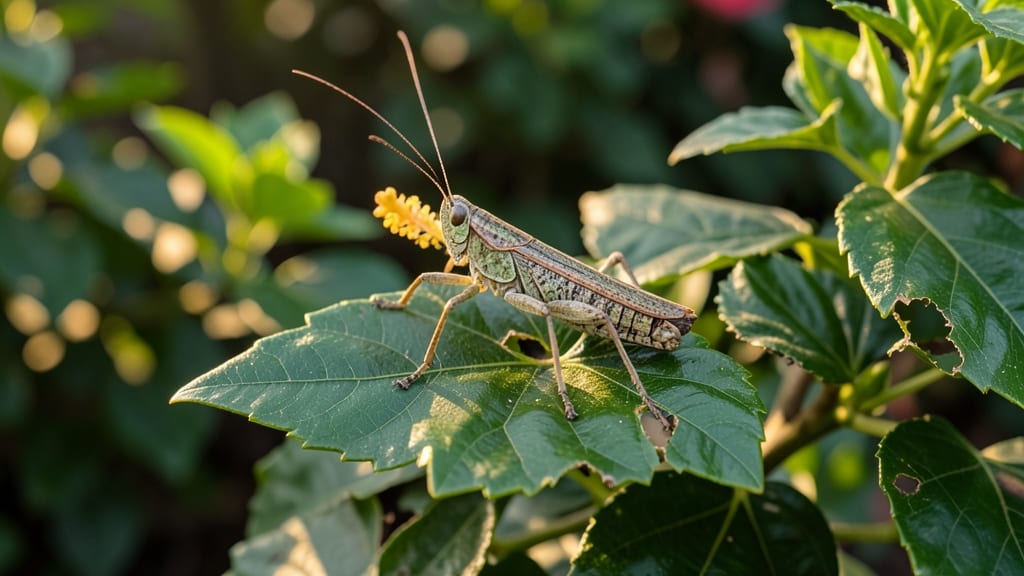
Katydid leaf damage turns your garden into a buffet of chewed edges and skeletonized foliage—until you recognize the patterns and act fast. 🌿 These large, leaf-mimicking insects prefer hostas, roses, and fruit trees, but they’ll happily munch on almost anything green.
The key to stopping them lies in spotting their telltale signs early: ragged leaf edges, notched stems, and the occasional egg sac hidden in plant crevices.
Most gardeners assume katydids are harmless, but they’re actually voracious eaters that multiply quickly in warm climates. Unlike caterpillars, they don’t spin webs or leave frass—they chew cleanly, often targeting the softest new growth.
My first year dealing with them, I lost half my raspberry canes before realizing the damage wasn’t from deer or rabbits, but from these masters of disguise lurking in the foliage.
Natural remedies start with physical removal—drop them in soapy water or relocate them to a less destructive spot. Neem oil sprays disrupt their feeding patterns, and introducing beneficial predators like spiders or birds (who adore their crunchy texture) helps long-term.
For severe infestations, insecticidal soap or horticultural oil works, but timing matters—apply when nymphs are active but before they mature into flighty adults.
Prevention is simpler than you’d think: remove egg sacs in early spring, prune dense foliage for better airflow, and monitor plants weekly. Katydids thrive in untamed gardens, so a little maintenance goes a long way.
With these strategies, you’ll reclaim your plants—and your peace of mind—before another season’s worth of damage piles up.
Root Causes of Leaf Damage
Katydids are fascinating insects, but when their populations explode, they can turn your garden into a buffet—leaving behind telltale signs of damage. Understanding why this happens helps you take targeted action. Below, we break down the key factors driving katydid leaf damage, from ecological imbalances to environmental triggers.
Katydids thrive when their natural predators—like birds, spiders, and parasitic wasps—are scarce. Here’s why this imbalance occurs:
- 📉 Declining Bird Populations: Urbanization and habitat loss reduce bird numbers, removing a primary katydid predator.
- 🦟 Pesticide Overuse: Broad-spectrum insecticides kill beneficial insects (e.g., ladybugs, lacewings) that keep katydid numbers in check.
- 🌱 Monoculture Landscaping: Planting large swaths of a single host plant (like oak or maple trees) creates a katydid buffet with no natural breaks.
- 🌡️ Mild Winters: Warmer climates allow katydids to survive harsher winters, leading to larger egg hatch rates the following spring.
Actionable Fix: Encourage biodiversity by planting native flowers, installing birdhouses, and avoiding chemical pesticides. Introduce predator-friendly plants like dill, fennel, or milkweed to attract beneficial insects.
Katydids are selective but voracious eaters. Their damage spikes when these conditions align:
- 🌳 Preferred Host Plants: They favor broadleaf trees (oak, maple, birch) and shrubs (azalea, rhododendron).
If these dominate your yard, expect more damage. - 🍃 New Growth Attraction: Katydids target tender, young leaves because they’re easier to digest and packed with nutrients. - 🌿 No Alternative Food Sources: If nearby wild areas lack katydid-resistant plants, your garden becomes the only option.
Actionable Fix:
- Deterrent Plants: Interplant katydid-resistant species like boxwood, holly, or pine trees.
- Prune Strategically: Remove heavily damaged leaves to reduce egg-laying sites (female katydids deposit eggs in leaf litter).
- Mulch Carefully: Avoid thick mulch layers near host plants—it provides shelter for katydid eggs.
Katydids are highly sensitive to weather patterns, which directly impact their life cycle and feeding behavior:
| Weather Factor | Impact on Katydids | Peak Damage Risk |
|---|---|---|
| 🌞 Warm, Dry Springs | Accelerates egg hatching and nymph growth, leading to larger populations early. | May–June |
| ☔ Heavy Rainfall | Washes away egg predators (like ants) and softens leaves, making them easier to eat. | Late summer–fall |
| 🌡️ Heatwaves | Stresses plants, making them more susceptible to feeding damage. | July–August |
| 🍂 Early Fall Warmth | Extends the adult katydid season, giving them more time to lay eggs. | September–October |
Actionable Fix:
- Monitor Forecasts: If your area predicts a warm, dry spring, prepare for early katydid outbreaks.
- Irrigation Control: Avoid overwatering host plants—stressed leaves attract more feeding.
- Fall Cleanup: Rake and remove leaf litter in autumn to disrupt egg-laying cycles.
Sometimes, well-meaning gardening practices backfire. Here’s how human intervention worsens katydid outbreaks:
- 🚜 Over-Tilling Soil: Disturbs katydid egg pods buried in the ground, triggering synchronized hatching. - 🌱 Excessive Fertilizer Use: Lush, fast-growing plants are katydid magnets.
Slow-release, organic fertilizers are less appealing. - 🏡 Light Pollution: Artificial lights attract adult katydids, increasing mating and egg-laying near homes. - 🛒 Imported Plants: Non-native species may lack co-evolved defenses, making them easy targets.
Actionable Fix:
- Soil Health: Use compost instead of synthetic fertilizers to promote balanced plant growth.
- Outdoor Lighting: Switch to warm, low-intensity bulbs (or motion-activated lights) to deter katydids.
- Native Plant Selection: Choose locally adapted species that have evolved with katydid predators.
Some katydids develop resistance to natural defenses, making them harder to control:
- 🦟 Parasite Resistance: Certain katydid species have evolved to avoid common parasitic wasps that typically regulate their populations.
- 🍃 Plant Toxin Tolerance: Over time, katydids may adapt to feed on plants with mild toxins (e.g., some evergreens), reducing your options for natural deterrents.
Actionable Fix:
- Rotate Control Methods: Combine physical removal, biological controls (like nematodes), and cultural practices to avoid resistance buildup.
- Test Small Areas: Before treating large sections, apply remedies to a small patch to monitor effectiveness.
Katydid leaf damage isn’t random—it’s the result of ecological imbalances, plant preferences, weather patterns, and human habits. By addressing these root causes, you can disrupt their life cycle and protect your garden naturally. The best defense? A mix of biodiversity, smart landscaping, and proactive monitoring. 🌱🔍
Fixing Katydid Leaf Damage Naturally
Katydids may seem harmless, but their leaf-munching habits can leave your plants looking ragged. The good news? You can tackle the problem without harsh chemicals. Below, we’ve mapped out practical, eco-friendly fixes based on the root cause of the damage—whether it’s an infestation, environmental stress, or poor plant health.
Plus, we’ll share prevention tips to keep your garden katydid-free long-term.
If your plants are under heavy siege from katydids, the first step is to cut their numbers without harming beneficial insects.
🔥 Handpick and Relocate (Best for Small Gardens)
- Why it works: Katydids are slow-moving and easy to spot, especially in the early morning or evening when they’re less active.
- How to do it:
- Wear gloves and inspect leaves, stems, and undersides of foliage.
- Gently pluck katydids (adults and nymphs) into a bucket of soapy water (1 tsp dish soap per gallon).
- Alternative: Place them in a mesh bag and release them far from your garden (at least 50+ feet away) to avoid re-infestation.
- Pro tip: 💡 Check after rain—katydids are sluggish and easier to catch when wet.
🍳 Use DIY Traps (Non-Toxic but Effective)
- Why it works: Katydids are attracted to fermenting fruits, yeast, or beer traps, which lure them away from plants.
- How to make a trap:
- Fill a small container (like a plastic cup or jar) with apple cider vinegar + a few drops of dish soap.
- Bury it neck-deep in the soil near affected plants.
- Check daily and dispose of trapped katydids in soapy water.
- Pro tip: 🌡️ Place traps in shady, humid areas—katydids thrive in these conditions.
👨🍳 Introduce Natural Predators (Long-Term Solution)
- Why it works: Birds, parasitic wasps, and spider predators (like wolf spiders) naturally control katydid populations.
- How to encourage them:
- Install birdhouses and bat boxes near your garden.
- Avoid broad-spectrum pesticides (they kill beneficial insects too).
- Plant native wildflowers (like milkweed or goldenrod) to attract predator species.
If katydids are taking advantage of weak plants, focus on strengthening your foliage so it can tolerate (and recover from) damage.
🥘 Improve Soil Health (Prevents Weak Growth)
- Why it works: Healthy soil = stronger plants that bounce back faster.
- How to do it:
- Test your soil (pH should be 6.0–7.0 for most plants).
- Add compost or aged manure to improve nutrients.
- Use mulch (straw or wood chips) to retain moisture and suppress weeds (which attract katydids).
- Pro tip: ✨ Avoid over-fertilizing with nitrogen—it makes plants softer and more appealing to chewers.
🔪 Prune Damaged Leaves (Encourages New Growth)
- Why it works: Removing severely chewed leaves helps the plant redirect energy to healthy growth.
- How to do it:
- Use clean, sharp pruners to snip off only the most damaged parts.
- Don’t over-prune—remove no more than 20–30% of the foliage at once.
- Dispose of clippings in a sealed bag (don’t compost heavily infested leaves).
- Pro tip: 🎯 Prune in the early morning—plants recover better when temperatures are cooler.
💧 Adjust Watering Practices (Deters Katydids)
- Why it works: Katydids love damp, humid conditions—overwatering can invite them.
- How to fix it:
- Water deeply but less frequently (encourages stronger roots).
- Water at the base (not overhead) to reduce leaf moisture.
- Improve drainage if your soil stays soggy (add perlite or sand).
- Pro tip: 🌡️ Water in the early morning so leaves dry quickly—katydids avoid dry foliage.
The best remedy? Stop them before they start. Here’s how to create a katydid-resistant garden:
| Problem | Solution | When to Do It |
|---|---|---|
| Weeds & debris | Remove dead leaves, weeds, and mulch from garden beds. | Weekly (especially after rain) |
| Overcrowded plants | Space plants properly (katydids hide in dense foliage). | At planting time |
| Night-blooming flowers | Avoid strongly scented night-bloomers (like jasmine or honeysuckle). | When selecting plants |
| Standing water | Fix leaky hoses, clogged gutters, or low spots where water pools. | After heavy rain |
| Monoculture gardens | Plant diverse species (katydids prefer large patches of one plant). | During garden redesign |
🌟 Bonus: Plant Katydid-Repellent Companions
Some plants naturally deter katydids with strong scents. Try:
- Basil, mint, or lavender (near entry points).
- Marigolds or chrysanthemums (contain pyrethrin, a natural insect repellent).
- Garlic or chives (plant around the garden perimeter).
Final Thought: 🎯 Combine 2–3 methods for the best results—handpicking + traps + soil improvement works faster than any single fix. With patience, your plants will recover their lushness, and your garden will become a katydid-free zone!
Frequently asked questions
How do I tell if katydids—not grasshoppers or crickets—are causing my leaf damage?
Katydids leave distinct signs: irregular, notched edges on leaves (not the clean cuts of grasshoppers) and often target new growth. Look for egg pods hidden in leaf litter—katydid eggs resemble tiny foam cups. Unlike crickets, katydids are daytime feeders and mimic leaves to blend in.
Can katydids harm fruit trees or vegetable gardens?
Yes! They especially love apple, peach, and raspberry leaves, but will also chew tomatoes, beans, and squash. The damage is most noticeable on young leaves and buds, which can stunt fruit production. Monitor plants weekly during warm months for early signs.
Will neem oil or insecticidal soap actually kill katydids?
Neem oil disrupts their feeding and may kill nymphs, but adults are tougher. Insecticidal soap works best on smaller nymphs—spray directly on the insects (not just leaves) when temperatures are below 85°F. For severe cases, combine with handpicking for faster results.
Why do katydids seem to disappear after a few weeks?
Katydids have a short adult lifespan (about 2-3 months) and lay eggs that hatch in 6-8 weeks. Once adults die, their numbers drop—but their eggs may still be buried in soil, waiting to hatch next season. Fall cleanup helps break this cycle.
Are katydids harmful to humans or pets?
No! Katydids are harmless to people and pets—they don’t bite, sting, or carry diseases. Some pets (like birds) may eat them, but they’re not a threat. The only risk is plant damage, which can stress your garden’s ecosystem.