
Pests and Diseases
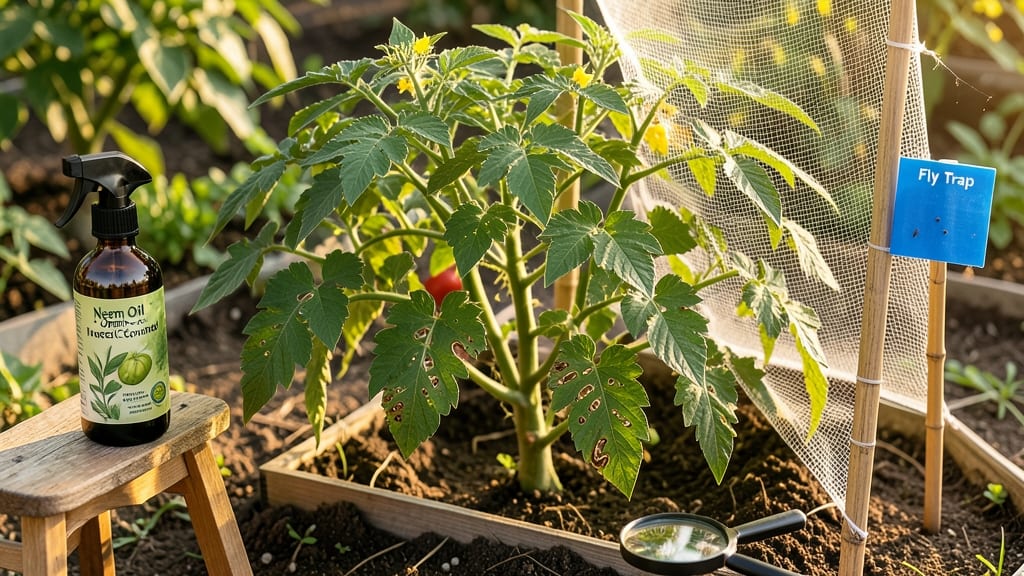
How to prevent leaf miners from turning your lush foliage into a skeleton act before you even notice. 🌿 I’ve watched these tiny pests carve winding tunnels through basil, tomatoes, and citrus leaves—until I learned the early signs and how to stop them before they ruin a whole plant. The key? Catching them before the damage spreads.
These pests start as eggs laid on the undersides of leaves, then hatch into larvae that munch through the leaf tissue. By the time you see the telltale serpentine trails, it’s often too late for that leaf—but not for the whole plant.
The good news? You can prevent an infestation with simple checks like inspecting new plants, removing damaged leaves, and encouraging predators like lacewings.
With the right mix of sanitation, beneficial insects, and occasional neem oil sprays, you’ll keep your plants thriving. The first step is knowing what to look for—tiny white eggs, pale squiggly trails, or leaves that look like they’ve been sanded down.
Once you spot these, you can act fast and save your garden.
This method works for backyard gardens, raised beds, and even container plants. The sooner you intervene, the less damage you’ll see—and the more time you’ll spend enjoying healthy, pest-free foliage. Let’s get started with the steps that actually work.
Root Causes Of Leaf Miner Infestations
Leaf miners are sneaky pests that turn your lush green leaves into unsightly, serpentine tunnels—leaving plants weakened and stressed. But why do these tiny larvae show up in the first place?
Understanding the root causes helps you take proactive steps to stop them before they strike. Here’s a breakdown of the most common triggers:
Leaf miners thrive when plants are already struggling. A plant’s natural defenses weaken due to:
- Nutrient deficiencies: Low nitrogen, phosphorus, or potassium levels make plants more vulnerable. These nutrients support cell wall strength and pest resistance.
- Water stress: Overwatering or drought weakens foliage, making it easier for larvae to burrow in. Fun fact: Overwatered plants create the perfect damp environment for eggs to hatch faster!
- Poor air circulation: Dense foliage or crowded plants trap humidity, creating ideal conditions for leaf miner eggs to develop.
Actionable insight: Regularly check soil moisture, prune for airflow, and use balanced fertilizers to keep plants robust.
The lifecycle starts with the adult leaf miner fly (often Liriomyza species). These tiny, delicate flies:
- Lay eggs on the underside of leaves: Females insert eggs just beneath the leaf surface using their ovipositor. A single female can lay 200+ eggs in her lifetime!
- Target stressed or young leaves: They prefer tender, new growth where larvae can feed without resistance.
- Are attracted to yellowing or damaged leaves: Flies use visual cues to find weakened plants, so any existing damage (even from other pests) can trigger an infestation.
Key detail: Eggs hatch in 3–7 days, so early detection is critical. Adult flies are most active in warm, humid conditions (60–85°F).
Leaf miners don’t just appear randomly—they’re drawn to specific environmental factors:
| Factor | Why It Matters | How to Adjust |
|---|---|---|
| 🌡️ Warm Temperatures (70–85°F) | Speeds up egg hatching and larval growth. Larvae develop faster in heat. | Use shade cloth in peak summer or monitor greenhouses for overheating. |
| 💧 High Humidity | Moisture helps eggs survive longer and larvae thrive. Stagnant air = pest paradise. | Improve ventilation with fans or open vents. Avoid overhead watering. |
| 🌿 Overcrowded Plants | Limited airflow and trapped moisture create a breeding ground. | Space plants 12–18 inches apart. Prune regularly to reduce density. |
Pro tip: Leaf miners are less active in cooler weather (below 60°F). Use this to your advantage by monitoring plants closely in spring and fall.
Not all plants are equally tempting to leaf miners. Common targets include:
- Vegetables: Basil, beans, brassicas (cabbage, broccoli), cucumbers, peppers, and tomatoes are top choices due to their soft leaves.
- Herbs: Dill, parsley, and cilantro are magnets for flies.
- Ornamentals: Geraniums, petunias, and impatiens often show signs early.
- Fruit Trees: Citrus, avocado, and stone fruits (peaches, plums) are at risk.
Why? These plants often have thin, tender leaves that larvae can easily penetrate. Resistant varieties (like some heirloom tomatoes) may offer better protection.
By addressing these root causes—plant health, fly behavior, environmental factors, and plant choice—you can disrupt the leaf miner lifecycle before it starts. Stay tuned for actionable prevention strategies in the next section!
Quick Fixes for Leaf Miner Damage
Leaf miners can turn your lush plants into a sad, skeletonized mess—but don’t panic! With the right approach, you can stop the damage in its tracks and keep your garden thriving.
Below, we break down practical solutions based on the root cause, from organic fixes to preventative measures. Let’s tackle this step by step.
If you’ve spotted serpentine tunnels or blotchy, brown patches, the larvae are already feeding. Act fast with these direct solutions:
🔥 Handpick and Destroy Larvae (Best for Small Infestations)
- Inspect leaves under bright light—look for tiny white or green maggots (larvae) wriggling inside.
- Gently remove affected leaves (wear gloves!) and drop them into soapy water to drown the larvae.
- Check daily for new activity, especially on new growth or young leaves.
- Compost the leaves only if sealed—larvae can survive in open piles.
✨ Pro Tip: Do this early in the morning when larvae are sluggish and easier to spot.
🍳 Spray with Organic Insecticides (Safe & Effective)
If handpicking isn’t enough, neem oil or insecticidal soap can smother larvae without harming plants.
How to Apply:
- Mix 1 tsp neem oil + 1 tsp mild soap + 1 quart water in a spray bottle.
- Spray undersides of leaves (where larvae hide) every 5–7 days until no new mines appear.
- Reapply after rain—water washes away the treatment.
💡 Warning: Avoid spraying direct sunlight—it can burn leaves. Do it early morning or late evening.
👨🍳 Introduce Beneficial Predators (Long-Term Control)
Nature’s cleanup crew can eat larvae before they hatch!
Try these: - Parasitic wasps (Diglyphus isaea or Chrysocharis parksi)—lay eggs inside leaf miner larvae. - Ladybugs (adults and larvae) devour eggs and young miners. - Ground beetles patrol soil and eat pupating larvae.
🔥 Where to Get Them: Order from garden centers or online suppliers (e.g., Arbico Organics, Gardeners.com).
Once you’ve dealt with the current outbreak, keep miners away with these preventative strategies:
🌡️ Maintain Plant Health (Weak Plants Attract Pests)
Leaf miners target stressed plants. Boost resilience with:
- Regular watering (keep soil evenly moist, not soggy).
- Balanced fertilizer (too much nitrogen = soft, tasty leaves).
- Prune damaged leaves to reduce hiding spots.
🎯 Quick Fix: Mulch around plants—it retains moisture and deters adult flies from laying eggs.
🔪 Use Physical Barriers (Block Egg-Laying Adults)
Adult leaf miners (tiny flies) lay eggs on leaf surfaces.
Stop them with: - Floating row covers (lightweight fabric over plants). - Sticky traps (yellow or blue cards coated in petroleum jelly) to catch adults. - Aluminum foil collars around stems (confuses flies).
✨ Pro Tip: Shake plants gently in the morning—adults are clumsy and may fall off!
🌱 Rotate and Diversify Plants (Break the Cycle)
Leaf miners specialize in certain plants. Disrupt their life cycle by:
- Avoiding monocultures (don’t plant the same species in large groups).
- Interplanting with herbs (basil, mint, or dill repel miners).
- Removing volunteer seedlings (wild hosts attract miners).
💡 Example: If your tomatoes are infested, plant marigolds nearby—they deter pests naturally.
| Season | Action Step | Why It Works |
|---|---|---|
| Early Spring | Apply neem oil spray before flies emerge | Kills overwintering pupae in soil. |
| Summer | Handpick larvae weekly + use row covers | Stops new eggs from hatching. |
| Fall | Clean up debris (leaves, mulch) | Removes pupating larvae for next year. |
| Winter | Check stored plants (houseplants) | Larvae can hide in pots—inspect closely. |
Final Reminder: Consistency is key! Check plants weekly, especially new growth, and act at the first sign of mines. With these steps, you’ll keep your garden leaf miner-free—and your plants happy and healthy! 🌱🚫🐛
Frequently asked questions
What are the first signs of a leaf miner infestation?
Look for tiny white eggs on leaf undersides or pale, squiggly trails inside leaves—these are the larvae feeding. Later, you’ll see brown, dried patches where the leaf tissue has been destroyed. Check new growth first, as miners target tender leaves.
Can I use homemade sprays to prevent leaf miners?
Yes! Mix 1 tsp neem oil + 1 tsp mild soap + 1 quart water in a spray bottle. Apply to leaf undersides every 5–7 days during warm months. For extra protection, add a few drops of garlic or chili pepper oil—these repel adult flies naturally.
How do I know if my houseplants are at risk?
Houseplants like citrus trees, ferns, and coleus are common targets. Inspect leaves weekly, especially if you’ve brought new plants indoors. Keep humidity moderate (leaf miners love damp conditions) and avoid overwatering—soggy soil attracts them.
Will removing just the damaged leaves stop an infestation?
Not always. Larvae can pupate in soil or hidden leaves, so remove ALL affected foliage and drop it in soapy water. For severe cases, combine removal with neem oil sprays and beneficial nematodes (like Steinernema feltiae) to kill pupating larvae in the soil.
Are there leaf miner-resistant plant varieties?
Some heirloom varieties are tougher, like ‘Cherokee Purple’ tomatoes or ‘Genovese’ basil. For ornamentals, try geraniums with thick leaves or marigolds (they repel miners naturally). Always rotate crops yearly to break the pest cycle.