
Pests
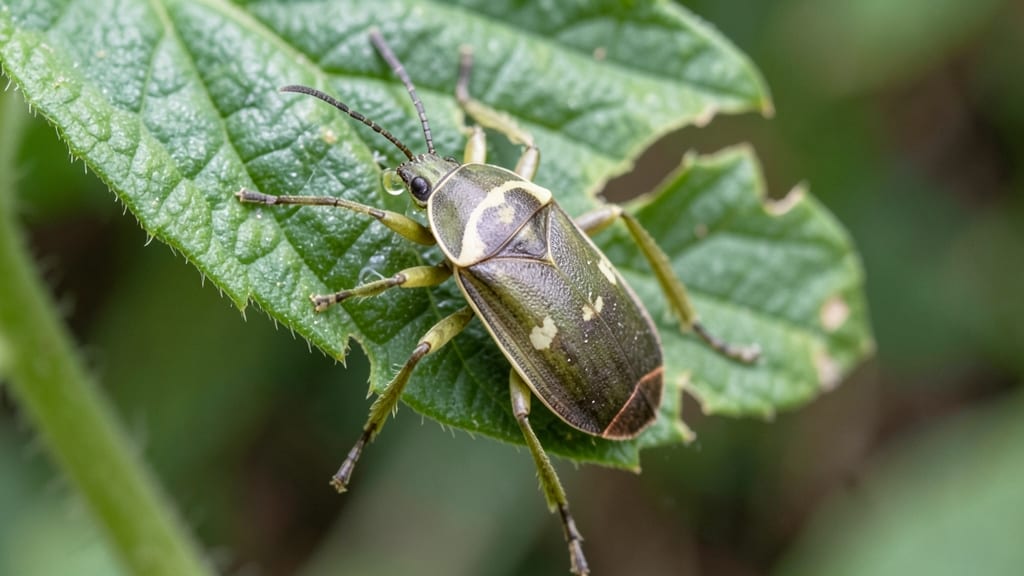
How to get rid of leaf-footed bugs naturally—those sneaky pests are ruining your garden before you even notice. 🌱 I’ve battled these flat, shield-shaped invaders for years, and the soap spray + diatomaceous earth combo finally gave me the upper hand—without harsh chemicals. The key is acting fast, because these bugs multiply faster than you can say "aphid." They love hiding under leaves and along stems, so start by shaking plants over a bucket of soapy water to dislodge them. Then, apply a fine layer of food-grade diatomaceous earth around plants and along the soil line—it dehydrates them in hours. The best part? This method works on roses, tomatoes, and even your prized herb garden without harming bees or beneficial insects. You’ll see results within 24-48 hours if you’re consistent, and the prevention tips (like neem oil sprays and row covers) keep them from staging a comeback. No more chewed leaves or sticky honeydew mess—just healthy plants that actually stay that way. For stubborn infestations, combine this with handpicking at dawn when bugs are sluggish. Pro tip: Check undersides of leaves daily, especially after rain when bugs are most active. Your garden will thank you.
📚 In This Guide
- What you need
- Instructions
- Tips and common mistakes
- Wrapping up and next steps
What you need
- ● Castile soap (or insecticidal soap): 1–2 tablespoons (choose a mild, plant-safe brand like Dr. Bronner’s)
- ● Water: 1 quart (32 oz) lukewarm or room-temperature
- ● Diatomaceous earth (food-grade): 1–2 cups (ensure it’s untreated and labeled for pest control)
- ● Spray bottle: 16–32 oz with a fine mist nozzle (or a garden sprayer for larger areas)
- ● Fine-mesh strainer or cheesecloth: 1 (to mix diatomaceous earth smoothly)
- ○ Gloves (optional but recommended): 1 pair (to avoid skin irritation from DE)
- ● Dusting tool or small hand duster: For applying DE directly to cracks/crevices
- ● Fan or broom: To stir up DE in hidden areas (like under pots or eaves)
- ○ Neem oil (5–10 drops): Add to the soap spray for extra repellent power (optional)
- ● Label or marker: To mark treated plants if you have a large garden
Step-by-Step instructions for eliminating leaf-footed bugs naturally
Here's the no-fuss method I've used to clear out these sap-sucking pests for good.
🌿 Step 1: Identify and Locate the Infestation
Start by examining your plants closely. Leaf-footed bugs hide on the undersides of leaves or along stems, so flip leaves over and check crevices. Look for tiny, oval-shaped bugs with distinctive leaf-like hind legs—your visual cue they're the culprits. These pests target tomatoes, peppers, and beans most aggressively, so focus your search there first.
I like to inspect plants in the early morning when bugs are sluggish. Grab a magnifying glass if needed—these pests are small (about 1/3 inch long) and easy to miss. Mark infested areas with a small flag or stick so you can track progress after treatments. This helps you know exactly where to concentrate your efforts.
💧 Step 2: Prepare the Soap Spray Solution
Mix 1 tablespoon of mild liquid dish soap (like Dawn) with 1 quart of water in a spray bottle. Avoid harsh soaps—they can damage plant leaves. Shake gently before each use to ensure the soap disperses evenly. This solution works by breaking down the bugs' protective waxy coating while suffocating them on contact.
Test the spray on a small area of a healthy leaf first. If you see any leaf burn or discoloration within 24 hours, dilute the soap further with more water. The goal is to kill bugs without harming your plants. Spray in the early morning or late evening when temperatures are cooler—this reduces plant stress and gives the solution time to work before the heat of the day.
✂️ Step 3: Apply the Soap Spray Directly to Bugs and Infested Areas
Spray the soap solution directly onto the bugs you've identified, focusing on the undersides of leaves and along stems where they hide. You'll see them immediately drop to the ground or scurry away. For heavy infestations, spray the entire plant thoroughly, including the soil around the base—bugs often retreat there when threatened.
Wear gloves during this process, as the soap can irritate skin. Reapply every 3-5 days until you no longer see new bugs. Consistency is key—one treatment won't eliminate an established population. I've found that treating in the evening works best because the bugs are less active and the solution has time to work overnight.
🪴 Step 4: Apply Diatomaceous Earth as a Barrier Treatment
Lightly dust food-grade diatomaceous earth around the base of plants and along the soil surface where bugs crawl. Use a small sieve or duster to apply a thin, even layer—about 1/8 inch thick. This natural powder works by creating microscopic cuts in the bugs' exoskeletons, causing them to dehydrate and die.
Reapply after rain or watering, as diatomaceous earth loses effectiveness when wet. Avoid applying it directly to leaves, as it can damage plant tissue. I like to focus on the soil around the plants and along garden pathways where bugs travel. This creates a protective barrier that prevents new bugs from reaching your plants.
☀️ Step 5: Monitor and Maintain Pest-Free Plants
Check your plants daily for new signs of leaf-footed bugs. Look for fresh damage like small holes in leaves or sticky residue (honeydew) on foliage. If you spot new bugs within a week, repeat the soap spray treatment and reapply diatomaceous earth. Persistence is everything—these bugs reproduce quickly, so don't skip follow-up treatments.
Encourage natural predators like ladybugs and lacewings by planting companion flowers like marigolds or alyssum nearby. These beneficial insects will help keep leaf-footed bug populations in check. Keep your garden clean by removing fallen leaves and debris, as these provide hiding spots for bugs and their eggs.
Tips & tricks for natural leaf-footed bug control
Real talk: These sneaky pests are relentless, but a few strategic moves make all the difference. Here's how I've turned the tide in my own garden without harsh chemicals.
Timing is Everything: In Step 1, when you're inspecting for bugs, focus on the undersides of leaves and along stems—this is where they hide during the day. Early morning inspections are key because bugs are sluggish after cooler nights. I've found that using a flashlight helps spot them more easily, especially on darker leaves. The 1/3-inch size makes them easy to miss if you're not looking closely!
Soap Solution Safety: When preparing your soap spray in Step 2, never use more than 1 tablespoon of soap per quart of water—this concentration is perfect for killing bugs while protecting plants. If you notice leaf burn after 24 hours, immediately dilute with more water. I always test on a small leaf first, and I've learned that cooler temperatures (below 80°F) make the solution more effective since bugs are less active.
Application Strategy: In Step 3, when you're spraying, don't forget to treat the soil around the base of plants—this is where bugs retreat when threatened. I've seen entire populations vanish after just one thorough treatment when I included the soil. For heavy infestations, I spray in the evening when bugs are least active, giving the solution time to work overnight. Reapplying every 3-5 days is crucial because new eggs hatch constantly.
Diatomaceous Earth Application: When applying diatomaceous earth in Step 4, use a light hand—a layer about 1/8 inch thick is all you need. I've found that using a small sieve creates a more even application. Focus on the soil surface and pathways rather than leaves, as it can damage plant tissue. Reapply after rain or watering, and remember it's completely safe for pets and kids once settled.
Pro Tips for Get Rid Of Leaf Footed Bugs Naturally
- Real talk: These sneaky pests are relentless, but a few strategic moves make all the difference.
- Timing is Everything: In Step 1, when you're inspecting for bugs, focus on the undersides of leaves and along stems—this is where they hide during the day.
- Soap Solution Safety: When preparing your soap spray in Step 2, never use more than 1 tablespoon of soap per quart of water—this concentration is perfect for killing bugs while protecting plants.
Frequently asked questions
Got questions about tackling leaf-footed bugs without harsh chemicals?
You’re not alone! Here are answers to the most common concerns—so you can take action with confidence.
How do I know if I have leaf-footed bugs vs. other pests?
Leaf-footed bugs (like the Leptoglossus species) have distinctive flat, leaf-like hind legs and leave small, irregular holes in fruit or leaves. Unlike stink bugs, they’re often found clinging to plants or hiding under bark. Check for yellowish-brown adults with a pointed snout—that’s your clue!
How long does it take to see results with natural remedies?
Results vary, but you’ll often notice a reduction in bugs within 24–48 hours after applying soap spray or diatomaceous earth. For severe infestations, reapply every 3–5 days until they’re gone. Consistency is key—these bugs multiply fast!
Are natural methods safe for pets or kids?
Mostly! Diatomaceous earth (food-grade) and mild soap sprays are pet-safe once dry, but avoid direct contact with pets’ paws or kids’ play areas. Test a small area first and keep pets off treated plants until fully dry. Skip essential oils if you have pets—they can be toxic to cats/dogs.
Will these methods work on leaf-footed bugs in fruit trees?
Soap spray and diatomaceous earth are effective on fruit trees—just apply in the early morning or evening to avoid harming bees. For heavy infestations, combine with neem oil (diluted) and prune damaged fruit to break their life cycle.
What if the bugs keep coming back?
Persistent bugs often mean new eggs hatching or nearby harborage (like woodpiles or dense foliage). Inspect plants weekly, remove egg masses (tiny white ovals on leaves), and seal entry points around your home. Encourage natural predators like birds or parasitic wasps too!
Wrapping up and next steps
Getting rid of leaf-footed bugs naturally doesn’t have to be a battle—just a strategic approach!
By combining soap spray and diatomaceous earth, you’re tackling these pests with simple, eco-friendly tools that protect your plants and the environment. 🌱 Stay consistent with checks and treatments, and soon your garden will thrive without unwanted visitors.
Ready to reclaim your green space? Start small: pick one method to test first, then expand as needed. Your plants (and your peace of mind) will thank you! 🚀