Vegetables
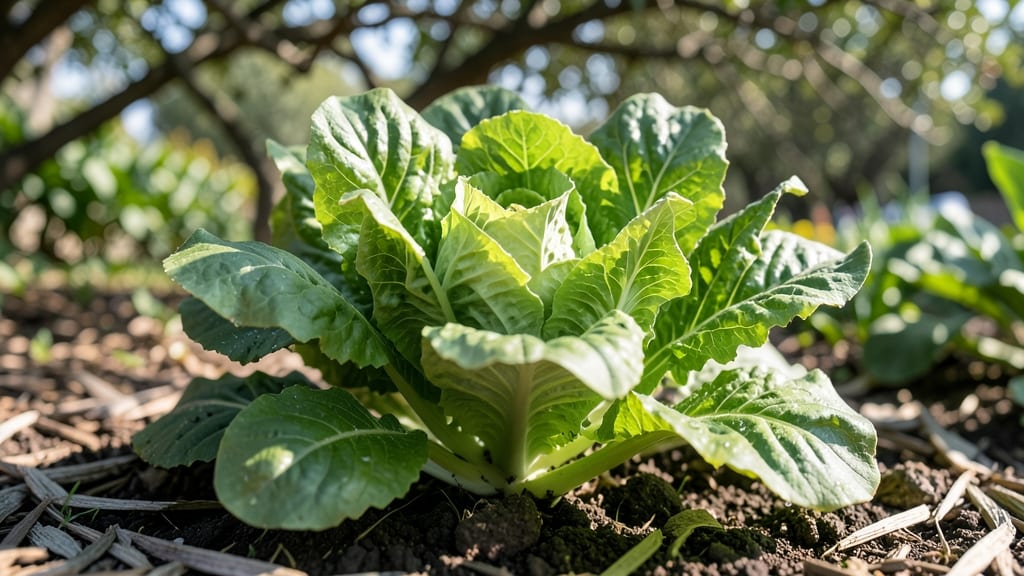
Growing crisp green leaf lettuce in just 30 days feels like a magic trick—until you know the secret. 🌱 The key isn’t fancy equipment or perfect timing; it’s matching the plant’s love of cool weather and consistent moisture to your garden’s conditions.
I’ve grown this variety for years, and I’ve cracked the code on avoiding the bitter, bolted mess that ruins so many lettuce crops.
Start with seeds or seedlings in well-draining soil enriched with compost, and keep them in partial shade during peak summer heat. Water deeply twice a week (more in heatwaves) to encourage those tight, crisp heads.
The real game-changer? A shade cloth on hot afternoons—it keeps leaves tender and prevents bolting before harvest. Most gardeners overlook this simple step, but it’s what turns good lettuce into restaurant-quality greens.
By day 30, you’ll be harvesting plump, buttery leaves that stay crisp even after washing. The secret’s in the timing: plant successive batches every 2 weeks for a continuous supply, and you’ll never buy wilted store lettuce again.
Even in hot climates, this method works—just move plants to cooler microclimates like under trees or near foundations.
Bolting? Yellowing leaves? Don’t panic. A quick fix is mulching to keep roots cool and harvesting outer leaves to encourage regrowth. With these tricks, you’ll enjoy fresh salads straight from your garden for months—no greenhouse or hydroponics required. Let’s get those seeds in the ground!
📚 In This Guide
- What you need
- Instructions
- Tips and common mistakes
- Wrapping up and next steps
What you need
- ● Green leaf lettuce seeds: 1 packet (about 50-100 seeds, non-GMO preferred for best flavor). Look for varieties like Black Seeded Simpson or Buttercrunch for reliable results.
- ● Growing containers: Option 1: Seed trays or starter pots (3-4" deep, 2-3" diameter) – 12-24 units.
- ● Option 2: Garden bed (6-12" deep, well-draining soil, partial shade in hot climates).
- ● Option 3: Window boxes or raised beds (minimum 6" depth, drainage holes).
- ● High-quality potting mix: 1 bag (sterilized, seed-starting blend with perlite or vermiculite for aeration). Avoid garden soil—it’s too dense!
- ○ Organic compost or worm castings: 1 cup (optional but boosts nutrient density).
- ● Slow-release fertilizer: 1 tbsp (balanced 10-10-10 or organic options like fish emulsion).
- ● Spray bottle (for gentle watering during germination).
- ● Hand trowel or small shovel (for transplanting).
- ○ Gloves (optional, to protect hands from soil and prickly stems).
- ○ Mulch or shade cloth (30-50% shade fabric, optional for hot climates to prevent bolting).
- ○ pH test kit (optional but helpful—ideal soil pH: 6.0-7.0).
- ● Time commitment: 5-10 minutes daily for watering + 30 days to harvest.
- ● Location: Spot with 4-6 hours of indirect sunlight (morning sun is ideal). Avoid harsh afternoon rays.
- ● Climate awareness: Start seeds indoors 4-6 weeks before last frost (or direct-sow in mild climates).
- ● Patience: Lettuce loves consistency—bolting (going to seed) happens with stress (heat, drought, or overcrowding).
Step-by-step guide to growing crisp green leaf lettuce heads
Here's how I grow perfectly crisp, bolt-resistant lettuce heads in under a month—no heat stress, no bitter surprises.
🌱 Step 1: Prepare the Perfect Growing Site
Lettuce thrives in cool temperatures between 60-65°F, so choose a spot that gets 4-6 hours of morning sun and afternoon shade—this prevents bolting. I always test the soil first with a pH meter; lettuce prefers 6.0-7.0 pH. If your soil is heavy clay, mix in 2-3 inches of compost to improve drainage and nutrient availability.
For container growing, use a 6-inch deep pot with drainage holes. Fill with a lightweight seed-starting mix that holds moisture but doesn't compact. Press the soil surface lightly so it's firm enough to support seedlings but still loose for roots. This ensures your lettuce won't develop waterlogged roots or weak stems.
💧 Step 2: Sow Seeds for Even Germination
Scatter seeds ¼ inch deep and ½ inch apart—lettuce seeds are tiny, so I use a toothpick to space them evenly. Cover lightly with additional mix, then mist gently with water until the surface looks uniformly damp but not soggy. Overwatering at this stage can cause seeds to wash away or develop fungal issues.
Place the container or row under a clear plastic dome or row cover to retain moisture and warmth. Keep the soil temperature at 70-75°F for fastest germination, which typically occurs in 7-14 days. You'll know it's working when you see tiny green sprouts pushing through the soil—this is your signal to remove the cover immediately to prevent damping-off.
☀️ Step 3: Maintain Consistent Moisture and Light
Water lettuce every 2-3 days when the top inch of soil feels dry to the touch. I use a watering can with a fine rose to avoid disturbing the seedlings. Direct streams of water can uproot young plants or create muddy soil that smothers them. Always water at the base to keep leaves dry and prevent fungal diseases like downy mildew.
Thin seedlings to 2 inches apart once they develop their first true leaves. Use scissors to snip unwanted plants at soil level—this prevents disturbing the roots of remaining seedlings. Strong, evenly spaced plants will form crisp heads in 30 days if given consistent moisture and 4-6 hours of morning sun.
✂️ Step 4: Harvest at Peak Crispness
Harvest lettuce when the heads reach 3-4 inches in diameter and leaves are fully formed but still tender. I cut the entire head at the base with clean shears, leaving a ½ inch of stem to encourage regrowth. For cut-and-come-again harvests, snip the outer leaves when they reach 2 inches long, leaving the inner leaves to continue growing.
This method gives you 4-6 weeks of continuous harvests from a single planting. Store harvested lettuce in a plastic bag with a paper towel in the fridge to maintain crispness for up to 10 days. If you notice bitter flavors, your lettuce is bolting—this happens when temperatures exceed 75°F, so provide afternoon shade immediately.
Tips & tricks for perfect green leaf lettuce
Here's what nobody tells you about growing lettuce that stays crisp and bolt-free—these are the secrets I wish I'd known when I first started.
Temperature Control: The 60-65°F range is non-negotiable for crisp lettuce. If your summer temperatures climb above 75°F, provide afternoon shade using a simple shade cloth or even a white bedsheet draped over a frame. I've found that moving containers to a shadier spot during peak afternoon sun can extend your growing season by weeks. The key is keeping those leaves cool while still getting the essential morning sunlight for photosynthesis.
Soil Preparation Strategy: For container growing, I've had the most success with a mix that's 60% seed-starting mix and 40% perlite. This combination prevents compaction while still retaining moisture—lettuce roots need air but can't handle soggy conditions. In garden beds, work in 2-3 inches of compost before planting, but don't overdo it. Too much compost can create a nitrogen-rich environment that encourages leafy growth at the expense of head formation.
Germination Secret: The 70-75°F soil temperature window for germination is tight, but don't panic if it takes up to 14 days. Place your seed trays on a heat mat if your home stays cool, or nestle them against a sunny window. Once those sprouts appear, remove the cover immediately—even a day too long can cause damping-off. I've seen entire trays lost to this fungal disease when growers forget to check daily.
Thinning Technique: When thinning seedlings to 2 inches apart, use clean scissors to snip at soil level rather than pulling. This prevents disturbing the roots of your remaining plants. I've found that thinning at the first true leaf stage gives the strongest plants. If you're short on space, you can thin slightly later (to 1.5 inches) but be prepared for slightly smaller heads.
Pro Tips for Green Leaf Lettice
- Here's what nobody tells you about growing lettuce that stays crisp and bolt-free—these are the secrets I wish I'd kn...
- Temperature Control: The 60-65°F range is non-negotiable for crisp lettuce. If your summer temperatures climb above 7...
- Soil Preparation Strategy: For container growing, I've had the most success with a mix that's 60% seed-starting mix a...
Frequently asked questions
Got questions about growing green leaf lettuce like a pro? You’re in the right place! Here are answers to the most common queries—from timing to troubleshooting—so you can harvest crisp, fresh heads in no time.
How long does it take for green leaf lettuce to mature?
Green leaf lettuce is one of the fastest-growing lettuces! With the right conditions, you can expect crisp, edible leaves in 30–40 days from seed. If you’re starting with transplants, look for harvest-ready leaves in just 25–35 days. Patience pays off—harvest outer leaves first to encourage continuous growth!
Why is my green leaf lettuce bolting (going to seed) too soon?
Bolting happens when lettuce senses stress—often from heat, drought, or long daylight hours. To prevent it:
- Plant in cool seasons (spring/fall) or use shade cloth in summer.
- Keep soil consistently moist but not soggy.
- Choose bolt-resistant varieties like ‘Black Seeded Simpson’ or ‘Salad Bowl.’
Can I grow green leaf lettuce in containers or small spaces?
Green leaf lettuce thrives in containers as small as 6–8 inches deep and wide. Use well-draining soil, place pots in partial shade (especially in hot climates), and fertilize lightly every 2–3 weeks. Just ensure containers have drainage holes to avoid root rot.
What can I substitute if I can’t find green leaf lettuce seeds?
No seeds? No problem! Try these similar leafy greens for quick harvests:
- Butter lettuce – Softer, sweeter, and slower to bolt.
- Oakleaf lettuce – Heat-tolerant with pretty, ruffled leaves.
- Spinach or arugula – Fast-growing alternatives (though arugula is peppery!).
What pests should I watch for with green leaf lettuce?
Common pests include:
- Aphids – Tiny green/black bugs on leaves (blast off with water or use neem oil).
- Slugs/snails – Leave slimy trails at night (set beer traps or use diatomaceous earth).
- Flea beetles – Tiny holes in leaves (cover seedlings with row fabric).
Wrapping up and next steps
Growing green leaf lettuce at home is a rewarding journey that brings fresh, crisp greens straight to your plate—without the hassle of bolting! 🌱 With the right materials, a little patience, and these proven tips, you’ll enjoy a bountiful harvest in just 30 days.
Whether you’re a beginner or a seasoned gardener, this versatile leafy green is a game-changer for quick, nutritious meals.
Ready to dive in? Start small—pick a sunny spot, gather your supplies, and plant your first seeds today! Soon, you’ll be savoring homegrown salads with pride. Happy growing! 🌿