
Pruning
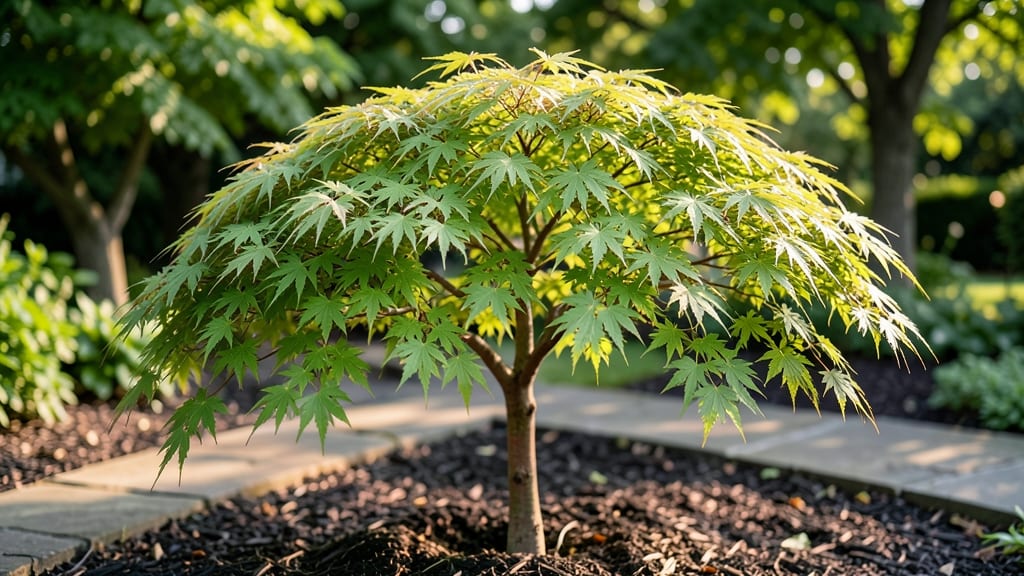
Your green leaf Japanese maple tree could be the star of your garden—if you prune it right. ✂️ These vibrant trees stay lush year-round, but their delicate branches need careful cuts to maintain that cascading beauty without stressing the plant.
I’ve pruned mine for five seasons, and the difference between a healthy, vibrant tree and one struggling with bare spots comes down to timing, technique, and a little patience.
The key is light, strategic pruning—never more than 25% of the foliage at once. Start in late winter before buds swell, then do light maintenance in summer to shape growth.
Green leaf varieties like Acer palmatum 'Green Cascade' handle pruning better than red-leaf types, but they still need sharp, clean cuts just above a bud or branch collar. Avoid heavy trimming in fall, or you risk winter dieback.
What you’ll end up with is a tree that looks nearly as stunning in winter as it does in spring, with bright green foliage that turns golden-yellow in fall instead of fiery red.
The branches grow denser, the leaves stay larger, and you avoid the common mistake of over-pruning that leaves maples looking like sad, skeletal shadows of their former selves.
Works for small gardens, container plantings, or as a focal point in larger landscapes. The same principles apply whether you’re shaping a 6-foot dwarf or a 12-foot standard—just adjust the scale. Here’s how to keep yours thriving for decades.
📚 In This Guide
- What you need
- Instructions
- Tips and common mistakes
- Wrapping up and next steps
What you need
- ● Pruning shears: Bypass pruners (sharp, clean, and bypass-style for clean cuts—avoid anvil shears!). Quantity: 1 pair.
- ● Loppers: For thicker branches (½"–1.5" diameter). Quantity: 1 pair.
- ● Pruning saw: For branches >1.5" in diameter. Specs: Curved blade, 8–10" length. Quantity: 1.
- ● Disinfectant: 70% isopropyl alcohol or pruning sealant (to prevent disease spread). Quantity: Small bottle.
- ● Gloves: Heavy-duty gardening gloves (protects from thorns and sap). Quantity: 1 pair.
- ○ Extension pole: Optional but helpful for high branches (3–6 ft). Quantity: 1.
- ● Bucket or tarp: For collecting debris. Quantity: 1.
- ● Hand pruners: For small, detailed cuts (great for shaping). Quantity: 1 pair.
- ● Pruning paint/sealant: For large cuts (>1" diameter) to protect the tree. Quantity: Small tube.
- ● Ladder: If your tree is tall (ensure it’s stable and rated for your weight).
- ● Notebook/pencil: To jot down notes on cuts or tree health observations.
- ● Tree growth regulator: (e.g., hormone paste) for stubborn branches.
Step-by-Step instructions for pruning a green leaf Japanese Maple tree
Here's how I keep my green leaf Japanese maple looking stunning year after year—no fancy tools required.
✂️ Step 1: Prune in Late Winter or Early Spring
Time your cuts for late February to early March when the tree is still dormant but just before new growth begins. This timing ensures you remove dead wood while preserving the tree's energy reserves. I always prune on a dry day—wet branches are heavier and harder to handle, plus moisture can slow healing.
Start by removing any dead, diseased, or crossing branches first. These are your top priorities because they compete with healthy growth or risk spreading problems. Use sharp bypass pruners to make clean cuts just outside the branch collar—the swollen area where the branch meets the trunk. This prevents unsightly stubs that can rot over time.
🌿 Step 2: Thin the Canopy for Better Airflow
Step back and examine the tree's structure. Your goal is to create an open, airy shape that lets sunlight reach all branches. I focus on removing 15-20% of the total foliage in one session—never more, or you'll shock the tree. Look for branches growing inward or rubbing against others; these are the first to go.
For thicker branches over ½ inch, use three cuts: start with an undercut, then a top cut, and finally a clean removal cut. For smaller branches, a single cut is fine. Always make cuts at a 45-degree angle just above a leaf node or bud. This encourages new growth in the right direction and keeps the tree's natural shape intact.
☀️ Step 3: Shape Gradually for Year-Round Appeal
Japanese maples respond best to light, annual shaping rather than dramatic changes. I avoid heavy pruning in summer—it stresses the tree and can lead to weak growth. Instead, I do a quick check in early summer to remove any water sprouts (fast-growing, upright shoots) that pop up.
For color maintenance, focus on preserving the tree's natural form rather than forcing a rigid shape. The green leaf variety thrives when you let its graceful, layered branches develop. If you notice leggy growth reaching upward, prune the topmost leaves to encourage bushier, denser foliage. Watch for new leaves emerging in spring—they'll tell you if you've pruned too aggressively (small, sparse leaves) or too lightly (long, weak stems).
⏰ Step 4: Clean Up and Monitor for Recovery
After pruning, rake up all debris and dispose of it—don't leave clippings under the tree. This prevents fungal diseases from taking hold. I also disinfect my pruners with rubbing alcohol between cuts on different branches to avoid spreading any potential infections.
Over the next 4-6 weeks, keep an eye on the tree's recovery. Healthy new growth should appear within that time, and the leaves should remain vibrant. If you see yellowing or wilting, it might mean you pruned too late or too heavily. In that case, hold off on further pruning until next season.
Tips & tricks for pruning a green leaf Japanese Maple
Here's what I've learned after years of pruning these stunning trees—these details make all the difference.
Timing is Everything: That late February to early March window is critical because it's when the tree is still dormant but just waking up. If you prune too early, you risk encouraging new growth that might get damaged by late frosts. I've witnessed firsthand how trees pruned in January can develop frost damage on fresh shoots—so mark your calendar for that exact window.
Branch Collar Matters: When making cuts in Step 1, resist the urge to cut flush with the trunk. Always leave that branch collar intact—it's the tree's natural healing seal. I've seen too many pruning jobs where clean cuts were made right at the trunk, leading to slow healing and even rot. That swollen area isn't just decoration; it's the tree's built-in protection system.
Canopy Thinning Strategy: For that 15-20% foliage removal in Step 2, I recommend working in sections. Start from the inside of the tree and work your way out—this creates that open, airy shape without leaving bald spots. Another pro move: remove branches that are growing straight up. These vertical branches block sunlight from reaching lower leaves and create a "bottlebrush" effect that's unattractive.
Recovery Signs to Watch: Those 4-6 weeks of monitoring are your chance to see if you did it right. Healthy new growth should appear within 3 weeks, and leaves should be vibrant green. If you see yellowing leaves or weak stems, it's a sign you pruned too aggressively. I once over-pruned a young maple and had to wait an entire year before attempting shaping again—don't make my mistake!
Pro Tips for Green Leaf Japanese Maple Tree
- Here's what I've learned after years of pruning these stunning trees—these details make all the difference.
- Timing is Everything: That late February to early March window is critical because it's when the tree is still dormant but just waking up.
- Branch Collar Matters: When making cuts in Step 1, resist the urge to cut flush with the trunk.
Frequently asked questions
When is the best time to prune a green leaf Japanese maple?
The ideal time is late winter or early spring (before buds swell) or summer after flowering. Avoid pruning in fall or winter, as cold stress can harm the tree. For minor shaping, summer pruning is gentler and promotes new growth. Pro tip: If you must prune in winter, do it on a mild day to reduce shock.
How do I prune a green leaf Japanese maple to maintain its vibrant color?
Focus on removing dead, diseased, or crossing branches first. Thin out dense areas to improve airflow and sunlight penetration—this prevents fungal issues and keeps leaves lush. Use clean, sharp tools and make cuts just outside the branch collar. Avoid heavy pruning; these trees are sensitive to over-trimming. Bonus: Prune lightly in spring to encourage fresh, bright foliage!
Can I prune a green leaf Japanese maple in summer?
Yes! Summer pruning (after June) is perfect for shaping and removing suckers or water sprouts. Just avoid heavy cuts—stick to 25% or less of the canopy to prevent stress. Prune on a cool, overcast day to reduce water loss. Warning: Never prune during heatwaves or droughts.
What should I do if my green leaf Japanese maple’s leaves turn yellow or brown?
Yellowing leaves often signal overwatering, nutrient deficiency, or fungal issues. Check soil moisture (it should be evenly damp, not soggy) and adjust watering. Brown edges may mean underwatering or salt buildup (flush soil with water). If spots appear, treat with neem oil or copper fungicide. Quick fix: Mulch around the base to retain moisture and improve root health.
Are there alternatives to green leaf Japanese maple for small gardens?
If space is limited, consider these low-maintenance, compact options:
- Bloodgood Japanese Maple – Deep red foliage, disease-resistant, and slow-growing.
- Emperor I Japanese Maple – Upright form with vibrant green leaves, great for tight spots.
- Dwarf Korean Maple – Tiny size (6–8 ft tall) with stunning fall color.
- Seven Sons Japanese Maple – Unique seven-lobed leaves, cold-hardy, and adaptable.
Tip: All these varieties thrive in partial shade and well-drained soil—just like the green leaf type!
Wrapping up and next steps
The Green Leaf Japanese Maple is a stunning addition to any garden, offering vibrant foliage and year-round beauty—when cared for properly.
Pruning with precision ensures its health, shape, and that iconic green glow thrives. 🌿 With the right tools, timing, and techniques, you’ll unlock its full potential and enjoy its elegance for seasons to come.
Ready to give your maple the love it deserves? Grab your pruners and start planning your next pruning session—your tree (and your garden!) will thank you. Happy gardening! 🌱