
Pests and Diseases
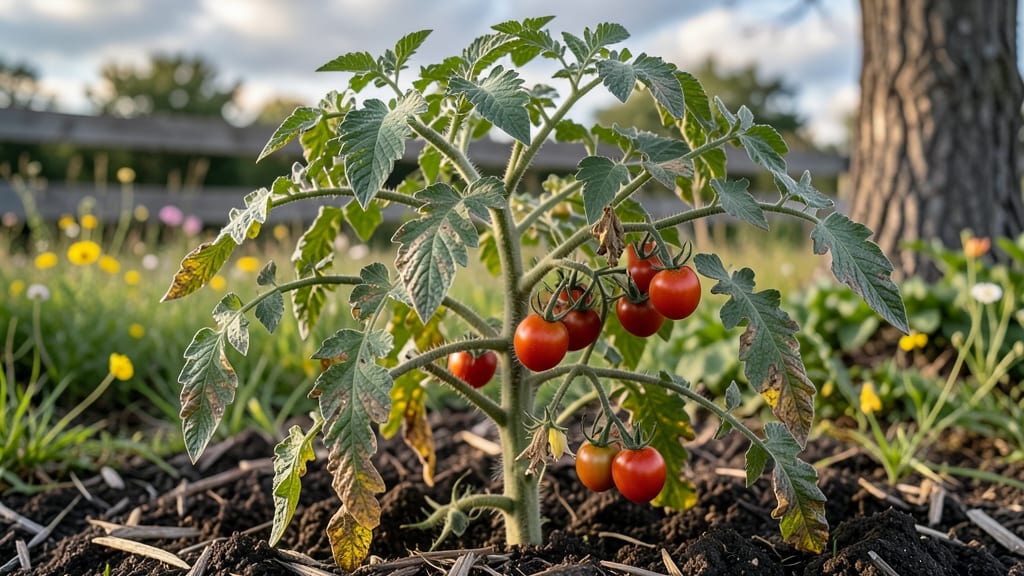
Gray leaf spot turns your tomato plants into a sad, spotted mess—unless you act fast. 🌱 I’ve saved dozens of plants from this fungal nightmare using a simple copper spray technique that stops the spread within 72 hours and restores leaves to near-normal in days.
The telltale signs are gray or brown spots with yellow halos, often starting on lower leaves. Left unchecked, the fungus spreads like wildfire in humid conditions, choking airflow and robbing your plants of energy. The good news?
Copper spray disrupts the fungal cycle without harming beneficial insects, making it a safe, effective first line of defense. You’ll need copper fungicide (like Bordeaux mixture or liquid copper), a spray bottle, and a calm evening to apply it.
Remove infected leaves first—don’t compost them—and spray both sides of healthy foliage. Reapply every 7-10 days or after rain to keep the fungus at bay. This method works for all tomato varieties, from heirlooms to hybrids, and prevents future outbreaks when combined with proper spacing and pruning.
Let’s get those plants fighting back!
Understanding Fungal Triggers
Gray leaf spot in tomatoes isn’t just a random cosmetic issue—it’s a fungal invasion with specific triggers that turn your lush tomato plants into a battleground. The culprit, Alternaria solani, thrives under the right conditions, and understanding these causes is your first line of defense.
Let’s break down the why behind this stubborn disease so you can stop it before it starts.
The Alternaria solani fungus loves heat and moisture—think of it as the tropical vacation spot for pathogens. Here’s how it works:
- Temperature: The fungus explodes in growth when daytime temps hover between 75–85°F (24–29°C). Cooler mornings (50–60°F / 10–15°C) with warm afternoons create the perfect diurnal swing for spore production.
- Humidity: 90%+ relative humidity for prolonged periods (like overnight dew or rain) keeps fungal spores sticky and active. High humidity also delays leaf drying, giving spores more time to infect.
- Rainfall: Heavy or frequent rain splashes spores from infected debris (like old plant material) onto healthy leaves, acting like a fungal sprinkler system.
Actionable insight: If your region has hot, muggy summers, monitor plants closely during these windows. Prune for airflow and avoid overhead watering to disrupt the fungus’s party.
Fungal spores can’t spread if they can’t move. Dense, crowded tomato plants create a perfect fungal nursery because:
- Stagnant air: Without airflow, humidity lingers around leaves, creating a microclimate that’s ideal for spore germination.
- Wet foliage: Leaves that stay damp for more than 6–12 hours give spores the moisture they need to penetrate plant tissue.
- Overhead watering: Water droplets become tiny fungal taxis, carrying spores directly to leaves.
Pro tip: 💡 Alternaria solani can’t survive in dry conditions—so space plants 18–24 inches apart and use drip irrigation to keep leaves dry.
This fungus is a survivor. It can lie dormant in soil or plant debris for years, waiting for the right moment to strike. Here’s how it hides:
- Infected plant remains: Leaves, stems, or fruit from last season’s infected tomatoes can harbor spores. If you don’t remove them, they’re like fungal time bombs.
- Contaminated compost: Using compost with diseased plant material spreads Alternaria solani like wildfire.
- Tool contamination: Pruners, stakes, or trellises used on infected plants can transfer spores to healthy ones.
Critical step: 🔥 Always remove and dispose of infected plant material (don’t compost it!). Sterilize tools with a 10% bleach solution or rubbing alcohol between uses.
When tomato plants are stressed, their natural defenses drop—and Alternaria solani takes advantage. Common stressors include:
- Nutrient deficiencies: Lack of potassium or nitrogen weakens cell walls, making them easier targets for fungal invasion.
- Overwatering or drought: Both extremes disrupt root health, reducing the plant’s ability to fight off pathogens.
- Physical damage: Hail, wind, or rough handling create entry wounds for spores to exploit.
- Transplant shock: Moving seedlings or mature plants without proper acclimation stresses them, lowering resistance.
Fix it: 🌱 Maintain consistent moisture, use a balanced fertilizer (like 10-10-10), and avoid rough handling of plants. Harden off seedlings gradually before transplanting.
Now that you know the why, the next step is how to fight back—fast. Copper sprays aren’t just a bandage; they’re a fungal disruptor that can turn the tide in just 72 hours.
Quick Fixes for Fungal Foliar Frenzy
If your tomato plants are battling gray leaf spot (caused by the fungus Stemphylium solani), don’t panic—there are actionable ways to revive them fast. The key is to act early and combine copper-based treatments with cultural fixes to break the fungal cycle.
Below, we map the most common causes to their solutions, plus prevention tips to keep your plants thriving.
Fungal spores spread like wildfire when left unchecked. The first step? Prune aggressively.
- 🍳 Snip and toss: Use sterilized pruners to cut off all leaves with gray or tan spots (including yellowing ones). Dispose of them in the trash not the compost—this fungus thrives there.
- 👨🍳 Focus on lower leaves: These touch the soil and are the first to show symptoms. Prioritize removing them to improve airflow and reduce humidity near the plant base.
- ⏰ Do this daily: Check plants every morning for new spots. Early removal stops the fungus from spreading to fruit.
Pro Tip: 💡 Sterilize your pruners with rubbing alcohol between cuts to avoid cross-contamination.
Copper fungicides are the gold standard for gray leaf spot because they disrupt the fungus’s cell membrane. For a 72-hour revival, use a homemade or commercial copper spray at the first sign of spots.
🔪 DIY Copper Spray Recipe (Safe & Effective)
| Ingredient | Amount | Notes |
|---|---|---|
| Copper sulfate (or copper fungicide) | 1 tsp (for 1 gallon of water) | Use only food-safe copper (like Bonide Copper Fungicide). Avoid overuse—it can harm plants in high doses. |
| Neem oil (optional) | 1 tsp | Enhances antifungal properties and deters pests. |
| Dish soap (liquid, not powder) | ½ tsp | Acts as a sticker so the spray adheres to leaves. |
| Water | 1 gallon | Use lukewarm water to dissolve ingredients fully. |
Application Steps:
- 🌡️ Mix in a spray bottle or pump sprayer. Shake well before each use.
- 🎯 Spray undersides of leaves first—that’s where spores hide!
- ✨ Apply in the early morning or late evening. Avoid spraying in direct sunlight (can burn leaves).
- 🔄 Reapply every 7–10 days or after rain (copper washes off).
Pro Tip: 🌡️ If temps are above 90°F, reduce copper concentration by half to prevent leaf scorch.
A weak plant is an open invitation to fungi. Strengthen your tomatoes with these preventive power moves:
✨ Improve Airflow & Reduce Humidity
- 💡 Space plants 18–24 inches apart. Crowding traps moisture, perfect for fungal growth.
- 🌡️ Water at the base, not overhead. Use drip irrigation or soaker hoses to keep leaves dry.
- 🌿 Prune suckers regularly. Less foliage = better airflow.
💪 Fertilize Smartly
Over-fertilizing with nitrogen leads to soft, sappy leaves that fungi love. Instead:
- 📊 Use a balanced fertilizer (10-10-10 or 5-5-5).
- 💪 Add compost or worm castings for slow-release nutrients and microbial protection.
- ❌ Avoid fresh manure. It’s too rich and can burn roots, stressing plants.
🌱 Rotate Crops & Sanitize Tools
Gray leaf spot can linger in soil for years. Break the cycle with:
- 🌿 Plant tomatoes in a new location next season.
- 🔪 Sterilize garden tools with a 10% bleach solution (1 part bleach to 9 parts water).
- 🏡 Clean greenhouse benches with a 1% copper solution if you’re growing in controlled environments.
Remember: The faster you act, the faster your tomatoes bounce back. Combine pruning + copper sprays + airflow fixes, and you’ll see new, healthy growth within days. Stay vigilant, and your plants will thank you with spotless perfection!
Frequently asked questions about gray leaf spot in tomatoes
How do I tell if my tomato leaves have gray leaf spot vs. another disease?
Gray leaf spot shows up as gray or brown spots with yellow halos, often starting on lower leaves. Unlike early blight (which has concentric rings), these spots are irregularly shaped and may have a velvety texture when spores form. Check the undersides too—spores appear as black specks there.
Will copper spray harm my tomato plants if I use it too often?
Copper can cause leaf burn if overused, especially in hot weather (>90°F). Stick to the 1 tsp per gallon ratio and reduce to ½ tsp in extreme heat. Always apply in early morning/evening to avoid sun exposure. For heavy use, alternate with neem oil to give leaves a break.
Can I still harvest tomatoes from plants with gray leaf spot?
Yes, but focus on removing infected leaves first to protect remaining fruit. The fungus rarely spreads to tomatoes themselves, but heavy infestations can reduce plant vigor. Harvest only fully ripe fruit—green tomatoes may have lower quality. Prune aggressively to redirect energy to fruit production.
Why does gray leaf spot keep coming back even after I treat it?
This usually means spores remain in your garden. The fungus survives in old plant debris and soil for years. Fix this by rotating crops (don't plant tomatoes in the same spot for 3 years), sterilizing tools, and removing all infected material (don't compost it!). Add mulch to block spores from splashing up.
Are there organic alternatives to copper spray for gray leaf spot?
Yes! Try these natural remedies (though copper remains most effective): baking soda spray (1 tbsp baking soda + 1 tsp oil + 1 gallon water), hydrogen peroxide (1 tbsp 3% H₂O₂ per quart of water), or garlic spray (blended garlic + water). Reapply every 5-7 days and combine with pruning for best results.