
Planting
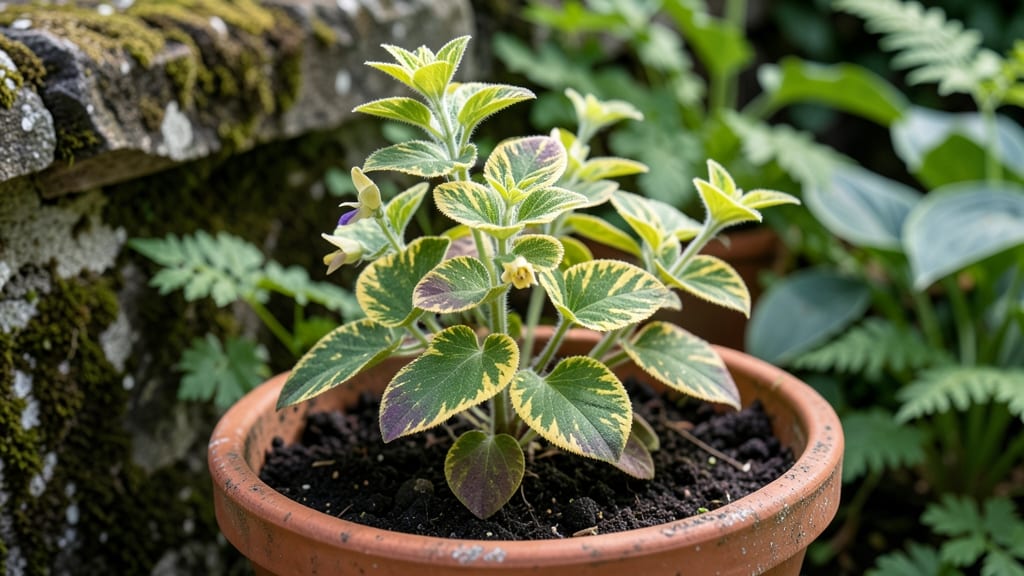
That fuzzy leaf plant weed creeping into your garden isn’t just unsightly—it’s stealing nutrients and crowding out your prized plants. 🌿 I’ve battled these velvety invaders for years, and the secret weapon? A simple soil pH adjustment that sends them packing while reviving your garden’s vibrancy in days.
The problem starts with acidic soil, which fuzzy weeds like lamb’s ear and ground ivy thrive in. They outcompete your flowers and veggies, leaving bare patches where nothing grows.
But here’s the fix: a quick soil test and a handful of garden lime or wood ash to raise the pH slightly. Within 2-3 weeks, you’ll see those fuzzy leaves yellow and wither while your other plants perk up.
What you’ll end up with is a garden where your intended plants—tomatoes, marigolds, or herbs—take center stage again. The fuzzy weeds won’t just disappear; they’ll stay gone, and your soil will support the plants you want to grow. No harsh chemicals needed—just a little chemistry.
Works in vegetable beds, flower borders, and even container gardens. Let’s get your garden back to lush and intentional!
Understanding Fuzzy Leaf Plant Struggles
If your fuzzy leaf plant (like a Lamium, Plectranthus, or Coleus) is turning yellow, wilting, or developing unsightly brown patches, acidic soil is often the hidden villain.
But why does this happen? Let’s break down the science behind the issue and how soil pH plays a critical role in plant health.
Plants rely on soil to absorb essential nutrients like nitrogen, phosphorus, and potassium. However, when soil becomes too alkaline (high pH), these nutrients bind tightly to soil particles, making them inaccessible to plant roots.
Fuzzy leaf plants, which often thrive in slightly acidic to neutral conditions (pH 6.0–7.0), suffer when soil pH strays from this range.
- 🔬 How it happens: Alkaline soil (pH > 7.0) locks up iron, manganese, and zinc—nutrients crucial for chlorophyll production and leaf health. Without these, leaves turn yellow (chlorosis) or develop fuzzy, weak growth.
- 🌱 Actionable fix: Test your soil’s pH with a kit or meter. If it’s above 7.0, amend it with sulfur or peat moss to lower pH gradually.
Fuzzy leaf plants hate soggy roots. When soil stays waterlogged, oxygen is depleted, and beneficial microbes that help nutrient absorption die off. This stress forces plants to divert energy away from leaf development, leading to weak, fuzzy, or discolored foliage.
- 💦 Why it happens:
- Compacted or clay-heavy soil traps water, suffocating roots.
- Overzealous watering (especially without drainage holes) drowns roots.
- 🌿 Quick fixes:
- Ensure pots have drainage holes and use a well-draining cactus or African violet mix.
- Water only when the top inch of soil is dry—never on a schedule.
Acidic soil isn’t just about pH—it also affects microbial life. Fuzzy, moldy growth or slimy stems often signal fungal infections (like powdery mildew or root rot) or bacterial issues, which flourish when soil pH is off or moisture is excessive.
- 🦠 How pathogens exploit weak plants:
- Alkaline soil weakens natural defenses, making plants vulnerable to Botrytis (gray mold) or Pythium (root rot).
- Fuzzy, white, or black spots on leaves? That’s often fungal spores feasting on stressed foliage.
- 🛡️ Prevention tips:
- Sterilize pots with a 10% bleach solution before replanting.
- Apply neem oil or copper fungicide if you spot fuzzy growth.
Fuzzy leaf plants are sensitive to sudden changes. Too much direct sun (especially in alkaline soil) causes leaf scorch, while cold drafts weaken their structure, leading to limp, fuzzy, or stunted growth.
- ☀️🌡️ Why it backfires:
- Alkaline soil + intense heat = nutrient burn (leaves crisp or turn fuzzy).
- Cold drafts slow nutrient uptake, causing weak, fuzzy new growth.
- 🌿 Ideal conditions:
- Indirect light (east or north-facing windows) for most fuzzy leaf plants.
- Avoid placing near AC vents or doors—keep temps between 65–75°F (18–24°C).
Now that you know the root causes, the next step is fixing them—starting with soil pH adjustments for a lush, weed-free revival! 🌱
Quick Fixes for Acidic Soil Woes
If your fuzzy leaf plant (or any green friend) is struggling due to acidic soil, don’t panic—there are simple, effective ways to restore balance and bring back that lush, vibrant look.
Below, we’ve mapped out practical solutions based on the most common causes, along with prevention tips to keep your plants thriving long-term.
If soil pH is too low (below 6.0), your fuzzy leaf plant may show signs of stress like yellowing leaves, stunted growth, or even browning edges. Here’s how to fix it:
⚗️ Adjust pH with Lime or Wood Ash
For a quick boost, sprinkle garden lime (calcium carbonate) or wood ash (from untreated wood) into the soil. Work it in gently with a trowel, then water thoroughly.
- Dosage: Start with ½ cup per gallon of soil and monitor after 2–3 weeks.
- Pro Tip: Test soil pH again after 4–6 weeks to avoid overcorrecting (pH test kits are cheap and easy to use!).
🌱 Mix in Organic Matter
Amend the soil with compost, peat moss, or well-rotted manure to buffer acidity naturally. These materials improve soil structure and gradually raise pH over time.
- Best for: Long-term soil health (works best in pots or garden beds).
- 💡 Tip: Avoid fresh manure—it can burn roots due to high ammonia levels.
Acidic soil often locks out essential nutrients like phosphorus, calcium, and magnesium. If your fuzzy leaf plant looks pale or weak, it might be starving—even with "fertile" soil.
🌿 Use a Balanced Fertilizer
Switch to a slow-release, balanced fertilizer (like 10-10-10) or one formulated for foliage plants. Avoid high-nitrogen fertilizers alone—they can worsen acidity.
- How to apply: Follow package instructions, but reduce by 25% if your plant is still adjusting.
- ✨ Pro Tip: Flush the soil with water every 2–3 months to prevent salt buildup from fertilizers.
🥄 DIY Eggshell or Banana Peel Tea
For a natural calcium and potassium boost, brew a simple fertilizer tea:
- Crush 3–4 eggshells or 2 banana peels and steep in 2 cups of warm water for 24 hours.
- Strain and dilute with 1 cup of water before pouring into the soil.
- Use every 4–6 weeks.
Waterlogged or compacted soil traps acidity and prevents roots from accessing oxygen. If your plant’s leaves are yellowing or wilting despite watering, drainage might be the culprit.
🔪 Improve Soil Aeration
Loosen the soil around the roots with a fork or your fingers, then mix in perlite, sand, or coconut coir to create air pockets.
- For pots: Repot into a container with drainage holes and fresh, amended soil.
- For garden beds: Add a 1–2 inch layer of gravel or compost on top to improve airflow.
⏰ Water Wisely
Overwatering acidifies soil faster. Let the top inch of soil dry out between waterings, and always use room-temperature water (cold water can shock roots).
- 💡 Tip: Use a moisture meter to avoid guesswork—most fuzzy leaf plants prefer slightly moist (not soggy) soil.
Once you’ve fixed the soil, keep these habits to prevent future issues:
- 📊 Test soil pH every 6–12 months (especially if you’re using tap water, which can be acidic).
- Rotate crops (if growing in a garden) to avoid nutrient depletion.
- Mulch with pine needles or straw—they slowly release organic matter and improve soil structure.
- Avoid chemical fertilizers long-term; opt for organic options when possible.
With these fixes, your fuzzy leaf plant should bounce back in 2–4 weeks. Keep an eye on its progress, and don’t hesitate to tweak your approach if needed. Happy gardening! 🌿
Frequently asked questions
What are the most common fuzzy-leafed weeds I should watch for?
Look for lamb's ear (with its soft, woolly leaves), ground ivy (creeping with fuzzy stems), and henbit (small, fuzzy rosettes). These thrive in acidic soil and often crowd out garden plants.
How do I tell if my fuzzy plant is a weed or a beneficial plant?
Check its growth pattern: weeds spread aggressively, while beneficial fuzzy plants (like coleus) grow in controlled clumps. Weeds also lack flowers or have tiny, insignificant blooms.
Can I pull fuzzy weeds by hand, or will they regrow?
Pulling works for small patches, but many fuzzy weeds (like ground ivy) have deep roots. For stubborn weeds, use a soapy water spray (1 tbsp dish soap + 1 gallon water) to suffocate them before pulling. Repeat weekly for 2-3 weeks for best results.
What's the fastest way to kill fuzzy weeds without chemicals?
Cover them with cardboard or thick layers of newspaper for 4-6 weeks to block sunlight. For immediate action, try boiling water poured directly on the foliage—it kills weeds on contact while being safe for surrounding plants.
Will vinegar work on fuzzy weeds, and what's the safest ratio?
Yes! Use a 1:1 ratio of white vinegar to water with 1 tbsp dish soap as a surfactant. Spray on a sunny day (vinegar burns faster in heat). Test on a small area first—it may bleach some mulch or nearby plants.