
Shrubs
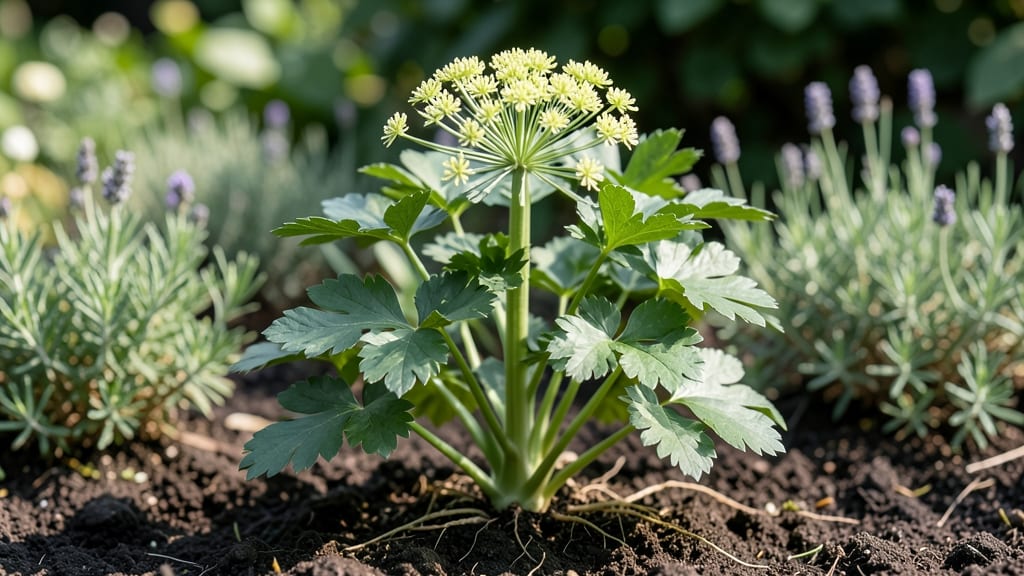
Flat leaf parsley flowering is your plant’s way of telling you it’s ready for the next chapter—whether you want to harvest seeds or keep those bright green leaves coming. 🌱 I’ve watched my parsley bolt three times in a row, each time learning how to steer it toward either lush regrowth or intentional blooms for seed saving.
The key lies in timing and pruning. Parsley flowers when it senses longer daylight, so if you’re growing it for leaves, cut back any flower stalks before they form.
A simple pinch above the leafy growth keeps the plant focused on foliage production. For seed production, let a few stalks flower and collect seeds when they turn brown.
What you’ll end up with is either a steady supply of fresh parsley for your kitchen or a stash of seeds for next year’s garden. The flavor stays bright and fresh as long as you keep the plant healthy, and the regrowth after pruning is surprisingly vigorous.
Works for both container gardens and in-ground plantings, and the same principles apply whether you’re growing in full sun or partial shade. Here’s how to make the most of your parsley’s natural cycle.
📚 In This Guide
- What you need
- Instructions
- Tips and common mistakes
- Wrapping up and next steps
What you need
- ● Flat leaf parsley plants: 1–3 mature plants (ensure they’re healthy and pest-free). Pro tip: Start with organic seedlings for the best results!
- ● Well-draining potting mix: 2–3 gallons (use a blend of 50% garden soil, 30% compost, and 20% perlite/sand for aeration).
- ● Container or garden bed: For containers: 1–2 10–12-inch diameter pots with drainage holes (terracotta or fabric pots work best).
- ● For in-ground planting: A 6–12-inch deep, 12-inch wide plot with full sun exposure (6+ hours/day).
- ● Balanced fertilizer: 1 tbsp of 10-10-10 or 5-5-5 NPK fertilizer per plant (organic options like fish emulsion or worm castings also work!).
- ● Pruning shears: Sharp, bypass-style shears (sterilize with rubbing alcohol before use).
- ● Watering can or hose with a gentle spray nozzle: Avoid soggy soil—parsley hates "wet feet."
- ● Garden gloves: Protect your hands from thorns (parsley stems can be prickly!).
- ● Mulch (straw or shredded leaves): 1–2 inches to retain moisture and suppress weeds.
- ● Grow lights (for indoor gardening):strong> LED full-spectrum lights (12–16 hours/day) if natural light is limited.
- ● Epsom salt (magnesium sulfate): 1 tsp dissolved in water monthly for extra green foliage.
- ● Compost tea or liquid seaweed: Boosts root health and flowering potential.
How to encourage flat leaf parsley to bloom for renewed growth
Here's the simple method I use to coax parsley into flowering—it's the secret to keeping your plants productive all season.
☀️ Step 1: Provide the Right Light Conditions
Flat leaf parsley needs 6-8 hours of direct sunlight daily to trigger flowering. If your parsley is growing in partial shade, move it to a sunnier spot immediately. You'll notice the leaves turn pale and leggy when light is insufficient—this is your cue to relocate.
Morning sun is ideal because it gives plants gentle warmth without the harsh afternoon heat. Watch for the stems to elongate and leaves space farther apart—this signals the plant is reaching for more light. If you can't move the plant, supplement with a grow light 6-12 inches above for 12-14 hours daily.
💧 Step 2: Adjust Watering to Stress the Plant Slightly
Parsley flowers when it senses seasonal changes, and we can mimic this by letting the soil dry out slightly between waterings. Reduce watering to every 5-7 days (instead of every 3-4) until you see the lower leaves begin to yellow—this is the plant's natural response to mild drought stress.
Don't let the soil become bone-dry or the plant will wilt completely. Instead, aim for the top 1-2 inches of soil to feel dry when you check with your finger. This controlled stress signals the plant to focus energy on flowering rather than leaf production.
✂️ Step 3: Prune Back Existing Growth
Cut back the parsley by one-third of its height using clean, sharp scissors. Make cuts just above a set of leaves to encourage new growth from that node. You'll see multiple stems emerging from the base within 2-3 weeks—this is the plant's way of regenerating after pruning.
Remove any flower stalks that have already formed, even if they're small. These compete with new blooms for energy. Prune on a dry morning so the cuts dry quickly and reduce disease risk. This aggressive pruning might seem drastic, but it's what triggers the plant to produce fresh, vigorous growth with flowers.
🌱 Step 4: Fertilize Lightly for Bloom Production
Switch to a low-nitrogen, high-phosphorus fertilizer (like a 5-10-5 formula) to encourage flowering. Mix 1 tablespoon of fertilizer per gallon of water and apply lightly to the soil around the base of the plant. Avoid getting fertilizer on the leaves, as this can cause burn.
Apply this fertilizer solution once every 2-3 weeks during the blooming period. You'll notice the new growth appears bushier and more compact, with flower buds forming at the stem tips. Over-fertilizing now will produce more leaves than blooms, so keep it light and consistent.
⏰ Step 5: Monitor and Repeat as Needed
Check your parsley daily for new flower buds forming at the stem tips. These will look like tiny green or purple clusters. Once you see buds, continue the same care—bright light, reduced watering, and occasional light feeding—to support the blooms.
After the flowers fade, you can either let the plant go to seed (which produces new parsley plants) or prune back again to encourage another round of growth. I always save a few flowers to dry for seed collection—they're perfect for next year's planting. This cycle keeps your parsley productive for months.
Tips & tricks for encouraging flat leaf parsley to bloom
Here's what nobody tells you about getting parsley to flower—these tricks make all the difference between a struggling plant and one that keeps producing fresh growth all season.
The Light Factor: If your parsley isn't getting enough sunlight, it won't flower. I learned this the hard way after watching my plants stay leafy but never bloom. Place your parsley where it gets the full 6-8 hours of direct sunlight—even just a few hours short can prevent flowering. For indoor growers, position your grow light 6-12 inches above the plant and run it for 12-14 hours daily. The key is consistency—parsley needs reliable light to trigger that flowering response.
Stress Management: That yellowing you see on lower leaves during Step 2? That's actually good! It means you're doing it right. The plant is telling you it's ready to focus on blooms. Just don't let it get too dry—bone-dry soil will wilt the whole plant. I check soil moisture by sticking my finger in about 1-2 inches deep. If it feels dry but not powdery, that's perfect. This controlled stress is what tells parsley, "Hey, it's time to make flowers!"
Pruning Precision: When you cut back that one-third of the plant's height in Step 3, aim for clean cuts just above a leaf node. I use sharp scissors and make diagonal cuts to prevent tearing. After pruning, you'll see new growth popping up within 2-3 weeks—this is your plant's way of saying, "I'm ready for round two!" Just remember to remove any existing flower stalks, no matter how small. They'll steal energy from your new blooms.
Fertilizer Timing: Here's the thing about fertilizing—too much nitrogen will keep your parsley leafy but never flowering. That's why we switch to a low-nitrogen, high-phosphorus formula. I mix 1 tablespoon per gallon of water and apply it lightly around the base. The secret is patience: apply it once every 2-3 weeks, and you'll see those bushy stems with flower buds forming at the tips. Don't rush it—parsley needs time to respond to this change.
Pro Tips for Flat Leaf Parsley Flowering
- Here's what nobody tells you about getting parsley to flower—these tricks make all the difference between a struggling plant and one that keeps producing fresh growth all season.
- The Light Factor: If your parsley isn't getting enough sunlight, it won't flower.
- Stress Management: That yellowing you see on lower leaves during Step 2?
Frequently asked questions
Got questions about flat leaf parsley flowering?
You’re not alone! Here are some of the most common concerns—plus quick, actionable answers to keep your parsley thriving and blooming beautifully.
Why is my flat leaf parsley flowering so early?
Early flowering is usually a sign your parsley is mature (often 6–8 months old) or stressed. Heat, drought, or overcrowding can trigger blooms prematurely. To delay flowering, prune regularly, keep soil moist, and ensure partial shade in hot climates. If it’s already blooming, harvest the stems—this can sometimes encourage new leaf growth!
How long does it take for flat leaf parsley to flower?
Flat leaf parsley typically flowers 6–12 months after planting, depending on variety and growing conditions. Curly parsley often blooms faster (4–6 months), while flat leaf varieties like ‘Italian Flat Leaf’ may take longer. Cold weather can slow growth, but warm seasons accelerate flowering—so plan accordingly if you’re harvesting for culinary use!
Can I still use parsley after it flowers?
Yes! While the leaves may become bitter as the plant focuses energy on seeds, you can still harvest and use them—just trim the flowers first. For the best flavor, prioritize harvesting before full bloom. If the plant is past its prime, consider saving seeds for next season or letting it go to seed to attract pollinators.
How do I revive parsley that’s already flowering?
If your parsley is flowering but you want more leaves, prune aggressively—cut back the stems by ⅓ to encourage regrowth. Remove all flower stalks to redirect energy to foliage. Keep the soil consistently moist, fertilize lightly with a balanced fertilizer, and provide partial shade if temperatures are extreme. With care, you might coax a second flush of leaves!
What can I do with parsley flowers if I don’t want them?
Don’t toss those blooms! Use them to:
- Attract pollinators—leave some on the plant for bees and butterflies.
- Make edible garnishes—parsley flowers add a delicate flavor to salads, soups, or cocktails.
- Create herbal infusions—dry flowers for teas or homemade remedies.
- Save seeds—collect and store for next year’s garden.
Wrapping up and next steps
Encouraging flat leaf parsley to flower isn’t just about aesthetics—it’s your secret to vibrant regrowth and a bountiful harvest! 🌱 By understanding its needs (light, soil, and timing) and troubleshooting common issues, you’re well on your way to a thriving herb garden.
The next step? Experiment with your parsley—try deadheading blooms, adjusting sunlight, or even growing from seed to see what works best for your climate.
Your green thumb is already doing great—keep nurturing those plants, and soon, you’ll be enjoying fresh parsley blooms and leaves all season long! 🌟