
Plants
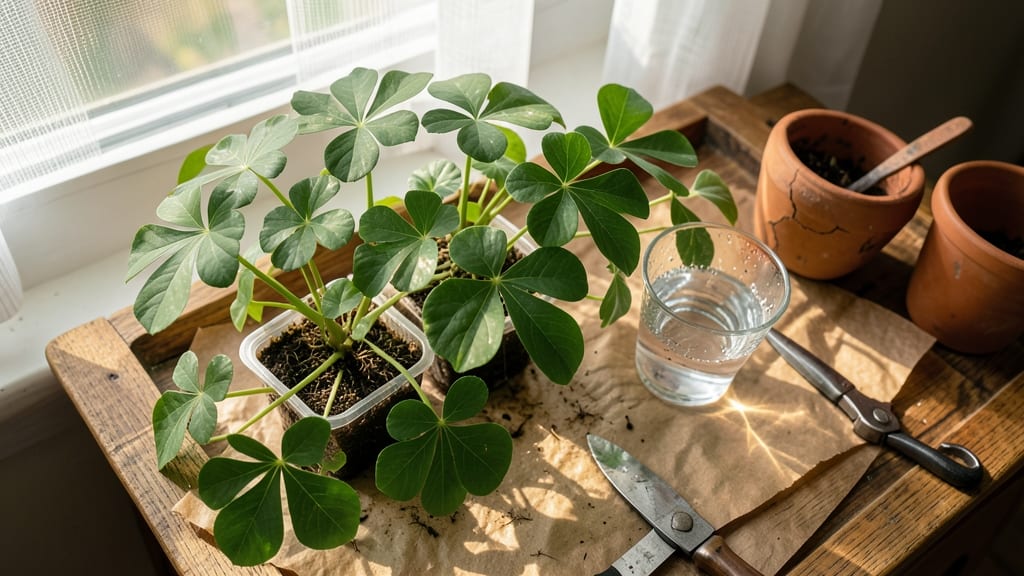
Struggling to keep your five leaf plant thriving? These proven care tips will transform your plant from struggling to stunning, ensuring vibrant foliage and healthy growth all year long—even for beginners.
Optimal Lighting Conditions for Five Leaf Plants
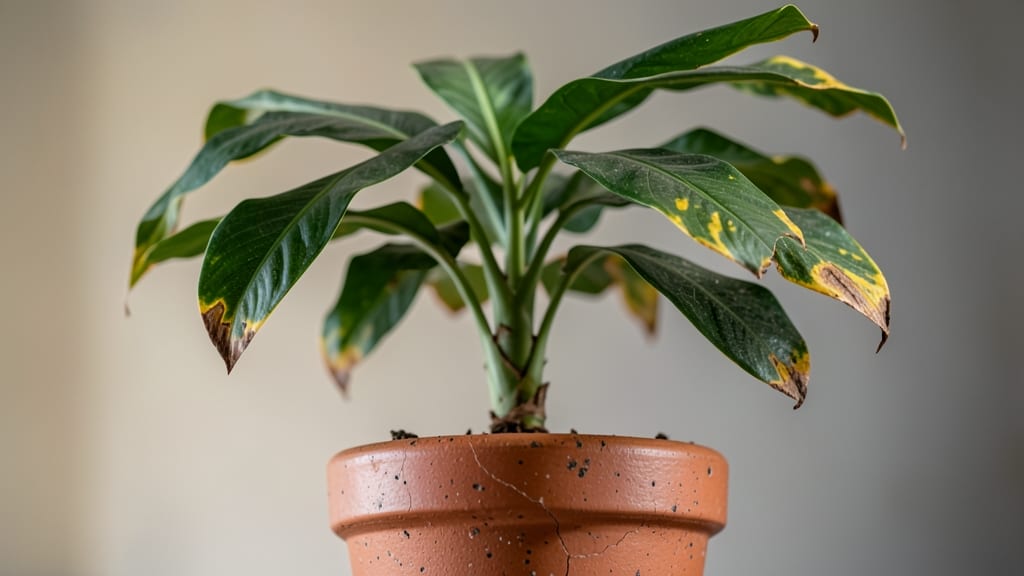
If your five leaf plant is struggling with yellowing leaves or crispy edges, the culprit is likely light exposure—too much direct sun or not enough brightness. These plants thrive in bright, indirect light, where they get enough energy for photosynthesis without risking leaf damage.
Position your plant near an east-facing window for gentle morning sun or a west-facing window with sheer curtains to diffuse harsh afternoon rays. If natural light is limited, supplement with a grow light 10-12 inches away for 6-8 hours daily. Avoid south-facing windows, which can scorch leaves, and rotate the pot every few weeks to ensure even growth.
This balance is especially important for beginners—getting the light right prevents common issues and keeps your plant lush and healthy. 🌟
Perfect Watering Schedule for Healthy Growth
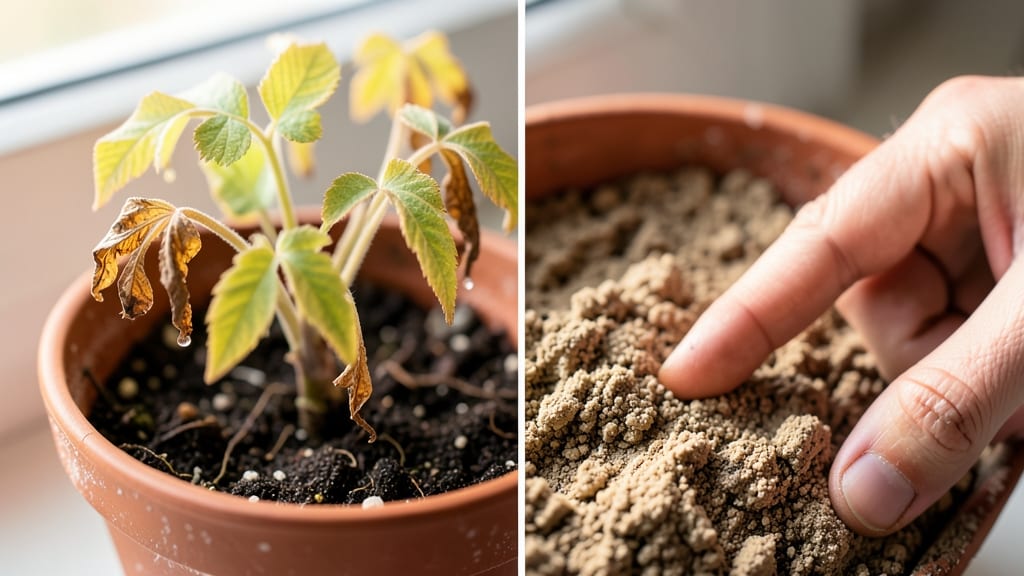
Your five leaf plant might be begging for help—overwatering is the silent killer that causes yellow leaves and root rot. The key isn’t just when you water, but how you check if it’s truly thirsty.
Water only when the top 1-2 inches of soil feel dry to the touch (stick your finger in—no tools needed!). For most five leaf plants, this means watering every 7-10 days in spring/summer, but every 2-3 weeks in winter. Always use a pot with drainage holes to prevent soggy roots, and empty the saucer afterward to avoid sitting water.
This simple routine saves struggling plants and works for both beginners and busy gardeners. 💡
Best Soil Mix for Five Leaf Plant Roots
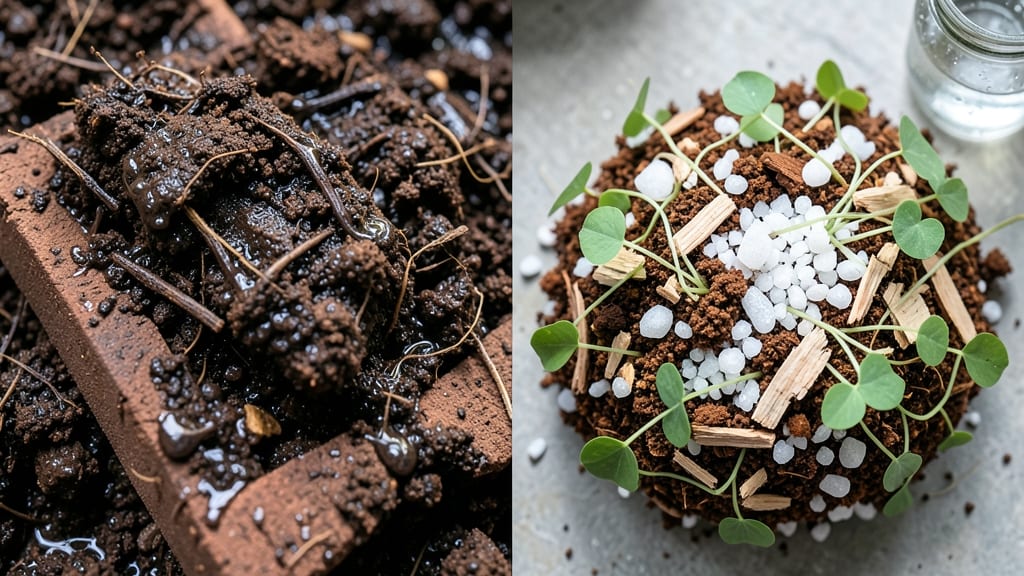
Store-bought potting mixes often compact over time, trapping moisture and suffocating your five leaf plant's roots—leading to that dreaded root rot. The solution? A custom blend that mimics its natural, airy habitat while preventing waterlogging.
For the perfect mix, combine 50% peat-free potting soil (or coconut coir) with 30% perlite or pumice (for chunky aeration) and 20% orchid bark or coarse sand (to wick away excess moisture). This trio ensures roots stay oxygenated while retaining just enough moisture between waterings. Avoid heavy garden soil—it compacts and drowns roots.
This lightweight mix is ideal for urban gardeners with limited space or anyone who’s struggled with soggy soil. With the right blend, your five leaf plant will thrive without the risk of rot. 💚
Humidity Requirements for Lush Foliage
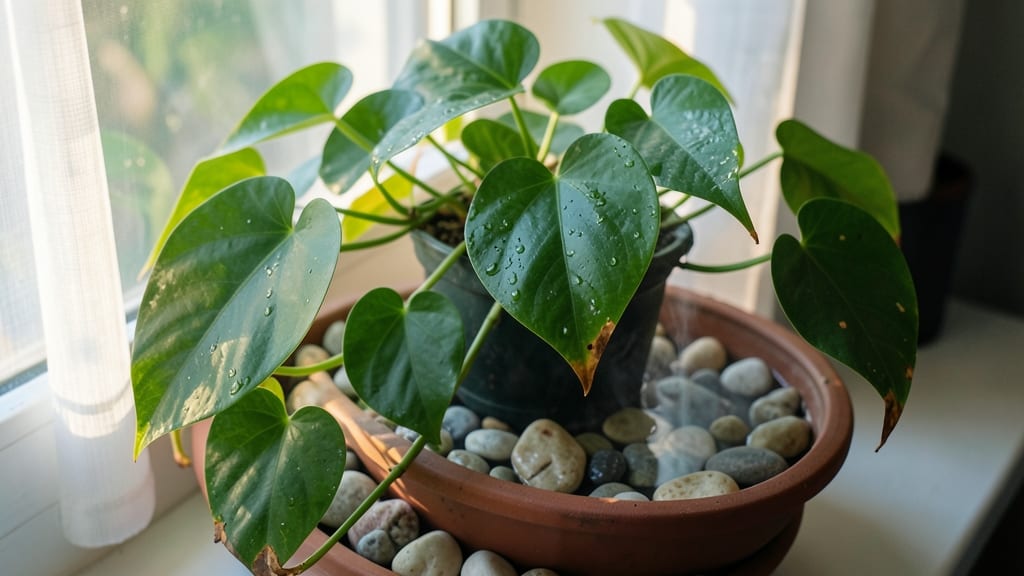
Your five leaf plant’s lush foliage thrives in 50-70% humidity, mimicking its tropical roots—but dry indoor air can leave leaves crispy and brown. The good news? You don’t need a fancy humidifier to recreate its natural environment.
Place the pot on a pebble tray filled with water and stones (evaporation creates humidity), or group it with other plants to boost moisture. For a quick fix, mist leaves 2-3 times a week with room-temperature water, focusing on undersides where pests hide. A damp towel draped over the plant’s support also works—just keep it slightly damp, not soaking.
This method is perfect for urban gardeners with limited space or beginners who want to avoid complex setups. A little humidity goes a long way for keeping those leaves vibrant and healthy. 💚
Fertilizing Routine for Vibrant Leaves
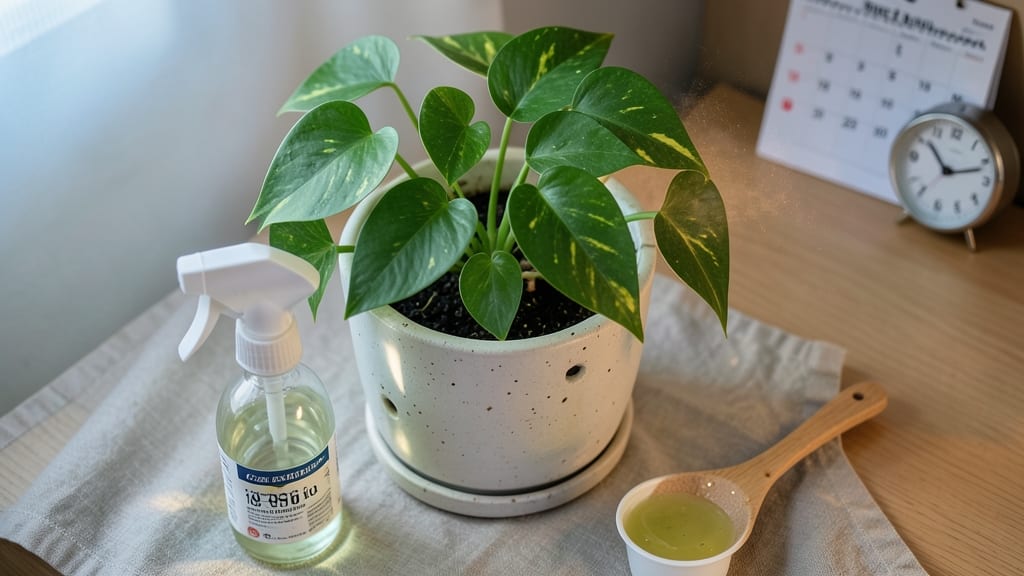
Want to see your five leaf plant grow faster without risking root burn? The key is a balanced fertilizing routine that matches your plant’s natural growth cycles—not your enthusiasm.
Use a balanced liquid fertilizer (like 10-10-10) diluted to half-strength every 4-6 weeks during spring and summer. In fall and winter, skip fertilizing entirely—your plant’s growth slows, and excess nutrients can harm roots. For organic options, try a fish emulsion or compost tea, but always dilute it to avoid overloading the soil.
This routine works best for beginners who’ve struggled with over-fertilizing, giving your plant the nutrients it needs without the stress. 💡
Pruning Techniques to Encourage Bushier Growth
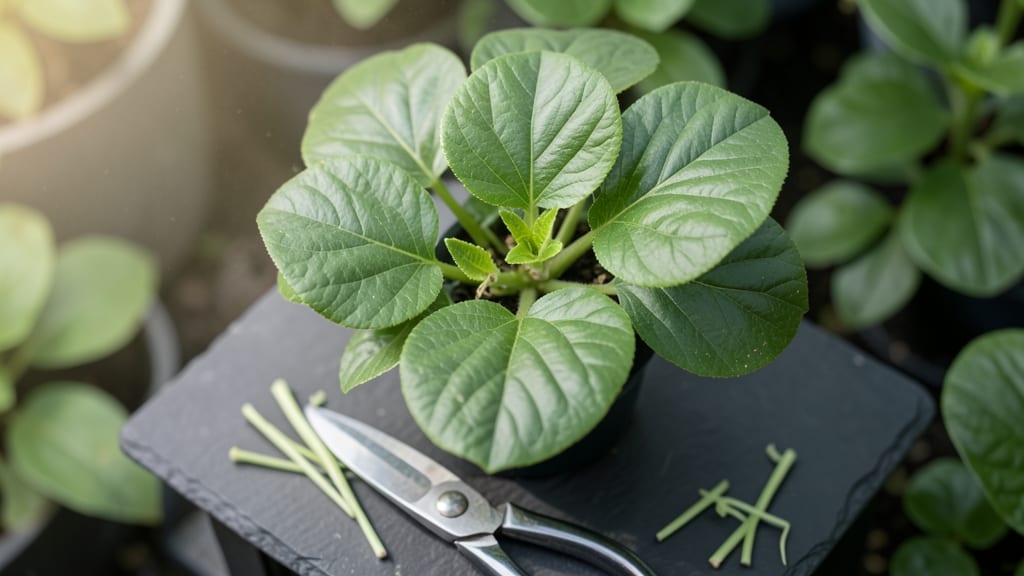
Want a five leaf plant that looks full and thriving—not just leggy and sparse? The key lies in targeted pruning that triggers new growth while preserving its natural shape. Most gardeners trim too late or too aggressively, but this method focuses on strategic cuts to encourage bushiness without stressing the plant.
Start by identifying healthy stems with at least two sets of leaves—cut just above a leaf node (where new shoots emerge) using clean, sharp shears. Aim to remove 1/3 of the oldest growth in early spring to stimulate fresh shoots. For a fuller look, pinch back the tips of new growth to redirect energy toward lateral branches. This technique works best for plants like Schefflera or Potentilla, where controlled pruning prevents overgrowth while maintaining their compact form.
This approach is ideal for urban gardeners with limited space or anyone wanting to revive a leggy plant. With consistent pruning, you’ll see denser foliage and a more balanced shape in just a few months. 🌿
Common Pests and Natural Remedies
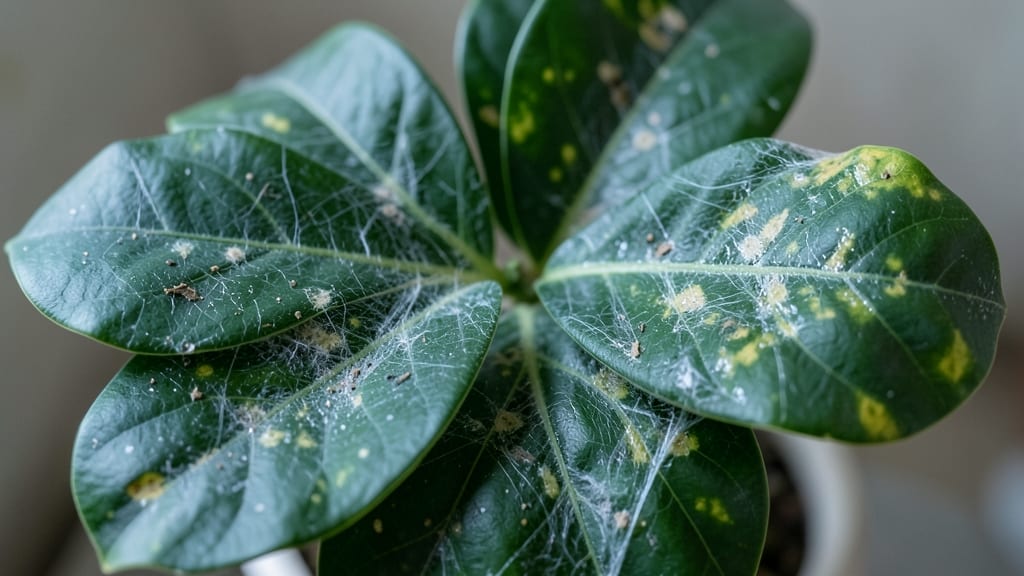
If you’ve noticed tiny webs on your five leaf plant or sticky residue on its leaves, you’re likely dealing with spider mites or aphids—two of the most common pests that adore this type of foliage. These tiny invaders thrive in dry conditions and can quickly turn your lush plant into a sad, yellowing mess if left unchecked.
Start by inspecting the undersides of leaves for tiny moving dots (aphids) or fine webbing (spider mites). For a natural remedy, mix 1 tablespoon of neem oil with 1 quart of water and a drop of dish soap, then spray the solution on both leaf surfaces. Repeat every 3-5 days until the pests disappear. A strong blast of water from the shower can also dislodge aphids, while increasing humidity (as discussed earlier) deters spider mites naturally.
This method works best for gardeners who prefer chemical-free solutions and want to keep their plants—and their homes—pesticide-free. Early action is key, so don’t wait until the infestation spreads! 💚
Repotting Guide for Mature Five Leaf Plants
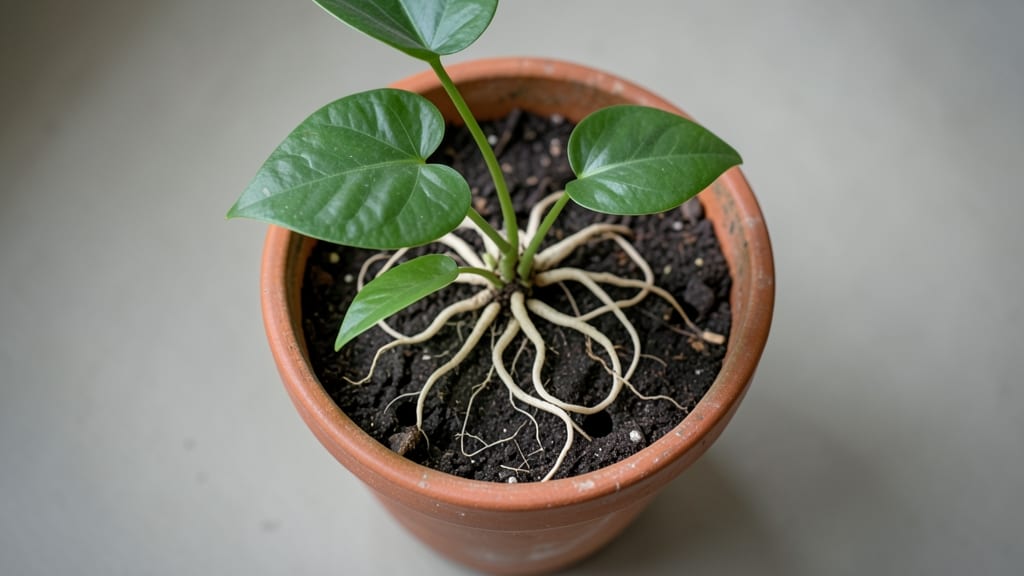
Notice your five leaf plant growing slower or seeing roots circling the pot? That’s a clear sign it’s root-bound and needs a fresh space to thrive. Skipping repotting can stunt growth or even kill the plant by restricting root expansion—so timing matters!
Start by choosing a pot 2-3 inches wider than the current one with drainage holes. Gently remove the plant, loosen tangled roots with your fingers (no need to trim unless they’re severely circling), then place it in the new container with a well-draining soil mix (like 60% potting soil, 30% perlite, and 10% orchid bark). Water lightly afterward to settle the soil.
This method minimizes stress, and your plant will reward you with fresh growth within weeks. Perfect for gardeners who want to extend their plant’s lifespan without the guesswork! 🌱
Winter Care Tips for Indoor Plants
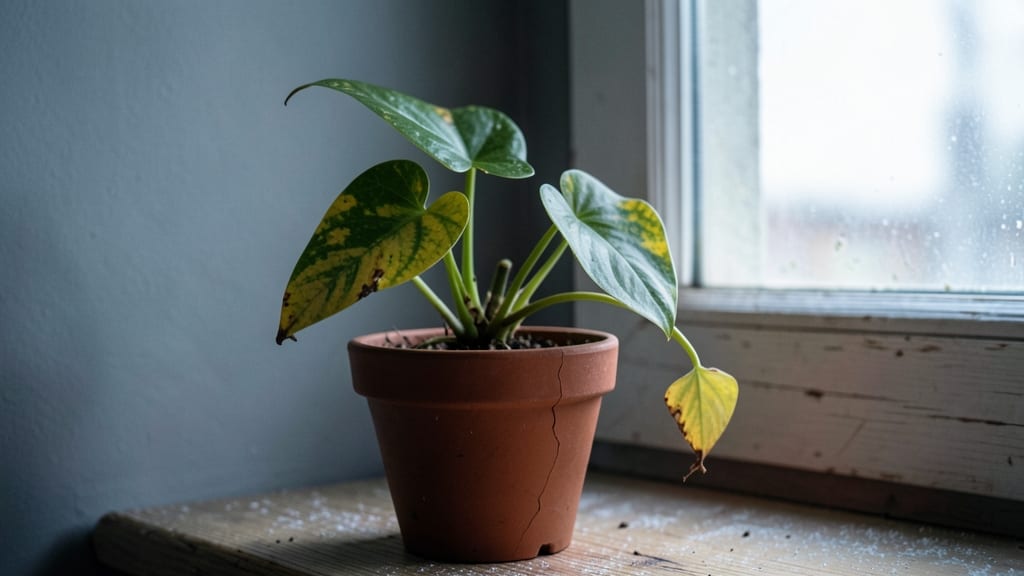
Winter’s dry air and dim light can turn your five leaf plant into a sad, crispy shadow of its summer self—but don’t panic! With just a few simple tweaks, you can keep its leaves lush and vibrant all season long.
First, move your plant closer to a south- or west-facing window for the brightest light available indoors. If natural light is still lacking, supplement with a grow light for 4-6 hours daily. Next, reduce watering to every 2-3 weeks—let the top inch of soil dry out completely before watering again, as cooler temperatures slow moisture evaporation. Finally, combat dry indoor air by placing the pot on a pebble tray filled with water or grouping plants together to create a microclimate of humidity.
These adjustments are especially helpful for urban gardeners with limited natural light or beginners who want to keep their plants thriving without fancy equipment. A little winter TLC ensures your five leaf plant stays green and happy until spring. 🌱
Propagating Five Leaf Plants from Cuttings

Turn your single five leaf plant into a whole collection without spending a dime—propagation is the ultimate freebie for plant lovers. This method is beginner-friendly and works wonders for five-leaf aralia or similar tropical varieties, giving you new plants in just a few weeks.
Start by snipping a healthy stem with at least two leaf nodes (where leaves grow) using clean scissors. Place the cutting in a jar of water, ensuring the nodes are submerged but leaves stay dry. Change the water every 3-5 days to prevent bacteria, and within weeks, you’ll see roots forming—ready to plant in soil.
This is perfect for urban gardeners or anyone who loves low-cost plant expansion. Once rooted, transfer the cuttings to pots with well-draining soil, and you’ll have a thriving new plant in no time. 🌱