
Pruning
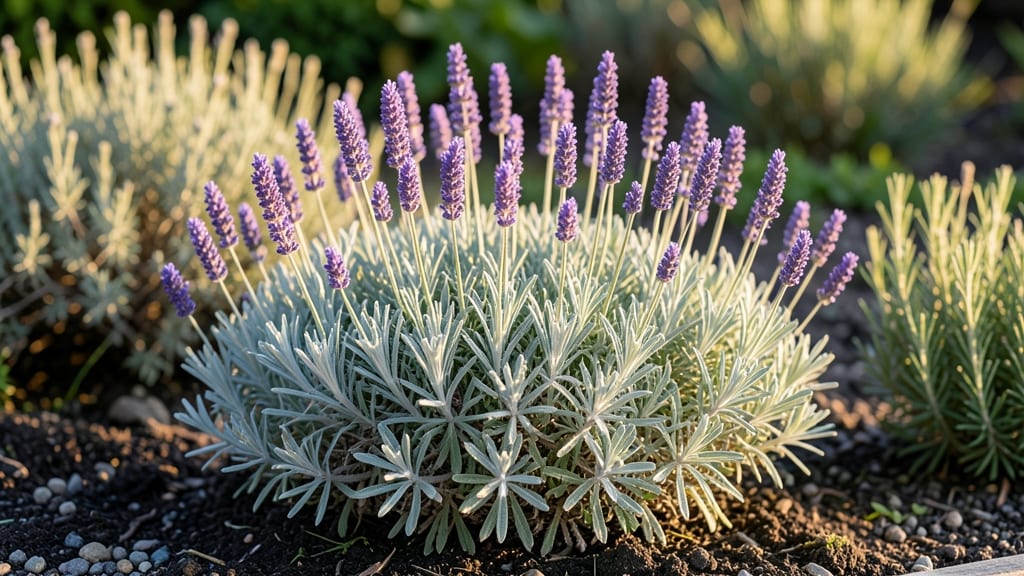
Fern leaf lavender thrives where most plants fail—dry, poor soil and full sun. 🌿 I’ve grown it in my drought-stricken backyard for years, and its silvery foliage and intoxicating scent never disappoint, even with minimal care.
Unlike fussy lavenders, this variety stays lush and fragrant year-round, resisting both heat and cold better than its cousins.
The secret to its success lies in well-draining soil and full sun exposure—at least 6 hours daily. It tolerates drought once established, so overwatering is the real enemy.
Prune lightly in early spring to shape the plant and encourage bushier growth, but skip heavy cuts—this lavender rewards patience with dense, aromatic foliage that repels pests naturally.
By summer, your fern leaf lavender will be a fragrant, low-maintenance centerpiece, its silvery leaves shimmering in the breeze. The best part? It multiplies easily through stem cuttings, so you can share plants (or expand your garden) without spending a dime.
Perfect for rock gardens, borders, or containers, this lavender adapts to USDA Zones 5-9, making it a versatile choice for nearly any climate. Here’s how to keep it thriving with minimal effort—no green thumb required.
📚 In This Guide
- What you need
- Instructions
- Tips and common mistakes
- Wrapping up and next steps
What you need
- ● Fern leaf lavender plants: 3–5 healthy nursery-grown plants (or seeds if starting from scratch). Choose Lavandula stoechas or its cultivars like 'Fern Leaf' or 'Penny Royal.'
- ● Well-draining soil: 10–15 cubic feet of a mix with 60% potting soil, 30% coarse sand or perlite, and 10% compost. Test soil pH (ideal: 6.0–7.5).
- ○ Containers (optional but recommended): 5–10 gallon pots with drainage holes (if growing in pots). Use terracotta or fabric grow bags.
- ● Sunlight access: A spot with 6+ hours of full sun daily (south-facing windows or outdoor gardens).
- ● Watering can or hose with a gentle spray nozzle: 1–2 gallons per plant during dry spells (avoid soggy roots!).
- ● Pruning shears: Sharp, clean bypass pruners (sterilize with rubbing alcohol between cuts).
- ● Mulch: 2–3 inches of gravel or pebbles (to retain heat and deter weeds).
- ● Gloves: Heavy-duty gardening gloves (to protect from thorns and sap).
- ○ Soil moisture meter: For monitoring root health (optional but helpful for beginners).
- ● Organic fertilizer: Slow-release 10-10-10 or balanced lavender-specific fertilizer (apply sparingly, 2–3 times per year).
- ● Drip irrigation kit: For automated watering (great for busy gardeners!).
- ○ Harvesting scissors: For snipping flowers/stems (optional but makes harvesting easier).
Step-by-Step instructions for cultivating fern leaf lavender
Here's how to establish this elegant, low-maintenance lavender variety that thrives year-round with just the right care.
🌱 Step 1: Select and Prepare the Planting Site
Fern leaf lavender (Lavandula pinnata) thrives in well-draining soil with full sun exposure—at least 6-8 hours daily. Choose a location with sandy or gravelly soil to prevent root rot, as this variety dislikes soggy conditions. If your soil is heavy clay, amend it with 3-4 inches of coarse sand or perlite mixed into the top 12 inches of soil.
Test the site's drainage by digging a 6-inch deep hole and filling it with water. If it drains in less than 30 minutes, your soil is suitable. If water pools after an hour, improve drainage before planting. I always add a 2-3 inch layer of gravel at the bottom of the planting hole to create a drainage layer—this simple step prevents waterlogging that can kill lavender roots.
☀️ Step 2: Plant at the Right Time and Depth
Plant fern leaf lavender in early spring or early fall when temperatures are mild (50-70°F). Avoid planting in summer heat or winter frost, as extreme temperatures stress the plant. Dig a hole twice as wide as the root ball but only as deep—lavender roots should sit just below soil level when planted.
Gently remove the plant from its container and loosen any circling roots with your fingers. Place it in the hole, backfilling with native soil while firming lightly around the edges. Space plants 18-24 inches apart to allow airflow and prevent disease. Water deeply immediately after planting to settle the soil and encourage root contact.
💧 Step 3: Establish a Watering Routine for the First Year
During the first 6-12 months, water fern leaf lavender deeply once a week unless rainfall provides 1 inch of moisture. You’ll know it’s time to water when the top 2 inches of soil feel dry—stick your finger in to check. Overwatering is the fastest way to kill lavender, so resist the urge to water lightly daily.
After the first year, lavender becomes drought-tolerant and requires minimal watering—only during prolonged dry spells. In its mature phase, you’ll see silvery-blue foliage and sparse, fragrant flowers that signal it’s thriving. Mulch with 1-2 inches of gravel (not organic mulch) to conserve moisture and deter weeds while keeping roots cool.
✂️ Step 4: Prune for Shape and Encourage Growth
Fern leaf lavender requires minimal pruning—just enough to maintain its shape and encourage bushiness. After flowering in late spring to early summer, trim back one-third of the current year’s growth using clean, sharp pruners. Cut just above a set of leaves or a bud to promote new growth.
I avoid heavy pruning in fall or winter, as lavender needs its foliage to protect it from cold. If your plant becomes leggy, prune back one-third of the oldest stems in early spring to rejuvenate it. Never prune into old wood—fern leaf lavender produces new growth from the base, so keep cuts above the lower leaves.
🌿 Step 5: Protect and Maintain for Year-Round Beauty
Fern leaf lavender is hardy to USDA Zone 7, but if you live in colder climates, protect it in winter by mulching heavily with 4-6 inches of straw or leaves around the base. In spring, remove the mulch to allow new growth. Fertilize lightly in early spring with a balanced, low-nitrogen fertilizer (5-10-5 ratio) to encourage blooms without promoting leafy growth.
Watch for aphids or spider mites, which can stress lavender. Blast them off with a strong spray of water or treat with neem oil if needed. With proper care, your fern leaf lavender will reward you with year-round fragrance and minimal upkeep—the perfect low-maintenance addition to any garden.
Tips & tricks for perfect fern leaf lavender cultivation
Between us, these little details make all the difference when growing fern leaf lavender that thrives year after year.
Soil Preparation Secret: The 6-8 hours of sunlight requirement is non-negotiable, but what most gardeners miss is the soil's hidden structure. When amending heavy clay, mix in that 3-4 inches of coarse sand or perlite not just at the surface, but incorporate it into the top 12 inches of soil. Think of it like building a drainage highway for those delicate roots. I've seen lavender plants struggle in amended surface soil while thriving just inches below where the real action happens.
Planting Depth Technique: That "just below soil level" guideline in Step 2 is crucial—lavender roots need to breathe. If you plant too deep, you'll smother the base of the plant and risk rot. Here's my trick: After placing the root ball in the hole, mound a small berm of soil around the edges before backfilling. This creates natural air pockets while keeping the plant stable during the immediate watering.
Watering Wisdom: The once-weekly deep watering rule in Step 3 is gold, but timing matters just as much. Water in the morning so the foliage has all day to dry—this prevents fungal issues that can creep in when moisture lingers. And here's what nobody tells you: After that first year, if you notice the silvery-blue leaves starting to curl slightly at the edges, it's often a sign of underwatering, not overwatering as most assume.
Pruning Precision: When trimming back one-third of the current year's growth in late spring, I always make my cuts at a 45-degree angle just above a leaf node. This creates a natural water runoff path while encouraging new growth from that exact spot. And for those leggy stems in spring? I find using a small pair of pruning shears gives me better control than larger tools—less risk of accidentally cutting into old wood.
Pro Tips for Fern Leaf Lavender
- Between us, these little details make all the difference when growing fern leaf lavender that thrives year after year.
- Soil Preparation Secret: The 6-8 hours of sunlight requirement is non-negotiable, but what most gardeners miss is the soil's hidden structure.
- Planting Depth Technique: That "just below soil level" guideline in Step 2 is crucial—lavender roots need to breathe.
Frequently asked questions
Got questions about growing fern leaf lavender? You’re not alone!
Here are answers to the most common ones—so you can enjoy that fragrant, low-maintenance beauty without the guesswork.
How long does it take for fern leaf lavender to establish and bloom?
Fern leaf lavender is a fast grower! With the right conditions (full sun, well-draining soil, and minimal water), it typically establishes in 4–6 weeks and may bloom within 6–8 weeks after planting. For year-round fragrance, expect staggered blooms—especially if you prune lightly after each flush.
Can fern leaf lavender survive winter in cold climates?
This hardy variety thrives in USDA Zones 5–9, but it’s not frost-proof. In colder areas, mulch the base with 2–3 inches of straw or pine needles to insulate roots. If temps drop below 10°F (-12°C), a light frost cloth can save it. Prune back dead growth in early spring—new growth is tough and resilient!
How often should I water fern leaf lavender?
Overwatering is the #1 killer of fern leaf lavender! Water deeply but infrequently—about once every 1–2 weeks (or when the top 1–2 inches of soil are dry). Once established, it’s drought-tolerant. Yellowing leaves? That’s often a sign of soggy roots. Amend heavy soil with perlite or sand to improve drainage.
What’s the best time to prune fern leaf lavender for maximum fragrance?
Prune twice a year for the best results:
- Early spring (March–April): Trim back 1/3 of the plant to encourage bushier growth.
- After blooming (late summer): Lightly shear spent flowers to promote new growth and fragrance before winter.
What are some fragrant alternatives if fern leaf lavender doesn’t thrive in my area?
If your climate isn’t ideal, try these low-maintenance, fragrant swaps:
- Spanish lavender (Lavandula stoechas) – Thrives in heat, blooms in summer.
- English lavender (Lavandula angustifolia) – Cold-hardy, classic scent.
- Dwarf Russian sage (Perovskia atriplicifolia) – Silvery foliage, long blooming season.
- Rosemary (Rosmarinus officinalis) – Evergreen, drought-resistant, and edible!
Wrapping up and next steps
Fern Leaf Lavender isn’t just a low-maintenance plant—it’s a fragrant, year-round beauty that rewards patience with stunning blooms and soothing aromas. Whether you’re a seasoned gardener or just starting, its resilience and minimal pruning needs make it the perfect addition to your outdoor space.
Now that you’re armed with the right tools, tips, and answers, roll up your sleeves and give it a try! 🌿✨
Ready to transform your garden? Start by selecting the perfect spot, gathering your supplies, and planting your first fern leaf lavender today—your nose (and neighbors) will thank you!