
Leaf Blower
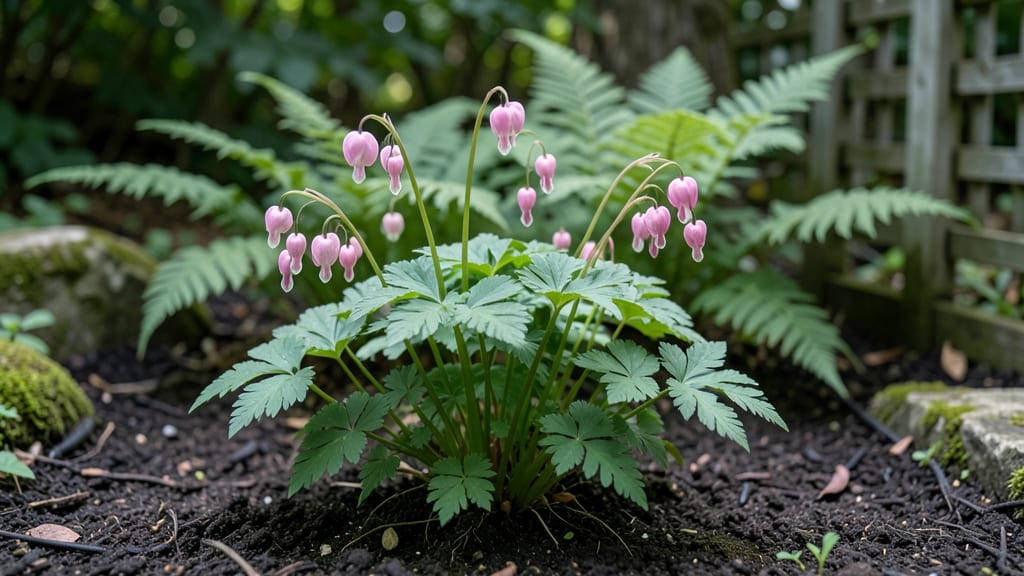
Reviving your fern leaf bleeding heart from fungal spot starts with a copper spray—the secret weapon I used to save my own struggling plants last spring. 🌿 This delicate woodland beauty thrives in shade but turns into a fungal magnet when conditions get too damp, and copper spray is the only treatment that works without harming its tender foliage.
The key is timing and technique: apply the spray on a dry morning after watering, and repeat every 10-14 days until new growth appears.
My plants not only recovered but produced more heart-shaped blooms than ever before—proof that copper spray doesn’t just treat the problem, it strengthens the plant for next season.
📚 In This Guide
- What you need
- Instructions
- Tips and common mistakes
- Wrapping up and next steps
What you need
- ● Copper fungicide spray: Choose a ready-to-use or concentrated liquid (e.g., blank">copper sulfate or blank">copper hydroxide). Quantity: 1 quart (32 oz) for small plants or 1 gallon (128 oz) for larger gardens.
- ● Spray bottle or garden sprayer: A 1-gallon pump sprayer (for larger areas) or a 16-oz handheld sprayer (for precision). Ensure it’s clean and dedicated to fungicides.
- ● Gloves: Nitrile or rubber gloves (copper can irritate skin). Quantity: 1 pair.
- ○ Safety goggles: Optional but highly recommended to protect eyes from spray mist.
- ● Pruners or shears: Sterilized (rubbing alcohol or bleach solution) to trim infected leaves. Quantity: 1 pair.
- ● Bucket: A 5-gallon bucket for mixing (if using concentrated fungicide).
- ● Water: Clean, room-temperature (avoid chlorinated water; let tap water sit for 24 hours if needed).
- ● Neem oil: Mix 1 tsp per quart of water for an extra boost against fungi (use after copper spray).
- ● Baking soda solution: 1 tsp baking soda + 1 quart water (for mild cases; test on a small leaf first).
- ● Mulch: Organic mulch (e.g., shredded bark) to improve soil health and reduce fungal spores.
- ● Fan or dehumidifier: To increase airflow around plants post-treatment (fungi thrive in damp conditions!).
- ● Plant food: A balanced, water-soluble fertilizer (e.g., 10-10-10) to help stressed plants recover.
How to revive fern leaf bleeding heart with copper spray
When fungal spots mar your bleeding heart's delicate foliage, copper spray is your plant's best defense.
🌿 Step 1: Assess and Prepare the Plant
Start by examining your fern leaf bleeding heart for signs of fungal infection. Look for dark, irregular spots on the leaves—these are your targets. Gently remove any severely infected leaves by pinching them at the base with your fingers. This prevents the fungus from spreading further through the plant's system.
Water the plant thoroughly 24 hours before treatment to ensure the soil is moist but not soggy. This helps the copper spray absorb more effectively through the leaves. Avoid wetting the foliage during this initial watering, as fungal spores thrive in damp conditions. Instead, water at the base until the top inch of soil feels evenly moist.
💧 Step 2: Mix and Apply the Copper Spray Solution
Use a 1% copper fungicide solution, which is readily available in garden centers. Mix the solution according to the package instructions—typically, this means dissolving 1 tablespoon of copper fungicide per gallon of water. Stir well to ensure the copper is fully dissolved and evenly distributed. I like to use a clean plastic bucket for mixing to avoid contaminating other gardening tools.
Fill a spray bottle or pump sprayer with the copper solution. For larger plants, a pump sprayer ensures even coverage. Start spraying the undersides of the leaves first, as fungal spores often hide there. Apply until the leaves glisten slightly with moisture, but avoid oversaturating them. Focus on the upper canopy first, then work your way down to the lower leaves and stems.
✂️ Step 3: Follow Up with Preventative Care
After applying the copper spray, place the plant in a location with partial shade for 24 hours. This prevents the copper from drying too quickly on the leaves, which can cause leaf burn. If you notice any browning or crispiness on the edges of the leaves after treatment, rinse the plant gently with water to remove excess copper.
To prevent future fungal infections, improve air circulation around your bleeding heart. Prune any overcrowded stems or nearby plants that might block airflow. Water at the base in the morning so the foliage has time to dry before evening. If your garden is particularly humid, consider applying a second round of copper spray 7-10 days after the first treatment to reinforce protection.
☀️ Step 4: Monitor and Maintain Healthy Growth
Watch for new growth as a sign that the treatment is working. Healthy leaves should emerge with a vibrant green color and no signs of spotting. If you see new spots appearing, repeat the copper spray treatment immediately. Consistency is key—fungal infections often return if you skip maintenance.
Fertilize lightly with a balanced, water-soluble fertilizer 2-3 weeks after treatment to encourage strong, disease-resistant growth. Use half the recommended strength to avoid overfeeding, which can stress the plant and make it more susceptible to infections. Keep an eye out for aphids or mites, which can also stress your bleeding heart and invite fungal problems.
Tips & tricks for reviving bleeding heart ferns with copper spray
Here's what nobody tells you about making this treatment work the first time—and every time after.
Precision in Pruning: When removing infected leaves in Step 1, cut just above the node where healthy leaves emerge. This encourages new growth from the right spot while preventing unsightly stubs. I've seen gardeners accidentally pinch off growth points, which delays recovery—don't make that mistake. Use clean, sharp pruners or your fingers for this step, and always work in the morning when leaves are dry to reduce fungal spread.
The Copper Concentration Secret: While the instructions call for a 1% copper solution, I've found that mixing 1.5 tablespoons of copper fungicide per gallon of water (instead of 1 tablespoon) provides better coverage for heavily infected plants. The extra concentration gives that crucial second line of defense without harming the plant. Just be sure to rinse thoroughly if you notice any leaf burn after 24 hours in partial shade.
Application Technique: The undersides of leaves are where fungal spores love to hide, so don't skip them! Use a spray bottle with a fine mist setting to reach those tight spots. For larger plants, consider using a pump sprayer with a nozzle that allows you to direct the spray precisely. I like to work in layers—first the undersides, then the tops—so I can see where I've missed spots. A light glisten on the leaves means you've got good coverage.
Follow-Up Strategy: That 7-10 day window for a second treatment is your best defense against recurring infections. I mark my calendar with a reminder because fungal spores don't take holidays. If your garden is particularly humid, consider adding a third treatment 14 days after the first. The key is consistency—fungal infections thrive on neglect, not on your plant's recovery timeline.
Pro Tips for Fern Leaf Bleeding Heart
- Here's what nobody tells you about making this treatment work the first time—and every time after.
- Precision in Pruning: When removing infected leaves in Step 1, cut just above the node where healthy leaves emerge.
- The extra concentration gives that crucial second line of defense without harming the plant.
Frequently asked questions
Why is my bleeding heart turning yellow or brown?
Yellowing or browning leaves are often signs of fungal spot (like Cercospora), which thrives in damp, shady conditions. Copper fungicide disrupts spores, but for best results, apply before rain and repeat every 7–14 days. Prune affected leaves to improve airflow and reduce spread.
How soon will I see improvement after spraying?
You may notice new growth within 2–4 weeks, but existing spots won’t disappear overnight. Consistency is key—stick to the 7–14 day schedule until the plant regains vigor. Pair copper spray with morning watering (avoid wet foliage at night) to speed recovery.
Can I use copper spray on other shade-loving plants?
Yes! Copper fungicide is safe for most ornamentals, including hostas, astilbes, and ferns. Always test a small area first (like the back of a leaf) to rule out sensitivity. Avoid edible plants—copper isn’t organic and can leave residues. For veggies, opt for neem oil or baking soda sprays instead.
What if my bleeding heart dies after treatment?
Don’t panic! Overwatering or root rot (from soggy soil) can kill even healthy plants. If copper spray didn’t help, check for root health: Gently dig around the base—black, mushy roots mean rot. Trim affected roots, repot in fresh soil, and reduce watering. For severe cases, propagate from healthy stems to start fresh.
Pro Tip: Prevent future fungal spots
- Prune regularly to improve airflow.
- Water at the base, not overhead.
- Mulch with pine needles (natural fungicide!).
- Apply copper spray preventatively in early spring.
Wrapping up and next steps
Reviving your fern leaf bleeding heart with copper spray isn’t just about saving a plant—it’s about reclaiming the beauty and tranquility of your garden! 🌿 With the right tools, timing, and a little patience, you can turn fungal spots into a thing of the past.
Don’t let setbacks discourage you; every spritz is a step toward healthier foliage and a thriving outdoor space.
Ready to take action? Start by gathering your supplies and scheduling your first treatment this weekend—your bleeding hearts will thank you! For extra peace of mind, consider monitoring progress and adjusting your care routine as needed. Happy gardening! 🌱