
Pests and Diseases
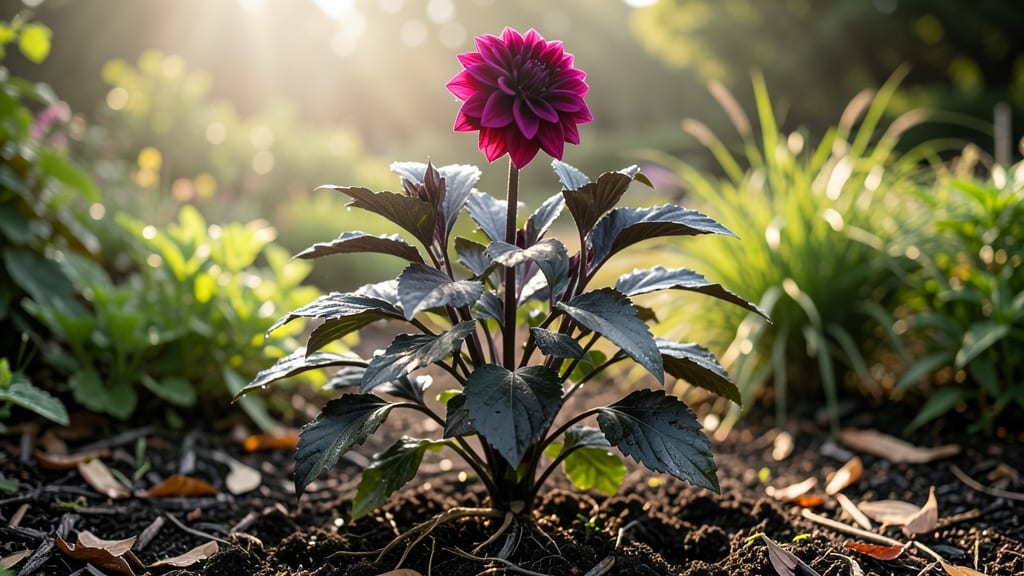
Dark leaf dahlias turn your garden into a moody masterpiece—until crispy edges ruin the drama. 🌿 The secret to keeping those velvety-black foliage varieties looking their best lies in soil pH and a few simple care tweaks that most growers overlook.
Most gardeners focus on the blooms, but dark-leaf dahlias demand attention to their leaves. Their rich, almost purple-black foliage needs slightly acidic soil (pH 6.0-6.5) to prevent those unsightly brown edges, plus consistent moisture that never drowns the roots.
I learned this the hard way after my first season of ragged leaves—now my plants stay lush and dramatic all summer. You'll end up with glossy, crisp-free leaves that make your dahlias the showstopper of the garden.
The foliage alone creates stunning contrast with bright flowers or silver-leaf perennials, while the blooms add their own drama. This care routine works for both classic dark-leaf varieties and modern chocolate-colored cultivars. Works in full sun to partial shade, though morning sun prevents afternoon leaf scorch.
Pair with silver foliage plants like lamb's ear or dusty miller to make those dark leaves pop even more. Let's get those edges perfect!
📚 In This Guide
- What you need
- Instructions
- Tips and common mistakes
- Wrapping up and next steps
What you need
- ● Dark Leaf Dahlia Tubers: 1–3 tubers (depending on desired plant size and display). Choose certified disease-free tubers for best results.
- ● pH-Balanced Soil Mix: 5–10 gallons of well-draining, slightly acidic soil (pH 6.0–6.5). A blend of 50% garden soil, 30% compost, and 20% perlite or vermiculite works well.
- ● Container or Garden Bed: For Containers: At least a 12–18-inch diameter pot with drainage holes (one per tuber). Larger tubers may need 20+ inches of depth.
- ● For Garden Beds: Full sun exposure (6+ hours daily) and loose, aerated soil.
- ● Slow-Release Fertilizer: 1–2 cups of balanced 10-10-10 or organic compost mixed into the soil before planting.
- ● Mulch: 2–3 inches of straw or shredded bark to retain moisture and protect roots.
- ● Garden Trowel or Transplant Spade – For digging and planting tubers.
- ● Watering Can or Hose with Adjustable Nozzle – For gentle, deep watering.
- ○ pH Test Kit – Optional but helpful to monitor soil acidity.
- ● Pruning Shears – For trimming dead or damaged foliage.
- ● Gloves – To protect hands while handling soil and tubers.
- ○ Stakes or Trellis (Optional) – If growing tall varieties (4+ feet), use bamboo stakes or wire cages for support.
Step-by-Step guide to revitalizing your dark leaf dahlia
Here’s how to bring back that velvety, crispy-edged foliage your dahlias deserve—no guesswork, just proven techniques.
🌱 Step 1: Assess and Trim Damaged Foliage
Start by examining each stem closely. Look for leaves with crispy, brown edges—these are your priority areas. Use clean, sharp pruning shears to snip off only the damaged portions, cutting just above a healthy leaf node. Never remove more than ⅓ of the plant at once, or you’ll stress it further.
I like to work on overcast days when the sun isn’t intense. This gives the plant time to recover without additional stress. After trimming, toss the damaged leaves in the trash—don’t compost them, as crispy edges can signal fungal issues.
💧 Step 2: Water Deeply and Adjust Your Routine
Dahlias with crispy edges often suffer from inconsistent moisture. Water deeply until 6 inches of soil feels damp—use a trowel to check. Avoid wetting the foliage, as this encourages disease. I water mine in the early morning so leaves dry quickly, reducing fungal risks.
If your soil drains too fast, mulch with 2-3 inches of organic mulch (like shredded bark) to retain moisture and regulate temperature. This prevents the soil from drying out too quickly, which is a common cause of crispy edges.
☀️ Step 3: Boost Soil pH and Nutrients
Dark leaf dahlias thrive in slightly acidic to neutral soil (pH 6.0-7.0). Test your soil with a simple kit—if it’s too alkaline, amend it with sulfur or peat moss to lower the pH gradually. I’ve found that adding 1 tablespoon of Epsom salt per gallon of water every 2 weeks also helps prevent edge burn.
Feed your dahlias with a balanced, water-soluble fertilizer (10-10-10) every 2 weeks during the growing season. Avoid high-nitrogen fertilizers, which promote leafy growth at the expense of flowers. Look for new growth within 7-10 days—that’s your sign the plant is recovering.
✂️ Step 4: Prune for Airflow and Light
Overcrowded dahlias struggle to dry properly, leading to crispy edges. Thin out stems so 6-8 inches separate each plant, and remove any dead or crossing branches. This improves airflow and sunlight penetration, both critical for crisp, healthy foliage.
If your dahlias are leggy, pinch back the tips of new growth to encourage bushier, more compact plants. You’ll see stronger stems and better-shaped leaves within 3-4 weeks. Avoid pruning in hot afternoons—always do it in the morning or evening.
🌿 Step 5: Monitor and Maintain
Keep an eye on your dahlias daily for new signs of crispy edges. If you notice them again, check your watering habits—either you’re under- or overwatering. Dahlias need 1-1.5 inches of water per week, including rainfall.
In late summer, reduce watering slightly to harden off the plants before dormancy. This prepares them for winter and ensures they’ll bounce back stronger next season. With consistent care, your dark leaf dahlias will regain their signature crisp edges in 4-6 weeks.
Tips & tricks for revitalizing dark leaf dahlias
Here's what nobody tells you about bringing back that signature crispy-edged beauty—details that make all the difference.
Tool Prep: Before you start trimming in Step 1, sterilize your pruning shears with rubbing alcohol. I learned this the hard way after introducing fungal spores to my dahlias. Sharp, clean tools make precise cuts that heal faster, and that matters when you're dealing with delicate foliage. Also, work on overcast days—direct sunlight after pruning can stress the plant further.
Watering Wisdom: The 6-inch deep watering in Step 2 is critical, but timing matters just as much. Use a moisture meter to check soil dampness—dahlias hate soggy roots, but they also need consistent moisture. I've found that watering at the base with a soaker hose prevents wetting the leaves, which is exactly what you want to avoid. If your soil drains too fast, that 2-3 inches of mulch will be your best friend—it's like giving your dahlias a moisture blanket.
Soil Test Timing: When you test your soil pH in Step 3, don't just check it once. I recommend testing again after 4-6 weeks of amending with sulfur or peat moss. The pH might not adjust immediately, and that 6.0-7.0 range is crucial for preventing crispy edges. Also, that 1 tablespoon of Epsom salt per gallon of water every 2 weeks is a game-changer—it's like giving your dahlias a magnesium boost they desperately need for crisp foliage.
Pruning Precision: In Step 4, when you're thinning stems to 6-8 inches apart, don't just guess. Use a ruler to measure—consistent spacing improves airflow dramatically. And when you pinch back leggy growth, aim for the first set of healthy leaves. This encourages bushier growth that's more resistant to crispy edges. I've seen dahlias transform completely in just 3-4 weeks when you nail this step.
Pro Tips for Dark Leaf Dahlia
- Here's what nobody tells you about bringing back that signature crispy-edged beauty—details that make all the difference.
- Tool Prep: Before you start trimming in Step 1, sterilize your pruning shears with rubbing alcohol.
- Watering Wisdom: The 6-inch deep watering in Step 2 is critical, but timing matters just as much.
Frequently asked questions
Got questions about growing and caring for dark leaf dahlias? You’re not alone! Here are some of the most common concerns—and their solutions—to help you keep your dahlias thriving and their edges crispy and stunning.
Why are my dark leaf dahlias’ edges turning brown or crispy?
This is often caused by low humidity or overly dry soil. Dark-leaved varieties like ‘Bishop’ or ‘Gelato’ are prone to this because their velvety foliage loses moisture quickly. Fix it: Mist leaves daily, mulch heavily, and water at soil level (not overhead) to prevent stress. A pH-balanced, nutrient-rich soil also helps!
When is the best time to plant dark leaf dahlias?
Wait until after the last frost (when soil temps hit 60°F+) to plant tubers. In warmer zones (8-10), start in late winter; cooler zones (3-7) should wait until mid-to-late spring. Pro tip: Soak tubers in water for 24 hours before planting to kickstart growth!
Can I grow dark leaf dahlias in containers?
Choose a large pot (12"+ diameter) with drainage holes and use a well-draining potting mix. Dark-leaved varieties like ‘Karma Choc’ thrive in containers as long as they get 6+ hours of sun and consistent moisture. Bonus: Containers warm up faster in spring, giving you an earlier bloom!
What pests target dark leaf dahlias, and how do I stop them?
Watch for aphids, slugs, and spider mites—they love dark foliage! Prevent them:
- Neem oil spray (weekly preventative)
- Copper barriers for slugs
- Reflective mulch to deter mites
Do dark leaf dahlias need special soil pH?
Yes! These dahlias thrive in slightly acidic to neutral soil (pH 6.0–7.0). Test your soil—if it’s too alkaline (high pH), amend with peat moss or sulfur. Signs of wrong pH: Yellowing leaves (too alkaline) or stunted growth (too acidic). A balanced boost keeps their dramatic foliage vibrant!
Wrapping up and next steps
Growing dark leaf dahlias with crisp, vibrant foliage is totally within reach—just balance your soil pH and keep those edges fresh! 🌱 With the right soil boost, proper hydration, and a watchful eye for pests, your dahlias will thrive all season long.
Remember, consistency is key, whether you’re adjusting pH or troubleshooting crispy leaves.
Ready to take your garden to the next level? Start small—test your soil, tweak as needed, and enjoy the stunning results! For extra inspiration, explore our dahlia care tips or join gardening forums to swap stories with fellow plant lovers. Happy growing! 🌸