
Diseases
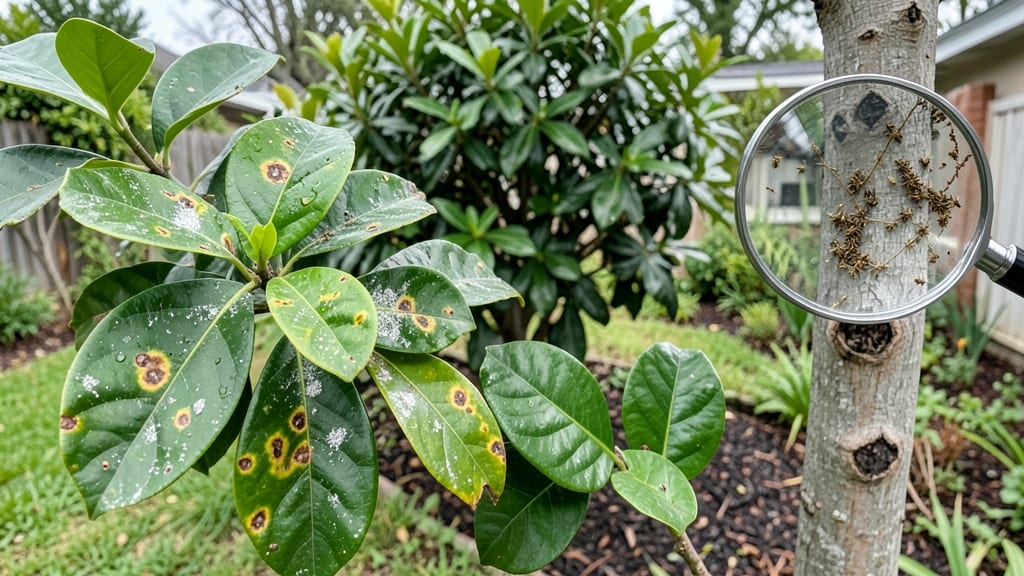
When your curry leaf tree’s glossy leaves start yellowing or black spots appear overnight, you’re dealing with a disease that can spread fast. 🌿 I’ve seen this happen to my own tree after a humid summer—what looked like a minor issue turned into a full-blown fungal battle if I didn’t act quickly.
The key isn’t just treating symptoms but understanding why they happen in the first place.
Most problems stem from too much moisture on leaves or poor air circulation, especially in hot climates where humidity lingers. Powdery mildew, leaf spot, and root rot are the usual culprits, and they all thrive when your tree gets stressed—whether from overwatering, crowded roots, or nutrient deficiencies.
The good news? Early action with organic sprays and better care routines can save your tree before it’s too late.
You’ll learn to spot these diseases before they take hold—think yellowing edges, dark spots, or wilting branches—and how to treat them with neem oil, copper fungicides, or even a simple baking soda spray.
The goal is to restore that vibrant green growth you love, without harsh chemicals that harm the soil or your kitchen’s fresh curry leaves.
This works for both backyard trees and container-grown plants, whether you’re in Florida’s heat or a California courtyard. Let’s get your curry leaf tree back to its healthy, fragrant best before the next rainstorm rolls in.
Root Causes of Curry Leaf Tree Ailments
Curry leaf trees (Murraya koenigii) are hardy plants, but like all living things, they’re vulnerable to stress and pathogens. Understanding why these diseases strike is the first step to prevention and recovery.
Below, we break down the key factors—from microbial invaders to environmental mismanagement—that weaken your tree and invite trouble.
Curry leaf trees often fall prey to opportunistic microbes that exploit weak spots in their defenses. Here’s how they strike:
- Fungal Infections (Powdery Mildew, Leaf Spot, Root Rot) - Overhead Watering 💦: Fungi like Erysiphe (powdery mildew) thrive in moist leaf surfaces, especially when water lingers.
Poor air circulation (e.g., dense foliage or crowded plantings) traps humidity, creating a fungal paradise. - Wounded Bark 🪓: Pruning cuts or storm damage expose the tree to root rot fungi (Phytophthora or Fusarium), which seep into the vascular system, blocking nutrient flow. Pro tip: Always sterilize pruning tools with 70% rubbing alcohol to avoid cross-contamination. - Soilborne Pathogens 🌱: Compacted or waterlogged soil fosters root-infecting fungi, weakening the tree’s immune response. Example: Colletotrichum causes dark, sunken leaf spots by entering through stomata (leaf pores).
- Bacterial Blights (Leaf Scorch, Cankers) - Bacterial Leaf Spot (Xanthomonas spp.) spreads via rain splash or contaminated tools, targeting young leaves.
Warm, wet conditions (75–90°F) accelerate outbreaks. - Canker Diseases (e.g., Pseudomonas syringae) exploit physical stress (drought, frost, or mechanical damage) to colonize bark wounds, forming oozing lesions that girdle branches.
- Viral Threats (Rare but Devastating)
- Viruses like Curry Leaf Chlorosis Virus (CLCV) are spread by sap-sucking insects (e.g., aphids or whiteflies). Once infected, the tree shows mosaic patterns or stunted growth, with no cure—only removal to prevent spread.
Your curry leaf tree isn’t just fighting microbes—it’s also battling environmental abuse. These factors weaken its defenses:
- Poor Drainage & Waterlogging 🚫💧
- Root asphyxiation occurs when soil stays soggy for >48 hours, cutting off oxygen. Result: Roots rot (Pythium or Phytophthora), and the tree yellows from nutrient starvation.
- Fix: Amend clay soil with perlite or coconut coir (20–30% by volume) to improve aeration.
- Extreme Temperatures ❄️☀️
- Cold Snaps (<40°F): Curry leaves are tropical—frost damages cell membranes, making them susceptible to secondary fungal infections (e.g., Botrytis).
- Heat Stress (>100°F): Intense sun + drought causes leaf scorch (brown edges), weakening the tree’s ability to photosynthesize. Solution: Provide afternoon shade during summer peaks.
- Nutrient Imbalances 🍽️
- Deficiency in Micronutrients (e.g., magnesium, zinc, or iron) manifests as interveinal chlorosis (yellowing between veins), signaling poor metabolic function. Example: Iron deficiency (common in alkaline soils) stunts growth, making the tree more prone to pests.
- Over-fertilization 🚫💥: Excess nitrogen promotes lush but weak foliage, attracting pests like thrips or spider mites, which then vector diseases.
- Physical Damage 🪓
- Hail, Wind, or Animal Chewing create entry points for pathogens. Even pruning wounds left unhealed can fester, inviting bacterial cankers or sooty mold (a fungal hitchhiker on sap).
Pests don’t cause diseases directly, but they open doors for pathogens.
Watch for: - Aphids & Whiteflies 🐛: Their honeydew feeds sooty mold fungi, smothering leaves and blocking sunlight. - Scale Insects 🐌: Piercing-sucking mouthparts inject toxins, weakening the tree’s vascular system. - Mealybugs 🍯: Infestations lead to mushy, rotting stems due to secondary fungal infections like Botrytis.
Actionable Tip: Use neem oil spray (1% solution) weekly during outbreaks to disrupt pest life cycles and reduce disease vectors.
Even well-meaning gardeners accidentally invite problems with:
- Overcrowding 🏢: Trees in tight spaces compete for light and air, increasing humidity and fungal spores.
- Improper Pruning ⏳: Top-heavy cuts or flailing branches create stress points. Rule: Prune during dormant season (winter) and never remove >25% of foliage at once.
- Ignoring Mulch 🪴: Thick mulch layers (>3 inches) can suffocate roots or trap moisture, promoting root rot. Fix: Use 2-inch wood chip mulch, keeping it 6 inches away from the trunk.
- Alkaline Soil (pH >7.5): Locks out iron and manganese, causing chlorosis and weakening the tree’s immune response.
- Urban Pollution 🚗: Ozone or sulfur dioxide from traffic can bleach leaves, reducing their ability to fend off pathogens.
- Salinity (Coastal Areas 🌊): Salt buildup in soil osmotically stresses roots, making them vulnerable to Fusarium wilt.
Pro Tip: Test soil pH annually—aim for 6.0–6.5 for optimal curry leaf health. Amend with sulfur or peat moss if needed.
Fixing Curry Leaf Tree Ailments
When your curry leaf tree shows signs of distress, acting quickly with the right organic solutions can save it—and your kitchen’s aromatic future! Below are targeted fixes for common diseases, paired with prevention tips to keep your tree thriving.
Think of this as your curry leaf first aid kit, minus the harsh chemicals.
Cause: Overwatering, poor air circulation, or humidity traps fungi like Alternaria or powdery mildew.
How to Treat It:
1️⃣ Prune for airflow: 🔪 Trim dense or overgrown branches to improve ventilation. Focus on inner foliage where moisture lingers. 2️⃣ Neem oil spray: 🍳 Mix 1 tbsp neem oil + 1 tsp mild soap in 1 quart of water.
Spray undersides of leaves (where fungi hide) every 7–10 days until symptoms fade. 3️⃣ Baking soda remedy: 🧂 Dissolve 1 tsp baking soda + 1 tsp oil in 1 gallon of water. Spray on leaves weekly to raise pH and deter fungi.
Prevention Tips:
- 🌡️ Water only when the top 2 inches of soil are dry—fungi love soggy roots!
- ✨ Space trees 3–4 feet apart to reduce humidity buildup.
- 💡 Use mulch sparingly (2–3 inches max) to avoid trapping moisture.
Cause: Spider mites, aphids, or curry leaf borers weaken leaves by draining sap, leaving sticky residue or chewed stems.
How to Treat It:
1️⃣ Hose them off: 🚰 Spray leaves with a strong stream of water daily for 3–5 days to dislodge mites/aphids. 2️⃣ Insecticidal soap: 🍳 Blend 2 tbsp castile soap + 1 quart water. Spray directly on pests (test on a small leaf first).
3️⃣ Borers? Drill & drown: ⏰ For stem borers, drill a small hole into the infested area, then inject neem oil + water to suffocate larvae.
Prevention Tips:
- 🌿 Introduce ladybugs or parasitic wasps (natural predators of pests).
- 🎯 Inspect new plants for pests before bringing them home.
- 💡 Wrap trunks with aluminum foil (12+ inches high) to deter borers from laying eggs.
Cause: Bacterial leaf spot (Xanthomonas) or fungal spots from splashing water during rain.
How to Treat It:
1️⃣ Remove infected leaves: 🗑️ Prune all spotted leaves and destroy them (don’t compost!). Sterilize pruners with rubbing alcohol. 2️⃣ Copper fungicide: 🛡️ Use organic copper spray (follow label rates) every 2 weeks until new growth appears.
3️⃣ Hydrogen peroxide rinse: 🧪 Mix 1 tbsp 3% H2O2 in 1 quart water. Spray leaves to disinfect surfaces.
Prevention Tips:
- 🌧️ Water at the base (avoid overhead spraying during wet seasons).
- 💡 Space out watering to prevent soil saturation.
- ✨ Apply compost tea monthly to boost natural resistance.
Cause: Overwatering or poor drainage causes roots to suffocate, turning black and mushy.
How to Treat It:
1️⃣ Stop watering immediately: ⏰ Let soil dry completely for 2–3 weeks to halt rot progression. 2️⃣ Repot in fresh mix: 🏺 Remove the tree, trim black/mushy roots, and replant in a pot with cactus/succulent mix + perlite.
3️⃣ Fungicide drench: 🍄 Use Trichoderma biofungicide (organic) to repopulate roots with beneficial microbes.
Prevention Tips:
- 🏺 Use pots with drainage holes and elevate them on saucers.
- 💡 Add coir or sand to soil to improve aeration.
- 🌡️ Monitor soil moisture with a moisture meter—aim for 40–60% humidity.
💡 Pro Tip: For any disease, rotate treatments every 2–3 weeks to prevent resistance. Healthy soil = happy trees! Test soil pH (ideal: 6.0–7.0) and amend with lime or sulfur as needed.
Frequently asked questions
My curry leaf tree leaves are turning yellow—could it be a disease?
Yellowing leaves often signal nutrient deficiency (like iron or magnesium) or root stress, but diseases like leaf spot or powdery mildew can also cause it. Check for dark spots, powdery residue, or wilting—these point to fungal/bacterial issues. Start by testing soil pH (6.0–6.5 is ideal) and adjust watering to prevent soggy roots.
How do I know if my curry leaf tree has root rot?
Root rot shows as black, mushy roots and yellowing leaves despite dry soil. Gently remove the tree from its pot—healthy roots are firm and light tan. If you see foul-smelling, slimy roots, repot immediately in fresh, well-draining mix (cactus/succulent soil + perlite) and stop watering for 2–3 weeks to let roots recover.
Can neem oil treat bacterial diseases like leaf spot?
Neem oil works best for fungal issues (like powdery mildew) but isn’t a cure-all for bacterial diseases. For bacterial leaf spot, remove infected leaves immediately and use copper fungicide (organic options like Copper Soap) every 2 weeks. Pair this with hydrogen peroxide sprays (1 tbsp 3% H2O2 per quart of water) to disinfect leaf surfaces.
Why does my curry leaf tree keep getting powdery mildew even after treatment?
Powdery mildew thrives in humid, low-airflow conditions. If it keeps returning, check these fixes: Prune dense branches to improve airflow, water at the base (never overhead), and space trees 3–4 feet apart. Rotate treatments—alternate neem oil with baking soda spray (1 tsp baking soda + 1 tsp oil per gallon of water) to prevent resistance.
Is it safe to use chemical fungicides on my curry leaf tree?
Chemical fungicides can harm the tree and contaminate your edible leaves. Stick to organic alternatives: Copper fungicide (for bacterial/fungal spots), Trichoderma biofungicide (for root rot), or neem oil (for mildew). Always follow label instructions and rinse leaves 24 hours before harvesting for cooking.