
Pests and Diseases
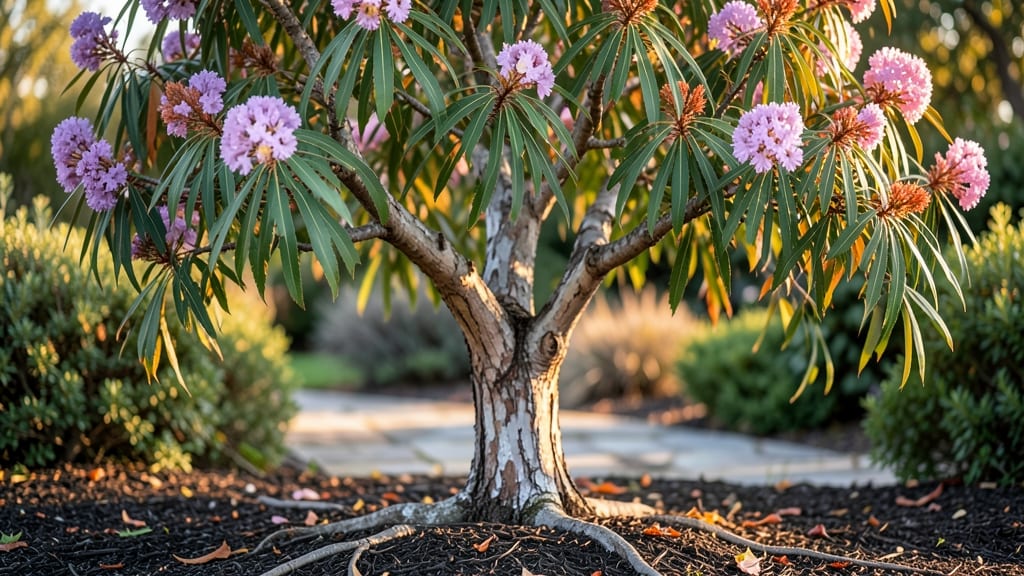
Mastering crepe myrtle leaf identification starts with admiring their natural beauty—glossy, lance-shaped leaves that range from deep green to vibrant chartreuse, depending on the cultivar. 🌿 I’ve spent years studying these trees, and the key is recognizing healthy variations first: smooth edges, pointed tips, and veins that fan out like delicate lacework.
But when those leaves start developing white powder or dark spots, that’s when you know something’s wrong.
The five most common cultivars each have distinct leaf shapes and colors: 'Natchez' stays a bright green year-round, while 'Muskogee' turns a stunning golden-yellow in fall. Powdery mildew shows up as a white, flour-like coating, while leaf spot appears as brown or black patches with yellow halos.
Aphids cluster on undersides, leaving sticky residue, and scale insects create bumpy, crusty spots that don’t wipe off easily.
Once you spot the issue, act fast—healthy leaves recover quickly with the right care. Prune affected branches in late winter, apply neem oil for pests, or spray fungicide for mildew. The goal is to restore that lush, vibrant foliage you fell in love with when you first planted your tree.
This guide breaks down the visual clues so you can tell natural beauty from trouble signs—no guesswork, just clear steps to keep your crepe myrtle thriving. Whether it’s a new cultivar or an old favorite, you’ll learn to spot problems before they take over.
Underlying Causes of Leaf Issues
Crepe myrtle trees are prized for their vibrant blooms and lush foliage, but when leaves start looking off, it’s often a sign of underlying stress. Understanding why these changes happen is the first step to restoring your tree’s health.
Below, we break down the most common culprits—from environmental factors to biological threats—with clear explanations and actionable insights.
Crepe myrtles are hardy, but extreme or inconsistent conditions can trigger leaf problems. Here’s how your tree’s environment might be causing the trouble:
- Temperature Swings: Crepe myrtles thrive in USDA Zones 7–9, but sudden freezes (<32°F) or heatwaves (>95°F) can shock the tree. Cold damage often appears as brown, crispy edges or blackened leaves, while heat stress may cause yellowing (chlorosis) or wilting. Young trees and cultivars like ‘Natchez’ (white blooms) are especially sensitive to late-spring frosts.
- Watering Woes:
- Overwatering: Soggy soil cuts off oxygen to roots, leading to yellow leaves with brown spots or leaf drop. Look for mushrooms at the base—this signals root rot.
- Underwatering: Leaves curl inward, turn dull green or bronze, and may develop crispy edges. The soil will pull away from the pot (if container-grown) or feel bone-dry 2–3 inches deep.
- Sunlight Imbalance: Crepe myrtles need full sun (6+ hours daily). Too little light causes pale, leggy growth and sparse blooms, while intense afternoon sun without acclimation can scorch leaves (white/yellow patches). Variegated cultivars (e.g., ‘Tonto’) are more prone to sunburn.
💡 Pro Tip: Mulch 2–3 inches deep with shredded bark to regulate soil temperature and retain moisture. Keep mulch away from the trunk to prevent rot.
Pests and pathogens are the sneaky villains behind many crepe myrtle leaf mysteries. Here’s how to spot them and what they’re really after:
| Pest/Disease | Leaf Symptoms | Why It Happens |
|---|---|---|
| Crepe Myrtle Bark Scale | Sticky honeydew on leaves, black sooty mold, yellowing, and premature leaf drop. | These tiny, armored insects suck sap, weakening the tree. They thrive in hot, dry conditions and often go unnoticed until populations explode. |
| Japanese Beetles | Irregular chewed holes along leaf edges, skeletonized foliage. | Adult beetles feed in groups, targeting soft new growth. They’re most active in July–August and are drawn to stressed or over-fertilized trees. |
| Powdery Mildew | White, powdery coating on leaf surfaces, stunted growth. | A fungal infection that spreads in humid, shady conditions. Tight plantings or poor airflow encourage it, especially in cultivars like ‘Rapid Fire’ with dense foliage. |
| Leaf Spot Fungi | Dark spots with yellow halos, premature leaf fall. | Spores splash onto leaves during rain or overhead watering. Wet foliage for >12 hours creates the perfect breeding ground. |
🔥 Action Step: For pests, blast off beetles with a strong stream of water or use neem oil (mix 2 tbsp per gallon of water). For fungi, remove infected leaves and apply copper fungicide at the first sign of powdery mildew.
Yellowing, mottling, or stunted leaves aren’t always about pests—they might be screaming for nutrients. Crepe myrtles are light feeders, but imbalances reveal themselves in specific ways:
- Nitrogen (N) Deficiency:
- Symptoms: Pale yellow leaves (chlorosis) starting on older foliage, poor growth.
- Why It Happens: Nitrogen fuels leaf production. If your soil is sandy or overworked, the tree can’t access it. Overwatering also leaches nitrogen away.
- Iron (Fe) Deficiency:
- Symptoms: Bright yellow leaves with green veins (interveinal chlorosis), often on new growth.
- Why It Happens: Iron is immobile in plants, so symptoms appear first in young leaves. Alkaline soil (pH >7.0) locks out iron, making it unavailable even if present.
- Magnesium (Mg) Deficiency:
- Symptoms: Yellow patches between veins on older leaves, followed by brown, crinkled areas.
- Why It Happens: Magnesium is a key component of chlorophyll. Heavy clay soils or excessive potassium can starve the tree of this nutrient.
🌡️ Soil Test First: Before fertilizing, test your soil’s pH and nutrient levels. For crepe myrtles, aim for pH 6.0–7.0. If deficient, use chelated iron (for Fe) or Epsom salt (for Mg) sparingly—overdoing it can harm roots.
By pinpointing the root cause—whether it’s environmental, biological, or nutritional—you can target treatments and save your crepe myrtle’s stunning foliage. Next, we’ll dive into how to confirm these issues with a visual checklist.
Fixing Crepe Myrtle Leaf Issues
Now that you’ve identified the problem—whether it’s discolored leaves, holes, wilting, or unexpected growth—here’s how to tackle it with targeted solutions. Each issue has a specific cause and fix, paired with prevention tips to keep your crepe myrtle thriving. Let’s roll up our sleeves and get to work! 🌿🔧
Cause: Overwatering, nutrient deficiency, or fungal diseases like powdery mildew.
How to Fix It: 🔥 Adjust Watering Habits
- Crepe myrtles hate soggy roots. Water deeply once a week (or less in rainy seasons) and ensure the soil drains well. If your plant is in a pot, check for drainage holes—if not, repot it.
🍳 Boost Soil Nutrition
- Spread a balanced, slow-release fertilizer (10-10-10 or 20-20-20) around the base in early spring. For organic options, try compost or worm castings. Avoid over-fertilizing, which can burn roots.
👨🍳 Treat Fungal Infections - If powdery mildew is the culprit, mix 1 tsp baking soda + 1 quart water + a drop of dish soap.
Spray the leaves thoroughly every 7–10 days until the white powder disappears. For severe cases, use a fungicide like neem oil or copper-based spray.
⏰ Prune Damaged Foliage
- Snip off yellow or brown leaves with clean pruners to redirect the plant’s energy to healthy growth. Sterilize your tools with rubbing alcohol to prevent spreading disease.
💡 Prevention Tips:
- Test your soil every 2–3 years to check pH (ideal: 6.0–7.0) and nutrient levels.
- Mulch around the base (2–3 inches of wood chips or shredded bark) to retain moisture and regulate soil temperature.
- Avoid overhead watering—water at the base to keep leaves dry and reduce fungal risks.
Cause: Pests like Japanese beetles, aphids, or spider mites feasting on your crepe myrtle.
How to Fix It: 🔥 Handpick or Blast Off Pests
- For Japanese beetles, fill a bucket with soapy water and shake them off the plant into it. Do this in the early morning when they’re sluggish. Repeat daily until they’re gone.
🍳 Spray Natural Repellents
- Mix 1 tsp neem oil + 1 tsp dish soap + 1 quart water in a spray bottle. Apply to the undersides of leaves (where pests hide) every 3–4 days. For aphids, a strong stream of water can knock them off.
👨🍳 Use Row Covers or Netting
- If beetles are relentless, drape fine mesh netting over young plants to block them. Remove it during pollination if your crepe myrtle has flowers.
🔪 Introduce Beneficial Insects
- Ladybugs and lacewings devour aphids and mites. Buy them online or attract them by planting dill, fennel, or marigolds nearby.
🌡️ Prevention Tips:
- Prune regularly to improve airflow and reduce hiding spots for pests.
- Encourage natural predators by avoiding broad-spectrum pesticides that harm beneficial insects.
- Inspect new plants before bringing them home—quarantine them for a week to spot hitchhiking pests.
Cause: Underwatering, root rot, or heat stress during summer.
How to Fix It: 🔥 Check the Roots
- Gently dig around the base to see if roots are black/mushy (root rot) or dry and brittle (underwatering). If rot is present, trim affected roots with sterilized pruners.
🍳 Revive with Proper Watering - For underwatering: Water deeply until the soil is moist 6 inches down. Use a moisture meter to track soil hydration. - For root rot: Improve drainage by amending the soil with perlite or sand.
Avoid watering until the top 2 inches of soil are dry.
👨🍳 Provide Shade and Mulch
- If heat stress is the issue, temporarily shade the plant with a cloth or move it to a spot with afternoon shade. Mulch heavily to keep roots cool.
✨ Adjust Care in Extreme Weather
- In summer, water early in the morning to reduce evaporation. In winter, protect young plants with burlap wraps if temperatures drop below 20°F.
💡 Prevention Tips:
- Group plants together to create a microclimate with more humidity.
- Monitor weather forecasts and adjust watering schedules for heatwaves or droughts.
- Avoid compacted soil—loosen it annually to improve root health.
Cause: Poor lighting, over-fertilizing, or transplant shock.
How to Fix It: 🔥 Move to a Sunniér Spot
- Crepe myrtles need full sun (6+ hours daily). If yours is in shade, gradually acclimate it by moving it a few inches closer to sunlight each week.
🍳 Fertilize Correctly
- Use a low-nitrogen fertilizer (like 5-10-10) in early spring. Too much nitrogen causes leafy growth but weak stems. Follow package instructions—more isn’t better!
👨🍳 Prune for Structure
- Trim back overly long or leggy branches to encourage bushier growth. Cut just above a leaf node or bud to promote new shoots.
🎯 Repot if Needed
- If your crepe myrtle is in a pot, check for root-bound conditions (roots circling the bottom). Repot into a larger container with fresh, well-draining soil.
💡 Prevention Tips:
- Plant in spring or early fall to avoid transplant shock in extreme heat or cold.
- Space plants 6–10 feet apart to allow airflow and reduce competition.
- Avoid pruning in late summer—this can stimulate tender new growth that won’t survive winter.
Final Pro Tip: 🌟 Keep a plant journal to track watering, fertilizing, and pest issues. Note what works (or doesn’t) so you can adjust care next season. Happy gardening—your crepe myrtle will thank you with vibrant leaves and stunning blooms! 🌸
Frequently asked questions
How can I tell if my crepe myrtle leaves are healthy?
Healthy crepe myrtle leaves are glossy, lance-shaped with smooth edges and pointed tips. They should be deep green to chartreuse depending on the cultivar, with visible veins that fan out like lace. Look for firm texture and no unusual spots, discoloration, or curling.
What's the difference between crepe myrtle leaf spot and powdery mildew?
Leaf spot appears as dark brown or black patches with yellow halos, often causing premature leaf drop. Powdery mildew, however, shows up as a white, flour-like coating on leaf surfaces and rarely kills the leaf. Check for these clues: leaf spot spreads with rain, while mildew thrives in humid, shady conditions.
Why are my crepe myrtle leaves turning yellow?
Yellowing leaves usually indicate overwatering, nutrient deficiency, or pest damage. Check the soil—if it's soggy, you're watering too much. For deficiencies, look for pale yellow (nitrogen) or yellow with green veins (iron). Aphids or scale insects can also cause yellowing by sucking sap. Test your soil first!
Can I identify crepe myrtle by its leaves alone?
While crepe myrtle leaves share similar lance-shaped characteristics, you can narrow it down by color and size. 'Natchez' has bright green leaves year-round, while 'Muskogee' turns golden-yellow in fall. Look for opposite branching (leaves grow in pairs) and 4–6 inch long leaves—these are classic crepe myrtle traits.
What should I do if I find holes in my crepe myrtle leaves?
Holes in leaves are usually caused by Japanese beetles or spider mites. Blast beetles off with water in the morning, or use neem oil spray for mites. For severe infestations, cover young plants with fine mesh netting. Check the undersides of leaves where pests hide—they often leave sticky honeydew behind.