
Pests and Diseases
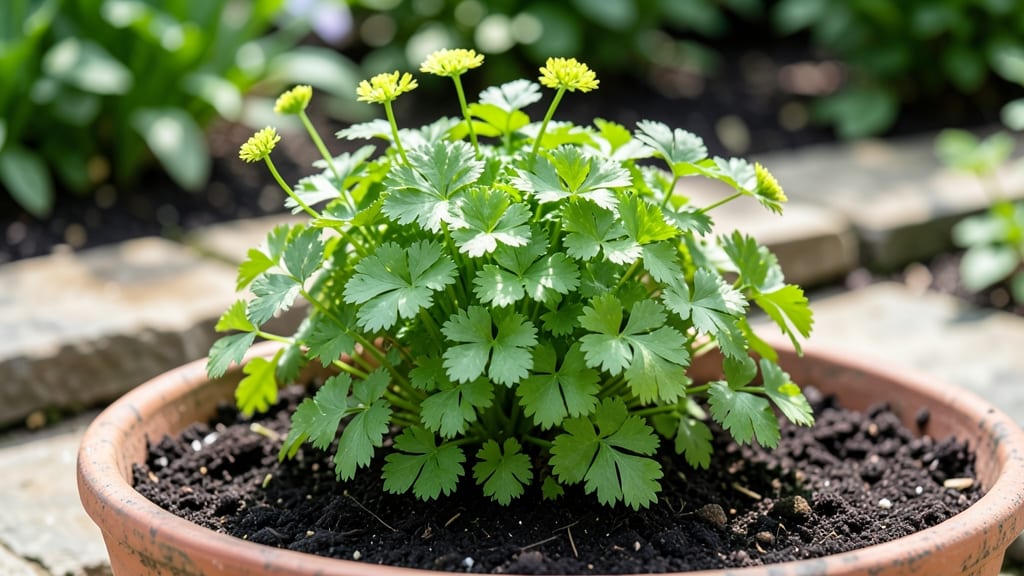
Growing coriander leaf and parsley together isn't just smart—it's a flavor and pest-control powerhouse you won't find in any store-bought herb blend. 🌿 These two herbs complement each other perfectly, with parsley's sturdy roots breaking up coriander's delicate taproot system while repelling aphids that love cilantro.
The best part? They thrive side by side with minimal extra effort once you get the spacing right.
Start with a sunny spot that gets at least 6 hours of sunlight daily—coriander bolts faster in heat, so morning sun works best. Use well-draining soil (mix in compost for moisture retention), and plant seeds ¼-inch deep, spacing coriander 6 inches apart and parsley 12 inches apart.
Water gently to avoid washing seeds away, and keep soil consistently moist but never soggy—both herbs hate wet feet.
You'll harvest fresh leaves in 4-6 weeks, but here's the secret: snip outer stems first to encourage bushier growth. Coriander's flavor peaks early, while parsley stays sweet all season.
If your cilantro bolts (turns to flower), harvest the stems for seeds or use the leaves immediately—they taste stronger when flowering.
Pair them with dill or basil to complete the pest-repelling trio, and avoid planting near mint or sage, which compete for nutrients. With this setup, you'll have a self-sustaining herb duo that keeps pests away while giving you endless fresh flavor for tacos, soups, and salads.
📚 In This Guide
- What you need
- Instructions
- Tips and common mistakes
- Wrapping up and next steps
What you need
- ● Fresh coriander leaves (cilantro): 1 cup (packed) – organic or pesticide-free preferred for safety and potency.
- ● Fresh parsley leaves: 1 cup (packed) – flat-leaf or curly varieties work equally well.
- ● Water: 2 cups – filtered or distilled for best results (avoid tap water with chlorine if possible).
- ○ Optional boosters: 1 tsp garlic cloves (minced) – enhances pest-repelling properties.
- ● 1 tsp neem oil – adds extra antifungal and insecticidal power.
- ● 1 tbsp apple cider vinegar – balances pH and improves shelf life.
- ● Blender or food processor: High-speed for a fine, liquid consistency (e.g., Vitamix, Ninja, or basic countertop model).
- ○ Fine-mesh strainer or cheesecloth: For straining out herb fibers (optional, if you prefer a smoother spray).
- ● Spray bottle (16–32 oz): Dark glass or BPA-free plastic to protect from light degradation.
- ● Measuring cups/spoons: For precision in mixing ingredients.
- ○ Optional: Funnel – for easy transfer of liquid into the spray bottle.
- ● Glass jar (16 oz) – for storing leftover herb mixture in the fridge (up to 5 days).
- ● Wear gloves if you have sensitive skin (herbs can cause mild irritation).
- ● Test the spray on a small plant area first to check for sensitivity (especially for delicate plants like lettuce).
- ● Work in a well-ventilated area if using neem oil or strong-smelling ingredients.
Step-by-Step instructions for growing coriander leaf and parsley together
Here’s how to grow these two complementary herbs side by side—maximizing flavor while naturally deterring pests.
🌱 Step 1: Prepare the Planting Area and Soil
Choose a location with 6+ hours of direct sun daily—both herbs thrive under full sun but tolerate partial shade if you live in a hotter climate. Loosen the soil to a depth of 12 inches, removing any rocks or debris that could impede root growth. I like to work in a raised bed or large container for easier pest management and drainage.
Amend the soil with 2 inches of compost and a handful of well-rotted manure to ensure nutrients stay balanced. The goal is loose, fertile soil that drains well but retains moisture. If your soil is heavy clay, mix in 1 part perlite to 3 parts soil to improve aeration. Coriander and parsley both dislike soggy roots, so good drainage is non-negotiable.
🌿 Step 2: Plant Seeds at the Right Depth and Spacing
Sow coriander seeds ¼ inch deep and parsley seeds ⅛ inch deep—parsley seeds are larger and need less depth to avoid rotting. Space coriander seeds 12 inches apart in rows 18 inches apart, while parsley can handle 10 inches apart in rows 12 inches apart. I plant them in alternating rows to create a natural pest-deterrent pattern—coriander’s strong scent confuses aphids, while parsley’s foliage provides shade for tender seedlings.
Water gently after planting to settle the soil around the seeds. Avoid overwatering, as both herbs are susceptible to damping-off if the soil stays too wet. A light misting from a spray bottle is ideal. Once the seeds sprout, thin them to the desired spacing, using the extra seedlings in salads or as microgreens.
💧 Step 3: Water and Maintain Consistent Moisture
Keep the soil evenly moist but never waterlogged—both coriander and parsley prefer 1 inch of water per week, delivered either through rainfall or irrigation. I water in the morning to allow foliage to dry before evening, which reduces fungal risks. You’ll know moisture is right when the top inch of soil feels damp to the touch but not soggy.
Coriander bolts (goes to seed) quickly under stress, so consistency is key. Mulch with 1 inch of straw or shredded leaves to retain moisture and suppress weeds. Avoid heavy mulch, which can smother young plants. Parsley, on the other hand, is more forgiving—it handles slight drought better than coriander but still appreciates steady water.
☀️ Step 4: Monitor Light and Fertilize Lightly
Both herbs need full sun, but if you notice leggy growth or pale leaves, your plants aren’t getting enough light. Coriander, in particular, stretches toward light if shaded. If indoor growing is your only option, place them under a grow light 4-6 inches away for 12-14 hours daily. Outdoor plants may need occasional pruning to encourage bushier growth.
Fertilize sparingly—too much nitrogen leads to rapid bolting in coriander. Use a balanced organic fertilizer (5-5-5) every 4-6 weeks, applying it lightly around the base of the plants. I avoid synthetic fertilizers, as they can overstimulate growth and shorten the harvest window. A side dressing of compost in early spring keeps nutrients steady without risk of overfeeding.
✂️ Step 5: Harvest and Prune for Continuous Growth
Harvest coriander leaves when they reach 3-4 inches tall, cutting just above a set of leaves to encourage regrowth. Avoid harvesting more than ⅓ of the plant at once, or it may bolt. Parsley can be harvested more aggressively—snip outer stems when they reach 6-8 inches, leaving the inner growth to mature. Both herbs taste strongest when harvested in the morning, right after dew has dried.
Regular pruning extends the harvest season. If coriander starts to bolt (sending up tall flower stalks), pinch off the flowers immediately—they signal the plant to stop producing leaves. Parsley, being biennial, often survives winter and regrows the following spring. In cold climates, mulch heavily before the first frost to protect the roots.
Tips & tricks for growing coriander and parsley together
These herb-growing secrets will help you cultivate a thriving, pest-resistant garden that produces flavorful leaves for months.
Soil Preparation Secret: The 2 inches of compost and handful of well-rotted manure in Step 1 aren't just about nutrients—they create the perfect microbial environment for root health. I like to add a sprinkle of mycorrhizal fungi to the mix (available at garden centers), which helps both herbs absorb nutrients more efficiently. For container growing, use a blend of potting soil and perlite at a 3:1 ratio to ensure excellent drainage, which is absolutely critical for preventing root rot in these moisture-sensitive plants.
Pest Defense Strategy: That alternating row pattern in Step 2 does more than just look pretty—it creates a natural pest-deterrent system. Coriander's strong citrusy scent confuses aphids and other insects, while parsley's dense foliage provides shade that makes seedlings less appealing to pests. I've found that adding a few rows of basil between them amplifies this effect even further, creating a triple-layered defense system against common garden pests.
Watering Wisdom: The 1 inch of water per week guideline in Step 3 is perfect, but timing matters just as much. I've learned the hard way that watering in the late afternoon can lead to fungal issues—always water in the morning so foliage has time to dry completely. For container growers, I recommend using self-watering pots with a moisture meter to maintain that perfect damp-but-not-soggy soil condition both herbs crave.
Light Optimization: When setting up your grow lights in Step 4, position them so they're just above the tallest plants—this prevents uneven growth. I've found that using LED grow lights with a full spectrum (especially red and blue wavelengths) gives both herbs the energy they need for robust growth. Remember that coriander will stretch toward light if it's not getting enough, so keep those lights consistently 4-6 inches away throughout the plant's growth cycle.
Pro Tips for Coriander Leaf And Parsley
- These herb-growing secrets will help you cultivate a thriving, pest-resistant garden that produces flavorful leaves for months.
- Soil Preparation Secret: The 2 inches of compost and handful of well-rotted manure in Step 1 aren't just about nutrients—they create the perfect microbial environment for root health.
- Pest Defense Strategy: That alternating row pattern in Step 2 does more than just look pretty—it creates a natural pest-deterrent system.
Frequently asked questions
Got questions about using coriander leaf and parsley together? You’re not alone—this dynamic duo is versatile but can be tricky for beginners! Here are some of the most common queries, answered in plain language to help you get the most out of these herbs.
Can I substitute coriander leaf for parsley (or vice versa) in recipes?
While both herbs add freshness, they have distinct flavors. Coriander leaf (cilantro) has a citrusy, slightly spicy kick, while parsley is milder and grassier. For pest-repelling sprays, parsley is often preferred due to its stronger aromatic oils, but coriander leaf works in a pinch—just use double the amount for similar effects.
How long do fresh coriander and parsley last in the fridge?
Freshness is key for pest control and flavor! Store both herbs in an airtight container with a damp paper towel. Coriander leaf stays fresh for 7–10 days, while parsley lasts 10–14 days. For longer storage, chop and freeze in ice cube trays with water—perfect for homemade sprays!
Will coriander leaf and parsley really keep pests away?
Yes—but consistency is key! These herbs contain natural compounds like linalool and limonene that deter aphids, spider mites, and even some fungi. For best results, reapply every 3–5 days or blend into a spray with water and a drop of dish soap (as an emulsifier). Pair them with garlic or chili for extra punch!
Can I grow coriander and parsley together in the garden?
Both are annual herbs that thrive in similar conditions: full sun to partial shade, well-draining soil, and moderate watering. Plant them 12–18 inches apart to prevent competition. Bonus: Their combined scent confuses pests, making them a natural garden buddy duo. Just avoid planting near carrots or parsley (they’re in the same family and can cross-pollinate).
Why does my homemade herb spray turn cloudy or smell funky?
Cloudiness often means bacteria or mold—discard and remake! To prevent this, use filtered water, store the spray in a dark glass bottle, and refrigerate for no more than 5–7 days. A funky smell? Your herbs may be old or the water wasn’t clean. Always strain through cheesecloth before use, and avoid adding metal spoons (they can react with acids in the herbs).
Wrapping up and next steps
Coriander leaf and parsley aren’t just culinary superstars—they’re powerhouse allies in your garden! 🌱 From boosting flavor in your kitchen to naturally repelling pests like aphids and spider mites, these herbs offer a two-for-one solution that’s easy, cost-effective, and eco-friendly.
Whether you’re a seasoned gardener or just starting out, integrating them into your space is a simple way to enhance both your harvest and your meals.
Ready to put this herb duo to work?
Start by planting them near your vulnerable crops or tucking them into pots on your patio. Next step: Experiment with their flavors in your favorite dishes—you’ll be amazed at how a pinch of parsley or a sprinkle of cilantro can elevate everything from salads to soups! 🍽️