
Advice
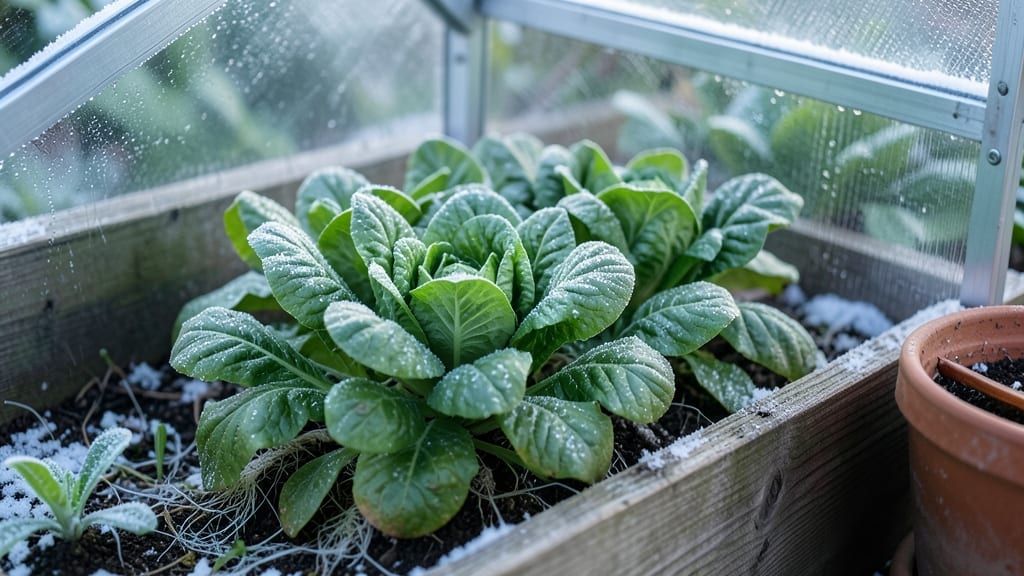
Extend your harvest season with these 10 cold-hardy leafy greens that thrive in frost, resist bolting, and deliver flavorful yields even when temperatures drop. Perfect for gardeners in zones 3-7 who refuse to let winter end their green harvests.
Kale Winterbor Variety
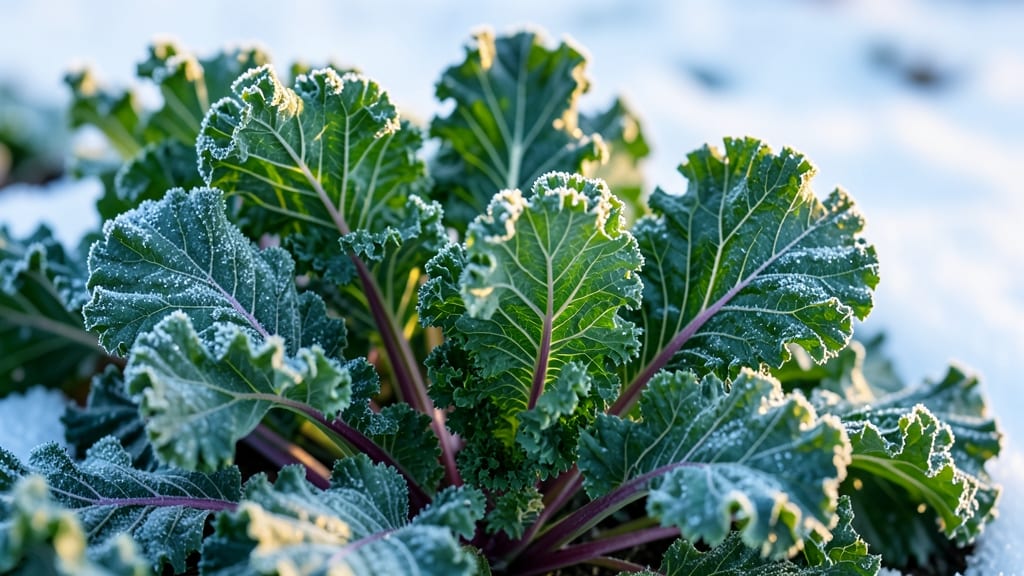
If you’ve ever wondered how to keep harvesting fresh greens when snowflakes start falling, Winterbor kale is your secret weapon. This curly kale variety doesn’t just survive winter—it thrives, staying crisp and flavorful even at 20°F (-6°C). The real magic? Its leaves actually sweeten after frost, making it one of the most rewarding cold-hardy greens for gardeners.
Plant Winterbor kale in late summer for a fall harvest or directly in containers by early autumn. Its thick stems hold up better in wind and cold than other kales, and the blue-green leaves add striking color to winter gardens. For best results, mulch heavily with straw or leaves to insulate roots, and water sparingly—just enough to keep soil moist but not soggy. This variety is perfect for both in-ground beds and overwintering containers, making it ideal for urban gardeners with limited space.
Whether you’re a beginner or a seasoned grower, Winterbor kale delivers year-round harvests with minimal effort. Its hardiness and improved flavor after frost make it a standout choice for anyone who loves fresh greens—no matter how cold it gets. 🌱
Spinach Bloomsdale Long Standing
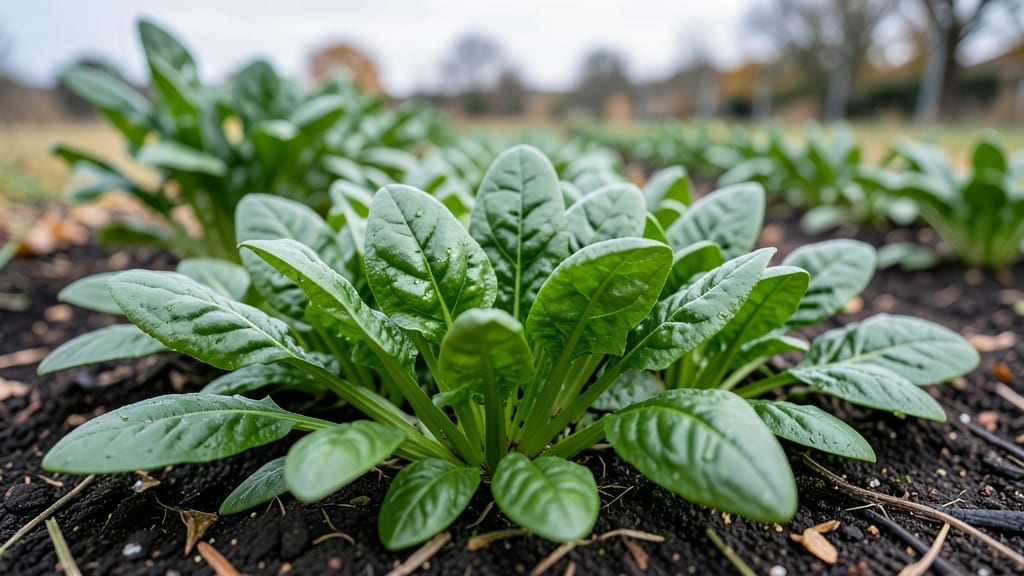
If you’ve ever struggled with spinach bolting before it even matures, Bloomsdale Long Standing is your game-changer. This heirloom variety is specifically bred to resist the early flowering (bolting) that plagues many spinach plants when temperatures warm up—making it ideal for late fall planting or early spring harvests.
Its tender, deep-green leaves stay crisp and flavorful even after light freezes down to 15°F (-9°C), giving you a reliable harvest when other greens might wilt. For best results, plant seeds directly in well-drained soil with partial shade (especially in hotter climates) and keep the soil consistently moist. Harvest outer leaves first to encourage continuous growth, and you’ll enjoy a steady supply of fresh spinach for weeks.
Perfect for gardeners in cooler climates or those looking to extend their harvest season, this variety is also beginner-friendly and thrives in containers. 🌱
Swiss Chard Bright Lights
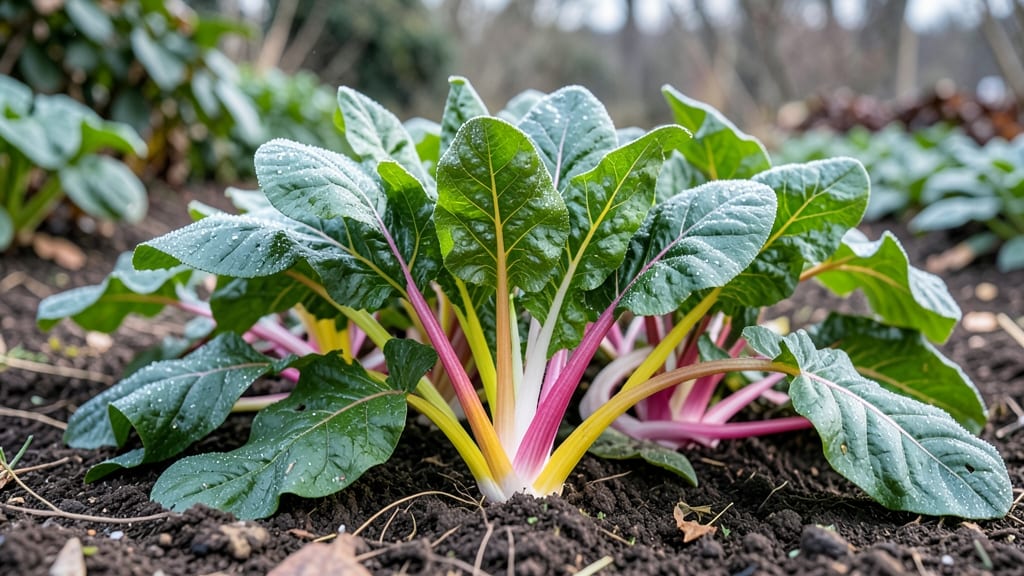
Transform your garden into a living rainbow with Swiss Chard Bright Lights, a cold-hardy superstar that thrives in 25°F (-4°C) and below. This variety isn’t just edible—it’s a stunning visual centerpiece, with stems in pink, yellow, and white that add color to any bed while producing tender, nutrient-packed greens.
Unlike spinach or kale, Swiss chard offers cut-and-come-again harvesting, meaning you can snip outer leaves repeatedly for fresh greens all winter long. Its broad, arrow-shaped leaves stay crisp in cold snaps, and the colorful stems add texture that no other cold-hardy green can match. Plant in full sun to partial shade and keep soil consistently moist for the best flavor and growth.
Perfect for beginner gardeners and small-space growers, this chard thrives in containers or garden beds. It’s also a pollinator magnet, attracting bees and butterflies while keeping your winter harvests vibrant. 🌻
Arugula Astro
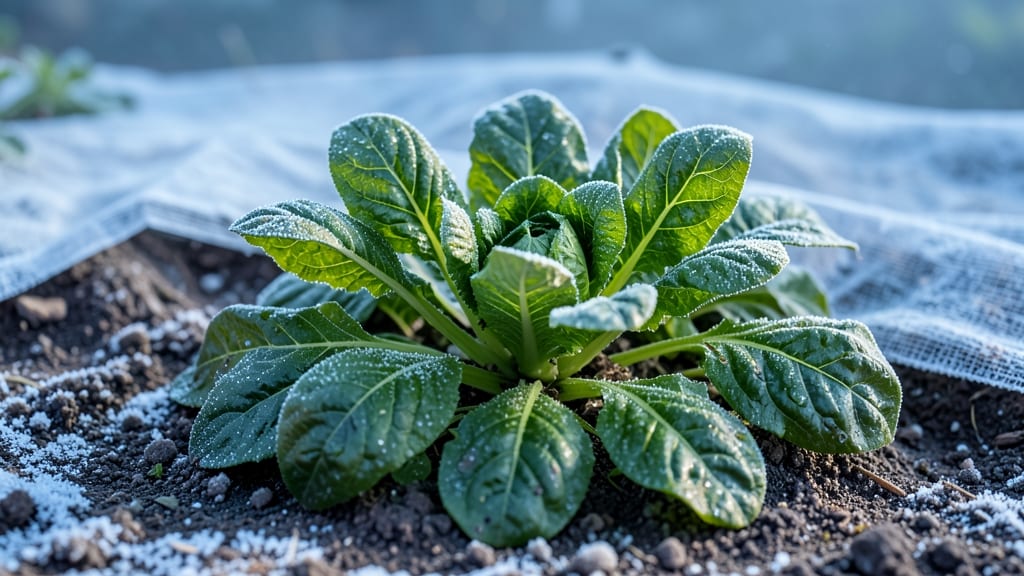
When winter threatens to end your salad season, Arugula Astro stands tall as the peppery hero of late-season harvests. Unlike its quick-bolting cousins, this variety slows down in cold weather, giving you fresh, spicy leaves even as temperatures dip to 20°F (-6°C)—with just a little protection like row covers or cold frames.
Sow seeds 6-8 weeks before your first frost for a harvest that stretches into winter, or plant in early fall for a spring surprise. Its slow bolting means you’ll enjoy tender leaves for microgreens or salads long after other varieties have gone to seed. For extra flavor, harvest outer leaves and let the center regrow—just avoid cutting more than a third at once.
Perfect for small spaces or containers, Arugula Astro is a must-have for gardeners who crave fresh greens without summer’s heat. Try it in your coldest beds and savor the peppery kick of winter harvests! 🌱
Collard Greens Vates
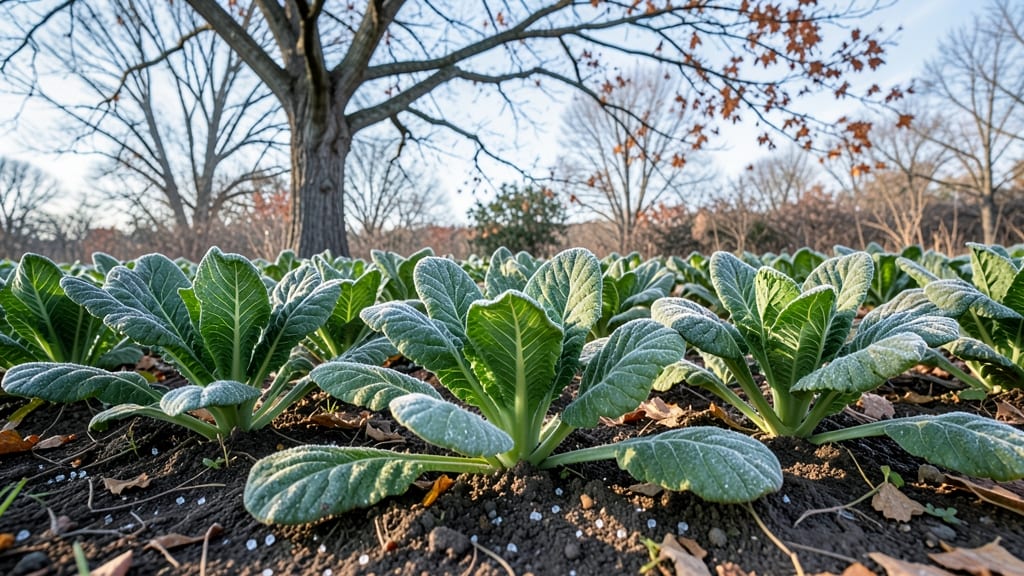
Skip the summer wilting—collard greens Vates shine brightest when temperatures dip. This Southern staple not only survives 15°F (-9°C) but sweetens dramatically after frost, making it the ultimate cold-weather crop for gardeners in zones 3-7.
Plant seeds directly in well-drained soil after your first frost for the best flavor, spacing them 12-18 inches apart. These large, dark green leaves thrive in full sun to partial shade and produce continuously through winter. Harvest outer leaves first, leaving the center to keep growing—perfect for stir-fries or slow-cooked dishes.
Whether you're a beginner or a seasoned gardener, Vates collards offer year-round harvests with minimal effort. Their hardiness and improved taste after frost make them a must-have for cool-climate gardens. 🌱
Mâche (Lamb's Lettuce) Vergy
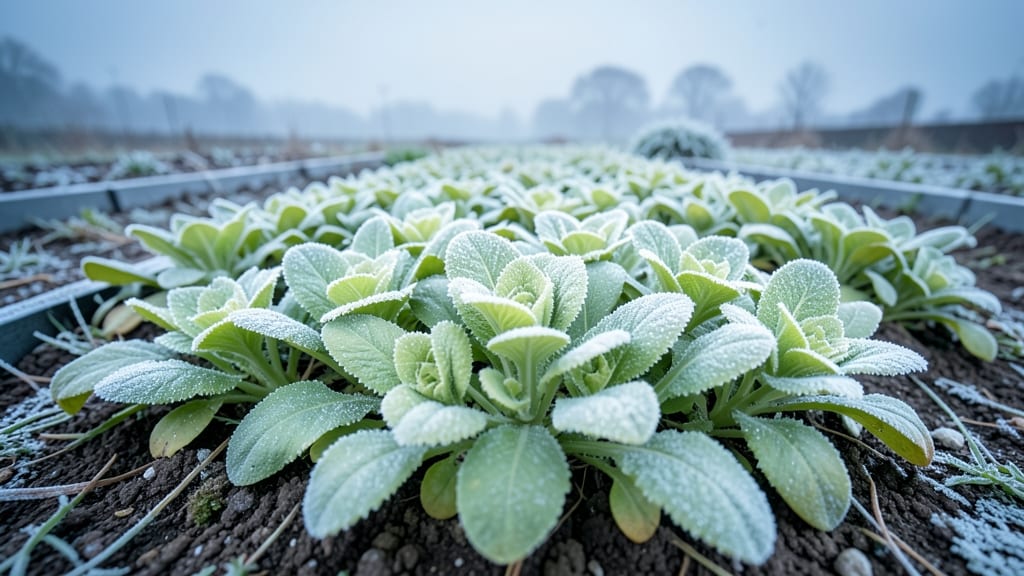
If you crave fresh greens during winter but dread the risk of frost damage, mâche (Lamb's Lettuce) Vergy is your secret weapon. This tender, buttery leaf thrives in temperatures as low as 10°F (-12°C), making it one of the most cold-hardy greens you can grow. Unlike other leafy greens, mâche doesn’t just survive winter—it multiplies rapidly, giving you a continuous harvest of delicate, sweet leaves perfect for salads and microgreens.
To grow mâche, start seeds indoors 4-6 weeks before your first frost or sow directly in well-draining soil enriched with compost. It prefers partial shade to full sun and benefits from a thin layer of mulch to protect against harsh winds. Harvest by snipping outer leaves when they reach 2-3 inches tall, leaving the center to keep producing. Its mild, nutty flavor pairs beautifully with winter fruits like pears or apples.
Perfect for urban gardeners with limited space, mâche grows well in containers and can even be grown indoors under grow lights. Its fast growth cycle (just 30-40 days to maturity) ensures you’ll have fresh greens on your table long before spring arrives. 🌿
Dwarf Blue Curled Parsley
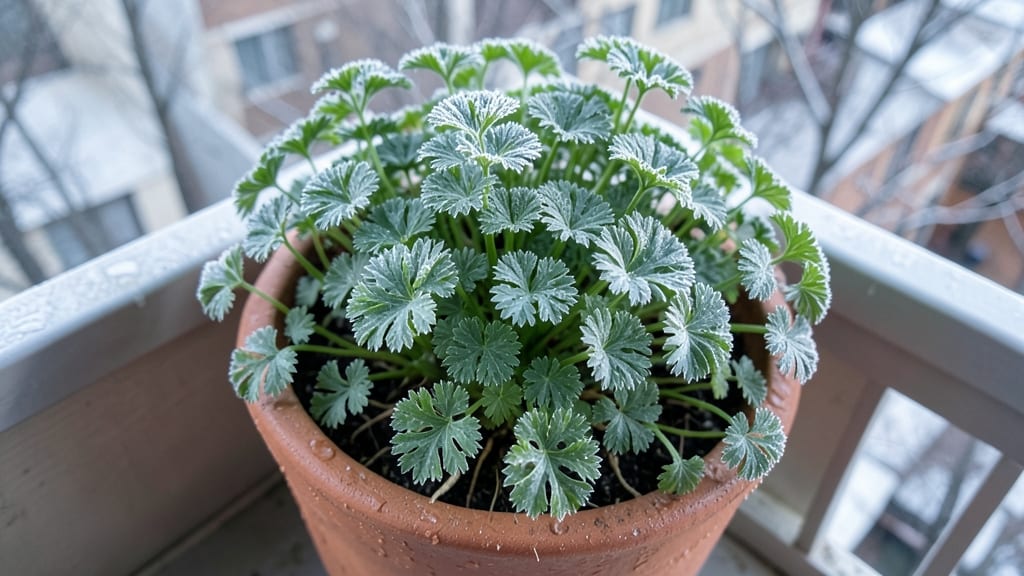
If you love fresh herbs but dread winter’s chill, dwarf blue curled parsley is your year-round ally—it thrives in temperatures as low as 15°F (-9°C) without wilting. Unlike its tender cousins, this variety keeps its vibrant blue-green curls crisp through frost, making it perfect for urban balconies or cold frames.
Both leaves and stems are edible, so you can snip what you need for soups, stews, or garnishes without wasting a thing. Plant in well-draining soil with 4-6 hours of sun and keep moisture consistent to avoid woody stems. Its compact size (12-18 inches tall) makes it ideal for containers, even in small spaces.
This hardy herb is a game-changer for gardeners who want flavorful greens without summer’s heat or spring’s fleeting blooms. 💚
Endive Curly Endive
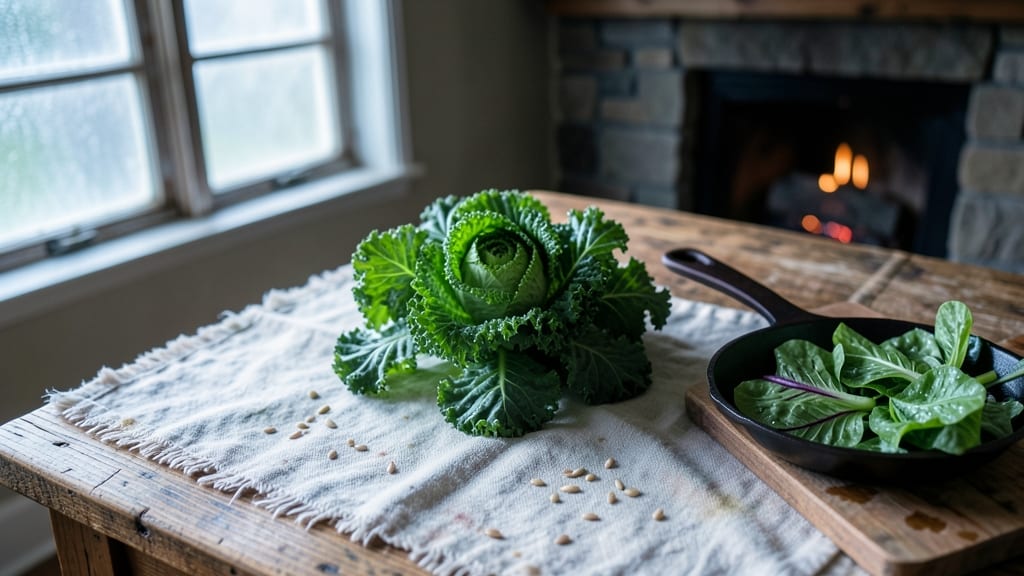
If you crave that bold, peppery bite in winter salads, curly endive is your secret weapon—it thrives when most greens bolt or freeze. This cool-season powerhouse tolerates temperatures down to 20°F (-6°C), making it perfect for late fall and early spring harvests.
Sow seeds 6-8 weeks before your first frost for a head start, and space them 12 inches apart in well-draining soil with partial shade in hotter climates. Its tight, frilly leaves form compact heads that stay crisp even after light frosts, adding texture and depth to dishes. For continuous harvests, plant succession crops every 3-4 weeks in fall.
Gardeners in zones 3-7 will love its resilience, while urban growers can tuck it into containers. The bitter, crunchy flavor pairs beautifully with citrus or creamy dressings—ideal for winter menus. 🌿
Pac Choi Tat Soi
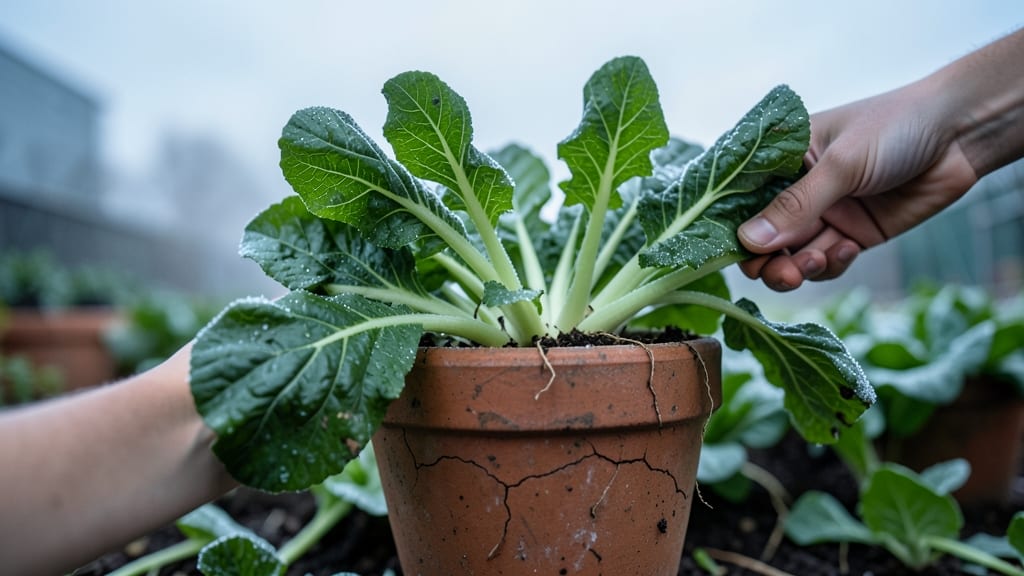
If you're an urban gardener with limited space but still crave fresh, homegrown greens, Pac Choi Tat Soi is your perfect match. This fast-growing Asian green thrives in containers and small plots, delivering tender leaves and stems that can handle 25°F (-4°C) temperatures—ideal for late fall or early spring harvests.
Plant seeds just ¼ inch deep in well-draining soil with 4-6 hours of sun daily, and you’ll see harvest-ready plants in just 30-40 days. The secret to keeping it productive? Harvest outer leaves first, leaving the inner growth to continue. Its mild, slightly sweet flavor makes it perfect for quick stir-fries or fresh salads.
This variety is especially great for beginners or those with small balconies—just 12-inch spacing between plants maximizes your yield. With its cold tolerance and compact growth, you’ll enjoy fresh greens all season long. 🌱
Winter Density Lettuce

If you’ve ever dreaded winter’s end for your garden, Winter Density Lettuce is your game-changer. This loose-leaf variety thrives in temperatures as low as 15°F (-9°C), making it a standout for cold frames, raised beds, or even snug containers. Unlike traditional lettuces that bolt or wilt in frost, this hybrid delivers crisp, flavorful leaves that improve after light freezes—perfect for hearty sandwiches or crisp winter salads.
Plant seeds 4-6 weeks before your first frost for an early harvest, and succession-sow every 2-3 weeks until early fall. The key to success? Well-draining soil and light mulch to protect roots from extreme cold. Unlike delicate spring lettuces, Winter Density won’t turn bitter—its sweet, peppery notes shine even in chilly conditions. It’s also cut-and-come-again friendly, so you’ll enjoy a steady supply without replanting.
This lettuce is a must-have for urban gardeners, cold-climate growers, and anyone tired of store-bought greens. With minimal effort, you’ll harvest year-round greens that taste fresher than anything from the grocery store. 🌱