
Pests and Diseases
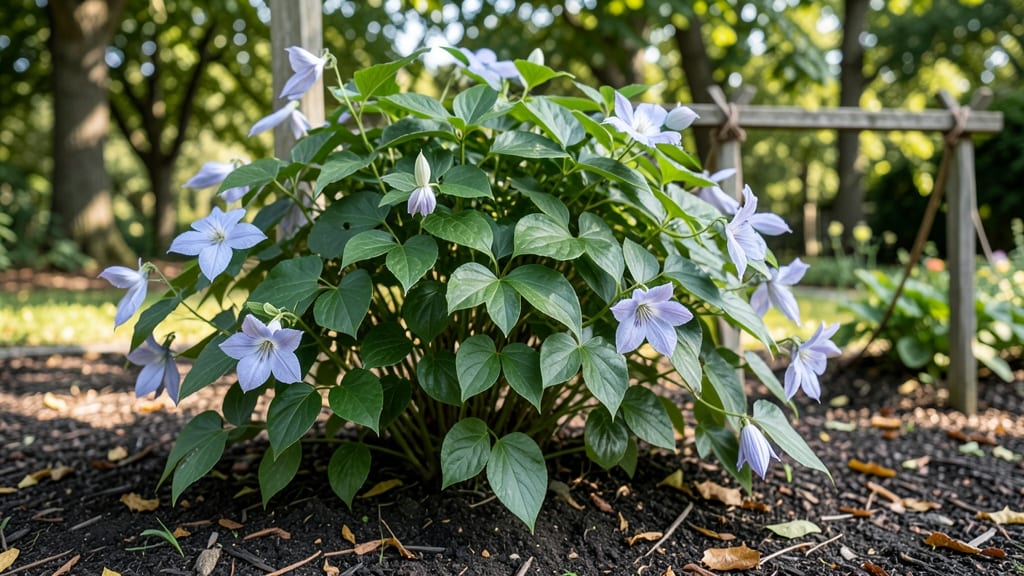
Big leaf vines turn any space into a lush, tropical escape—without the constant pruning battle. 🌿 I’ve grown Cobaea scandens (cup-and-saucer vine) and Monstera deliciosa (Swiss cheese plant) for years, and they’ve never needed more than a light trim to stay stunning.
The secret? Choosing the right species for your light and giving them space to climb or trail naturally.
These vines thrive in bright, indirect light but tolerate lower light better than most tropicals. Use well-draining potting mix and water when the top inch feels dry—overwatering is the #1 killer.
For outdoor vines, a sturdy trellis or fence gives them structure, while indoor types like Monstera love trailing from shelves or hanging baskets. Propagation is easy too: cuttings root in water, and seeds germinate quickly with warmth.
You’ll end up with bold, glossy leaves that add drama to any room or garden corner. The best part? They grow fast—Cobaea can climb 10 feet in a season—and their unique shapes (lacy, perforated, or heart-shaped) make them conversation starters.
Just watch for yellowing leaves (usually overwatering) or slow growth (too little light), and you’re golden.
Perfect for beginners, small spaces, or anyone tired of high-maintenance plants. Whether you’re training them up a pergola or letting them spill over a bookshelf, these vines deliver year-round impact with minimal effort. Let’s get growing!
📚 In This Guide
- What you need
- Instructions
- Tips and common mistakes
- Wrapping up and next steps
What you need
- ● Big leaf vines (e.g., Cobaea scandens, Hoya carnosa, or Parthenocissus tricuspidata): Choose healthy, disease-free plants from a reputable nursery.
- ● Pruning shears: Sharp, sterilized shears (or a clean knife) to trim affected or overgrown foliage.
- ● Garden gloves: Heavy-duty gloves to protect your hands from thorns or sap.
- ● Hose or watering can with nozzle: For targeted watering (avoid wetting leaves if fungal diseases are suspected).
- ● Neem oil (100% pure, organic): 1–2 tbsp per gallon of water (for fungal/bacterial treatments).
- ● Insecticidal soap: Ready-to-use spray (e.g., Safer® Brand) for soft-bodied pests like aphids or spider mites.
- ○ Systemic fungicide (optional): Copper-based or Myclobutanil for stubborn fungal issues (follow label rates).
- ● Aluminum foil or cardboard: To wrap tree trunks and protect them from vine damage (if using climbing varieties).
- ● Magnifying glass or loupe: For inspecting leaves/stems for early signs of pests/diseases.
- ● Spray bottle: For diluted neem oil or insecticidal soap applications.
- ○ Pruning sealant (optional): To coat cuts and prevent infections (e.g., Tanglefoot Tree Wound Pruning Seal).
- ● pH test kit: To check soil pH (ideal range: 6.0–7.0 for most big leaf vines).
- ● Mulch (wood chips or straw): 2–3 inches thick to retain moisture and deter weeds.
- ● Sunlight assessment: Big leaf vines thrive in partial shade to full sun (adjust care based on your climate).
- ● Well-draining soil: Amend heavy clay with compost or perlite if needed.
- ● Support structure: Trellises, arbors, or fences (for climbing varieties like Cobaea).
- ● Regular monitoring: Check vines weekly for pests/diseases (early action = easier fixes!).
How to grow big leaf vines for stunning year-round foliage
Here's my go-to approach for cultivating dramatic, low-maintenance vines that thrive indoors and out.
🌱 Step 1: Select the Right Vine Varieties for Your Space
Big leaf vines like Swiss cheese plant (Monstera deliciosa), pothos (Epipremnum aureum), or philodendron (Philodendron hederaceum) are perfect starters. I always choose based on light conditions—Monstera needs bright, indirect light to develop those iconic splits, while pothos handles low light like a champ. Start with 4 healthy plants to create visual impact.
Check the undersides of leaves for pests before bringing them home. A quick wipe-down with a damp cloth removes dust and early signs of spider mites. I swear by this step—it saves hours of cleanup later. Place your new vines in their final containers immediately to minimize transplant shock.
☀️ Step 2: Position for Optimal Light Exposure
Most big leaf vines thrive in bright, indirect light—think east or west-facing windows where sunlight filters through sheer curtains. South windows work too, but you'll need to rotate plants weekly to prevent leaf scorch. If your space is dim, supplement with a grow light positioned 6-12 inches away for 12-14 hours daily.
Watch for these light cues: Leaves turning yellow or brown at the edges means too much direct sun. Pale, leggy growth signals insufficient light. Adjust placement until you see deep green, glossy leaves with natural variegation. This is the sweet spot where vines grow strong and develop their signature large foliage.
💧 Step 3: Master the Watering Routine
Let the top 2-3 inches of soil dry out between waterings—this prevents root rot while keeping leaves lush. I use the "finger test": Stick your index finger into the soil; if it feels dry past your first knuckle, it's time to water. Use room-temperature water to avoid shocking the roots, and water until it drains freely from the bottom.
Big leaf vines store water in their leaves, so they're forgiving if you forget a watering. But soggy soil is deadly—yellowing leaves or mushy stems are red flags. I've killed three pothos plants this way, so I now use self-watering pots with moisture meters. Adjust your routine based on season: Water 25% less in winter when growth slows.
🪴 Step 4: Train Vines for Dramatic Growth Patterns
Use trellises, moss poles, or decorative grids to guide vines upward and outward. I twist pothos stems gently around a moss pole every few weeks to encourage climbing—this creates that cascading, jungle-like effect. For Monstera, let the vines trail naturally from shelves or hangers for a lush, layered look.
Prune only to shape or remove dead leaves. Cut just above a leaf node with sterilized scissors to encourage bushier growth. I save cuttings in water to propagate new plants—it's free foliage and a great backup if your main vine struggles. Watch how the leaves orient toward light; this tells you where to add support or adjust positioning.
✂️ Step 5: Maintain Health Through Seasonal Care
Dust leaves monthly with a damp microfiber cloth—big leaves collect dust that blocks light absorption. In summer, mist leaves weekly if your home is dry, but avoid wetting foliage in winter when humidity drops. Fertilize every 4-6 weeks during spring and summer with a balanced liquid fertilizer diluted to half strength. I swear by fish emulsion for that extra leafy punch.
Rotate plants quarter-turn weekly to ensure even growth. This prevents lopsided vines and lets all sides get equal light. Watch for pests like mealybugs in leaf crevices—treat early with neem oil or insecticidal soap. A healthy vine will grow 6-12 inches per month under ideal conditions, with leaves reaching 6-12 inches wide depending on the variety.
Tips & tricks for perfect big leaf vines
Transforming your space with lush, dramatic foliage doesn't have to be complicated—just strategic. Here's how to elevate your vine game without the overwhelm.
Variety Selection: For maximum impact, pair Monstera with pothos—their different growth habits create stunning visual contrast. Monstera thrives with bright, indirect light to develop those signature splits, while pothos handles lower light beautifully. I always start with 4 plants (2 of each) to create instant drama in any room.
Light Optimization: The 12-14 hours of daily light for grow lights is non-negotiable for consistent growth, but placement matters just as much. Position your grow light 6-12 inches away from the plant—closer for faster growth, farther for slower but more controlled development. I notice the biggest difference when I adjust this distance seasonally: closer in winter when natural light diminishes.
Watering Wisdom: That 2-3 inch soil dryness rule is your best friend, but here's the secret: water thoroughly until it drains completely from the bottom. Many people stop too soon, leaving roots thirsty. I've seen soggy soil kill plants faster than any other factor—always use room-temperature water to avoid shocking the roots, and consider self-watering pots if you tend to overwater.
Growth Training: When training vines, think "support systems" not just decoration. For pothos, gently twist stems around moss poles every 3-4 weeks to encourage climbing—this creates that coveted jungle-like effect. For Monstera, let vines trail naturally from shelves or hangers to maximize leaf size. Watch how leaves orient toward light; this tells you exactly where to add or adjust support structures.
Pro Tips for Big Leaf Vines
- Transforming your space with lush, dramatic foliage doesn't have to be complicated—just strategic. Here's how to elev...
- Variety Selection: For maximum impact, pair Monstera with pothos—their different growth habits create stunning visual...
- Light Optimization: The 12-14 hours of daily light for grow lights is non-negotiable for consistent growth, but place...
Frequently asked questions
Got questions about keeping your big leaf vines thriving while dodging pests and diseases? You’re not alone! Here are some of the most common concerns—and how to tackle them like a pro.
What pests are most likely to attack big leaf vines, and how do I spot them early?
Big leaf vines (like Cobaea scandens or Ipomoea varieties) are magnets for aphids, spider mites, and whiteflies. Watch for sticky residue (honeydew) on leaves, yellowing or curled foliage, or tiny webs. Check the undersides of leaves regularly—early detection means fewer chemicals and happier plants!
Can big leaf vines survive winter in cold climates, or do I need to bring them indoors?
Most big leaf vines are tender perennials and won’t tolerate frost. In zones 8–10, they may overwinter outdoors with mulch and frost cloth. For colder areas, dig up the roots, trim back, and store in a cool, dark place (like a garage) until spring. Pro tip: Label your containers to avoid mix-ups!
How often should I fertilize big leaf vines, and what’s the best type to use?
Feed your vines every 4–6 weeks during growing season (spring–fall) with a balanced, water-soluble fertilizer (10-10-10 or 20-20-20). Over-fertilizing can burn roots, so dilute to half-strength if your plant looks leggy or yellow. Slow-release granules are great for steady growth without the hassle!
What’s the best organic remedy for fungal diseases like powdery mildew on big leaf vines?
Fungal issues thrive in humid, shaded conditions. Prevent them with good airflow and morning sun. If you spot white powdery spots, spray with a baking soda mix (1 tsp baking soda + 1 quart water + a drop of dish soap) every 7–10 days. For severe cases, try neem oil—it’s a natural fungicide and pest repellent!
Are there low-maintenance alternatives to big leaf vines for shady spots?
If you love the dramatic foliage but want less fuss, try English ivy (Hedera helix), climbing hydrangea (Hydrangea petiolaris), or Boston ivy (Parthenocissus tricuspidata). These handle shade well, require minimal pruning, and are more disease-resistant than many tropical vines.
Wrapping up and next steps
Big leaf vines are the low-maintenance superstars of foliage plants—packing year-round drama with minimal fuss! 🌿 Whether you’re battling pests, curious about care, or just love their lush appeal, these vines prove that stunning greenery doesn’t require a pruning marathon. Ready to transform your space? Start by picking your favorite variety, gathering your supplies, and let nature do the rest—your walls (or shelves!) will thank you.
💡 Next step: Grab your gloves and a vine, and give it a home where it can thrive—your green thumb (or lack thereof) won’t hold you back!