
Fertilization
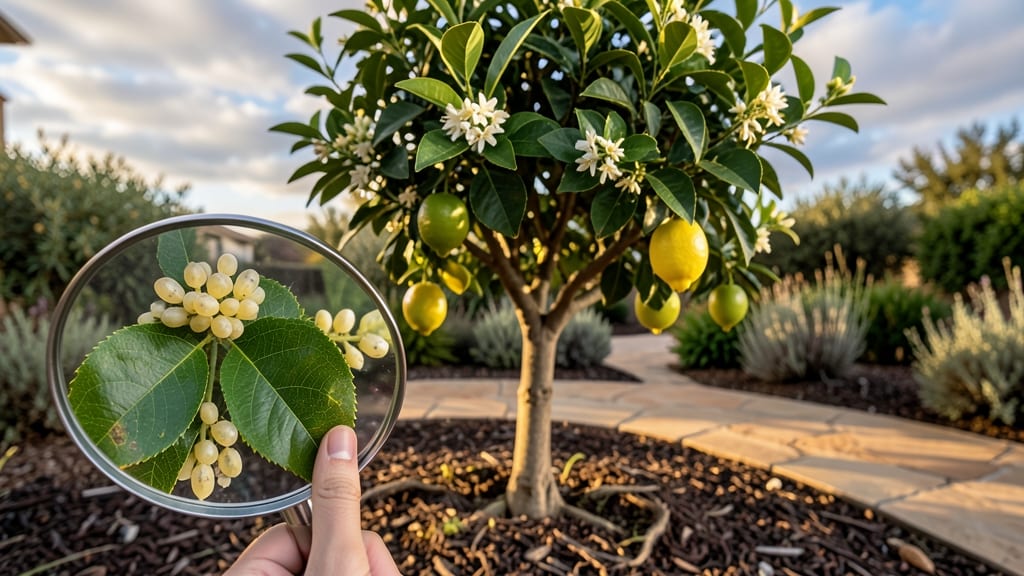
Spotting tiny citrus leafminer eggs on your citrus leaves? Those are the first sign of trouble—and if you don’t act fast, they’ll turn your tree into a skeleton. 🌿 I’ve lost entire harvests to these pests, but early detection is the key to saving your plants without harsh chemicals.
The battle starts with knowing where to look and what to do before the larvae hatch.
The eggs look like tiny grains of rice along leaf veins, and once they hatch, the damage is done. You’ll need a magnifying glass, neem oil, and maybe some sticky traps to break their life cycle.
The good news? This pest thrives in neglected trees, so a little attention now prevents a full-blown infestation later. My trees stayed healthy after just one targeted treatment.
By the time you spot the first mines (those winding brown trails), it’s already too late for that leaf—but you can still save the tree. Prune infected leaves immediately, apply neem oil weekly, and attract beneficial wasps like Ageniaspis citricola, which are their natural enemies.
Within a month, you’ll see new growth free of damage, and your tree will bounce back stronger.
This method works for lemons, limes, oranges, and even indoor citrus—no matter your setup. The secret is consistency: check leaves every week during warm months, and you’ll catch eggs before they become a problem. Your citrus will thank you with glossy, healthy foliage all season long.
📚 In This Guide
- What you need
- Instructions
- Tips and common mistakes
- Wrapping up and next steps
What you need
- ● Magnifying glass or hand lens (10x magnification recommended for tiny eggs 🔍)
- ● White card or tray (for contrasting egg visibility)
- ● Soft-bristled brush or cotton swab (for gentle removal)
- ● Spray bottle (with water or organic insecticidal soap—see below)
- ● Organic insecticidal soap (e.g., Safer® Brand or homemade—recipe below)
- ○ Neem oil (optional but effective) (1% concentration, diluted per label)
- ○ Gloves (optional) (for hygiene if handling infested leaves)
- ● Pruning shears (for removing heavily infested leaves)
- ● Yellow sticky traps (to monitor adult fly activity)
- ● Garden hose with nozzle (for dislodging eggs with water pressure)
- ● Camera or phone with macro mode (to document progress 📸)
- ● Knowledge of citrus leafminer life cycle (eggs are white, oval, and ~0.5mm long)
- ● Access to citrus trees during early morning (eggs are easiest to spot when dew is present)
- ● Patience! Inspect leaves weekly—early detection is key!
How to spot and remove citrus leafminer eggs organically
Early action saves your citrus trees—here's how to find those tiny eggs before they hatch.
🌿 Step 1: Inspect Leaves for Tiny Egg Clusters
Start by examining the undersides of leaves with a magnifying glass—leafminer eggs are yellowish-white and appear as tiny, clustered dots about 1/32 inch long. They look like tiny grains of rice stuck to the leaf veins. Focus on new growth first, as that's where females lay eggs.
I like to check in the morning when leaves are dry and dust-free. Run your fingers gently along the leaf undersides—the eggs feel slightly sticky. If you find clusters, mark the branch with a flag so you can monitor it daily. Eggs hatch in 3-7 days, so time is critical.
☀️ Step 2: Time Your Removal for Maximum Effect
The best time to remove eggs is within 24 hours of finding them, but especially before they turn darker (a sign they're about to hatch). I've found that doing this in the early morning gives me the best results—the cooler air slows the eggs' development slightly, giving me more working time.
Wait until dew has dried but before the sun gets too intense. You'll know you're too late if you see tiny white larvae wriggling in the leaf tissue. If that happens, you'll need to switch to treating for larvae instead of eggs.
✂️ Step 3: Remove Infested Leaves by Hand
Use clean, sharp scissors or pruning shears to snip off leaves with eggs. Cut 1 inch below the leaf stem to ensure you get the entire egg cluster. Drop the leaves into a sealed plastic bag immediately—this prevents any eggs from hatching on your work surface.
I always wear gloves for this step because the oils from some citrus can irritate skin. Work systematically from the top of the tree downward, so you don't miss any clusters. After removing infested leaves, dispose of the bagged leaves in the trash—not your compost pile.
💧 Step 4: Apply Organic Sprays for Prevention
After removing eggs, spray the tree with a mix of 1 tablespoon neem oil and 1 teaspoon insecticidal soap per quart of water. This disrupts the life cycle of any remaining eggs and deters adult leafminers. Spray both the upper and lower leaf surfaces thoroughly, focusing on new growth areas.
Reapply every 7-10 days during active growing seasons (spring through fall). I've found that adding a few drops of food-grade diatomaceous earth to the spray creates a physical barrier that eggs can't penetrate. Always spray in the early morning or late evening to avoid harming beneficial insects.
🌱 Step 5: Monitor and Maintain Tree Health
Keep checking your tree every 3-5 days for new egg clusters, especially after pruning or when new leaves emerge. Healthy trees are less attractive to leafminers, so water deeply once weekly during dry spells and fertilize with citrus-specific fertilizer in early spring.
I also recommend installing yellow sticky traps near the tree to catch adult leafminers. Place them 12-18 inches above the canopy and check them weekly. If you see more than 3-5 adults per trap per week, it's time to increase your organic spray frequency.
Tips & tricks for early citrus leafminer egg detection
Here's what I've learned from years of battling leafminers—these tricks make all the difference when every second counts.
Timing Secret: The 24-hour window after finding eggs is your best shot at prevention. I've found that checking trees on Monday mornings works perfectly for me—it gives me time to act before the week's heat accelerates hatching. If you find eggs on Friday, act immediately or mark the branch so you can treat first thing Monday. The cooler morning temperatures give you that extra buffer time.
Equipment Upgrade: A 10x magnifying loupe is worth its weight in gold for this job. The standard instructions mention using a magnifying glass, but a proper loupe gives you the clarity to spot those 1/32-inch eggs without squinting. I keep mine attached to my gardening apron so it's always handy. For those without loupes, a phone with macro camera works surprisingly well—just prop your phone up and zoom in to examine suspicious areas.
Visual Cue Tip: When you're scanning leaves in Step 1, look for areas where the leaf surface appears slightly duller than the rest. Healthy citrus leaves have a natural sheen, but leafminer eggs create tiny matte spots where they cluster. I also watch for tiny white specks that look like they're pressed into the leaf surface rather than sitting on top. These visual clues help me spot clusters faster than just looking for color.
Safety First: The citrus oils can be surprisingly harsh on skin. I've learned the hard way that wearing nitrile gloves (not just regular gardening gloves) prevents irritation while still allowing you to feel the sticky texture of the eggs. Also, never dispose of infested leaves in your compost—even sealed bags can allow eggs to hatch. I double-bag them in heavy-duty trash bags before putting them in the outdoor trash bin, just to be safe.
Pro Tips for Citrus Leafminer Eggs
- Here's what I've learned from years of battling leafminers—these tricks make all the difference when every second counts.
- Timing Secret: The 24-hour window after finding eggs is your best shot at prevention.
- Equipment Upgrade: A 10x magnifying loupe is worth its weight in gold for this job.
Frequently asked questions
Got questions about citrus leafminer eggs?
You’re not alone—these tiny pests can be tricky to spot and manage. Below, we’ve answered the most common questions to help you stay ahead of the game.
How do I tell if tiny white specks on citrus leaves are leafminer eggs?
Citrus leafminer eggs are tiny (about 0.01 inches long), oval, and yellow or white. Look on the underside of young leaves—they often cluster along the midrib or veins. Use a magnifying glass for a closer look! If you see serpentine mines (wavy trails) later, that’s a sure sign of larvae.
When is the best time to check for eggs and remove them?
Start monitoring spring to early summer (March–June), when temperatures rise above 60°F (15°C). Eggs hatch in 5–10 days, so check leaves every 3–5 days during peak season. Morning inspections work best—eggs are easier to spot when leaves are dry.
Are there organic sprays that work better than manual removal?
Yes! Neem oil or kaolin clay disrupt egg-laying and suffocate larvae. For a DIY spray, mix 1 tbsp neem oil + 1 tsp dish soap per gallon of water. Apply early morning or late evening to avoid harming bees. Horticultural oil (applied in winter) can also smother overwintering eggs.
What should I do if I find eggs but can’t remove them all?
Don’t stress—focus on prevention! Prune infested leaves immediately (bag and discard them) and trap healthy leaves near the tree to lure adults away. Introduce beneficial wasps (e.g., Citrostichus phlaeacritus)—they’re natural predators! If infestations persist, repeat neem oil sprays every 7–10 days during peak season.
Do citrus leafminers survive winter, and should I treat in cold months?
Adults die in frost, but eggs may overwinter on branches or in leaf litter. Clean up fallen leaves in late fall and apply horticultural oil in dormant season (Dec–Feb) to smother any lingering eggs. Avoid strong sprays in freezing temps—they can damage trees!
Still stumped? Drop your question below—we’re happy to help you protect your citrus trees the organic way!
Wrapping up and next steps
Early detection and organic removal of citrus leafminer eggs are key to protecting your citrus trees—and you’ve got the tools to do it! By staying vigilant, using simple DIY methods, and leveraging natural predators, you can keep your grove thriving without harsh chemicals. 🌿
Ready to take action? Start by inspecting your trees weekly and apply the prevention tips you’ve learned. Small efforts now can save your citrus harvest later—so grab those gloves and get growing!