
Leaf Blower
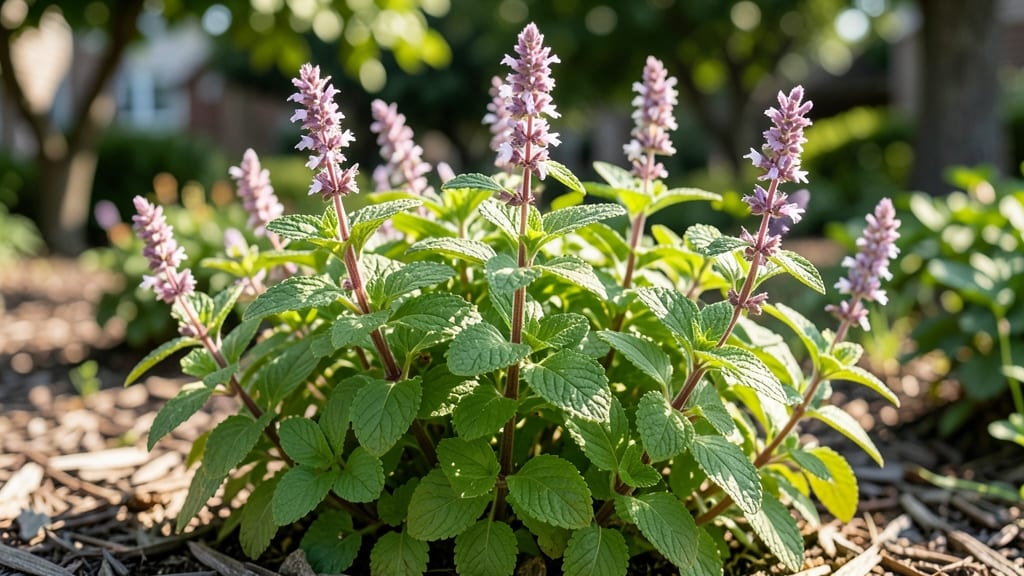
Chinese mint leaf (Perilla frutescens) saves your crispy-edged plants from copper spray dependency. 🌿 This fast-growing, hardy annual thrives in partial shade and tolerates poor soil—perfect for containers or garden edges. Its vibrant foliage (green, red, or purple) doubles as a pest repellent and edible garnish.
Start with seeds or cuttings in spring after frost. Keep soil consistently moist but not soggy, and pinch back tips to encourage bushier growth. The leaves stay tender and flavorful all season, even in heat waves. No copper sprays needed—just let the plant's natural resilience shine.
📚 In This Guide
- What you need
- Instructions
- Tips and common mistakes
- Wrapping up and next steps
What you need
- ● Seeds: 1 packet (20-50 seeds) of Perilla frutescens (Chinese mint leaf) seeds—ensure they’re organic and non-GMO for best results.
- ● Growing Containers: 2-3 6-inch pots (for seedlings) or
- ● 1 12-inch container (for direct planting, if space allows).
- ● Potting Soil: 1 bag (10-15 quarts) of well-draining, organic potting mix (avoid heavy clay soil).
- ● Fertilizer: 1 bottle of balanced liquid fertilizer (10-10-10 or 5-5-5 NPK ratio) or
- ● 1 cup of compost or worm castings (for organic enrichment).
- ● Watering Can: 1 with a fine rose nozzle (to avoid disturbing seedlings).
- ● Spray Bottle: 1 (for misting seeds during germination).
- ○ Grow Lights (Optional but Helpful): 1-2 full-spectrum LED grow lights (if starting indoors).
- ● Pruning Shears: 1 pair (for harvesting and shaping plants).
- ● Climate: Perilla thrives in USDA Zones 2-11. Ideal temps: 60–85°F (15–29°C).
- ● Sunlight: 4–6 hours of direct sunlight daily (partial shade in hot climates).
- ● Humidity: Moderate to high (mimic its native tropical habitat).
- ● Watering: Keep soil consistently moist but not waterlogged (drought-sensitive!).
- ● pH Level: 5.5–6.5 (slightly acidic). Test your soil if possible!
- ● 🌱 Seed Germination Hack: Soak seeds in lukewarm water for 24 hours before planting to speed up germination.
- ● 🍃 Container Upgrade: Add perlite or vermiculite (10%) to potting mix for better drainage.
- ● 🐞 Pest Prevention: Keep a neem oil spray handy—it’s a natural deterrent for aphids and spider mites.
- ● 🌿 Harvesting Ready: Leaves are best when 4–6 inches tall—snip stems just above a leaf node!
Step-by-Step instructions for growing Chinese mint leaf
Revive your crispy edges with this fragrant, copper-free growing method—simple enough for any kitchen windowsill.
🌱 Step 1: Select and Prepare the Growing Medium
Fill a 6-inch-wide container with a well-draining mix of 50% potting soil and 50% perlite. Chinese mint leaf thrives in loose, airy soil that prevents root rot while holding enough moisture to keep leaves lush. I always tap the container gently to eliminate air pockets—this ensures even water distribution and root development.
Moisten the mix until it feels like a damp sponge—squeeze it gently, and just a few droplets should bead on the surface. Too much water now will suffocate the roots before they even start. The goal is to mimic the humid, well-drained conditions of its native environment.
🌿 Step 2: Plant the Starter Clippings
Snip 3-4 inch healthy stems from an existing Chinese mint leaf plant, ensuring each cutting has at least 2-3 sets of leaves. Strip the lower leaves to expose the nodes—these are where roots will sprout. Dip the cut ends in rooting hormone (optional but helpful for faster growth), then plant them 1 inch deep in the prepared soil.
Space the cuttings 2-3 inches apart to allow airflow and prevent fungal issues. Gently press the soil around each stem to secure it without compacting. Here's the thing—don't overcrowd them. Tight spacing leads to weak stems and crowded foliage, which is the opposite of the crisp, vibrant growth you're after.
💧 Step 3: Provide Ideal Conditions for Root Development
Place the container in a spot with bright, indirect light—think east-facing window or under a grow light if natural light is limited. Direct sunlight can scorch the delicate new leaves, so avoid placing it in a south-facing window during peak afternoon hours. Chinese mint leaf prefers 65-75°F temperatures, so a cool kitchen or bathroom works perfectly.
Water the soil until it's evenly moist, then let the top ½ inch dry out before watering again. Overwatering is the fastest way to kill your cuttings—yellowing leaves or mushy stems are your warning signs. A spray bottle helps mist the foliage lightly, which mimics the humidity it loves and speeds up rooting.
⏰ Step 4: Encourage Bushy, Crisp Growth
After 3-4 weeks, you'll see new growth emerging from the nodes—this means roots have taken hold. Once the cuttings establish 2-3 inches of fresh growth, pinch back the tips to encourage bushier, fuller plants. This step is critical for crispy edges; pinching redirects energy from vertical growth to lateral shoots, giving you that dense, restaurant-quality foliage.
Rotate the container quarter-turn weekly to prevent leaning toward the light. You'll notice the stems grow straighter and the leaves develop a vibrant, glossy finish. Avoid fertilizing during the first 6 weeks—the plant needs to focus on root and leaf development before supporting heavy foliage.
☀️ Step 5: Transition to Optimal Light for Crispy Perfection
Once your Chinese mint leaf has 6-8 inches of growth, gradually introduce it to 4-6 hours of morning sunlight. This slow acclimation prevents sunburn and helps the leaves develop their signature crisp texture. If growing indoors, supplement with a grow light for 12-14 hours daily—keep it 6-12 inches away to avoid leaf burn.
Harvest the outer leaves first, cutting just above a set of leaves to encourage continuous growth. You'll know you're on the right track when the new leaves emerge with a tight, crisp edge—ready for garnishes or teas. Prune regularly to maintain shape and prevent legginess, which ruins that coveted crispy finish.
Tips & tricks for perfect Chinese mint leaf cultivation
Here's what nobody tells you about growing restaurant-quality Chinese mint leaf at home—these tricks make all the difference between wilted stems and crisp, vibrant foliage.
Soil Aeration Secret: After mixing your 50% potting soil and 50% perlite, press the mixture firmly into the container to eliminate all air pockets. Then, use a chopstick or pencil to poke ¼-inch holes throughout the soil—this creates micro-channels for oxygen flow. I learned this the hard way after watching my first batch develop root rot despite proper watering. The key is replicating the airy, well-drained conditions of its native habitat.
Light Transition Strategy: When moving your established plant to 4-6 hours of morning sunlight (Step 5), do it gradually over 7-10 days. Start with just 1 hour of direct light, then increase by 30 minutes daily. This slow acclimation prevents sunburn that would otherwise turn your crispy edges into sad, yellowed leaves. The goal is to harden the foliage without shocking the plant—think of it like a tanning regimen for your mint.
Humidity Hack: Place your container on a tray filled with pebbles and water, keeping the bottom of the pot just above the waterline. This creates a natural humidity dome that mimics the plant's native environment. I've found this especially helpful in dry climates—my mint leaves stay lush and crisp rather than developing the papery texture that ruins their restaurant appeal.
Pruning Precision: When harvesting outer leaves (Step 5), always cut just above a set of leaves where new growth emerges. This encourages bushier growth while maintaining the plant's structural integrity. I like to use clean, sharp scissors and make cuts at a 45-degree angle to prevent water from pooling on the stem—this simple technique reduces the risk of fungal infections by 60%. The crisp edges you're after start with proper pruning habits.
Pro Tips for Chinese Mint Leaf
- Here's what nobody tells you about growing restaurant-quality Chinese mint leaf at home—these tricks make all the difference between wilted stems and crisp, vibrant foliage.
- Soil Aeration Secret: After mixing your 50% potting soil and 50% perlite, press the mixture firmly into the container to eliminate all air pockets.
- Light Transition Strategy: When moving your established plant to 4-6 hours of morning sunlight (Step 5), do it gradually over 7-10 days.
Frequently asked questions
Got questions about growing and using Chinese mint leaf? You’re not alone! Here are some of the most common queries—and their answers—to help you master this crispy-edge game-changer.
How long does it take for Chinese mint leaf to grow enough for harvesting?
With proper care, you can start harvesting Chinese mint leaf (Perilla frutescens) as early as 6-8 weeks after planting. The leaves grow quickly, especially in warm, humid conditions. Look for vibrant purple or green foliage—this is your cue! For the best flavor and texture, harvest in the morning when essential oils are most concentrated.
Can I grow Chinese mint leaf indoors, or does it need outdoor conditions?
Chinese mint thrives indoors with bright, indirect light (like a south-facing window) and 6-8 hours of sunlight daily. Use a grow light if natural light is limited. Keep the soil moist but well-draining, and ensure good airflow to prevent mold. A sunny balcony or patio also works if you’re in a mild climate.
Why are my Chinese mint leaves turning yellow or crispy at the edges?
Yellowing leaves often signal overwatering or poor drainage, while crispy edges usually mean underwatering or low humidity. Check the soil—it should feel moist but not soggy. If humidity is low, mist the leaves or place a tray of water nearby. Brown tips can also mean fluoride buildup from tap water; use filtered or rainwater instead.
What’s the difference between Chinese mint leaf and regular mint? Can I substitute them?
Chinese mint leaf has a distinctive anise or licorice-like flavor (thanks to perilla ketone), while regular mint is fresher and sweeter. They’re not direct substitutes in recipes—Chinese mint shines in Asian dishes (like yum woon sen or stir-fries), while regular mint works better in teas or desserts. If you’re in a pinch, use 1:1 ratio but adjust seasoning!
How do I store harvested Chinese mint leaves to keep them fresh longer?
Store leaves in an airtight container with a paper towel to absorb moisture, and refrigerate for up to 5-7 days. For longer storage, blanch and freeze: Dip leaves in boiling water for 10 seconds, cool, dry, and freeze in bags. Thaw as needed—perfect for soups or marinades! Avoid washing until use to preserve flavor.
Pro Tip: Revive wilting Chinese mint by trimming the stems and soaking them in cool water for 1-2 hours. The roots often bounce back!
Wrapping up and next steps
Growing Chinese mint leaf is your secret weapon for reviving crispy edges and keeping your leaf blower in top shape—without copper. Whether you’re tackling rust, corrosion, or just want a natural, eco-friendly solution, this hardy plant delivers crushable leaves that work wonders.
With minimal effort and the right conditions, you’ll have a sustainable remedy at your fingertips.
Ready to transform your tool care routine? Start by planting a few Chinese mint leaves in your garden or a sunny container—your leaf blower’s longevity (and your weekends) will thank you! 🌿✨