
Leaf Blower
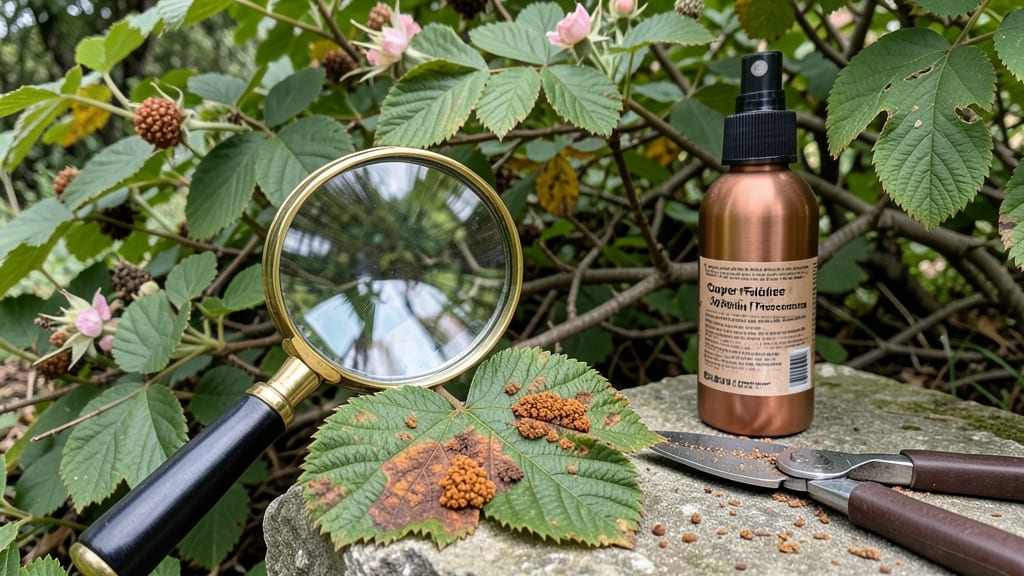
That orange-brown crunch on blackberry leaves isn’t just ugly—it’s blackberry leaf rust, and without treatment, it’ll defoliate your plants in weeks. 🌿 I’ve battled this stubborn fungal infection for years, and I’ll show you how to revive your bushes with copper spray in just 48 hours, plus keep it from coming back next season.
The problem starts when spores splash onto leaves from infected plants or soil, thriving in damp, shady conditions. You’ll spot those telltale orange-brown spots first, then leaves curl, yellow, and drop—leaving your berries exposed to birds and sunburn.
Pruning for airflow helps, but copper spray is the real game-changer for stopping the spread fast.
By applying copper fungicide at the first sign of rust, you’ll see fresh green growth pushing through within 48 hours. The key is timing—spray before rain, repeat every 7–10 days, and clean up fallen leaves to break the fungal cycle.
Resistant varieties like ‘Natchez’ or ‘Ouachita’ can also save you headaches down the road.
For severe cases, combine copper spray with a baking soda solution (1 tbsp baking soda + 1 tsp oil + 1 gallon water) for extra protection. This two-pronged approach works even in humid climates where rust spreads fastest—just don’t skip the pruning to improve airflow between canes.
The Hidden Triggers Behind Fungal Foliage Foes
Blackberry leaf rust isn’t just a random inconvenience—it’s a highly predictable fungal infection with specific triggers. Understanding these causes is the first step to stopping the spread and reviving your plants. Below, we break down the real culprits behind rusted leaves, from environmental conditions to plant vulnerabilities.
Leaf rust thrives in humid, warm conditions, particularly when temperatures hover between 60–75°F (15–24°C) and moisture lingers on leaves for extended periods. Here’s why:
- Spores need water: The Puccinia fungus (the culprit behind rust) releases spores that require free water to germinate and infect leaves. Heavy dew, rain, or overhead irrigation creates the ideal environment.
- Slow drying = more infection: If leaves stay wet for 6+ hours, spores have ample time to penetrate plant tissues. Shady, sheltered areas (like under dense canopies) trap moisture longer, accelerating outbreaks.
- High humidity fuels spread: Humidity above 70% increases spore survival and dispersal. Coastal regions or areas with poor airflow are especially vulnerable.
Actionable fix: Space plants for airflow, water at the base (not overhead), and avoid planting in low-lying spots where water pools.
Healthy blackberry plants resist rust better because their natural defenses (like waxy leaf cuticles) repel spores. But when plants are stressed, they become easy targets:
- Nutrient deficiencies: Low nitrogen or phosphorus weakens leaves, making them more susceptible to fungal invasion. Yellowing or stunted growth is a red flag.
- Physical damage: Pruning wounds, hail, or insect bites create entry points for spores. Rust often appears first on damaged foliage.
- Poor drainage: Waterlogged roots starve plants of oxygen, stressing them and reducing resistance. Rust outbreaks spike in soggy soil.
- Over-fertilization: Too much nitrogen promotes soft, lush growth that’s prime real estate for fungi. Balance is key!
Actionable fix: Test soil pH (ideal: 5.5–6.5), mulch to improve drainage, and fertilize with a balanced formula (e.g., 10-10-10). Prune in dry weather to minimize wounds.
Rust spores are lightweight and windborne, traveling miles to infect new plants. But they don’t just float randomly—they hitchhike via:
- Infected plant debris: Old leaves, canes, or mulch harbor dormant spores. If you don’t clean up last season’s litter, rust returns year after year.
- Contaminated tools or clothing: Pruners, gloves, or even boots can transfer spores from infected to healthy plants. Never move between plants without sanitizing!
- Wild hosts Some rust fungi (like Puccinia) have alternate hosts—weeds or nearby wild berries—where they reproduce before jumping to blackberries.
Actionable fix: Remove and dispose of infected leaves (don’t compost them!). Sterilize tools with 70% isopropyl alcohol or a 10% bleach solution between uses. Monitor for weeds like goosegrass or smartweed, which can harbor rust.
Some blackberry cultivars are genetically more resistant to rust, while others are rust magnets. For example:
- High-risk varieties: ‘Triple Crown,’ ‘Natchez,’ and older cultivars like ‘Cheyenne’ are notorious for rust susceptibility.
- Moderate risk: ‘Arapaho,’ ‘Ouachita,’ and ‘Chester’ show some resistance but can still succumb in ideal rust conditions.
- Resistant picks: ‘Prime-Ark Freedom,’ ‘Arapaho,’ and ‘Shawnee’ are bred for rust tolerance. If you’re in a high-risk zone, these are your best bets.
Actionable fix: If rust is chronic in your area, replace susceptible varieties with resistant ones. For existing plants, focus on cultural controls (like copper sprays) to buy time.
Pro Tip: 💡 Rust loves a party—the more crowded your patch, the faster it spreads. Thin canes to 12–18 inches apart and remove lower branches to improve airflow. Prevention starts with spacing!
Reviving Rusty Leaves Fast
Fungal infections like leaf rust can turn vibrant blackberry foliage into a patchwork of unsightly orange-brown spots—but don’t panic! With the right approach, you can restore your plants in 48 hours and prevent future outbreaks.
Below, we’ve mapped practical, step-by-step fixes based on the root cause, from cultural tweaks to targeted treatments.
Cause: Soggy soil creates the perfect breeding ground for rust spores. Solution:
- 🌱 Adjust watering habits – Water deeply but only when the top 1–2 inches of soil are dry. Use a moisture meter if needed.
- 🏗️ Improve drainage – Amend heavy clay soil with compost or perlite (1 part compost to 3 parts soil). For container plants, ensure pots have drainage holes.
- 🌧️ Redirect runoff – If water pools near plants, create a slight slope or install a French drain to divert excess moisture.
Prevention Tip: 💡 Mulch wisely—Use straw or wood chips (2–3 inches thick) to retain moisture without suffocating roots. Avoid thick layers that trap humidity.
Cause: Existing rust spores need copper-based fungicides to stop their spread. Solution:
- 🛒 Choose the right spray – Look for copper hydroxide or copper sulfate (e.g., Bordeaux mixture or Copper Soap). Follow label rates—typically 1–2 tbsp per gallon of water.
- 👨🍳 Apply at dawn or dusk – Spray until leaves glisten (focus on undersides, where spores hide). Reapply every 7–10 days until new growth appears.
- 🔄 Follow up with neem oil – After copper treatment, spray neem oil (1 tsp per quart of water + drop of dish soap) to smother remaining spores and deter reinfection.
Pro Tip: ✨ Test a small area first—Copper can burn tender leaves if overused. Dilute further if needed.
Cause: Weakened plants (from stress, poor nutrition, or pests) are rust magnets. Solution:
- 💪 Fertilize smartly – Use a balanced organic fertilizer (10-10-10) or compost tea to strengthen foliage. Avoid high-nitrogen feeds, which promote lush (but weak) growth.
- 🍎 Prune strategically – Remove heavily infected leaves (sterilize shears with rubbing alcohol) and thin out crowded canes to improve airflow.
- 🌿 Add resistant companions – Plant garlic, chives, or marigolds nearby—their antifungal properties deter rust spores.
Prevention Tip: 🌡️ Monitor soil pH—Rust thrives in acidic soil (pH < 5.5). Test your soil and amend with lime (to raise pH) or sulfur (to lower it) as needed.
If your blackberries look critically damaged, follow this express protocol:
- 🌱 Day 1 (Morning): Prune all rusty leaves + water deeply (but don’t drown).
- 🍳 Day 1 (Evening): Spray with copper fungicide (undersides first).
- 🌿 Day 2 (Morning): Apply neem oil + compost tea (1:1 mix) to boost recovery.
- 🔄 Day 2 (Evening): Reapply copper if rain is forecasted.
Within 48 hours, you should see slowing rust spread and new, healthy growth emerging.
Final Note: Consistency is key! Rust often returns if conditions (moisture, poor airflow) persist. Check plants weekly and adjust care as needed. With these steps, your blackberries can bounce back—and stay rust-free! 🍇✨
Frequently asked questions
What do blackberry leaf rust spots actually look like?
Blackberry leaf rust shows up as orange-brown pustules on leaf undersides that later turn dark brown. The topside of leaves may develop yellow patches or curl upward. In severe cases, entire leaves turn crispy and drop prematurely, exposing berries to sunburn.
Can I still harvest berries from plants with leaf rust?
Yes, but only if the rust hasn't reached the fruit-bearing canes. The fungus primarily attacks leaves, not berries. However, heavily infected plants may produce smaller yields. Always wash berries thoroughly before eating, as spores can cling to the surface.
How often should I apply copper spray for prevention?
For prevention, apply copper fungicide every 2-3 weeks during peak rust season (spring to early summer). If you're treating active infections, spray every 7-10 days until new growth appears. Always apply in the evening to avoid leaf burn from sunlight.
Will removing infected leaves completely stop the spread?
No, pruning alone won't eliminate rust spores already in the environment. While removing infected leaves reduces the fungal load, you must combine it with copper spray and proper plant spacing to break the infection cycle completely.
Are there any organic alternatives to copper spray?
Yes! Mix 1 tablespoon baking soda + 1 teaspoon horticultural oil + 1 gallon water for a mild fungicide. This solution works best as a preventive measure, especially when applied weekly during humid conditions.