
Diseases
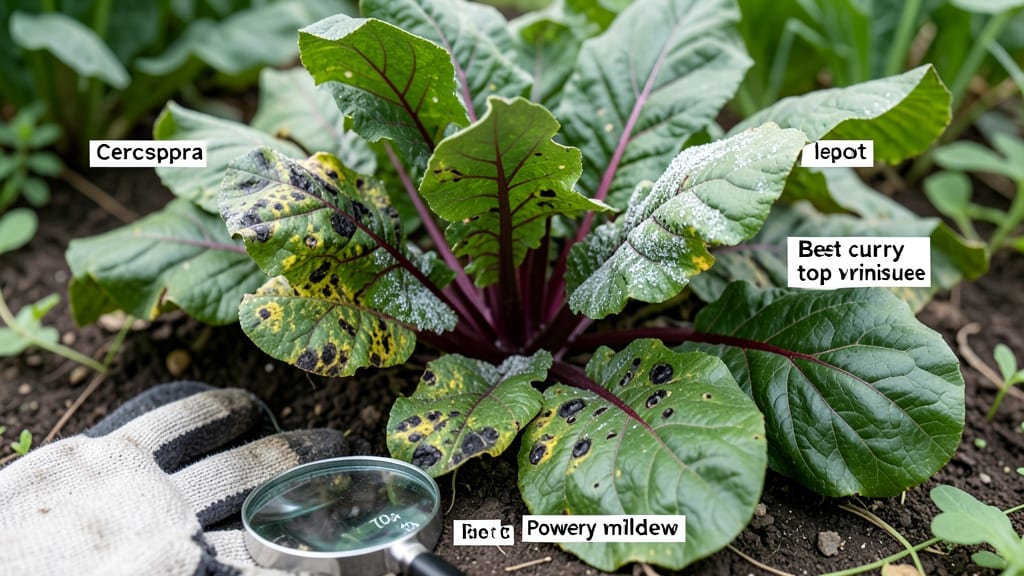
Beet leaf diseases can turn your thriving greens into a sad, spotted mess in just days. 🌱 I’ve seen powdery mildew blanket entire plants in white within a week, and downy mildew create yellow, crinkled leaves that collapse faster than you can say "harvest." The good news?
Most of these problems have simple fixes—if you catch them early. The worst offenders—like Cercospora leaf spot and bacterial leaf blight—love warm, humid weather. My first year growing beets, I ignored the tiny brown spots until they merged into dead patches. By then, the damage was done.
But with proper spacing, airflow, and a few organic sprays, you can keep your beet leaves lush and productive. You’ll learn to spot the early warning signs: yellowing edges, fuzzy white coatings, or black speckles.
Once identified, treatments like neem oil, copper fungicide, or even a baking soda spray can turn things around. The key is acting fast—before the disease spreads to your entire crop. This guide covers everything from prevention to cure, so you can enjoy healthy beet greens all season long.
No more wilting disappointment—just crisp, vibrant leaves ready for your table.
Root Causes of Leaf Damage
Understanding why beet leaf diseases strike requires peeling back the layers of plant health—like a botanical detective uncovering clues. These issues rarely appear in isolation; they’re often the result of a perfect storm of environmental stress, microbial opportunism, and poor growing practices.
Let’s break down the key culprits behind these leafy woes.
---
Fungi thrive in environments where moisture lingers and temperatures hover in their ideal range (typically 60–85°F). Beet leaves become prime targets when: - Poor air circulation traps humidity near foliage, creating a fungal buffet.
Crowded plants or dense canopies accelerate this. - Overhead irrigation (especially in the evening) keeps leaves damp for extended periods, mimicking a fungal spa—perfect for spores to germinate. - High organic matter in soil (while great for nutrients) can also fuel fungal growth if not balanced with proper drainage.
Pro Tip: 💡 Space plants 12–18 inches apart and water at soil level to reduce fungal feast opportunities.
---
Bacterial diseases like angular leaf spot or beet blight spread like wildfire when: - Contaminated pruners, gloves, or hands transfer pathogens from plant to plant.
Even a tiny scrape on a leaf can become an entry point. - Rain splashing or strong winds carry bacterial cells from infected debris to healthy leaves, turning your garden into a microbial game of telephone. - Excess nitrogen fertilizer weakens leaf cuticles, making them easier for bacteria to breach.
Pro Tip: ✨ Sterilize tools with 70% isopropyl alcohol between uses, and avoid working with leaves when they’re wet.
---
Stress is the silent saboteur. Beet leaves under duress (nutrient deficiencies, drought, or transplant shock) have compromised defenses, making them easy prey.
Common stressors include: - Nutrient imbalances: Too much phosphorus or potassium can starve leaves of calcium, weakening cell walls. - Waterlogging or drought: Both disrupt root function, leaving leaves vulnerable. Fungi love a plant that’s already struggling! - Pests like aphids or thrips: Their feeding wounds create gateways for secondary infections.
Pro Tip: 💪 Boost plant resilience with a balanced fertilizer (10-10-10) and mulch to stabilize soil moisture.
--- Fungal spores and bacterial cells overwinter in old plant debris, soil, or even compost.
If you don’t clean up: - Infected leaves left on the ground release spores that reinfect new growth. - Reused soil or containers may harbor dormant pathogens, turning your next planting into a disease lottery. - Weeds acting as hosts (like lamb’s quarters) can harbor beet-specific diseases, waiting to jump to your crop.
Pro Tip: 🔥 Remove all plant debris after harvest and rotate crops annually to starve soil-borne pathogens.
--- Beet leaves hate unpredictability.
Rapid shifts—like hot days followed by cold nights—disrupt metabolic processes, leaving them susceptible to: - Powdery mildew (flourishing in 70–80°F days with cool nights). - Downy mildew (loving warm, humid conditions but stalling in drought). - Alternaria leaf spot (thriving in high humidity and heat stress).
Pro Tip: 🌡️ Use shade cloth during heatwaves and ensure drip irrigation runs in the morning to dry leaves faster.
--- While pesticides can help, overuse or incorrect application can: - Kill beneficial microbes that suppress pathogens. - Leave residue that weakens leaf cuticles, making them prone to infection. - Disrupt natural predators of fungal spores (like mites or nematodes).
Pro Tip: 🎯 Rotate organic sprays (neem oil, copper fungicide) and prioritize preventive care over reactive treatments.
How to Treat and Prevent Leaf Issues
If your beet greens are showing signs of distress—yellowing, spots, or wilting—don’t panic! Most beet leaf diseases can be managed with the right approach. Below, we’ve mapped out practical solutions for each common cause, along with prevention tips to keep your plants thriving.
Think of this as your beet leaf first-aid kit!
Fungal diseases like powdery mildew, downy mildew, and leaf spot thrive in damp, crowded conditions. Here’s how to fight back: #### 🔥 Remove Infected Leaves Immediately - How: Snip off or pull affected leaves before the fungus spreads. Dispose of them in the trash (not compost)—fungi can survive in compost piles. - Pro Tip: 💡 Use sterilized pruners (wipe with rubbing alcohol) to avoid transferring spores to healthy leaves. #### 🍳 Apply Fungicidal Sprays (Organic or Chemical) - For Powdery Mildew: Mix 1 tsp baking soda + 1 quart water + a few drops of dish soap (as a spreader-sticker). Spray leaves until damp, focusing on the undersides where spores hide. Repeat every 7–10 days. - For Downy Mildew/Leaf Spot: Use a copper fungicide (like Cupric Hydroxide) or a neem oil spray (1 tbsp neem oil + 1 tsp mild soap per quart of water). Reapply after rain. - Chemical Option: If organic methods fail, try chlorothalonil (follow label instructions). #### 👨🍳 Improve Airflow and Light - How: Space plants 12–18 inches apart and prune nearby foliage to let air circulate. If growing in containers, ensure pots aren’t overcrowded. - Pro Tip: 🌡️ Morning watering reduces evening moisture, giving leaves time to dry—a fungal nemesis. #### ✨ Prevent Future Outbreaks - Rotate crops: Avoid planting beets (or other greens) in the same spot next year. - Solarize soil: Cover infected beds with clear plastic for 4–6 weeks in summer to kill fungal spores. - Choose resistant varieties: Try ‘Detroit Dark Red’ or ‘Bull’s Blood’—some breeds tolerate disease better. Bacterial issues like angular leaf spot or soft rot spread through water and tools. Act fast to contain them: #### 🔪 Prune and Destroy Infected Plants - How: Remove entire plants if bacterial rot is severe. Bag and trash them—do not compost. - Pro Tip: 🔪 Use disinfectant (bleach solution: 1 part bleach to 9 parts water) to clean tools between cuts. #### 🚰 Adjust Watering Practices - How: Water at the base (not overhead) to keep leaves dry. Use a soaker hose or drip irrigation to prevent splashing bacteria onto foliage. - Fix: If soil is waterlogged, improve drainage by amending with compost or perlite. #### 💊 Use Copper-Based Bactericides - How: Spray copper fungicide/bactericide (like Copper Soap) every 7–10 days. It disrupts bacterial cell walls. - Pro Tip: 🌱 Rotate with neem oil (bacteria can build resistance to copper over time). #### 🛡️ Prevent Spread in the Garden - Crop rotation: Wait 3 years before replanting beets in the same area. - Sterilize containers: Wash pots with soapy water and bleach solution between uses. - Avoid overhead irrigation: Switch to drip systems or hand-watering. Pests like aphids or flea beetles weaken leaves, making them susceptible to disease. Here’s how to tackle them: #### 🕷️ Manual Removal (For Small Infestations) - How: Blast aphids off with a strong spray of water or crush flea beetles by hand (wear gloves!). - Pro Tip: 🌿 Release ladybugs—they’re natural aphid predators! #### 🍳 Homemade Sprays for Pests - Soap spray: Mix 1 tbsp castile soap + 1 quart water. Spray directly on pests (avoid spraying flowers). - Garlic/chili spray: Blend 2 garlic cloves + 1 tbsp cayenne pepper + 1 quart water. Strain and spray to repel beetles. #### 🛡️ Long-Term Pest Control - Row covers: Use floating row covers to block flea beetles early in the season. - Interplant with herbs: Basil, dill, or marigolds deter pests naturally. - Sticky traps: Place yellow sticky traps near plants to catch flying insects. Sometimes, the issue isn’t a pathogen but stress from poor conditions. Adjust these factors: | Problem | Solution | Prevention Tip | |---------------------------|---------------------------------------------|--------------------------------------------| | Overwatering | Let soil dry 1 inch deep between waterings | Use moisture meters or your finger to check. | | Nutrient deficiency | Add compost or balanced fertilizer (5-5-5) | Test soil before planting—amend as needed. | | Extreme heat/cold | Provide shade cloth in summer or row covers in frost | Choose heat-tolerant varieties like ‘Ruby Queen’. | | Compacted soil | Loosen soil with a garden fork or add sand/peat moss | Mulch to improve soil structure over time. |Final Pro Tip: 🎯 Inspect leaves weekly—catching issues early (before yellowing or spots spread) makes treatment far easier. Keep a garden journal to track what works (and what doesn’t) for your beet patch!
Frequently asked questions about beet leaf diseases
What’s the difference between powdery mildew and downy mildew on beet leaves?
Powdery mildew appears as a white, powdery coating on leaf surfaces, while downy mildew shows as yellow spots on top with purple-gray fuzz on the undersides. Powdery mildew thrives in dry heat, while downy mildew needs high humidity. Both spread rapidly if left untreated.
Can I still harvest beet greens if they have small spots or yellowing?
Yes, but remove the damaged leaves first! Young, healthy leaves are still safe to eat. For severe infections (like bacterial soft rot), discard the entire plant. Always wash greens thoroughly before cooking to remove any spores or bacteria.
How often should I spray neem oil to prevent fungal diseases?
Apply neem oil every 7–10 days as a preventive measure, especially during humid weather. For active infections, spray every 5–7 days until symptoms disappear. Always spray in the evening to avoid harming bees.
Why do my beet leaves get holes even when there’s no visible disease?
Those holes are likely from flea beetles or aphids, not diseases! These pests chew tiny holes, weakening leaves and making them prone to infections. Use row covers early in the season or spray with soapy water to deter them.
Will compost tea help prevent beet leaf diseases?
Yes! Compost tea boosts beneficial microbes that outcompete pathogens. Use it as a weekly foliar spray during growing season. For extra protection, add 1 tbsp of compost tea to every gallon of water and spray leaves thoroughly.