
Vegetables
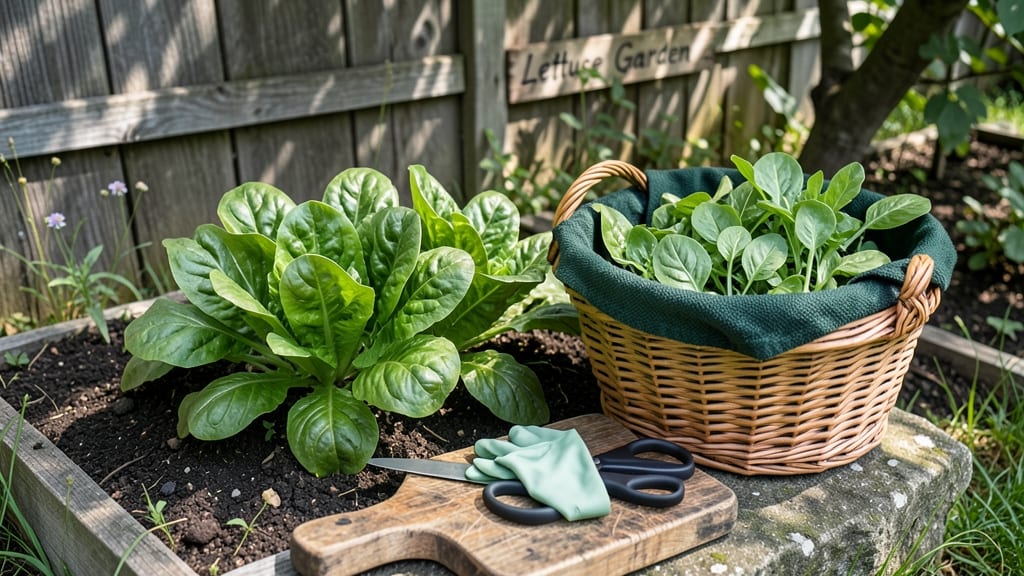
Growing baby leaf lettuce is the fastest way to turn a sunny patch into a salad bar in just 3-4 weeks. 🌱 I remember the first time I pulled a handful of tender greens from my backyard—it felt like magic.
The secret lies in choosing the right varieties and giving them exactly what they need to grow quickly without bolting.
You’ll need loose, well-draining soil, consistent moisture, and partial shade to prevent bitterness. Most baby leaf mixes thrive in 4-6 inch deep containers or garden beds, with seeds sown just ¼ inch below the surface.
Varieties like 'Black Seeded Simpson' or 'Oakleaf' stay crisp and sweet, perfect for cutting when leaves reach 3-4 inches tall.
Harvesting is where the real satisfaction kicks in—you can snip outer leaves repeatedly for weeks, and the plants keep producing. The key is keeping soil moist (but not soggy) and protecting young plants from slugs, which love tender baby leaves.
With the right setup, you’ll enjoy fresh salads straight from your garden all season long.
This method works in containers, raised beds, or even under patio umbrellas. The faster you grow, the sooner you eat—so let’s get those seeds in the ground!
📚 In This Guide
- What you need
- Instructions
- Tips and common mistakes
- Wrapping up and next steps
What you need
- ● Baby Leaf Lettuce Seeds: Choose fast-maturing varieties like Black Seeded Simpson, Salad Bowl, or Oakleaf (seed packets typically yield 100+ seeds).
- ● Opt for organic, non-GMO seeds if preferred.
- ● Growing Medium: Soilless mix: 10–12 quarts (for containers) or 1–2 cubic feet (for in-ground planting).
- ● Well-draining potting soil: Mix with perlite or vermiculite (1:4 ratio) to prevent compaction.
- ● Containers (if applicable): Shallow trays (2–4 inches deep) with drainage holes or seedling flats.
- ● Alternatively, use a raised bed (6–12 inches deep) or in-ground plot.
- ● Tools: Hand trowel or small shovel for planting.
- ● Spray bottle (for gentle watering).
- ○ Garden gloves (optional but recommended).
- ● Fertilizer: Balanced liquid fertilizer (5-5-5 or 10-10-10) or compost tea for nutrient boost.
- ● Row Cover or Shade Cloth: 30–50% shade cloth to protect seedlings from intense sun.
- ● Mulch: Straw or shredded leaves to retain moisture and suppress weeds.
- ● pH Test Kit: Ensure soil pH is between 6.0–7.0 (ideal for lettuce).
- ● Harvest Scissors: Small, sharp pruners for clean cuts.
How to grow baby leaf lettuce with fast, crisp harvests
Here's the method I've used to get tender baby leaves in just 3-4 weeks—no waiting months for full heads.
🌱 Step 1: Select the Right Varieties and Prepare Beds
Choose fast-maturing varieties like 'Black Seeded Simpson', 'Salad Bowl', or 'Merlot'—these bolt-resistant types reach harvest size in 21-28 days. Avoid heat-sensitive varieties; they'll turn bitter before you get a chance to cut. I always start with a clean, loose bed because compacted soil slows root development and leads to leggy growth.
Work in 2-3 inches of compost mixed into the top 6 inches of soil to ensure nutrients stay available during rapid growth. The goal is a fine, crumbly texture that holds moisture without becoming soggy. Test your soil's drainage first—lettuce roots rot in waterlogged conditions. If your soil drains slowly, raise beds or amend with perlite.
🌿 Step 2: Sow Seeds Directly for Optimal Growth
Scatter seeds ¼ inch deep in rows spaced 12-18 inches apart, depending on your final harvest spacing. I use a simple trick: sprinkle seeds directly onto the soil surface, then lightly cover with a thin layer of compost. This keeps seeds from drying out while still allowing enough light to penetrate for germination.
Keep the soil surface consistently moist—not wet—until seeds germinate. The key is to mist daily rather than water heavily, which can wash seeds away or bury them too deep. You'll see sprouts in 5-7 days if temperatures stay between 60-75°F. Once seedlings emerge, thin to 1-2 inches apart for baby leaves or 6-8 inches apart for larger harvests.
☀️ Step 3: Provide Consistent Light and Water
Baby leaf lettuce thrives in 4-6 hours of direct sunlight daily, but it tolerates partial shade better than full sun, which can cause bolting. I grow mine under 50% shade cloth in hot climates to maintain crisp texture. Watch for signs of stress—yellowing leaves or bitter flavor—both indicate too much heat or insufficient water.
Water deeply every 2-3 days at the base of plants, avoiding overhead watering to prevent disease. The soil should feel moist 1 inch down but not saturated. Mulch with 1 inch of straw to retain moisture and suppress weeds, which compete for nutrients. You'll know you're on track when leaves reach 2-3 inches tall—this is prime cutting time.
✂️ Step 4: Harvest at Peak Tenderness
Use clean scissors or a sharp knife to cut leaves just above the soil line when they reach 2-4 inches tall. I harvest outer leaves first, allowing inner leaves to continue growing—this extends your harvest window by 2-3 weeks. Avoid pulling leaves, as this can damage the root system and stunt regrowth.
Harvest in the morning after dew has dried for the crispest texture. Store cut leaves in a plastic bag with a paper towel to absorb moisture, then refrigerate for up to 5 days. For continuous harvests, succession plant seeds every 2 weeks—this ensures a steady supply of fresh greens year-round.
Tips & tricks for perfect baby leaf lettuce growth
These game-changing strategies will help you skip the common pitfalls and get crisp, tender baby leaves in record time.
Variety Selection: The 21-28 day maturity window for varieties like 'Black Seeded Simpson' and 'Merlot' is non-negotiable for fast harvests. I've learned the hard way that heat-sensitive varieties bolt before you can harvest—stick to bolt-resistant types. For even faster results, consider 'Salad Bowl' which often matures in just 21 days under ideal conditions.
Soil Preparation: The 2-3 inches of compost mixed into the top 6 inches of soil creates the perfect nutrient-rich environment. I always test drainage first—lettuce roots rot in waterlogged conditions. If your soil drains slowly, raise beds or amend with perlite to create that ideal crumbly texture that holds moisture without becoming soggy.
Germination Strategy: Those 5-7 days until sprouts appear are critical—keep the soil surface consistently moist through daily misting. I use a spray bottle for precision, avoiding heavy watering that can wash seeds away or bury them too deep. Once sprouts emerge, thinning to 1-2 inches apart for baby leaves is key to preventing overcrowding and ensuring crisp texture.
Light Management: The 4-6 hours of direct sunlight daily is perfect, but in hot climates, 50% shade cloth prevents bolting and maintains crispness. Watch for yellowing leaves or bitter flavor—they're your warning signs of too much heat or insufficient water. I always check soil moisture 1 inch down before watering to avoid saturation.
Pro Tips for Baby Leaf
- These game-changing strategies will help you skip the common pitfalls and get crisp, tender baby leaves in record time.
- Variety Selection: The 21-28 day maturity window for varieties like 'Black Seeded Simpson' and 'Merlot' is non-negotiable for fast harvests.
- Soil Preparation: The 2-3 inches of compost mixed into the top 6 inches of soil creates the perfect nutrient-rich environment.
Frequently asked questions
Got questions about growing baby leaf lettuce? You’re in the right place! Here are answers to the most common queries to help you grow crisp, delicious greens with ease.
How long does it take to harvest baby leaf lettuce?
Baby leaf lettuce is one of the fastest-growing greens—ready for harvest in just 3 to 4 weeks from sowing! Unlike full-head lettuce, you don’t need to wait months. Snip leaves as soon as they reach 2–3 inches tall for tender, baby-sized greens. Pro tip: Harvest in the morning for the crispest texture!
Can I grow baby leaf lettuce in containers or small spaces?
Baby leaf lettuce thrives in containers, window boxes, or even hanging baskets as long as they’re at least 6–8 inches deep. Use well-draining soil and ensure they get 4–6 hours of sunlight daily. For shade-loving varieties, partial sun works too. Bonus: Succession planting in small pots lets you enjoy fresh greens all season!
Why is my baby leaf lettuce turning bitter or bolting?
Bitter taste or early bolting (flowering) usually means your lettuce is stressed by heat or drought. To prevent this:
- Keep soil consistently moist (but not soggy).
- Avoid planting in peak summer heat—opt for fall or spring.
- Choose heat-tolerant varieties like ‘Black Seeded Simpson’ or ‘Jericho.’
If bolting starts, harvest leaves quickly or replant for a cooler season.
What’s the best way to store baby leaf lettuce?
Store baby leaves in a perforated plastic bag in the fridge for up to 5–7 days. For longer freshness:
For maximum crispness, eat within 3–4 days of harvest. Yes! Try these fast-growing, leafy alternatives for variety:
All grow well in similar conditions as baby leaf lettuce!
Are there alternatives to traditional baby leaf lettuce?
Wrapping up and next steps
Growing baby leaf lettuce is a rewarding journey that delivers quick, crisp harvests with minimal effort—perfect for beginners or busy gardeners! 🌱 With the right fast-growing varieties and simple care, you’ll enjoy fresh, tender greens in just weeks.
Whether you’re adding them to salads, wraps, or garnishes, these delicate leaves bring flavor and nutrition to your table.
Ready to dive in? Start by choosing your favorite variety from our guide, gather your supplies, and get planting! Soon, you’ll be savoring homegrown goodness straight from your garden to your plate. Happy growing! 🌿