
Leaf Blower
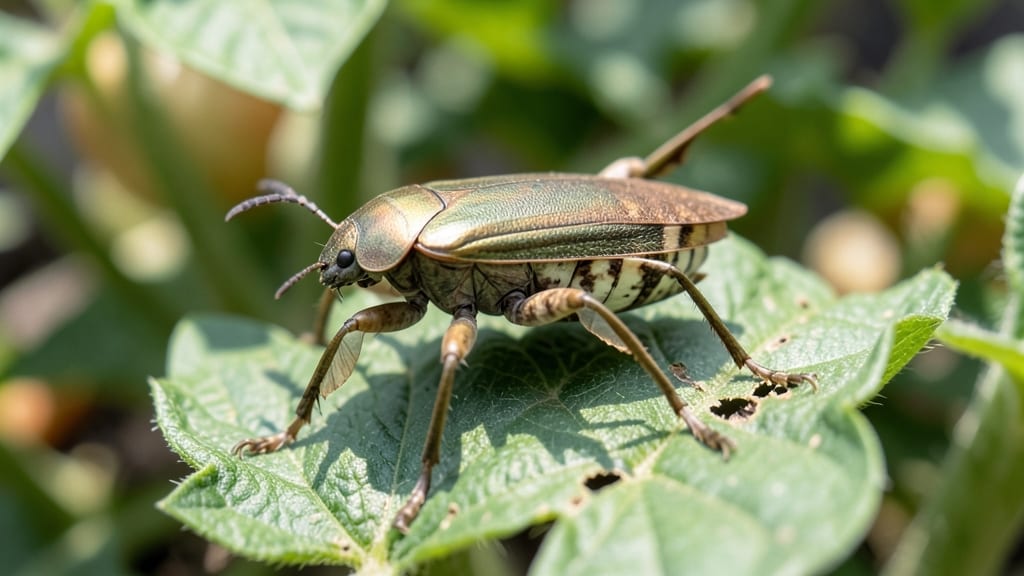
Are leaf-footed bugs bad—absolutely, they’re nightmare pests that can strip a plant overnight. Those telltale ragged holes? That’s their work. 🌿 I’ve watched them turn thriving tomato plants into skeletal remains in a single evening, and the damage isn’t just cosmetic: they inject toxins that stunt growth or even kill plants outright.
You’ll spot them by their distinctive flat, leaf-like hind legs and the way they cluster on fruit or flower buds. Unlike aphids, they don’t leave sticky residue—they leave clean, jagged tears in leaves and fruit.
Worse, they thrive in warm weather, so a summer infestation can spiral fast if you don’t act.
The good news? They’re easy to catch early with manual removal (drop them in soapy water) or neem oil sprays that disrupt their feeding. Prune damaged foliage immediately, and row covers work wonders for preventing future attacks on young plants.
Once you recognize their damage, you’ll spot them before they become a full-blown crisis. The key is acting fast—these bugs don’t just ruin harvests, they steal your garden’s potential before you even notice.
Triggers Behind Their Invasion
Leaf-footed bugs (family Coreidae) don’t just appear out of nowhere—they’re drawn to your garden by a mix of environmental cues, plant chemistry, and even human activity. Understanding these triggers can help you prevent their destructive feeding habits before they become a full-blown infestation.
Here’s a breakdown of the key factors that turn your lush garden into their all-you-can-eat buffet.
Leaf-footed bugs are specialized feeders, meaning they target specific plants that offer the right balance of nutrients and water. Their favorite menu includes:
- Tomatoes: These bugs adore the sweet, juicy fruit and foliage, often injecting toxins that cause cat-facing (scarring) on tomatoes.
- Peppers: Both the fruit and leaves are high in sugars and oils, making them irresistible.
- Beans and Okra: These legumes contain compounds that mimic the bugs’ natural food sources in the wild.
- Weeds like Pigweed or Smartweed: If your garden borders overgrown or neglected areas, these weeds act as a gateway pest, luring bugs before they move to your crops.
Why it matters: Leaf-footed bugs release pheromones when feeding, signaling other bugs to join the feast. A single plant can quickly become a magnet.
These bugs thrive in warm, dry climates, particularly when temperatures hover between 75–95°F (24–35°C). Here’s how weather plays a role:
- Heat accelerates their metabolism: Warmer temps make them more active, increasing their appetite and reproduction rate.
- Drought stress weakens plants: When plants lose moisture, their cell walls become easier to pierce, making them more vulnerable to bug attacks.
- Delayed monsoons or irrigation gaps: Bugs seek out stressed plants, as they’re easier to feed on and less likely to mount a chemical defense.
Pro tip: 🌡️ Monitor your local heatwave forecasts. If temperatures spike, inspect plants daily for early signs of feeding (e.g., wilting, discolored spots, or sticky honeydew).
Sometimes, the way we garden unintentionally creates the perfect conditions for leaf-footed bugs. Common mistakes include:
- Over-fertilizing with nitrogen: Bugs are drawn to plants with soft, fast-growing tissue, which high-nitrogen fertilizers promote.
- Ignoring garden debris: Leaving fallen leaves, plant stems, or even mulch piles provides hiding spots for overwintering adults and nymphs.
- Planting susceptible crops too close together: Dense plantings reduce airflow, trapping heat and humidity—ideal conditions for bug activity.
- Bringing in infested plants: Purchasing nursery starts or seeds from untreated sources can introduce bugs directly into your garden.
Actionable fix: 🔥 Rotate crops annually and avoid planting vulnerable plants (like tomatoes) in the same spot every year. This disrupts their life cycle and reduces soil-borne signals that attract them.
Leaf-footed bugs are more likely to explode in numbers when their natural predators are missing or when their habitat is altered. Key disruptions include:
- Loss of beneficial insects: Predators like assassin bugs, spiders, and parasitic wasps keep populations in check. Pesticide use (even broad-spectrum sprays) can wipe these out.
- Monoculture gardening: Planting large blocks of a single crop (e.g., a tomato farm) creates a bug buffet with no natural diversity to break their feeding cycle.
- Urban sprawl reducing wild habitats: As natural vegetation disappears, bugs migrate to gardens in search of food and shelter.
Solution: ✨ Encourage biodiversity by adding native flowering plants (like marigolds or dill) to attract predator insects. Even a small patch of clover or wildflowers can make a difference.
By addressing these triggers—whether it’s plant selection, weather management, or garden practices—you can significantly reduce the risk of a leaf-footed bug takeover. The key is proactive observation and intervention before the bugs gain a foothold.
How to Fix Leaf Footed Bug Damage
Leaf-footed bugs may seem like a nuisance, but with the right approach, you can protect your garden and keep these pests under control. Below are practical, step-by-step solutions tailored to different causes of infestation—from early detection to long-term prevention.
Leaf-footed bugs lay eggs in clusters on plant stems, leaves, or even containers. If you catch them early, you can prevent a full-blown infestation.
- 👨🍳 Handpick adults during dawn or dusk when they’re sluggish. Drop them in soapy water to eliminate them. - 🔪 Scrape off egg masses (they look like tiny, flat, yellowish clusters) with a fingernail or a soft brush.
Dispose of them in sealed bags. - 🌡️ Monitor high-risk plants like tomatoes, beans, and citrus—check stems and undersides of leaves weekly.
If the infestation spreads, a mix of organic and targeted chemical treatments can help.
🌿 Organic Solutions (Safe for Most Gardens)
- 💡 Neem oil spray – Disrupts their life cycle.
Mix 1 tsp neem oil + 1 tsp mild soap + 1 quart water, spray on leaves (especially undersides), and reapply every 5–7 days. - 🎯 Diatomaceous earth (DE) – Sprinkle food-grade DE around plant bases and on leaves.
It dehydrates bugs but is harmless to plants and pets once settled. - 🥘 Beneficial insects – Introduce assassin bugs, parasitic wasps, or lacewings, which prey on leaf-footed bugs naturally.
🔪 Chemical Controls (For Severe Cases)
- 🛡️ Pyrethrin-based sprays – Fast-acting but short-lived. Spray early morning or late evening to avoid harming bees.
- 🧪 Insecticidal soap – Effective on nymphs and adults.
Follow label instructions for best results. - ✨ Systemic insecticides (last resort) – Use imidacloprid or dinotefuran (e.g., Marathon or Safari) for heavy infestations, but apply before planting or as a soil drench.
⚠️ Pro Tip: Always rotate treatments to prevent resistance. Avoid broad-spectrum sprays that kill beneficial insects!
Once you’ve eliminated the current problem, keep leaf-footed bugs from returning with these long-term strategies:
| Prevention Method | How to Do It | Best For |
|---|---|---|
| 🌱 Plant resistant varieties | Choose thick-skinned tomatoes (e.g., 'Cherokee Purple') or bitter melons—these repel bugs. | Vegetable gardens |
| 🌿 Mulch with reflective materials | Use silver mulch or aluminum foil around plant bases to deter egg-laying. | Flower beds & young plants |
| 🕵️♂️ Set up yellow sticky traps | Place yellow cards coated in Tanglefoot near plants to catch adults early. | Early detection in greenhouses |
| 🍎 Practice crop rotation | Avoid planting solanaceous plants (tomatoes, peppers, eggplants) in the same spot yearly. | Annual vegetable gardens |
| 🚿 Water deeply at the base | Bugs hide in shallow moisture—water roots directly to discourage them. | Established gardens |
If your garden is overrun despite your efforts, or if you’re dealing with commercial crops, consider hiring a pest control expert. They can assess the damage and apply targeted, large-scale treatments safely.
Final Thought: Leaf-footed bugs are manageable with early action and consistent prevention. Stay vigilant, and your garden will thrive! 🌿💪
Frequently asked questions
What do leaf-footed bug bites look like on plants?
Look for irregular, jagged holes along leaf edges or scattered across surfaces—unlike clean cuts from grasshoppers. You’ll also spot sticky residue (honeydew) and possible black sooty mold growing on leaves below. Check flower buds too; they often get punctured and deform.
Are leaf-footed bugs poisonous to humans?
No, they don’t bite humans and aren’t venomous. However, they can release a foul-smelling odor when crushed (like stink bugs). The real danger is their plant damage—some species inject toxins that cause cat-facing scars on fruit or stunt plant growth entirely.
How fast can they destroy a garden?
Surprisingly fast! A single adult can lay 20-30 eggs in a week, and nymphs hatch in 10-14 days. Within 2-3 weeks, you can go from a few bugs to a full-blown infestation. Tomatoes and peppers are especially vulnerable—they can go from lush to skeletonized in 5-7 days if unchecked.
Will neem oil really work against them?
Yes, but you need to be consistent. Neem oil disrupts their feeding and reproduction when applied every 5-7 days during active growth. For best results, spray undersides of leaves (where they hide) and reapply after rain. Combine it with handpicking adults for faster results.
Can I save a plant already heavily damaged?
Possibly, but act fast. Prune all damaged leaves immediately and isolate the plant to prevent spread. For tomatoes, remove cat-faced fruit (scars won’t heal). Apply a strong insecticidal soap treatment and monitor daily. If the plant is severely stressed, it may need extra care (deep watering, fertilization) to recover.