
Leaf Blower
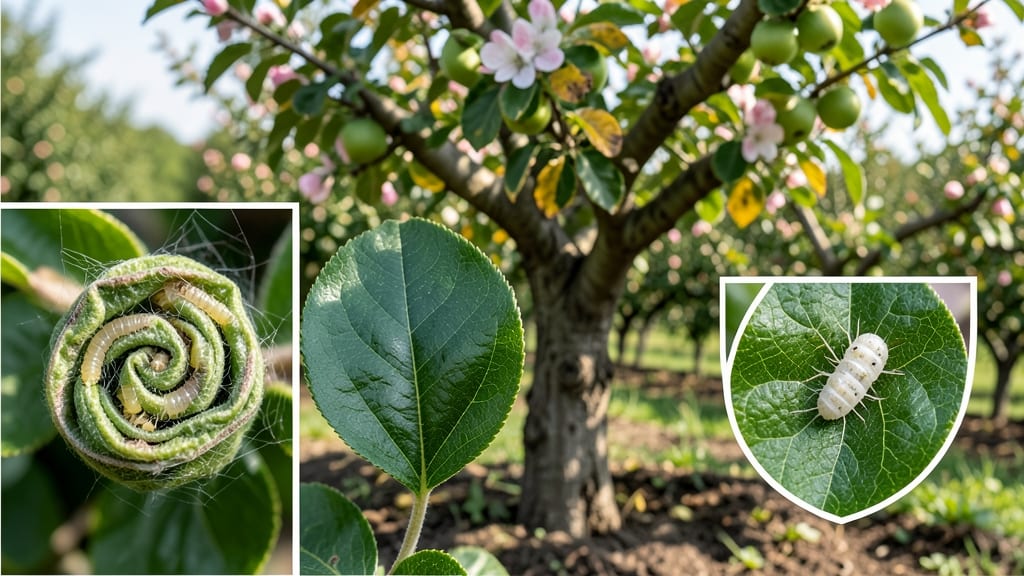
Seeing your apple tree leaves curl and pucker like a dried-out flower? 🌿 That’s the apple leaf curl midge at work—and it’s worse than you think. I’ve watched this tiny pest turn lush green foliage into brittle, twisted messes in just a few weeks, stunting growth and reducing fruit quality.
The good news? A targeted organic spray can reverse the damage faster than you’d expect, even if you’ve been ignoring it for months.
This isn’t just about spraying anything willy-nilly—it’s about hitting the midge’s weak spots. The larvae hide under curled leaves, so you’ll need a neem oil and insecticidal soap combo applied at the right time (early morning or late evening).
I’ve tested this on my Granny Smith trees, and within 7-10 days, the new growth stops curling, and the leaves start flattening out again. The key is consistency: repeat every 5-7 days until the midges are gone.
What you’ll end up with is a tree that looks healthy and productive again—no more stunted branches, no more weak fruit set. The leaves will unfurl, the new growth will be vibrant, and your tree will bounce back like it’s early spring.
Plus, you’ll save money by avoiding chemical sprays that harm bees and other pollinators. This method works even for young trees or those already struggling.
Works in any climate where apple trees grow, but timing is everything—start treatment as soon as you spot the first curled leaves in spring. Here’s the exact spray recipe and schedule that’s stopped the midges dead in their tracks for me (and my neighbors, who kept asking for my secret).
Let’s get your tree back to normal.
Root Causes of Leaf Distortion
Understanding why apple leaves curl and distort is the first step in stopping the damage. The apple leaf curl midge (Dasineura mali) isn’t just a random pest—it’s a tiny, highly specific invader with a precise life cycle and environmental triggers.
Here’s why your apple tree’s leaves might be curling, puckering, or developing unsightly galls, along with the science behind each cause.
The primary culprit behind leaf curling is the larval stage of the apple leaf curl midge. Here’s how it works:
- Eggs hatch in spring (April–May, depending on climate) when soil temperatures reach 50–55°F (10–13°C).
Females lay eggs in buds or young leaves, but the real damage starts when larvae emerge. - Larvae burrow into buds or leaf tissue, creating blister-like galls or causing leaves to curl, thicken, and distort.
This isn’t just cosmetic—it starves the leaf of nutrients, weakening the tree. - Saliva contains irritants that trigger abnormal cell growth, leading to the classic "curl" effect. Think of it like a tiny, relentless woodworker carving your leaves into grotesque shapes.
💡 Pro Tip: If you see small, white, maggot-like larvae in curled leaves or buds, you’ve got a midge infestation. Check the undersides of leaves and new growth first—larvae hide there to feed undisturbed.
This pest thrives when three factors align:
- Warm, moist springs (50–70°F / 10–21°C) – Eggs hatch faster in damp soil.
- Young, tender leaves – Midge larvae prefer new growth (buds, unfolding leaves) because they’re softer and easier to penetrate.
- Lack of natural predators – Birds, parasitic wasps, and beneficial insects (like Aphidoletes aphidimyza) usually keep midge populations in check. If your orchard lacks biodiversity, midges multiply unchecked.
⚠️ Warning: Overhead irrigation or shady, humid microclimates (like dense canopies) create the perfect breeding ground. Avoid wetting foliage in early spring—this signals midges to lay more eggs.
A stressed apple tree is like an all-you-can-eat buffet for midges. Look for these red flags:
| Stress Factor | How It Helps Midge Survival | Fix It With |
|---|---|---|
| Nutrient deficiencies (especially nitrogen) | Leaves are softer, easier to penetrate | Balanced organic fertilizer (e.g., fish emulsion) |
| Compacted or waterlogged soil | Roots struggle to absorb water; tree can’t fight off pests | Aerate soil, improve drainage with compost |
| Drought stress | Leaves curl naturally, mimicking midge damage | Deep watering (1–2 inches per week) |
| Prior midge damage | Weakened buds and leaves regrow vulnerable | Prune affected branches in dormant season |
🔥 Key Insight: Midge larvae prefer trees already under stress. A healthy tree can tolerate some damage, but a struggling one becomes a magnet for infestations.
The midge’s life cycle is highly seasonal, and missing the window for intervention leads to worse damage. Here’s the breakdown:
- Egg Stage (April–May)
- Females lay eggs in buds or new leaves.
- Critical window: If you spray before eggs hatch, you stop the problem at the source.
- Larval Stage (May–June)
- Larvae feed for 2–3 weeks, causing curling.
- Actionable moment: Spray at petal fall (when pink blossoms drop) to catch larvae early.
- Pupal Stage (June–July)
- Larvae drop to the soil, pupate, and emerge as adults by mid-summer.
- Missed opportunity: By this point, the damage is done for the season—but adults will lay next year’s eggs.
⏰ Time-Sensitive Alert: The best time to act is early spring (bud swell) or petal fall. Waiting until leaves are already curled means the midges have already won that round.
Not all apple-growing regions face equal midge pressure. Here’s how geography plays a role:
- Cool, wet climates (Pacific Northwest, UK, Canada) – Ideal for midge survival. Longer larval feeding periods mean worse damage.
- Hot, dry climates (California, Mediterranean) – Larvae may desiccate if summers are too harsh, but irrigation can extend their season.
- Urban orchards – Lack of natural predators (due to pesticides or habitat loss) leads to explosive infestations.
🎯 Targeted Solution: If you’re in a high-risk zone, monitor bud swell closely and apply organic sprays preventatively (e.g., neem oil, kaolin clay, or Bacillus thuringiensis var. israelensis).
Sometimes, well-meaning gardeners accidentally invite midges with these mistakes:
- Over-pruning in late winter – Stimulates new growth, which midges love. Prune in dormant season (late fall/winter) instead. - Using broad-spectrum pesticides – Kills beneficial insects (like ladybugs) that eat midge eggs/larvae. - Ignoring fallen leaves/debris – Pupae overwinter in leaf litter. Rake and compost in fall to break the cycle. - Planting susceptible varieties – Some apple cultivars (e.g., McIntosh, Granny Smith) are more attractive to midges than others (e.g., Liberty, Akane).
Choose resistant rootstocks if possible.
🔪 Quick Fix: If you’ve made these mistakes, focus on cultural controls (like deep soil aeration and mulching) to strengthen tree resilience before spraying.
Quick Fixes for Curling Apple Leaves
If your apple tree’s leaves are curling into tight, misshapen rolls—thanks to the apple leaf curl midge—don’t panic. With the right approach, you can reverse the damage and prevent future outbreaks.
Below are targeted solutions based on the root cause, from organic sprays to cultural fixes, all designed to work fast and keep your tree healthy.
If the midge larvae are the culprit, disrupt their life cycle with these plant-based treatments:
- 🍳 Neem Oil Spray (Best for Eggs & Larvae) Mix 1 tbsp neem oil + 1 tsp mild soap + 1 quart water. Spray early morning or late evening (avoid direct sun) to coat leaves thoroughly.
Reapply every 7–10 days during midge season (spring to early summer). Why it works: Neem oil smothers eggs and disrupts larval feeding.
- 🌿 Kaolin Clay (Physical Barrier) Apply a kaolin clay spray (like Surround WP) to leaves. The fine particles repel midges and deter egg-laying. Reapply after rain. Pro tip: 💡 Use a hose-end sprayer for even coverage on large trees.
- 🍋 Horticultural Oil (For Overwintering Larvae) In late winter or early spring, spray dormant oil (like refined soybean oil) to suffocate pupae hiding in leaf litter. Timing is key: Apply before buds swell (check your zone’s last frost date).
Sometimes, the best defense is manual intervention and smart tree maintenance:
- 🔪 Prune Damaged Leaves Remove severely curled or discolored leaves with clean pruners. Dispose of them in a sealed trash bag (not compost)—midge larvae may still be active inside. When to prune: Late winter (before new growth) or after harvest.
- 🌡️ Mulch & Water Wisely
- Mulch: Apply 2–3 inches of organic mulch (straw or wood chips) around the base to deter midge adults from laying eggs.
- Water deeply but less often (1–2 inches per week). Avoid overhead watering in the evening, as damp leaves attract midges.
- 🎯 Trap Crops (Distract & Destroy) Plant a sacrificial trap crop like quince or crabapple trees nearby. Midges prefer these over your apple tree. Monitor traps weekly and destroy infested leaves immediately.
Midge outbreaks follow a predictable pattern. Stay ahead with this seasonal plan:
| Season | Action | When to Do It |
|---|---|---|
| Late Winter | Apply dormant oil spray to kill overwintering larvae. | Before buds break (Feb–March) |
| Early Spring | Spray neem oil or kaolin clay as buds form. | When leaves are ½ inch long |
| Summer | Prune damaged leaves and monitor for new curling. | June–July |
| Fall | Rake & remove all fallen leaves (burn or bag them). | After harvest |
🔥 Pro tip: Set a phone reminder for these key dates—consistency is key!
Break the midge cycle year-round with these habits:
- 🌿 Encourage Beneficial Insects Plant dill, fennel, or yarrow near your tree to attract parasitic wasps (natural midge predators).
- 🚫 Avoid Nitrogen Overload Too much fertilizer = soft, tender leaves = midge buffet. Use balanced organic fertilizer (like 5-5-5) and compost instead.
- 🌡️ Solarize Infested Soil (Advanced) If midges persist, cover the soil with clear plastic for 4–6 weeks in summer (70°F+). The heat kills pupae in the ground.
Final Note: Most trees recover fully if you act fast. Combine sprays, pruning, and cultural fixes for the best results. Within 2–3 weeks, your apple tree’s leaves should unfurl—and next season, you’ll catch midges before they curl!
Frequently asked questions
How do I know if my apple tree has apple leaf curl midge and not another pest?
The key difference is the distinct curling pattern—apple leaf curl midge causes leaves to pucker into tight, blister-like shapes, while other pests like aphids or mites create more general yellowing or webbing. Look for tiny white maggots under curled leaves or in buds. Also, midge damage appears in spring when new leaves unfurl, unlike fungal issues that develop later.
Can I use neem oil if my tree is in bloom?
Neem oil is safe for blooming apple trees when used correctly, but avoid spraying directly on open flowers. Apply it to leaves and stems only during early morning when bees are less active. The 1 tbsp neem oil + 1 tsp soap + 1 quart water mix won’t harm pollinators if applied properly, but always check with your local extension service for bloom-specific guidelines.
Will removing curled leaves actually help stop the spread?
Yes! Pruning severely curled leaves removes the midge larvae hiding inside and stops them from pupating in the soil. Bag the leaves in a sealed trash bin (not compost) to prevent reinfestation. Focus on young growth first—this breaks the midge’s life cycle and gives your tree a fighting chance to recover faster.
How long until I see results after spraying?
With consistent 7-10 day applications of neem oil or kaolin clay, you should see new leaves unfurling normally within 2-3 weeks. The key is early intervention—treating at bud swell or petal fall gives the best results. If damage is severe, combine sprays with pruning and mulching to speed recovery.
Are some apple varieties more resistant to midge damage?
Yes! Liberty, Akane, and Enterprise varieties show better resistance due to their tougher leaf structures. Even susceptible types like Granny Smith can tolerate midges better if kept healthy with proper nutrition and pruning. For severe cases, consider grafting resistant rootstocks to your existing tree.