
Pruning
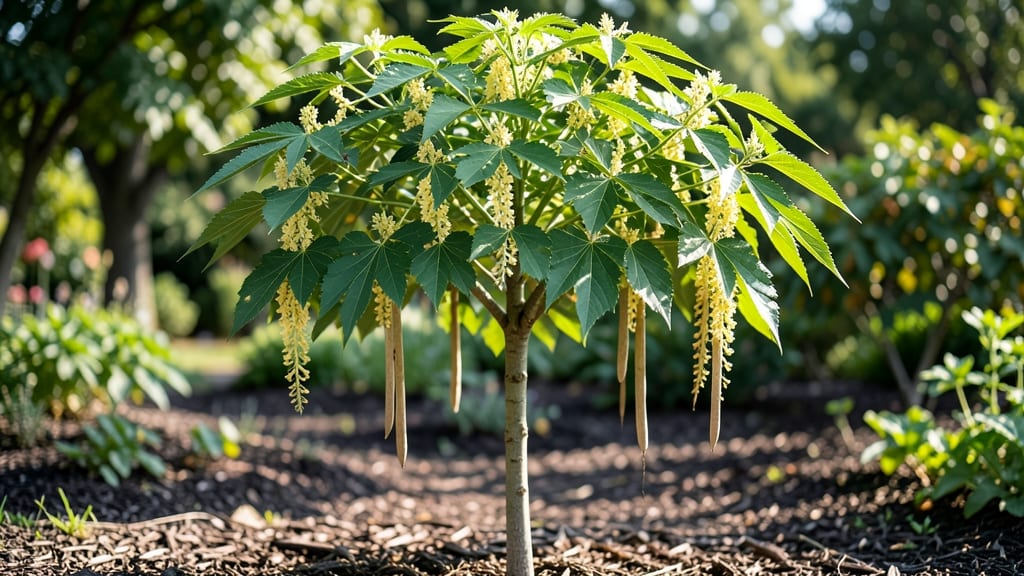
The 3-point leaf tree, also called Trifoliate Orange (Poncirus trifoliata), is a cold-hardy citrus relative with distinctive trifoliate leaves, thorny branches, and fragrant white flowers. It thrives in USDA zones 6-9 and requires full sun, well-drained soil, and minimal watering once established.
The 3-point leaf tree gets its name from its signature trifoliate leaves—three leaflets per stem—setting it apart from most citrus varieties. 🌿 These trees are prized for their hardiness, surviving temperatures as low as -15°F with proper care, and their thorny branches act as natural deterrents to pests.
While the small, tart fruit isn't typically eaten fresh, it's often used in preserves or as a rootstock for grafting onto sweeter citrus varieties. Their fragrant spring blooms make them a favorite among gardeners looking for ornamental value combined with practical benefits.
This tree's adaptability makes it ideal for both urban and rural landscapes, but its care requirements are straightforward once you understand its needs. Unlike tropical citrus, the 3-point leaf tree handles colder climates beautifully, making it a low-maintenance choice for gardeners in cooler regions.
The key to keeping it thriving lies in mimicking its natural Mediterranean environment—plenty of sunlight, well-draining soil, and occasional pruning to maintain its shape and encourage abundant flowering.
💡 In This Article
- Identifying Trifoliate Orange Trees by Leaf and Fruit
- Pruning and Winter Care for Cold-Hardy Citrus Trees
Identifying trifoliate orange trees by leaf and fruit
The trifoliate leaf structure is the most reliable way to identify this tree. Unlike most citrus varieties that have pinnate leaves (multiple leaflets along a central stem), the 3-point leaf tree features three distinct leaflets attached directly to the stem at a single point—hence the name.
Each leaflet typically measures 1-2 inches long, with a glossy, dark green surface and serrated edges. The leaflets grow at angles of about 45-60 degrees from the central stem, creating a distinctive triangular shape when viewed from above.
When examining the bark, you'll notice it's rough and deeply furrowed, especially on mature specimens. Young branches often appear greenish-brown, while older bark turns a darker gray-brown with pronounced ridges.
The thorns—another key identifier—grow in pairs along the branches and can reach 1-2 inches in length, providing excellent protection against browsing animals. These thorns are sharper than those found on many other citrus relatives, making the tree less appealing as a food source for deer or rabbits.
The fruit of a true trifoliate orange is small—typically 1-2 inches in diameter—and has a thick, bitter rind that makes it inedible fresh. The flesh is tart and seedy, but it's prized by gardeners for its ornamental value and use as rootstock.
Hybrid varieties, like the 'Flying Dragon' trifoliate orange, produce slightly larger, sweeter fruit that can be used in preserves or marmalades. The flowers, which appear in spring, are fragrant and white with 5 petals, often followed by the distinctive trifoliate leaves.
Seasonal growth patterns also help with identification. New growth emerges in spring, accompanied by the fragrant blossoms. By mid-summer, the fruit begins to form, and the leaves reach their full size.
In fall, the foliage may turn a slightly yellowish-green before dropping, while the fruit ripens to a bright orange color. Unlike tropical citrus, this tree enters dormancy in winter, losing some leaves but retaining its basic structure, which is a key adaptation to colder climates.
One common point of confusion is distinguishing trifoliate orange from other cold-hardy citrus like the 'Calamondin' or 'Kumquat'. The trifoliate's trifoliate leaves and thorny branches set it apart, while Calamondin has pinnate leaves and smaller, rounder fruit.
Kumquats, on the other hand, have smooth, oval leaves and a completely different growth habit. If you're unsure, examine the leaf attachment point—the trifoliate's three-leaflet structure is unmistakable once you know what to look for.
For gardeners, this tree's unique characteristics make it a standout in the landscape. The combination of cold hardiness, ornamental value, and practical uses as rootstock or for hedging explains why it's a favorite among citrus enthusiasts.
Whether you're identifying an existing tree or selecting one for your garden, focusing on the leaf structure, bark texture, and fruit type will help you confidently recognize this versatile citrus relative.