
Leaf Blower
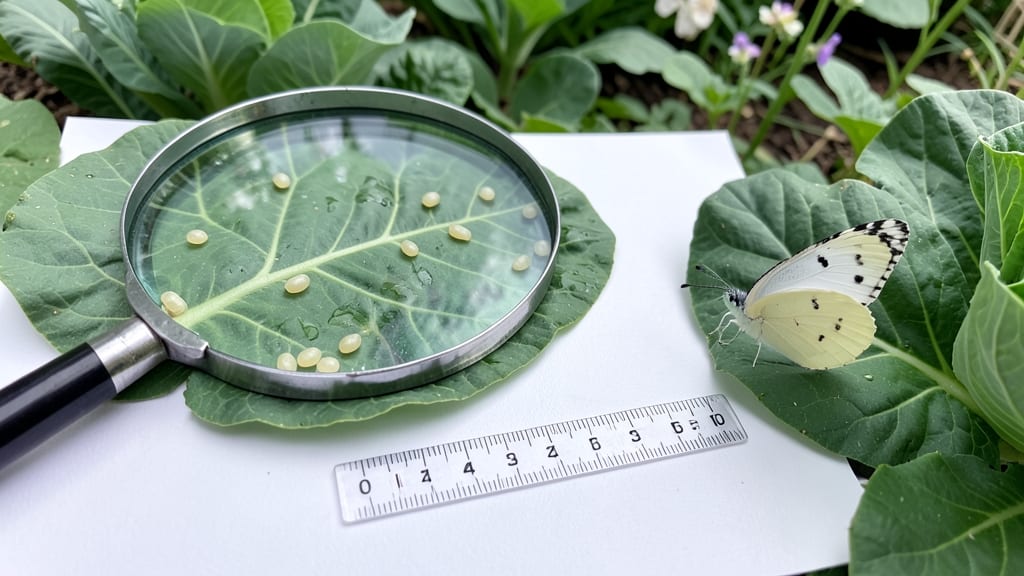
Finding tiny white eggs on the leaf is like discovering a secret enemy camp—sneaky and fast-spreading. ✨ These aren’t just random specks; they’re usually whitefly, aphid, or mealybug eggs, and they can turn your lush foliage into a chewed-up mess if ignored.
The good news? You can tackle them without harsh chemicals or copper sprays, and the fix often works in just 24 hours with the right approach.
Most gardeners panic when they spot these eggs because they assume they’ve lost the battle. But here’s the thing—these pests thrive in specific conditions, and disrupting them is easier than you think.
I’ve seen tomatoes, citrus, and even houseplants bounce back completely after a single targeted treatment, and the key is knowing exactly what you’re dealing with. That’s why we’ll start by identifying the culprit before diving into solutions that actually work.
By the end of this guide, you’ll be able to spot these eggs early, remove them manually or with organic sprays, and prevent future infestations—no fungicides or copper-based products required.
Your plants will go from stressed to thriving in no time, and you’ll never have to worry about those tiny white invaders again. Let’s get your garden back in shape!
We’ll also cover common mistakes that make the problem worse (like overwatering or using the wrong spray) and when it’s time to call in a pro. Whether you’re dealing with a single leaf or a full-blown outbreak, the steps here will give you confidence—and results—fast.
Common Culprits Behind Tiny Eggs
Discovering tiny white eggs on leaves can feel like a mystery—especially when you’re eager to protect your plants. These eggs are almost always a sign of insect infestation, and understanding the why behind them is the first step to effective treatment.
Below, we break down the most common causes, their life cycles, and how they end up on your foliage.
Aphids are one of the most frequent offenders, laying their tiny white eggs on the undersides of leaves or along stems. These pests thrive in clusters and excrete a sticky substance called honeydew, which can lead to sooty mold—a secondary problem.
- How they spread: Aphids are often carried by wind, ants (who farm them for honeydew), or even contaminated tools and plants.
- Why they choose your plants: They prefer tender, new growth—think succulent leaves or young shoots—where they can feed undisturbed.
- Life cycle clue: Eggs overwinter on plants and hatch in spring, explaining sudden outbreaks when temperatures rise.
💡 Pro Tip: Check for curled leaves or yellowing—classic aphid feeding signs—and isolate infested plants to prevent spread.
Whiteflies are another common culprit, though their eggs are even harder to spot because they’re often laid in spiral patterns on the undersides of leaves. These tiny, oval eggs are white or yellowish and blend into the leaf surface.
- Why they’re sneaky: Adult whiteflies are weak fliers but spread rapidly via airflow (e.g., fans, vents, or even your leaf blower!).
- Feeding damage: They pierce leaves to suck sap, causing stippling (tiny white dots) and weakening the plant over time.
- Egg-laying behavior: Females prefer the undersides of leaves because it offers protection from predators and drying out.
🔍 Spot the difference: Unlike aphids, whiteflies take flight when disturbed—look for a sudden cloud of tiny white moths near your plants.
Mealybugs leave behind fluffy white egg sacs (often called "cotton wool") that resemble tiny puffs of cotton. These sacs contain hundreds of eggs, and once hatched, the nymphs spread quickly, coating stems and leaves.
- Why they target specific plants: Mealybugs adore stressed or overwatered plants, particularly succulents, citrus, and ornamentals.
- How they multiply: A single female can lay 600+ eggs in a sac, which takes about a week to hatch—explaining rapid infestations.
- Secondary damage: Their honeydew attracts ants and fosters mold, turning leaves black and stunting growth.
🌡️ Environmental trigger: High humidity and poor airflow create the perfect breeding ground for mealybugs—prune plants and improve ventilation to deter them.
Not all tiny white specks on leaves are insect eggs—some are fungal spores, which can mimic the appearance of aphid or whitefly eggs. Fungal spots often look like powdery white dust or small, raised bumps.
- Common fungal causes:
- Powdery mildew: Thrives in shady, humid conditions and coats leaves in a white, flour-like layer.
- Rust fungi: Produces pustules (spore-filled blisters) that may appear as tiny white dots.
- Why they spread: Fungal spores are airborne and latch onto damp leaves, especially after rain or overhead watering.
- Plant stress factor: Weakened plants (due to poor nutrition, pests, or disease) are more susceptible to fungal attacks.
✨ Quick check: Scrape a speck with your fingernail—if it smears like powder, it’s likely fungal. If it’s a tiny, oval object, it’s probably an insect egg.
Now that you know the why behind those tiny white eggs, you’re ready to tackle the problem with targeted solutions. Stay tuned for our copper-free, 24-hour cure to restore your plants’ health!
Quick Fixes for Leaf Pests
Discovering tiny white eggs on your leaves can be frustrating, but the good news is that most infestations are manageable with the right approach.
Below, we’ll break down solutions based on the most likely culprits—whether it’s aphids, whiteflies, mealybugs, or even fungal spores—and provide step-by-step fixes to restore your plants to health. Prevention tips will also help you keep your garden thriving long-term.
Before diving into treatments, confirm what you’re dealing with. Use a magnifying glass to inspect the eggs and the affected leaves. Common suspects include:
- Aphids or whiteflies (tiny, oval eggs clustered on undersides of leaves)
- Mealybugs (fluffy white eggs in cottony masses)
- Fungal spores (powdery or slimy white deposits, often on damp leaves)
- Scale insects (small, immobile eggs stuck to leaf surfaces)
Pro Tip: 💡 Snap a photo and compare it to online guides or consult a local nursery for a definitive ID. Accurate identification ensures you target the right treatment!
If you catch the problem early, these gentle methods can work wonders without harsh chemicals.
👨🍳 1. Soapy Water Spray (Best for Aphids & Mealybugs)
Mix 1 tablespoon of mild liquid soap (like Castile soap) or a few drops of dish soap with 1 quart of water. Spray the solution directly on the eggs and leaves, focusing on the undersides where pests hide.
Repeat every 3–5 days until the eggs hatch and the pests disappear.
Why it works: The soap disrupts the protective coating of the eggs and suffocates newly hatched nymphs.
Pro Tip: 🌡️ Test the solution on a small leaf first—some plants (like delicate succulents) may react poorly to soap.
🥘 2. Neem Oil Solution (All-Purpose Pest Repellent)
Neem oil is a powerhouse for breaking the life cycle of pests. Combine:
- 1 tablespoon neem oil
- 1 teaspoon mild soap (as an emulsifier)
- 1 quart of water
Spray the mixture on the leaves, ensuring full coverage. Reapply every 5–7 days for 2–3 weeks. Neem oil also prevents future eggs from hatching.
Bonus: 🎯 It’s safe for most plants and even improves soil health when used as a foliar feed.
🔪 3. Physical Removal (For Mealybugs & Scale)
If you spot clusters of white, cottony eggs (mealybugs) or small, shell-like eggs (scale), use these tools:
- Cotton swabs dipped in rubbing alcohol – Gently wipe off eggs and adults.
- Strong stream of water – Blast off pests from broad leaves (like those on citrus or hibiscus).
- Sticky traps – Place yellow sticky cards near infested plants to catch emerging adults.
Follow up with neem oil or soapy water to kill any remaining eggs.
If the issue is fungal (like powdery mildew or downy mildew), act quickly to stop spore spread.
🌿 Baking Soda Spray (For Fungal Spores)
Mix:
- 1 teaspoon baking soda
- 1 quart of water
- A few drops of soap (to help it stick)
Spray the solution on leaves every 7–10 days or after rain. Baking soda raises the pH, making it inhospitable for fungal spores.
Pro Tip: ✨ For stubborn fungal spots, add 1 tablespoon hydrogen peroxide (3%) to the mix for extra antifungal power.
🌱 Copper-Free Fungicide Alternatives
If baking soda isn’t enough, try these:
- Potassium bicarbonate – A stronger antifungal spray available at garden centers.
- Compost tea – Boosts plant immunity and crowds out fungi.
- Garlic or chili pepper spray – Blend garlic/cloves or chili peppers with water, strain, and spray. The sulfur compounds deter fungi.
Once you’ve treated the infestation, take these steps to prevent a recurrence:
- 🌿 Improve Airflow – Prune overgrown branches and space plants to reduce humidity, which fungi and pests love.
- 💦 Water Wisely – Water early in the day so leaves dry quickly. Avoid overhead watering, which spreads fungal spores.
- 🍃 Mulch Properly – Use organic mulch (like straw or wood chips) to retain moisture but keep it a few inches away from the plant stem.
- 🐛 Introduce Beneficial Insects – Ladybugs, lacewings, and parasitic wasps eat aphid and whitefly eggs. Buy them online or attract them with native plants like dill or fennel.
- 🔍 Monitor Regularly – Check the undersides of leaves weekly, especially on new growth. Early detection = easier fixes!
Remember: Consistency is key! Most treatments take 2–3 weeks to fully eliminate eggs and nymphs. Stay vigilant, and your plants will bounce back stronger.
Frequently asked questions about tiny white eggs on leaves
Are those tiny white eggs always harmful to my plants?
Not always! While most tiny white eggs on leaves are from pests like aphids or whiteflies, some may be harmless fungal spores (like powdery mildew). The key difference: insect eggs are usually oval and clustered, while fungal spores look like dusty powder. Always check the leaf texture—scratch a speck with your nail. If it smears, it’s likely fungal.
How do I know if it’s aphid eggs vs. whitefly eggs?
Aphid eggs are tiny, oval, and often laid in lines along leaf veins or stems, while whitefly eggs are flatter and spiral-shaped on leaf undersides. The easiest way to tell? Shake the plant—if tiny white moths fly up, it’s whiteflies. Aphids don’t fly but cluster in sticky groups that leave honeydew residue.
Will neem oil kill the eggs or just the adult pests?
Neem oil disrupts the eggs’ protective coating, preventing them from hatching, but it works best when applied repeatedly (every 5–7 days). For immediate results, combine it with a soapy water spray to suffocate existing eggs. Pro tip: Apply in the evening when pests are most active for maximum effectiveness.
Why do I keep seeing more eggs after treating my plants?
This usually means the treatment didn’t reach all the eggs, especially those hidden on leaf undersides. Many pests lay eggs in batches, so reapply sprays every 3–5 days for 2–3 weeks to break their life cycle. Also, check for new growth—pests target tender leaves first. Isolate heavily infested plants to stop spread.
Can I use vinegar spray to remove these eggs?
Plain vinegar isn’t safe for plants, but a diluted solution (1 part white vinegar to 3 parts water) can help with fungal spores. For insect eggs, it’s too harsh—opt for neem oil or soapy water instead. Vinegar can burn leaves, so always test a small area first. For stubborn cases, mix with baking soda for a gentler antifungal spray.