
Trees
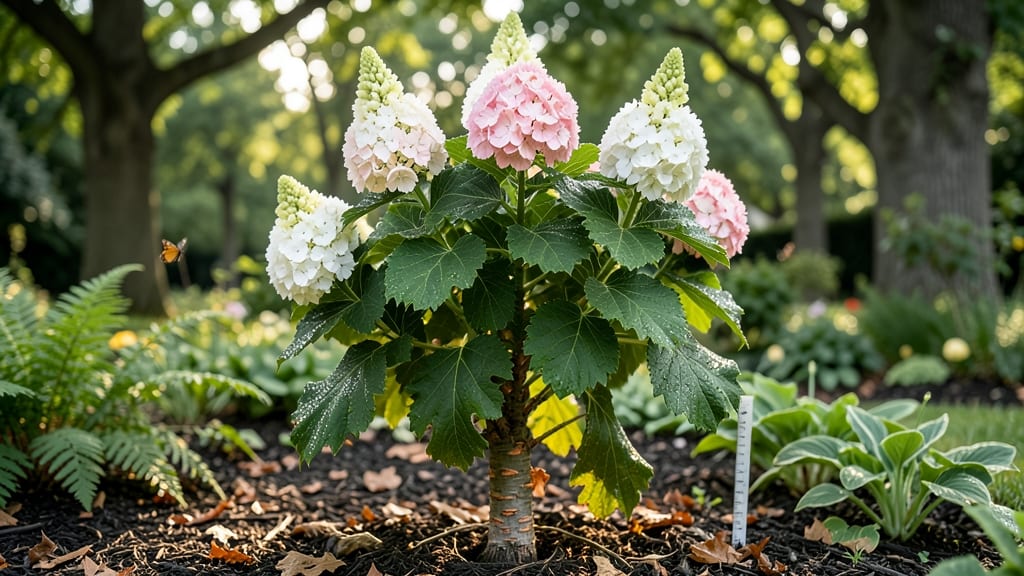
Oak leaf hydrangea height can transform your garden from a wild tangle to a structured masterpiece—if you know the tricks.
Picture this: your 🌿 Oak Leaf Hydrangea is either shooting up like a jungle vine or clinging to the ground like it’s afraid to grow. The good news?
With the right pruning and care, you can steer it toward your ideal height—whether that’s a compact border or a towering statement plant. The secret lies in understanding how these shrubs grow naturally and when to step in.
Most oak leaf hydrangeas mature between 5 and 8 feet, but dwarf varieties like 'Pee Wee' stay under 3 feet. The key to controlling their height isn’t just cutting back—it’s timing, sunlight, and soil.
Learn how to prune for bushier growth or taller stems, and discover natural ways to limit their size without shears.
In this guide, I’ll break down everything you need to know: from seasonal growth patterns to step-by-step pruning tips that actually work. Whether you’re dealing with a rambunctious shrub or a stubborn underachiever, you’ll find out how to shape your oak leaf hydrangea into the perfect fit for your garden.

Natural oak leaf hydrangea height: what to expect by variety and age
Oak leaf hydrangeas (Hydrangea quercifolia) are prized for their stunning foliage and seasonal blooms, but their height can vary dramatically depending on the variety and growing conditions.
Many gardeners assume these shrubs grow uncontrollably tall, but with the right variety selection and care, you can easily achieve your desired compact or towering look. Understanding these growth patterns helps you plan your garden layout and avoid common mistakes like overcrowding or underutilized space.
One of the biggest misconceptions is that all oak leaf hydrangeas become giant shrubs reaching 10 feet or more. In reality, most popular varieties top out between 5 to 8 feet, with dwarf selections staying under 5 feet.
The key to managing height lies in choosing the right variety for your space and understanding how sunlight exposure and seasonal growth habits influence vertical expansion. Let’s break down what to expect by variety and age.
Here’s a quick reference for mature heights of the most popular oak leaf hydrangea varieties:
The 'Pee Wee' variety is often overlooked but perfect for gardeners with limited space, maturing at just 3 to 5 feet tall. Meanwhile, 'Snow Queen' and 'Snowflake' are the tallest options, ideal for creating privacy screens or dramatic focal points.
What many gardeners don’t realize is that these shrubs grow slowly in their first few years, with most varieties reaching only 1 to 2 feet in their first year and 2 to 3 feet by year two.
By year three, you’ll start seeing more noticeable growth, typically 4 to 5 feet, as the shrub establishes its root system. This gradual growth pattern is one reason oak leaf hydrangeas are so versatile—they won’t overwhelm your garden overnight.
However, if you plant them in full sun, they may grow slightly taller and bushier than those in partial shade, where they often develop a more compact, upright form.
Seasonal growth patterns also play a crucial role in managing height. Oak leaf hydrangeas experience two main growth flushes: one in early spring and another after summer blooms. The first flush in spring produces the year’s most vigorous growth, while the second flush after blooming is often more restrained.
If you’re aiming for a taller shrub, avoid heavy pruning in late winter, as this removes next year’s flower buds and can stunt vertical growth.
Sunlight exposure is another critical factor. While oak leaf hydrangeas thrive in partial shade (4-6 hours of sun), they can handle morning sun without issue. Too much afternoon sun, however, can stress the plant, leading to faster but weaker growth.
If you notice your hydrangea stretching toward the light or growing leggy, it’s a sign it needs more shade. Conversely, if it’s staying stubbornly short, it might need a sunnier location or a light pruning to encourage new growth.
One common misconception is that oak leaf hydrangeas will always grow into unmanageable giants. In reality, with proper variety selection and care, you can easily keep them within your desired height range.
For example, 'Little Sweetheart' stays under 6 feet, making it ideal for foundation plantings, while 'Alice' offers a middle-ground option at 5-7 feet. The key is to match the variety
Pruning techniques to control oak leaf hydrangea height: step-by-step guide
Pruning your oak leaf hydrangea (Hydrangea quercifolia) at the right time and with the right technique can transform it from a wild, sprawling shrub into a neatly shaped garden feature.
The key is understanding when to prune—whether you want a compact shrub or a tall border plant. Late winter (just before buds swell) is ideal for shaping, while summer pruning can encourage bushier growth or control height mid-season.
Before grabbing your pruners, gather the right tools: bypass pruners for clean cuts, loppers for thicker branches, and gloves to protect your hands from thorns. Always sterilize your tools with rubbing alcohol to prevent spreading disease between cuts. Safety first—wear eye protection if pruning near your face or eyes.
Aggressive Pruning
- Pros: Dramatically reduces height, encourages bushier growth
- Cons: May remove too many blooms, stresses plant
Gentle Pruning
- Pros: Gradual height control, preserves blooms, less stress
- Cons: Slower height reduction, requires patience
For compact growth, prune in late winter by cutting back 1/3 of the plant's height, focusing on older wood. This encourages new growth from the base, creating a fuller, shorter shrub.
To promote taller blooms, prune lightly in summer after flowering, removing only dead or crossing branches to maintain airflow and shape.
Encouraging bushier blooms requires a different approach: prune selective branches in late winter, leaving 3-4 buds on each stem. This stimulates multiple growth points, resulting in a denser, more vibrant plant. Always step back and assess your work—oak leaf hydrangeas respond well to gradual shaping over time.
After pruning, apply a balanced fertilizer (10-10-10) to support new growth. Water deeply at the base to reduce stress, and mulch around the plant to retain moisture. Avoid pruning in fall, as this can stimulate tender new growth that won’t survive winter.
With the right technique, you’ll achieve the perfect height for your garden vision.
Remember, oak leaf hydrangeas are resilient—don’t be afraid to experiment with pruning styles. Whether you’re aiming for a tall hedge or a compact container plant, consistency is key. Happy pruning! ✂️🌿