
Leaf Blower
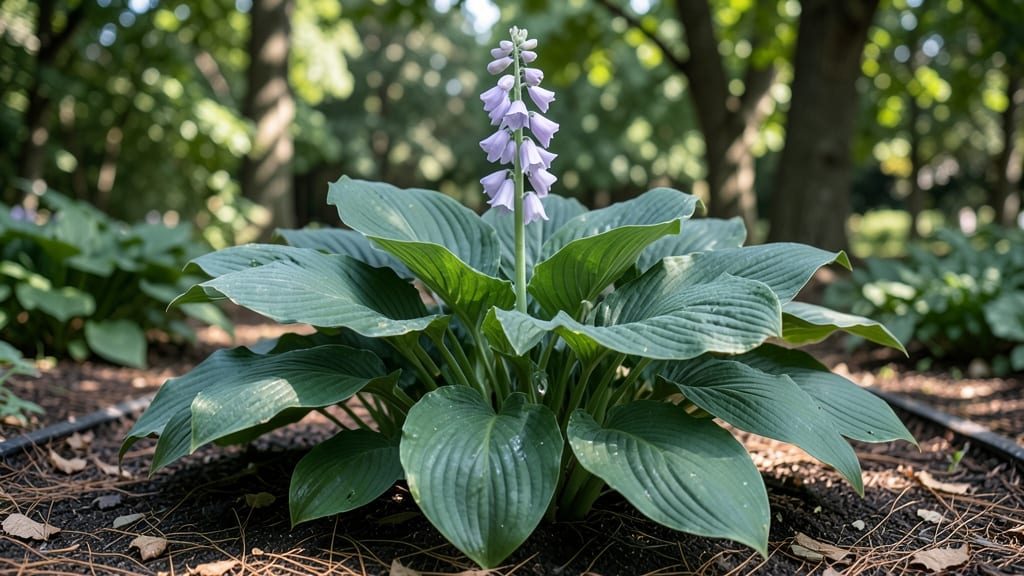
The big leaf hosta thrives in partial to full shade, growing 2-3 feet tall with striking, broad foliage. It needs consistently moist, well-draining soil, regular watering, and mulch to protect its roots. Dividing every 3-4 years promotes healthier growth and prevents disease.
The big leaf hosta's signature large leaves develop best when shielded from harsh sunlight, which can scorch their delicate edges. 🌿 Unlike sun-loving plants, these hostas actually produce their most vibrant colors in dappled shade, making them perfect for woodland gardens or under trees.
I've noticed that plants in morning sun with afternoon shade often achieve the most dramatic foliage patterns, though they can tolerate full shade in cooler climates. The key is avoiding soggy soil—these plants hate sitting in water, so good drainage is non-negotiable.
What many gardeners miss is how the hosta's leaf size correlates directly with care. A well-maintained big leaf hosta can reach 12-18 inches wide per leaf, creating that lush, tropical look. The secret? Consistent moisture without waterlogging, and a 2-3 inch layer of organic mulch to regulate soil temperature.
I always recommend dividing clumps in early spring—this refreshes the plant and gives you free propagation material for your garden or to share with friends!
💡 In This Article
- Optimal Growing Conditions for Big Leaf Hosta
- Step-by-Step Guide to Planting and Maintaining Big Leaf Hostas
Optimal growing conditions for big leaf hosta
The big leaf hosta's preference for shade isn't just about avoiding sunlight—it's about protecting its delicate leaf cells from photooxidative stress. When exposed to direct sun, hosta leaves produce excessive reactive oxygen species (ROS) that damage chlorophyll, causing those unsightly brown edges.
The ideal light spectrum for hostas falls between 10-50% sunlight, which is why dappled shade (like under deciduous trees) works best. In hot climates, even morning sun can be too intense, while cooler regions can tolerate full shade without leaf burn.
Soil pH plays a crucial role too—hostas thrive in 6.0-7.0 pH, which keeps essential nutrients like iron and manganese available for their large leaves. The plants' fibrous root systems also benefit from well-draining yet moisture-retentive soil.
Think of it like a sponge that holds water but doesn't stay soggy: the ideal mix is 50% organic matter (compost, leaf mold) and 50% mineral soil.
I've seen hostas in heavy clay soil struggle with root rot, while those in sandy soil wilt quickly during dry spells—balance is everything!
Leaf size development is directly tied to moisture availability. Big leaf hostas can grow leaves up to 12-18 inches wide when consistently watered, but drought stress triggers smaller, thicker leaves as a survival mechanism.
The plants' stomata (leaf pores) remain open longer in humid conditions, allowing for better gas exchange and larger leaf expansion. That's why I recommend 1-1.5 inches of water per week during growing season, delivered either through rainfall or irrigation at soil level (not overhead).
Microclimate matters more than you might think. Hostas planted near water features or in north-facing garden beds often develop 20-30% larger leaves than those in exposed areas.
The cooler, more stable temperatures in these spots reduce transpiration rates, letting the plants invest more energy in leaf growth rather than cooling themselves. Even a 3-4 inch layer of mulch can make a difference by maintaining soil moisture and temperature—think of it as nature's insulation blanket for roots.
What most gardeners overlook is how temperature fluctuations affect leaf quality. Big leaf hostas enter dormancy when nighttime temps drop below 40°F, which is why fall-planted divisions establish better than spring plantings in cold zones.
The plants' ability to store starch in their rhizomes during dormancy determines how vigorously they'll leaf out in spring—another reason why consistent care matters year-round!
Consider these key factors when creating the perfect hosta environment:
- Light balance: 3-6 hours of morning sun max, with afternoon shade protection
- Soil texture: Mix 1 part compost with 2 parts native soil for ideal drainage
- Watering rhythm: Keep soil consistently moist but never waterlogged
- Mulch depth: 3-4 inches of organic mulch (shredded bark works well)