
Leaf Blower
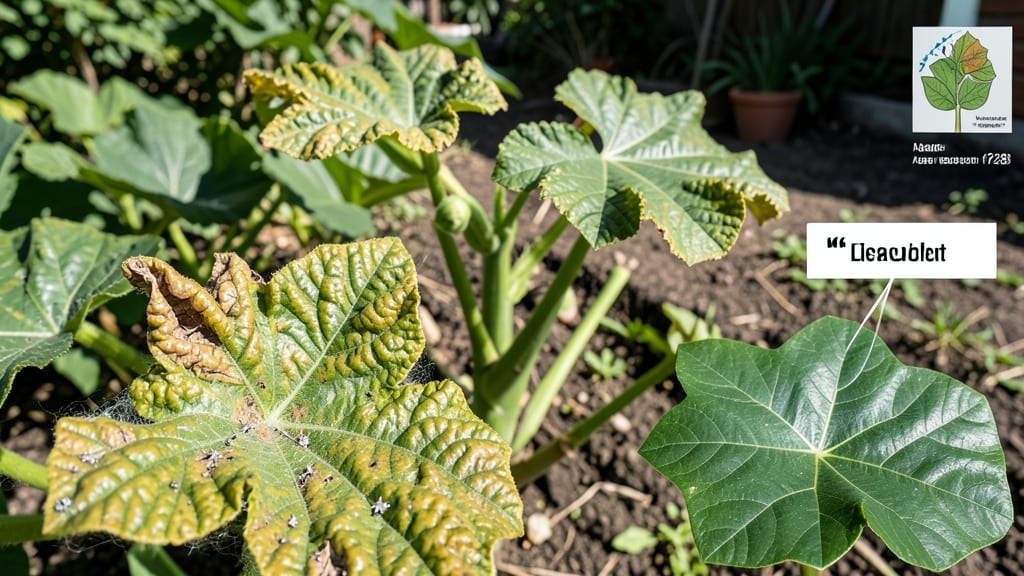
The moment you spot those twisted, yellowing leaves on your okra plants, your heart sinks—this is leaf curl, and it’s stealing your harvest. 🌿 I’ve battled this stubborn issue for three summers, and copper spray isn’t just a treatment—it’s the game-changer that stops fungal spots in their tracks.
The key is acting fast before the curl spreads to new growth.
Leaf curl in okra usually starts with fungal infections like Alternaria or Cercospora, but mites and aphids can also trigger the same symptoms. The telltale signs? Crinkled, puckered leaves with dark spots underneath—like someone crumpled them overnight.
Copper spray works by disrupting fungal reproduction, but you’ll need to apply it at the first sign of trouble, not when the plant’s already struggling.
Within 7-10 days of your first copper treatment, you’ll see the curling slow down and new leaves emerge straighter. The secret? Spray in the early morning when humidity is high, and repeat every 7-10 days until the threat passes.
Pair this with removing infected leaves immediately, and your okra plants will bounce back stronger than ever.
This method works for both garden beds and container-grown okra, and it’s safe for edible plants once fully absorbed. Just avoid spraying when blooms are open to protect pollinators. For extra defense, rotate with neem oil after the copper treatment to keep pests at bay.
Root Causes Of Leaf Curl
Leaf curl in okra isn’t just an unsightly nuisance—it’s often a sign of stress or infection that weakens your plants and slashes yields. Understanding the why behind this issue is the first step toward fixing it.
Below, we break down the most common culprits, from environmental factors to hidden pathogens, with science-backed explanations to help you diagnose and treat the problem.
Okra thrives in warm, stable temperatures (70–90°F / 21–32°C), but sudden swings—especially hot days followed by cold nights—can trigger leaf curl. Here’s why:
- Cellular Stress: Rapid temperature changes disrupt the plant’s photosynthetic processes, causing leaves to curl as a protective response. Think of it like a human shivering in a cold draft after sweating in the heat.
- Transpiration Imbalance: High daytime heat increases water loss through stomata (leaf pores), but cooler nights slow water uptake. This mismatch forces leaves to conserve moisture by curling inward.
- Root Shock: If okra is transplanted during temperature extremes, roots struggle to absorb water and nutrients efficiently, leading to physiological leaf curl.
Actionable Fix: Use mulch (straw or black plastic) to regulate soil temperature and avoid planting during heatwaves or late-season cool snaps. If possible, grow okra in microclimates (e.g., near south-facing walls) for buffer.
Okra is drought-tolerant but hates soggy roots, and both extremes can cause leaf curl. The science:
- Underwatering: When soil dries out, roots can’t supply enough water, causing plasmolysis—where plant cells shrink and leaves curl to reduce surface area. This is often seen as crispy, upward-curling edges.
- Overwatering: Saturated soil cuts off oxygen to roots, leading to anaerobic stress. Roots release ethylene gas (a plant hormone), which signals leaves to curl as a distress call.
- Inconsistent Watering: Okra hates boom-and-bust cycles. Uneven moisture triggers oxidative stress in leaves, causing them to pucker or twist.
Actionable Fix:
- Water deeply 1–2 times per week (1–1.5 inches per session) rather than daily shallow sprinkles.
- Use drip irrigation or soaker hoses to deliver water directly to roots, avoiding leaf wetness.
- Test soil moisture with a moisture meter—aim for 60% humidity in the root zone.
While copper spray (as covered in this article) targets fungal spots, some pathogens directly cause leaf curl. Here’s how they work:
| Pathogen | How It Infects | Leaf Curl Symptoms |
|---|---|---|
| Okra Leaf Curl Virus (OLCV) (transmitted by whiteflies) | Whiteflies feed on phloem sap, injecting viral particles. The virus disrupts plant growth hormones, causing distorted, curled leaves. |
|
| Alternaria Leaf Spot (fungus) | Fungal spores land on wet leaves, germinating and releasing toxins that trigger cell death. Infected areas curl to limit spore spread. |
|
| Powdery Mildew (fungus) | Fungal hyphae smother stomata, blocking gas exchange. Leaves curl to expose fewer surfaces to the pathogen. |
|
Actionable Fix:
- For viruses: Remove infected plants immediately and control whiteflies with neem oil or yellow sticky traps.
- For fungi: Apply copper fungicide (as per this article’s protocol) and prune affected leaves below the curl to prevent spread.
- Prevent recurrence with 3–4 inch spacing for airflow and avoid overhead watering.
Okra is a heavy feeder, and deficiencies or excesses in key nutrients can warp leaves. Here’s the breakdown:
- Nitrogen (N) Deficiency: Leaves curl inward as the plant prioritizes root growth over foliage. Older leaves turn yellow (chlorotic) first.
- Potassium (K) Deficiency: Leaves curl upward at edges due to weak cell membrane integrity. Margins may brown and crisp.
- Magnesium (Mg) Deficiency: Causes interveinal chlorosis (yellowing between veins) and cupping/curling as chlorophyll production falters.
- Excessive Fertilizer: Too much salt (from synthetic fertilizers) burns roots, leading to osmotic stress and curled, wilted leaves.
Actionable Fix:
- Test soil with a home kit or send to a lab for NPK + micronutrient analysis.
- For deficiencies: Apply Epsom salt (for Mg), potassium sulfate, or compost tea.
- For fertilizer burn: Flush soil with water and switch to orgainc fertilizers (e.g., fish emulsion, worm castings).
Pro Tip: 🔍 Rule out one cause at a time. Start with water and temperature checks
Fixing Leaf Curl in Okra
Okra leaf curl can be frustrating, but with the right approach, you can restore your plants to health and prevent future outbreaks. Below are targeted solutions based on the most common causes—fungal infections, viral threats, and environmental stress—along with prevention tips to keep your okra thriving.
---
If leaf curl is caused by fungal pathogens like Cercospora or Alternaria, act fast with these steps:
#### 🔥 Step 1: Apply a Copper-Based Fungicide Copper sprays are highly effective against fungal leaf curl.
Here’s how: - Mix a copper fungicide (like copper sulfate or copper hydroxide) with water as per label instructions. - Spray thoroughly on the upper and lower sides of leaves, stems, and even the soil around the base (fungi often lurk there). - Reapply every 7–10 days until new growth appears healthy. - Best timing: Early morning or late afternoon to avoid leaf burn from sunlight.
#### 🍳 Step 2: Improve Air Circulation Fungi love humid, stagnant conditions. Boost airflow with: - Prune crowded plants to allow sunlight and air to reach all leaves. - Space okra plants 18–24 inches apart if replanting. - Use a fan on hot days to reduce humidity around plants.
#### 🧹 Step 3: Clean Up Debris - Remove and dispose of infected leaves (don’t compost them—they can reinfect). - Sterilize pruners with rubbing alcohol between cuts to prevent spreading spores.
#### 💡 Prevention Tip: Rotate crops—never plant okra in the same spot two years in a row to break fungal cycles.
---
If aphids or whiteflies are spreading viral leaf curl, eradication is key:
#### 👨🍳 Step 1: Isolate & Destroy Infected Plants - Pull up severely curled plants immediately to stop the virus from spreading. - Burn or trash them—do not compost (viruses can survive in organic matter).
#### 🔪 Step 2: Control Pests with Natural & Chemical Methods - Neem oil spray (1 tsp neem oil + 1 tsp mild soap per liter of water) to smother aphids and whiteflies. - Introduce beneficial insects like ladybugs or lacewings to eat pests naturally. - For severe infestations, use pyrethrin-based insecticides (follow label rates).
#### ⏰ Step 3: Monitor & Retreat - Check plants daily for new signs of pests or curl. - Reapply neem oil or insecticide every 5–7 days until pests are gone.
#### 🎯 Prevention Tip: - Plant okra in late spring or early summer to avoid peak aphid seasons. - Use reflective mulch (like aluminum foil) to deter flying insects.
---
If leaf curl stems from heat, drought, or poor soil, tweak your gardening routine:
#### 💧 Step 1: Water Deeply & Consistently - Water at the base (not overhead) to reduce fungal spores in the air. - Aim for 1–1.5 inches of water per week, adjusting for rain. - Avoid soggy soil—okra hates "wet feet."
#### 🌿 Step 2: Amend Soil for Nutrient Balance - Test soil pH (ideal: 6.0–6.8). Add lime to raise pH or sulfur to lower it if needed. - Fertilize lightly with a balanced 10-10-10 or organic compost at planting and mid-season.
#### ✨ Step 3: Provide Shade in Extreme Heat - If temps exceed 90°F (32°C), use shade cloth (30–50%) to prevent heat stress. - Mulch with straw to keep roots cool and moist.
#### 💡 Prevention Tip: - Choose heat-tolerant okra varieties like ‘Clemson Spineless’ or ‘Emerald’ for hot climates.
--- | Action | Frequency | Why It Works | |--------------------------|------------------------|------------------------------------------| | Copper fungicide spray | Every 7–10 days | Kills fungal spores on contact | | Neem oil for pests | Weekly (if needed) | Disrupts aphid/whitefly life cycles | | Prune for airflow | As needed | Reduces humidity, prevents fungal spread | | Rotate crops | Every 2–3 years | Breaks disease cycles in soil | | Monitor soil moisture | Daily in dry spells | Prevents drought or waterlogging stress |
--- By identifying the root cause and applying these practical fixes, you can reverse leaf curl damage and protect future okra harvests. Stay vigilant, and your okra will bounce back stronger! 🌱💪
Frequently asked questions
Why do okra leaves curl upward vs. downward?
Upward curling often signals fungal infections like powdery mildew or environmental stress (heat/drought), while downward curling typically indicates Alternaria leaf spot or viral damage. Check leaf undersides—white powder suggests mildew, while dark spots with yellow halos point to fungal leaf spot.
Can I still harvest okra pods if leaves are curled?
Yes, but focus on young pods (under 3 inches) since mature pods draw nutrients from leaves. Remove severely infected leaves to redirect energy to pod production. Avoid harvesting if pods show spots or discoloration—this may indicate systemic infection.
How often should I apply copper spray for prevention?
For prevention, apply copper fungicide every 14 days during humid seasons (spring/fall) or when you notice early signs like yellowing leaf edges. Reduce frequency to monthly in dry climates. Always spray in the early morning to avoid leaf burn from sunlight.
Will neem oil work if my okra has viral leaf curl?
Neem oil won't cure viral infections, but it helps control whiteflies (the vectors spreading viruses). Combine it with removing infected plants and yellow sticky traps for best results. For viral curl, focus on prevention—plant resistant varieties like 'Emerald' in future seasons.
Can I use household vinegar as a copper spray substitute?
No, vinegar won't work—it's too acidic and won't effectively kill fungal spores. For a DIY alternative, mix 1 tablespoon baking soda + 1 teaspoon dish soap + 1 gallon water (pH-neutral version), but copper remains the gold standard for fungal leaf curl. Always test sprays on a small leaf first.