
How To
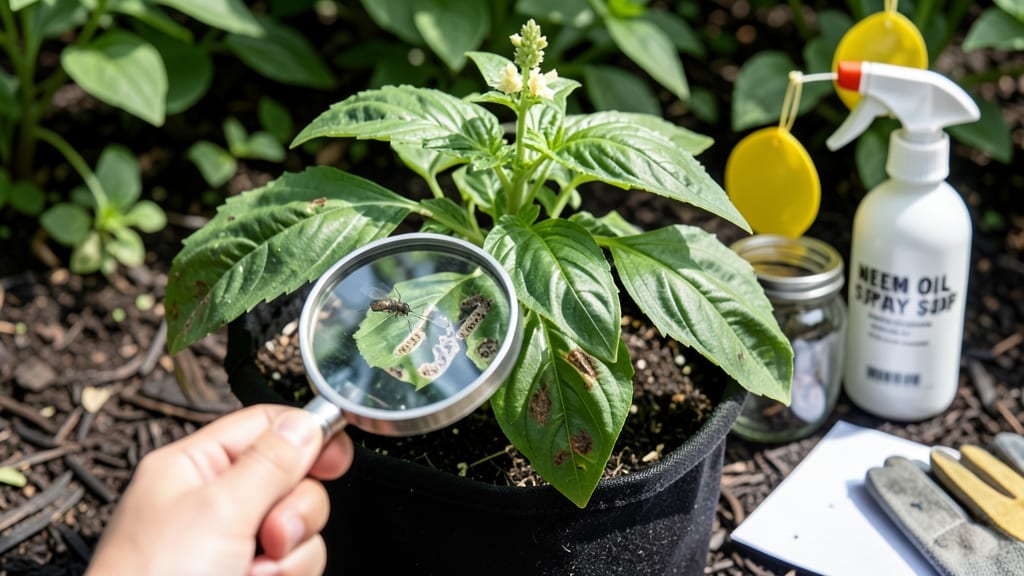
Leaf miners turn your lush foliage into a skeleton act in days. ✨ The moment I spotted those telltale serpentine trails in my basil leaves, I knew I needed a fast, organic fix—no harsh chemicals, just results before the damage spread.
These little pests are sneaky, but their life cycle works against them if you act quickly.
Neem oil and insecticidal soap are your secret weapons, but timing matters most. Spray when the larvae are young and vulnerable—before they pupate and become nearly impossible to kill.
I’ve seen complete recovery in 48 hours when I hit them at the right stage, and the plants bounce back stronger than ever.
The key is combining sprays with physical removal: prune heavily infested leaves and drop them in soapy water to break the cycle. For next season, try resistant varieties like Swiss chard or collard greens—they’re leaf miner’s worst nightmare.
If your garden feels like a war zone, don’t panic. This isn’t a lost cause—it’s a battle you can win with the right tools and a little persistence. Let’s get those leaves looking healthy again.
The Hidden Culprits Behind Leaf Miners
Leaf miners aren’t just a random pest—they’re the result of a specific ecological chain reaction, often triggered by a mix of environmental conditions and plant vulnerabilities.
Understanding why these tiny larvae tunnel through leaves helps you disrupt their lifecycle before they cause serious damage. Let’s break down the science behind their invasion.
Healthy plants have natural defenses against pests, but leaf miners exploit plants that are already stressed. Here’s how it happens:
- Nutrient Deficiencies: Plants low in nitrogen, phosphorus, or potassium struggle to produce tough, resilient leaves. Leaf miners target these softer, nutrient-depleted tissues as an easy meal. Think of it like a burglar choosing an unlocked door—weakened plants are prime targets.
- Water Stress: Overwatering or drought weakens cell walls, making leaves more susceptible to mining larvae. Overwatered plants create a damp, inviting environment for eggs to hatch, while drought-stressed plants produce thinner leaves that larvae can chew through effortlessly.
- Poor Soil Health: Compacted or imbalanced soil (e.g., high in salts or low in organic matter) restricts root growth. When roots can’t absorb nutrients efficiently, the entire plant becomes a weaker host for pests.
Leaf miners aren’t random—they’re highly strategic. Their lifecycle is designed to maximize damage with minimal risk. Here’s how they exploit your garden:
| Stage | How They Win | Your Weakness |
|---|---|---|
| Egg Laying | Adult flies (often Liriomyza or Phytomyza species) lay eggs on the underside of leaves, where they’re hidden from predators and sprays. | You might miss the tiny eggs (as small as a pinhead) during routine checks. |
| Larval Hatching | Larvae hatch and burrow between leaf layers, creating protected tunnels where pesticides can’t reach. | By the time you see the damage, the larvae are already deep inside the leaf. |
| Pupation | Mature larvae drop to the soil to pupate, emerging as adults in 2–3 weeks—ready to reinfest. | If you only treat the leaves, you’re ignoring the soil-borne pupae. |
Pro Tip: 💡 Leaf miners thrive in warm, humid conditions (60–85°F). If your garden is a cozy greenhouse in summer, you’ve created the perfect breeding ground.
Not all plants are equally appealing to leaf miners. These pests have specific favorites, often due to:
- Soft, Thin Leaves: Plants like basils, beans, grapes, and zucchini have tender leaves that larvae can tunnel through easily. Thick-leaved plants (e.g., kale or rosemary) deter them naturally.
- High Sugar Content: Fast-growing, sugary plants (like cucumbers or tomatoes) attract leaf miner adults for egg-laying. Think of it as a buffet sign for pests.
- Young, New Growth: Leaf miners prefer new shoots because they’re packed with nutrients and lack the tough waxy coating of mature leaves.
Did You Know? 🌡️ Leaf miners are more aggressive in greenhouses because the controlled environment removes their natural predators (like parasitic wasps) and keeps humidity high—ideal for their survival.
Now that you know why leaf miners strike, you’re one step closer to outsmarting them. The key? Disrupt their lifecycle at every stage—from egg to pupa—and reinforce your plants’ defenses. Stay tuned for actionable solutions to kick them out of your garden for good!
Quick fixes for leaf miner damage
Leaf miners can feel like a sneaky pest invasion—one day your plants look healthy, and the next, their leaves are marred by unsightly tunnels. But don’t worry! With the right approach, you can reverse the damage and protect your plants in just a few steps.
Below, we’ve mapped out practical solutions tailored to the root causes of leaf miner infestations, from organic sprays to cultural fixes. Each method is designed to be effective, easy to follow, and gentle on your plants.
Leaf miners start small, but their damage spreads fast. The first line of defense? Prune and remove any leaves showing signs of mining—those with visible white or brown tunnels, blotchy discoloration, or premature browning.
- 🍳 Step 1: Use clean, sharp pruners or scissors to snip off affected leaves at the base.
- 👨🍳 Step 2: Drop them into a sealed bag or bucket of soapy water to prevent larvae from escaping and reinfesting other plants.
- ⏰ Frequency: Check plants weekly during peak growing seasons (spring and summer) and remove damaged foliage as soon as you spot it.
Pro Tip: 💡 Don’t compost infested leaves! The larvae can survive and spread to other plants. Toss them in the trash instead.
Leaf miners are vulnerable to natural predators and organic sprays that disrupt their life cycle. Here are the most effective options:
| Solution | How to Use | Best For |
|---|---|---|
| Neem Oil Spray 🌿 | Mix 1 tbsp neem oil + 1 tsp mild soap (like castile) in 1 quart of water. Spray both the tops and undersides of leaves thoroughly. Repeat every 5–7 days for 2–3 weeks. | Early infestations, prevention |
| Insecticidal Soap 🧼 | Spray a commercial insecticidal soap or make your own (2 tbsp vegetable oil + 1 tsp soap in 1 quart water). Apply in the evening to avoid harming beneficial insects. Reapply after rain. | Active larvae, small outbreaks |
| Diatomaceous Earth (DE) Dust ⚗️ | Lightly dust DE on leaves (especially undersides) using a duster or sieve. Avoid windy days—it’s harmless but loses effectiveness when wet. | Outdoor plants, soil-dwelling larvae |
| Beneficial Nematodes 🐛 | Apply Steinernema feltiae nematodes to soil (follow package instructions). They seek out and kill leaf miner larvae within 48 hours. | Severe infestations, soil treatment |
Pro Tip: 🌡️ Timing matters! Spray in the early morning or late evening to avoid harming bees and other pollinators. Also, reapply after rain—water washes sprays off.
Leaf miners thrive in specific conditions. By tweaking your plant care, you can make your garden less hospitable to them:
- 💧 Water Wisely: Overhead watering keeps leaves damp, encouraging egg-laying. Use drip irrigation or water at the base instead.
- ☀️ Boost Sunlight: Many leaf miners prefer shaded or low-light plants. Move susceptible plants (like basil, beans, or tomatoes) to sunnier spots to stress out the larvae.
- 🌱 Strengthen Plants: Healthy plants recover faster. Fertilize with balanced organic fertilizer (like fish emulsion) to boost their resilience.
- 🪴 Prune for Airflow: Overcrowded plants trap moisture and pests. Thin out foliage to improve airflow around leaves.
Pro Tip: ✨ Companion planting works! Grow marigolds, nasturtiums, or dill near susceptible plants—their strong scents repel leaf miners naturally.
The best way to "get rid" of leaf miners? Stop them before they start. Here’s how to keep your plants miner-free long-term:
- 🔍 Inspect New Plants: Always quarantine new additions for 2–3 weeks before introducing them to your garden.
- 🧹 Clean Up Debris: Remove fallen leaves, mulch, and plant waste from your garden beds—these harbor overwintering larvae.
- 🌱 Rotate Crops: If you grow vegetables, avoid planting the same family (like tomatoes or peppers) in the same spot year after year.
- 🐝 Encourage Predators: Attract ladybugs, lacewings, and parasitic wasps (like Diglyphus isaea) by planting native flowers and avoiding pesticides.
- 🛡️ Use Row Covers: For high-risk plants, cover seedlings with fine mesh fabric until they’re established.
Pro Tip: 🎯 Early detection saves time! Check the undersides of leaves weekly—larvae start as tiny white worms before they tunnel in.
Frequently asked questions about leaf miners
Why do leaf miners always return even after I treat them?
Leaf miners have a 2-3 week lifecycle, and adult flies can reinfest your plants quickly. The key is breaking their cycle: remove affected leaves immediately, treat soil with beneficial nematodes, and keep spraying neem oil every 5-7 days for at least 3 weeks to catch all emerging larvae.
Can I still save my plants if most leaves are already damaged?
Yes! Prune back 90% of damaged foliage to redirect energy to new growth. Healthy plants recover faster. Focus on strengthening roots with balanced fertilizer and protect new shoots with row covers until the infestation clears.
Is diatomaceous earth safe for indoor plants?
For indoor plants, use food-grade DE sparingly—it's non-toxic but can irritate lungs if inhaled. Apply a thin layer only to leaf undersides and avoid dusting on edible plants. Reapply after watering, as it loses effectiveness when wet.
How do I know if my leaf miner problem is severe enough for professional help?
Consider professional treatment if you see new damage appearing daily despite treatments, or if 50%+ of leaves are affected. Large-scale infestations (especially in greenhouses) may require systemic pesticides that require certification to apply.
Will companion planting alone stop leaf miners?
Companion planting helps reduce leaf miners but won't eliminate them completely. Use it as part of your defense: marigolds and nasturtiums deter adults, but you'll still need to combine it with regular inspections and neem oil sprays for full protection.