
Pruning
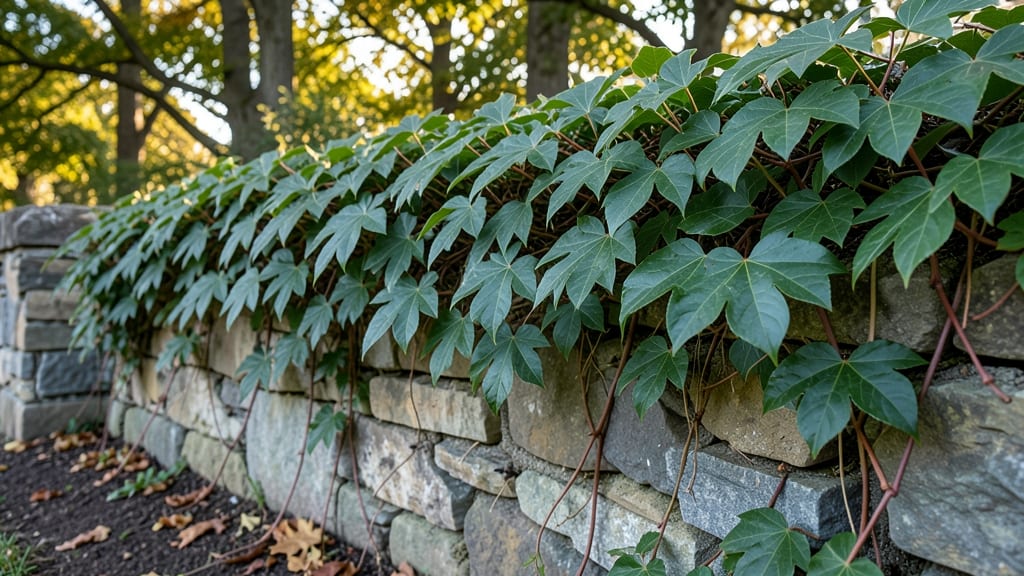
That moment when your five-leaf vine transforms a bare tree into a lush, living tapestry—it’s magic worth pruning for. 🌿 I’ve spent years perfecting the art of keeping this dramatic climber thriving, and the key isn’t just cutting back but understanding when and why to shape it.
This vine isn’t just decorative; it’s a year-round green machine that rewards patience with velvety foliage and occasional wildflowers.
The secret to its lushness? Pruning in late winter before new growth starts—you’ll encourage dense, bushy vines instead of leggy, sparse ones. A sharp pair of pruners and a sunny spot (but not scorching afternoon sun) are all you need to get started.
Too much shade, and those signature five leaves turn sparse; too much sun, and they crisp at the edges. Balance is everything.
By summer, your tree will be draped in glossy leaves, and the real payoff comes in fall, when the foliage deepens to near-black. The vine even handles frost surprisingly well—just avoid heavy pruning in cold snaps.
With the right cuts, you’ll turn any bare branches into a living sculpture that stays vibrant through all four seasons.
Whether you’re working with a young sapling or an established tree, the same principles apply. The vine’s aggressive growth means it’ll climb anything—trellises, fences, or even old wooden structures—so get creative with your support system. Here’s how to keep it lush without losing its wild charm.
📚 In This Guide
- What you need
- Instructions
- Tips and common mistakes
- Wrapping up and next steps
What you need
- ● Sharp pruning shears – Bypass-style (for clean cuts), 1 pair (6–8" blades recommended).
- ● Hand pruners – For smaller stems, 1 pair (with ergonomic grips for comfort).
- ● Loppers – For thicker branches (½"–1"), 1 pair (with a bypass blade for precision).
- ● Garden gloves – Cut-resistant, 1 pair (to protect from thorns and sap).
- ● Disinfectant (70% isopropyl alcohol or rubbing alcohol) – Small bottle, for sterilizing tools between cuts.
- ● Rubbing alcohol wipes – Pack of 50+, for quick tool cleanups.
- ○ Pruning saw (optional) – For stubborn, woody stems >1", 1 (with a fine-tooth blade).
- ● Ladder or step stool – Sturdy and tall enough to reach higher branches safely.
- ● Buckets or trash bags – 2–3, for collecting clippings (one for healthy trimmings, one for diseased ones).
- ○ Permanent marker – For labeling tools or marking pruning spots (optional but handy!).
- ● Know your vine’s growth habit – Five-leaf ivy is semi-evergreen; prune after flowering (late summer/early fall) for best results.
- ● Check the weather – Prune on a dry, overcast day to reduce stress on the plant.
- ● Identify healthy vs. diseased growth – Look for yellowing leaves, black spots, or mushy stems (dispose of these separately!).
- ● Plan your cuts – Sketch a rough outline of your desired shape (e.g., rounded, spiral, or structured) before you start.
How to prune five-leaf vine for maximum growth and beauty
Here’s how I keep my five-leaf vine thriving year-round with simple, effective pruning techniques.
✂️ Step 1: Identify the Right Time to Prune
Prune your five-leaf vine in early spring before new growth begins, or in late winter when the plant is still dormant. This timing ensures you’re shaping the plant before it puts energy into new leaves and vines. Avoid pruning in fall or winter, as the plant needs all its energy to survive cold weather.
Look for dormant branches—they’ll appear brown and leafless, while healthy growth is still tight and compact. If you see any dead or damaged branches now, remove them immediately, as they can harbor pests or diseases that will spread when new growth starts.
✂️ Step 2: Remove Dead, Diseased, or Weak Growth
Start by cutting out any dead, diseased, or crossing branches first. Use clean, sharp pruning shears to make 45-degree cuts just above a leaf node or bud. This prevents water from pooling on the cut and reduces the risk of infection. If a branch is diseased, sterilize your shears with rubbing alcohol between cuts to avoid spreading pathogens.
Weak growth—thin, leggy stems with sparse leaves—should also go. These branches compete with stronger ones for nutrients and won’t contribute much to the plant’s overall health or appearance. You’ll know you’re doing it right when you’re left with a framework of sturdy, healthy branches radiating from the main trunk.
✂️ Step 3: Shape the Vine for Balance and Airflow
Next, focus on thinning out the vine to improve airflow and sunlight penetration. Aim to leave 2-3 main branches per section of the tree, spacing them evenly around the trunk. This encourages fuller growth and reduces the risk of fungal issues that thrive in dense, shaded foliage.
Step back occasionally to check your work—you want a balanced, open structure that lets light reach the center of the plant. If you see branches growing inward, cut them back to redirect energy outward. Remember, the goal is to create a natural, bushy shape that looks full and lush without looking overcrowded.
☀️ Step 4: Encourage New Growth with Strategic Cuts
To promote vigorous new growth, make light cuts just above a set of leaves or a bud that faces outward. Avoid cutting back too aggressively—this can stress the plant and lead to weak regrowth. Instead, focus on selective pruning to shape the vine while maintaining its natural form.
After pruning, give your five-leaf vine a light feeding with a balanced fertilizer to support its recovery. Water deeply but avoid overwatering, as soggy soil can slow down new growth. Within 4-6 weeks, you should see fresh, healthy leaves emerging from the pruned areas—a sure sign your efforts are paying off.
⏰ Step 5: Maintain Year-Round with Light Trims
Once your five-leaf vine is established, monthly light trims keep it looking its best. Snip off any overgrown or leggy growth as soon as you notice it, and remove spent flowers or seed pods to redirect energy into foliage. This prevents the vine from becoming too woody and ensures it stays lush and vibrant.
In late summer, give the plant one final light pruning to tidy up any straggly branches before fall. This keeps the vine neat and prepares it for dormancy. With consistent care, your five-leaf vine will reward you with year-round greenery and a stunning, well-shaped appearance.
Tips & tricks for perfect five-leaf vine pruning
These insider tricks will help you transform your five-leaf vine into a flourishing, year-round beauty with minimal effort.
Timing is Everything: I can't stress enough how critical the early spring timing is—this is when your vine is ready to burst with new growth. If you're unsure about exact dates, use the "bud swell" test: when you see those tiny buds starting to plump up (usually February-March in most climates), that's your cue. Late winter works too, but aim for before the first signs of new leaves appear. Waiting too long means you'll be pruning active growth, which stresses the plant.
Tool Prep Matters: Before you even touch a branch, sterilize your pruning shears with rubbing alcohol. I learned this the hard way after accidentally spreading a fungal infection through my entire garden. For thick branches, use a pruning saw instead of forcing shears—you'll get cleaner cuts and avoid tearing the bark. Always clean your tools between cuts, especially when dealing with diseased branches, to prevent cross-contamination.
Visual Pruning Cues: When shaping your vine in Step 3, imagine you're creating an open umbrella shape. Look for branches growing directly inward—they'll create dense, shaded areas that block sunlight from reaching the center. These are prime candidates for removal. The ideal structure should let light penetrate all the way to the trunk, which encourages even growth throughout the entire plant. Think of it like giving your vine a spa day—more air circulation means fewer fungal problems.
Post-Prune Recovery: After your main pruning session, don't just walk away! Give your vine a proper recovery boost with that light fertilizer application. I use a 10-10-10 balanced formula diluted to half strength—this provides essential nutrients without overwhelming the plant. Water deeply but avoid creating soggy soil conditions, which can actually slow down new growth. Within those 4-6 weeks, you'll notice fresh, vibrant leaves emerging from the pruned areas as a reward for your efforts.
Pro Tips for Five Leaf Vine On Tree
- These insider tricks will help you transform your five-leaf vine into a flourishing, year-round beauty with minimal effort.
- Timing is Everything: I can't stress enough how critical the early spring timing is—this is when your vine is ready to burst with new growth.
- Tool Prep Matters: Before you even touch a branch, sterilize your pruning shears with rubbing alcohol.
Frequently asked questions
When is the best time to prune my five-leaf vine?
The ideal window is late winter or early spring (just before new growth begins). This removes dead wood, shapes the plant, and encourages lush summer foliage. Avoid heavy pruning in fall—it can stress the vine before winter. For minor touch-ups, summer is fine, but focus on removing overgrowth that blocks sunlight.
How much can I cut back without harming the vine?
Five-leaf vines are highly resilient—you can safely remove up to 1/3 of the plant per year. For aggressive pruning (e.g., rejuvenating an overgrown vine), cut back to healthy buds or main stems. Avoid shearing into a "ball" shape; instead, prune to encourage outward growth for better coverage.
Why are my leaves turning brown or yellow after pruning?
Brown/yellow leaves usually signal stress from over-pruning, disease, or environmental factors. Check for:
- Powdery mildew (white dust on leaves—treat with neem oil).
- Sunburn (if pruned too late in spring; provide shade temporarily).
- Underwatering (vines need 1–1.5 inches of water weekly during growth spurts).
Can I prune my five-leaf vine in winter for a cleaner look?
Yes! Light pruning in winter (when the vine is dormant) is safe, but avoid heavy cuts—it removes next year’s buds. Focus on:
- Trimming dead or crossing branches.
- Shaping the vine before spring growth.
What’s a good alternative if my five-leaf vine struggles in my climate?
If your vine wilts, drops leaves, or fails to climb, consider these hardy alternatives:
Plant
USDA Zone
Key Perk
Boston Ivy (Parthenocissus tricuspidata)
4–9
Drought-tolerant, red fall foliage.
Virginia Creeper (Parthenocissus vitacea)
3–9
Native to North America; thrives in poor soil.
Star Jasmine (Trachelospermum jasminoides)
7–11
Fragrant flowers; great for warm climates.
Wrapping up and next steps
Mastering the art of pruning your five-leaf vine (Hedera helix) unlocks a world of vibrant, year-round greenery—whether it’s climbing your tree or cascading in a container.
Remember, the key lies in timing, precision, and patience: trim in early spring or late fall, remove dead or overcrowded growth, and always use sharp tools to avoid damage. With these secrets in hand, your vine will thrive, adding life and texture to your outdoor space.
Ready to transform your garden? Grab your pruners, pick a sunny day, and give your five-leaf vine the care it deserves. Your lush, green oasis starts with just one cut! 🌿✂️