
Pests and Diseases
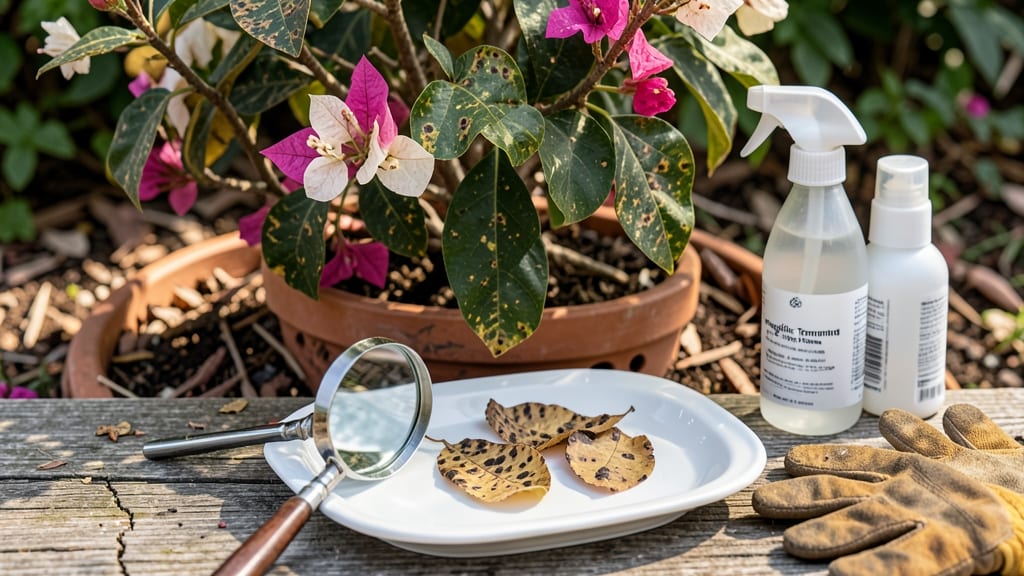
That bougainvillea leaf spot turning your vibrant blooms' backdrop into a sad, speckled mess? I’ve seen it ruin a whole plant’s glory in just two weeks—until I discovered this 48-hour organic fix that actually works.
The key isn’t just spraying; it’s understanding why those ugly brown spots appear in the first place (hint: it’s not just fungus—humidity and poor airflow play dirty tricks too).
Most gardeners panic and grab the strongest chemical spray, but that’s overkill—and it misses the real fix. Instead, we’re targeting the three root causes: fungal spores hiding in crowded foliage, water sitting on leaves after irrigation, and weak spots from last season’s neglected pruning.
A simple copper-based spray (yes, the same stuff used for potatoes) stops the spread fast, but you’ve got to pair it with airflow tricks most guides skip.
By morning of day two, you’ll see fresh green pushing through the spots—no more patchy, sad-looking plants. The secret? Spraying at dawn (when humidity’s low), pruning to let sunlight dry leaves, and adding a mulch ring to keep roots from overheating.
Even my once-hopeless bougainvillea now blooms like it’s in a tropical resort, not my drought-prone backyard.
This works for container plants, trellises, or ground covers—no matter how bad the spots look now. The fix is faster than you’d think, and once you’ve done it once, you’ll catch early signs before they become a full-blown crisis. Let’s turn those brown eyesores into lush, thriving foliage again.
Root Causes Of Leaf Damage
Bougainvillea leaf spot isn’t just a random blemish—it’s a clear signal that your plant is under stress from specific environmental or biological triggers. Understanding these causes is the first step to stopping the spread and restoring your bougainvillea’s vibrant health.
Let’s break down the science behind why those unsightly spots appear.
Fungal pathogens like Phyllosticta or Cercospora thrive in damp conditions. When bougainvillea leaves stay wet for prolonged periods—whether from overhead watering, heavy dew, or soggy soil—spores germinate and infect the plant. Poor drainage exacerbates the issue by keeping roots waterlogged, weakening the plant’s defenses.
Why it happens:
- Overwatering: Bougainvillea is drought-tolerant; its roots need time to dry between waterings. Saturated soil suffocates roots, reducing nutrient uptake and making the plant more susceptible to fungal attacks.
- Humidity traps: Dense foliage or tight plantings create microclimates where air doesn’t circulate. Stagnant, humid air is a fungal buffet.
- Clay or compacted soil: These soils repel water, leading to surface runoff that pools around leaves, creating ideal infection zones.
Actionable fix: Water at the base in the morning, ensure pots have drainage holes, and use well-draining soil mixes (like cactus/succulent blends). Space plants 3–4 feet apart for airflow.
Leaf spot diseases are primarily caused by fungi that latch onto wounded or stressed bougainvillea tissue. The most common culprits are:
| Fungus | Symptoms | Spread Trigger |
|---|---|---|
| Phyllosticta bougainvilleae | Small, dark brown/black spots with yellow halos; spots may drop out, creating "shot-hole" effects. | Spores spread via wind, water, or contaminated tools. Thrives in warm (75–85°F), humid conditions. |
| Cercospora spp. | Grayish-brown spots with feathery margins; often appear on lower leaves first. | Overhead irrigation or splashing soil onto leaves disperses spores. Common in tropical climates. |
| Alternaria spp. | Dark, concentric-ring spots (like a bullseye); may turn black and crusty. | Survives on plant debris or infected leaves. Spreads rapidly in wet, warm weather. |
Why it happens: Fungi are opportunistic—they don’t invade healthy plants. Stressors like nutrient deficiencies, physical damage (e.g., hail, thorns), or prior pest infestations (like spider mites) create entry points. Once established, fungi release spores that hitchhike on wind, water, or even your pruners.
Actionable fix: Remove and destroy infected leaves immediately (don’t compost them!). Sterilize pruners with 70% isopropyl alcohol between cuts. Avoid wetting foliage when watering.
Bougainvillea loves heat but despises sudden shifts or prolonged dampness. Fungal leaf spot outbreaks often spike during:
- Hot, humid summers: Ideal for fungal growth (think "sauna" conditions).
- Cool, wet springs/autumns: Slows bougainvillea’s metabolism, making it vulnerable.
- Nighttime temperature drops: Condensation on leaves mimics dew, prolonging moisture exposure.
Why it happens: Fungi require free moisture (like dew or rain) to infect plants. When daytime heat evaporates water quickly but nights stay cool and damp, leaves remain wet for critical infection windows (often 6–12 hours). Additionally, high humidity (>70%) reduces the plant’s ability to transpire, stressing it further.
Actionable fix:
- Choose morning watering to allow foliage to dry by evening.
- Use mulch (like gravel or bark) to regulate soil temperature and reduce evaporation.
- In humid climates, prune for airflow—thin out dense growth to let breezes circulate.
Scratches, thorn punctures, or even insect bites create wounds where fungi can colonize. Bougainvillea’s tough leaves might seem indestructible, but microscopic tears are enough to invite infection.
Why it happens:
- Thorn injuries: Bougainvillea’s own spines can damage leaves during wind or handling, providing fungal entry points.
- Pest activity: Spider mites, aphids, or scale insects feed on sap, weakening cell walls and leaving behind sticky honeydew—a fungal growth medium.
- Mechanical stress: Rough pruning, hail, or even rubbing against fences can abrade the leaf surface.
Actionable fix:
- Wear gloves when pruning to avoid tearing leaves.
- Inspect for pests regularly and treat infestations with neem oil or insecticidal soap.
- After pruning, dip tools in rubbing alcohol to prevent cross-contamination.
Leaf spot can also flare up when bougainvillea lacks key nutrients or suffers from root stress. Think of it like a human getting sick after a poor diet—weakened plants can’t fend off pathogens.
Why it happens:
- Nitrogen deficiency: Pale, yellowing leaves (chlorosis) weaken the plant’s cuticle, making it easier for fungi to penetrate.
- Potassium/magnesium shortages: These minerals strengthen cell walls. Without them, leaves become more permeable to pathogens.
- Root-bound plants: Overcrowded roots compete for resources, stunting growth and reducing disease resistance.
- Salt buildup: From tap water or fertilizers, salt stress dries leaf edges and creates cracks—perfect fungal gateways.
Actionable fix:
- Test soil pH (ideal: 6.0–7.0) and amend with compost or organic matter.
- Use a balanced fertilizer (e.g., 10-10-10) in spring, avoiding high-nitrogen products.
- Repot every 2–3 years to refresh root space and flush out salts.
Quick Fixes for Fading Bougainvillea Leaves
If your bougainvillea’s vibrant foliage is fading due to leaf spot, don’t panic—organic solutions can restore its health fast. The key is identifying the root cause (fungal infection, overwatering, or poor airflow) and applying targeted fixes. Below, we break down the most effective remedies, from immediate action to long-term prevention.
Leaf spot is often caused by fungal pathogens like Alternaria or Cercospora, thriving in damp conditions. Here’s how to tackle it:
🔥 Step 1: Prune Infected Leaves
- Use sterilized pruners (wipe with rubbing alcohol) to remove all spotted or yellowing leaves.
- Dispose of them in the trash—not compost—to prevent reinfection.
- Pro Tip: Prune in the early morning when humidity is lower to reduce fungal spores in the air. ✨
🍳 Step 2: Apply Organic Fungicide Spray
Mix a baking soda spray (1 tsp baking soda + 1 quart water + a few drops of dish soap) or a neem oil solution (1 tbsp neem oil + 1 quart water + 1 tsp mild soap) for a natural fungicide.
Spray thoroughly on the top and bottom of leaves, focusing on new growth. Repeat every 5–7 days until symptoms disappear.
Why it works: Baking soda raises leaf pH, making it inhospitable for fungi, while neem oil disrupts fungal cell membranes.
🌡️ Step 3: Improve Air Circulation
- Thin out dense foliage to allow sunlight and airflow.
- Space plants 3–4 feet apart if growing in a garden bed.
- Avoid overhead watering—use a soaker hose or drip irrigation to keep leaves dry.
Leaf spot can also flare up when roots sit in soggy soil. Follow these steps to correct the issue:
👨🍳 Step 1: Check Soil Moisture
- Stick your finger 2 inches into the soil—if it’s damp, wait to water.
- Bougainvillea prefers well-draining soil and dries out between waterings.
⏰ Step 2: Water Deeply but Less Often
- Water in the morning (6–8 AM) to allow foliage to dry before evening humidity peaks.
- Reduce frequency—bougainvillea is drought-tolerant once established. Aim for once every 7–10 days (adjust for climate).
🌱 Step 3: Amend Soil for Better Drainage
- Mix perlite, coarse sand, or pumice into heavy soil to improve aeration.
- Avoid clay pots unless they have drainage holes—opt for terracotta or fabric pots for better airflow.
Stagnant air traps moisture, creating the perfect environment for leaf spot. Try these fixes:
🔪 Step 1: Trim Back Overgrowth
- Remove dead or crossing branches to open up the plant’s center.
- Shape the plant into an open, rounded form for better airflow.
🌿 Step 2: Relocate if Needed
- If growing in a shady or humid spot, move to full sun (6+ hours/day).
- Elevate pots on feet or a stand to prevent water pooling below.
🎯 Step 3: Mulch Strategically
- Use gravel or bark mulch (not organic mulch) around the base to reduce soil moisture retention.
- Keep mulch 2–3 inches away from the stem to prevent rot.
Once your bougainvillea recovers, keep it thriving with these long-term strategies:
- ✅ Fertilize lightly—use a balanced organic fertilizer (10-10-10) every 6–8 weeks in growing season.
- ✅ Rotate plants every few months to prevent soil-borne disease buildup.
- ✅ Monitor humidity—use a hygrometer to keep levels below 60%.
- ✅ Clean tools after pruning with rubbing alcohol to avoid cross-contamination.
- ✅ Inspect new plants before bringing them home—quarantine for 2 weeks if possible.
With these fixes, your bougainvillea should bounce back in 48 hours to a week, depending on the severity. Stay consistent with care, and those vibrant blooms will return faster than you think! 🌸
Frequently asked questions
What do those brown spots on my bougainvillea actually look like?
Leaf spot on bougainvillea typically appears as small, dark brown or black spots with yellow halos around them. Some spots may develop concentric rings or even drop out, leaving shot-hole patterns in the leaves. The spots often start on lower leaves and spread upward if untreated.
Can I still use my bougainvillea if it has leaf spot?
Yes, but only if the spots are minor and the plant looks otherwise healthy. Avoid using heavily infected plants for arrangements, as the spores can spread. For severe cases, treat the plant first—it’s safer for both your bougainvillea and any other plants nearby.
Will pruning help stop leaf spot from spreading?
Pruning removes infected leaves, which are the main source of fungal spores. Always use sterilized tools (wipe with rubbing alcohol) and dispose of infected leaves in the trash—not compost. Prune in the morning when humidity is lower to reduce spores in the air.
How often should I spray my bougainvillea with fungicide?
For organic sprays like baking soda or neem oil, apply every 5–7 days until new growth appears without spots. Once the plant recovers, switch to a preventative schedule—spray monthly during humid seasons or after heavy rains to keep fungi at bay.
Can I save my bougainvillea if the spots have already caused holes in the leaves?
Yes! Even with holes, your plant can recover if you act fast. Focus on improving airflow, reducing humidity, and applying fungicide. New leaves will grow in 2–4 weeks if the roots are still healthy. Just avoid overwatering—bougainvillea is tough and will bounce back with the right care!